Nishijin Weaving: The Technical Mastery Behind Kyoto's Legendary Brocade Tradition
On this page
The warp threads alone can number in the thousands. Each one must hold its tension perfectly, or the entire pattern collapses.
This is Nishijin-ori — Kyoto's brocade weaving tradition — where a single obi sash might take two months to complete and involve a dozen specialized artisans who never meet face-to-face.
The district that became a vocabulary
Nishijin isn't a company or a style. It's a neighborhood in northwest Kyoto where, after the Ōnin War razed the city in the 15th century, weavers returned to rebuild their workshops on what had been the "western camp" battlefield. The name stuck. So did the weavers.
What makes Nishijin distinct is its systematic division of labor. One workshop prepares the warp. Another dyes the silk. A third programs the pattern. The weaver — often working alone in a small machiya townhouse — assembles the final textile from components they didn't create. It's an ecosystem, not a studio practice.
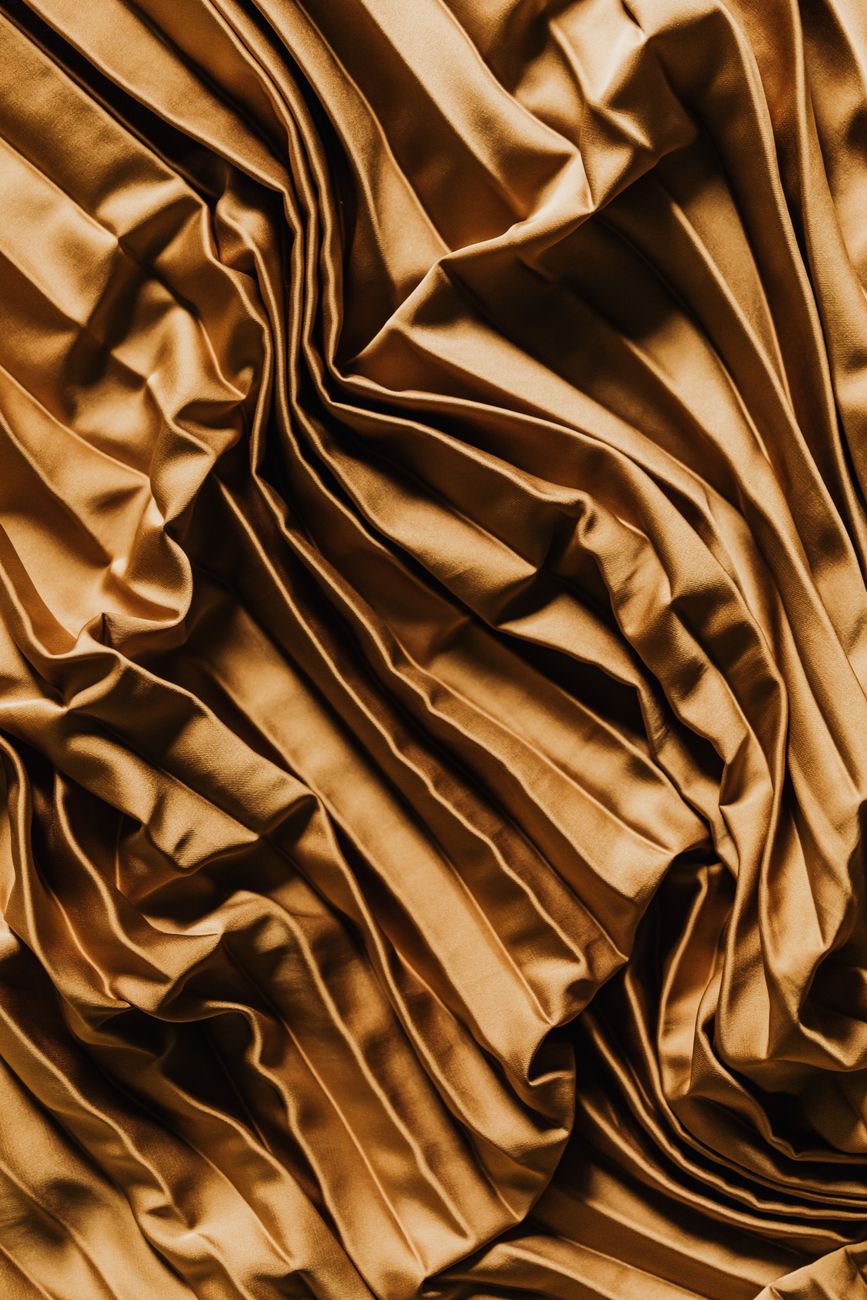
Jacquard looms and 30,000 thread choices
Walk through Nishijin today and you'll hear the clatter of tsuzure-ori looms — entirely hand-manipulated, no foot pedals — alongside the rhythmic thunk of Jacquard machines fitted with punch-card systems that predate computers but operate on identical logic. Both coexist. Both produce textiles that can cost more per square meter than a used car.
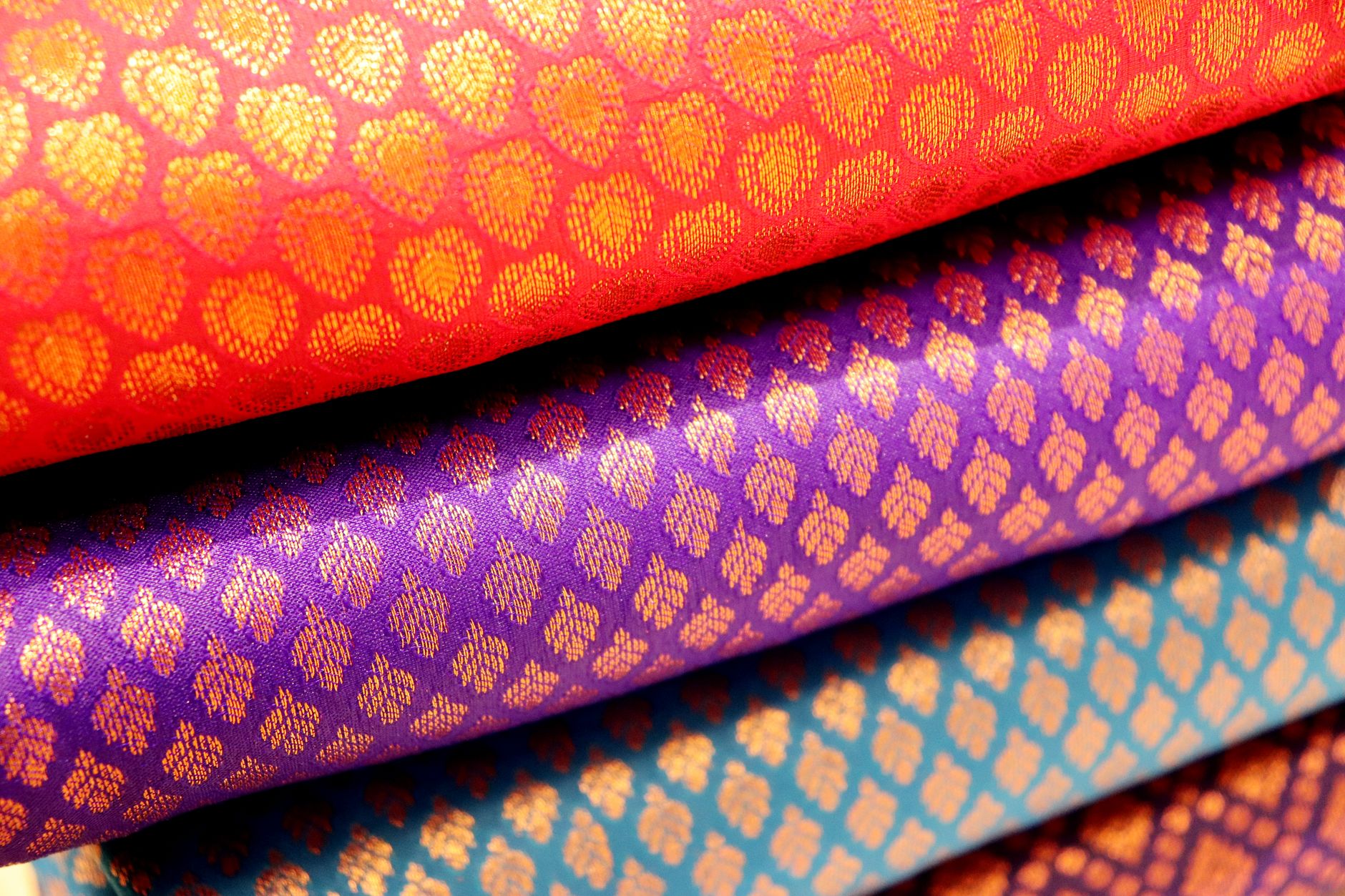
The technical vocabulary is staggering. Karaori brocade for Noh theater robes. Donsu satin damask for Buddhist altar cloths. Shouha gauze weaves so sheer they seem like woven air. Master weavers don't just know these techniques — they know which of 30,000 available thread colors will catch light at a specific angle when the wearer moves.
In Nishijin, the pattern exists before the textile does — encoded in paper, translated to thread.
What you can't see from the front
Here's what tourists miss: Nishijin brocade is engineered to be reversible, or at least structurally coherent on both sides. Flip a high-grade obi and you won't find a mess of trailing threads. You'll find a secondary composition — sometimes deliberately designed, sometimes an abstract byproduct of the weave structure itself.
This isn't about aesthetics. It's about physics. Nishiki brocades incorporate supplementary weft threads (gold, silver, lacquered paper wrapped around silk) that add weight and stiffness. If those threads aren't properly integrated through the full depth of the fabric, the textile will pucker, sag, or tear at the first fold. The back side is structural evidence.
The obi knot, tied behind the wearer's back, is never seen by the person wearing it. Yet it's dressed in the most labor-intensive textile in the entire ensemble.
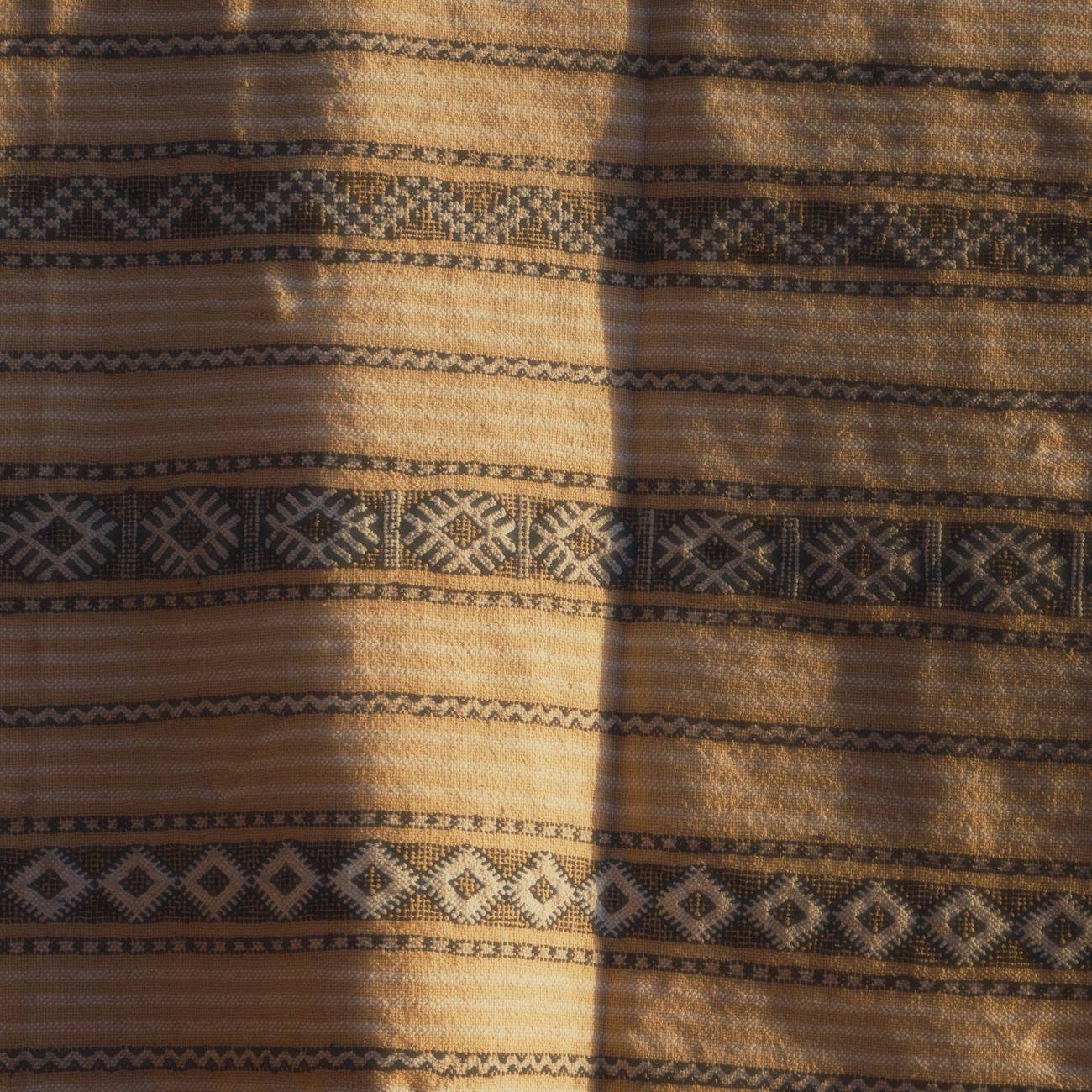
The unromantic economics
Nishijin's workshops have declined from over 20,000 in the postwar boom to fewer than 2,000 today. The average weaver is over sixty. Demand for formal kimono has evaporated outside weddings and tea ceremony.
What keeps the tradition alive isn't nostalgia — it's lateral adaptation. Nishijin techniques now appear in automotive interiors, acoustic panels, medical textiles, and contemporary fashion collaborations that treat the weave as a sculptural medium rather than a costume component. Some workshops have opened their pattern archives to designers who reinterpret Edo-period motifs in colorways that didn't exist until synthetic dyes arrived.
The looms haven't stopped. They've just started speaking different languages.
---
Stand close enough to a Nishijin weaver at work and you'll notice their eyes don't follow the shuttle — they watch the selvedge edge, where tension tells the truth before the pattern does.
FAQ
Chaware curates authentic Japanese crafts — straight from the makers in Japan to your table.
Explore the Chaware collection →