Japanese Gift Etiquette: The Art of Giving and Receiving with Grace
On this page
You wrap a gift in Japan, and suddenly you're navigating an invisible choreography—one wrong fold, one clumsy hand-off, and you've whispered something you didn't mean to say.
The gift is the conversation before words
In Japan, omiyage (souvenirs) and okurimono (formal gifts) aren't just objects changing hands. They're carefully composed sentences in a language of gratitude, apology, and connection. The act of giving—how you wrap it, when you present it, how you hold it—speaks louder than what's inside.
This isn't about rules for the sake of tradition. It's about ma, the concept of negative space, the pause that gives meaning. A gift presented with two hands and a slight bow creates a moment of mutual respect. It slows time. It says: you matter enough for me to be deliberate.
Wrapping is part of the gift itself
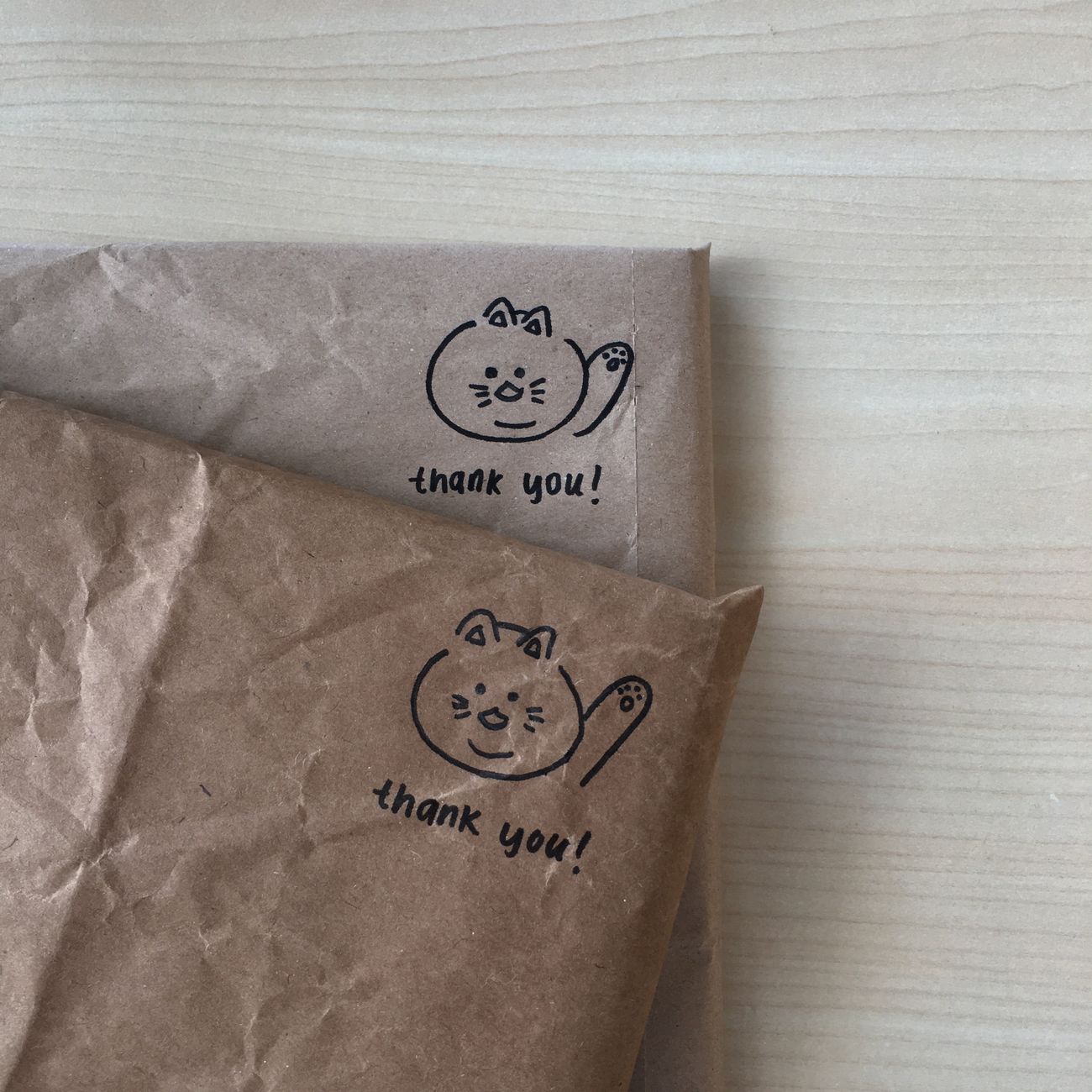
Walk into any Japanese department store and watch the gift-wrapping counter. The clerks fold with surgical precision, every crease aligned, tape hidden, corners crisp as origami. Tsutsumu—the verb "to wrap"—also means "to envelop with care."
The wrapping cloth, or furoshiki, has been used for centuries, transforming a simple object into something worthy of ceremony. Even today, department stores offer multiple wrapping styles depending on the occasion: celebratory gold for weddings, subdued tones for condolences. The outside prepares the recipient emotionally for what's inside.
You don't tear open a gift in front of the giver. You receive it gracefully, set it aside, and open it later in private. This isn't coldness—it's consideration. It protects both parties from the awkwardness of a disappointed face or the pressure to perform delight.
Timing, occasion, and the weight of obligation
Japanese gift-giving follows a calendar. Ochugen in summer and oseibo in winter are seasons of reciprocal gratitude—gifts to bosses, teachers, mentors. Miss these windows, and you've missed more than a date; you've missed a social heartbeat.
The gift isn't free—it carries the gentle weight of relationship, a thread that binds giver and receiver in ongoing care.
Then there's giri, a sense of duty and social debt. When someone gives you a gift, you're expected to return one of roughly equal value—not immediately, but within the rhythm of the relationship. It's not transactional; it's relational mathematics, keeping the balance so no one feels burdened or diminished.
Certain gifts are avoided entirely. Sets of four (since shi sounds like "death"), combs (associated with suffering), or anything too extravagant that might embarrass the recipient with unpayable debt.
The two-handed offering
When you give or receive, use both hands. Hold the gift low, at waist level, and present it with a slight forward tilt of your body. The giver often says tsumaranai mono desu ga—"this is just a trifling thing"—a ritual humility that deflects attention from the object to the gesture.
It's not self-deprecation. It's an invitation: don't judge me by the gift's monetary value; judge me by my intention.
The receiver responds with gratitude, often osoreiriamsu (I am unworthy of this), before accepting. This exchange—humble offering, humble receiving—creates equilibrium. No one towers. No one shrinks.
What remains after the ribbon is untied
Gift etiquette in Japan is less about perfection and more about presence—showing up to the relationship with attention and care. The wrapping will be folded and saved. The ribbon tucked away. But the gesture? That lingers, a quiet reminder that someone thought of you with both hands.
FAQ
Chaware curates authentic Japanese crafts — straight from the makers in Japan to your table.
Explore the Chaware collection →