How Japan Celebrates the Arrival of Spring: Customs, Festivals, and Seasonal Traditions
On this page
The first warm breeze doesn't whisper into Japan—it arrives with petals, festivals, and an entire country pausing to notice.
Spring in Japan isn't merely a season. It's a cultural event, anticipated with the intensity of a religious holiday and celebrated with rituals that stretch back centuries. While much of the world marks spring's arrival by date on a calendar, Japan watches the trees.
The country that forecasts flowers
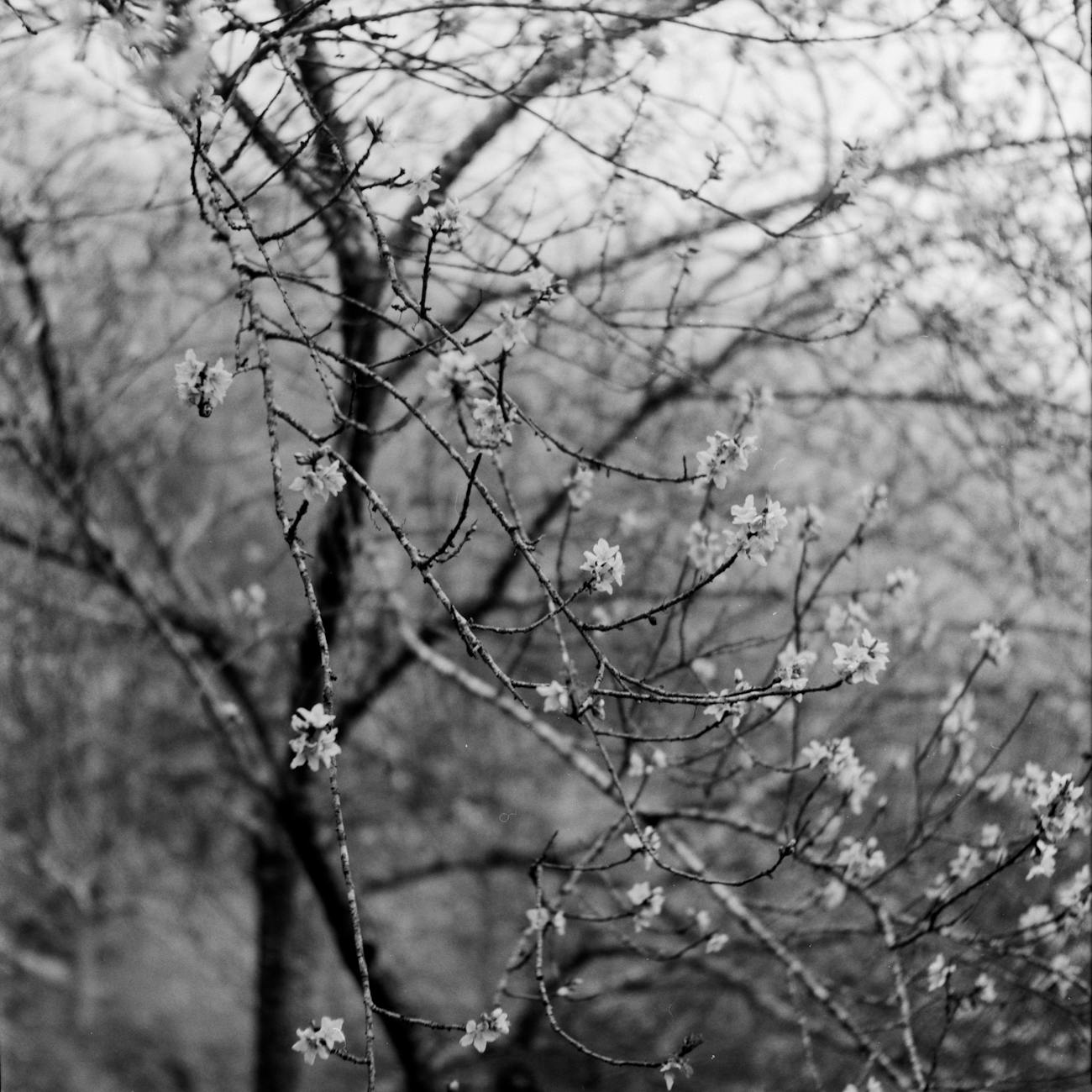
Every January, meteorologists begin tracking sakura zensen—the cherry blossom front. News programs dedicate segments to animated maps showing the pink wave moving north from Okinawa to Hokkaido, and families plan their entire spring around these predictions. This isn't quaint tradition for tourists. Office workers, grandmothers, students—everyone participates.
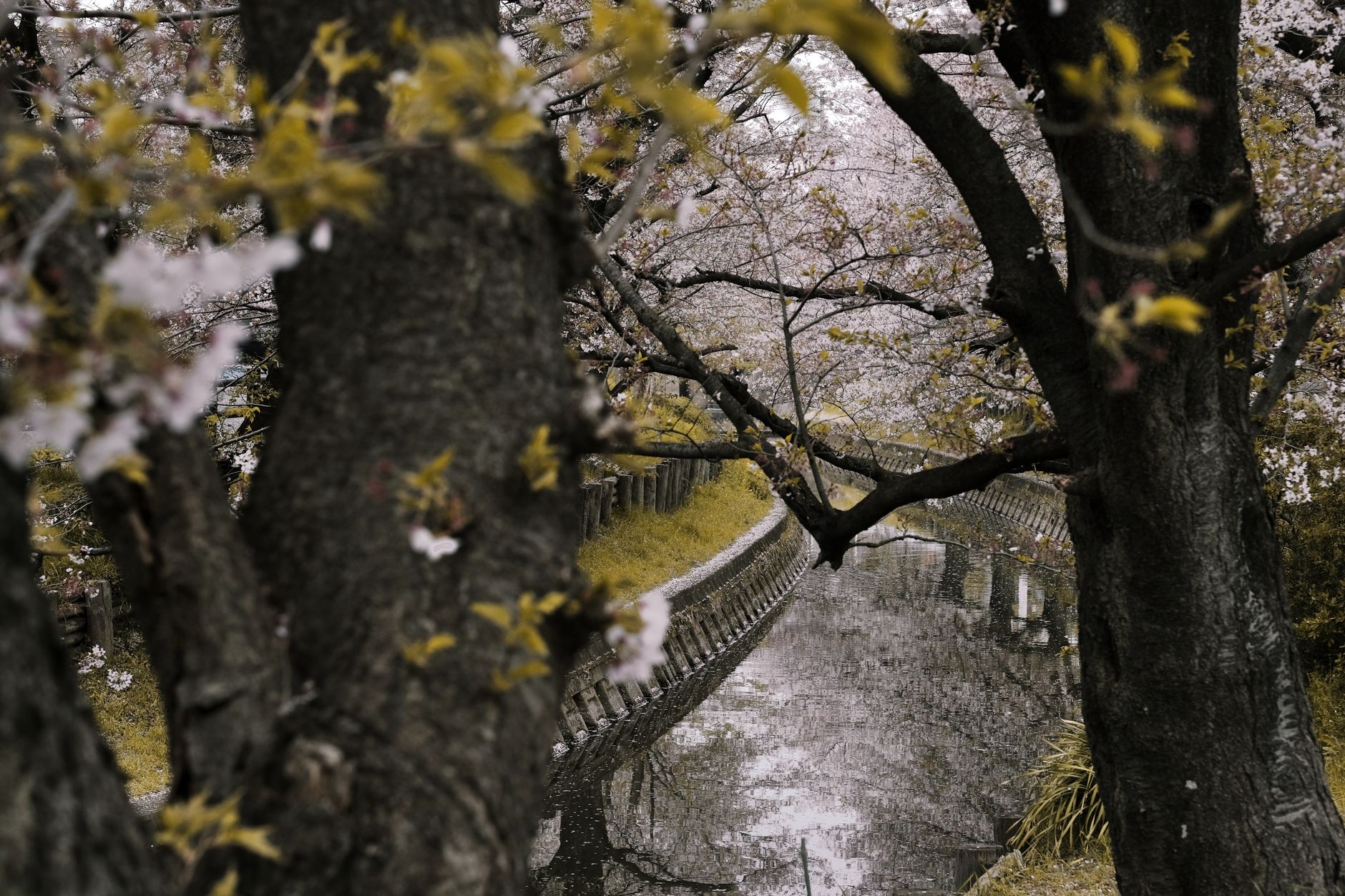
The ritual of hanami, flower viewing, transforms parks into temporary communities. Colleagues spread blue tarps under blooming trees at dawn to claim spots. Strangers share sake. The blossoms last perhaps two weeks, and their brevity is precisely the point. The Japanese aesthetic of mono no aware—the poignant beauty of impermanence—finds its most visible expression in these fragile petals that fall like snow.
But cherries aren't the only heralds of spring.
Pink mochi and dolls on platforms
March 3rd brings Hinamatsuri, the Doll Festival, when families with daughters display elaborate tiered platforms of ornamental dolls dressed in Heian-period court clothing. These aren't toys. They're heirlooms, sometimes passed through generations, arranged in precise hierarchy—the emperor and empress at the top, court musicians and servants below.
Traditional foods appear: hishimochi (diamond-shaped rice cakes in pink, white, and green), chirashizushi (scattered sushi), and amazake (sweet fermented rice drink). The colors aren't arbitrary—pink represents peach blossoms, white the lingering snow, green the new grass. Every element speaks to the threshold between winter and spring.
In Japan, spring arrives not as background scenery but as the main event, demanding participation.
The foods that mark the turning
Japanese spring eating follows nature's clock with precision. Takenoko (bamboo shoots) appear in April, so tender they're sliced raw into salads or simmered in dashi. Fuki (butterbur) and nanohana (rapeseed flowers) bring pleasant bitterness to the table—a palate cleanser after winter's heavier fare.
Spring fish matter too. Sakura ebi (cherry blossom shrimp) turn translucent pink. Hotaru ika (firefly squid) glow bioluminescent in Toyama Bay before landing in vinegared dishes. Markets overflow with sansai—mountain vegetables foraged from hillsides as snow recedes.
Even sweets transform. Wagashi confectioners shape nerikiri (sweet bean paste) into perfect miniature cherry blossoms, each petal hand-formed. Tea ceremonies incorporate spring motifs into every gesture, from the scroll hanging in the alcove to the pattern on the tea bowl.
When winter clothes retire
The practical rituals matter as much as the poetic ones. Households conduct koromogae—the seasonal changing of wardrobes—swapping heavy quilts for lighter cotton, rotating winter kimonos to the back of the closet. It's a physical acknowledgment that one chapter has closed and another opened.
Schools begin their academic year in April, coinciding with full bloom in most of Japan. Entrance ceremonies happen under falling petals. New employees bow to their companies for the first time surrounded by pink. Spring isn't just observed—it's when life restarts.
The season will pass quickly, as it must. But for these few weeks, Japan doesn't simply experience spring. It performs it, tastes it, arranges it on platforms, forecasts it on the evening news, and sits together under trees to watch beauty fall away.
FAQ
Chaware curates authentic Japanese crafts — straight from the makers in Japan to your table.
Explore the Chaware collection →