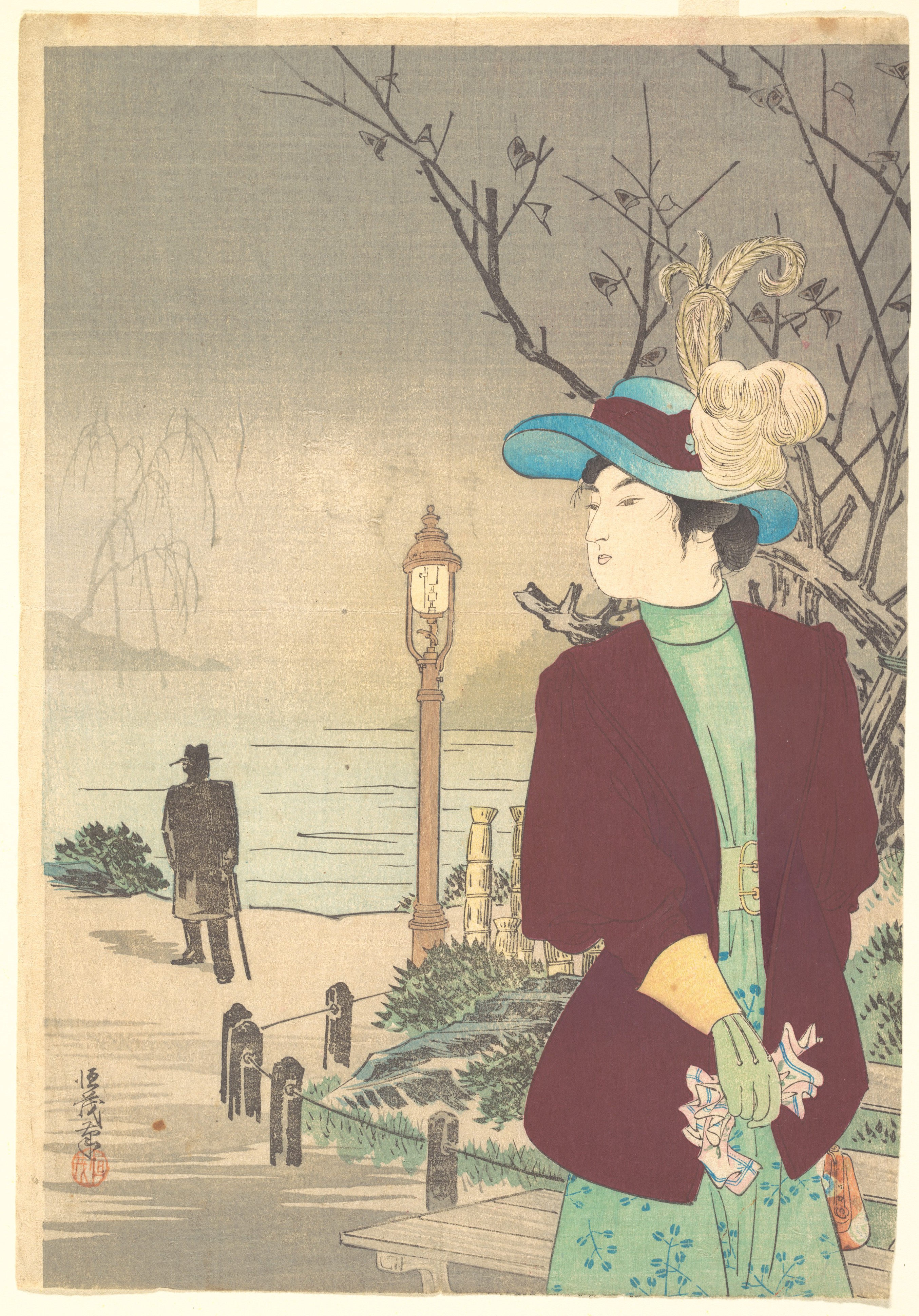
How Seasonal Tableware Reflects the Time of Year in Japanese Culture
On this page
The first cool evening of autumn arrives, and across Japan, ceramic artists and home cooks alike reach for different dishes. Not because the old ones broke — but because the season changed.
When your plate knows what month it is
In Japanese homes, tableware rotates with the calendar as naturally as clothing does. Heavy stoneware appears when frost threatens. Glass bowls emerge the moment humidity climbs. This isn't decorating — it's a practical, poetic dialogue between hand, vessel, and air temperature that has shaped Japanese dining for centuries.
The practice is called utsuwa no kisetsu, literally "the season of vessels." It reflects the broader cultural framework of shun — the fleeting peak moment when something is at its absolute best. Just as a cook honors spring bamboo shoots in April and matsutake mushrooms in October, the tableware itself must also arrive at precisely the right time.
Walk into a traditional ryotei (high-end Japanese restaurant) in July, and you'll notice immediately: the dishes look cool. Glassy celadon. Transparent glass. Pale blue-and-white porcelain that seems to lower the room temperature by visual suggestion alone. The ceramic is thin, light in the hand. Some plates bear motifs of flowing water or morning glories — images that invoke psychological refreshment.
The vessel cools the food, but the image cools the mind.
Winter asks for weight
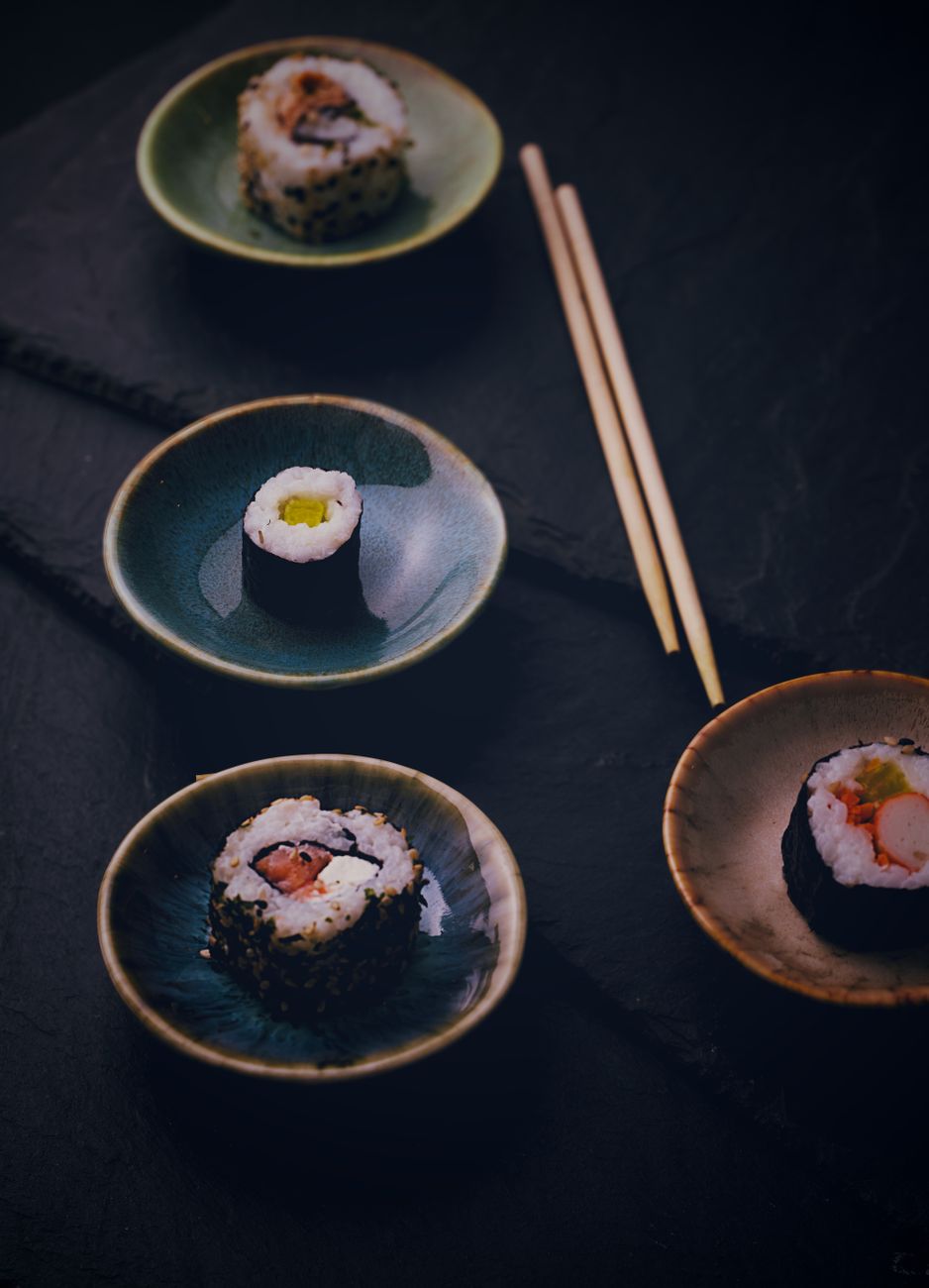
Come December, those same kitchens retire the summer dishes entirely. Out come the thick-walled bowls in amber, rust, deep forest green. Stoneware from Bizen or Shigaraki, with surfaces that feel almost like river stones. The clay itself holds heat longer — a yunomi tea cup becomes a hand warmer. Glazes turn earthy: persimmon, iron-black, the mottled brown called ame-yu (candy glaze).
The aesthetic shifts, too. Motifs of plum blossoms anticipating spring. Snowflakes. Cranes. Gold accents that catch candlelight during the long evenings. The weight of the bowl in your palm feels intentional, grounding.
Spring and autumn: the in-between moments
Transitional seasons get their own vocabulary in tableware. Spring calls for sakura cherry blossom patterns, yes — but also soft pinks, fresh greens, and a return to moderate ceramic thickness. The dishes feel neither heavy nor insubstantial. They're waking up.
Autumn is perhaps the most visually complex season in Japanese tableware:
- Momiji (maple leaves) in red and gold glazes
- Harvest moon imagery on serving plates
- Chrysanthemums, persimmons, and ginkgo motifs
The clay weight increases slightly. Colors deepen. There's a tenderness to autumn tableware, an acknowledgment that beauty and melancholy arrive together.
The knowledge lives in the hands
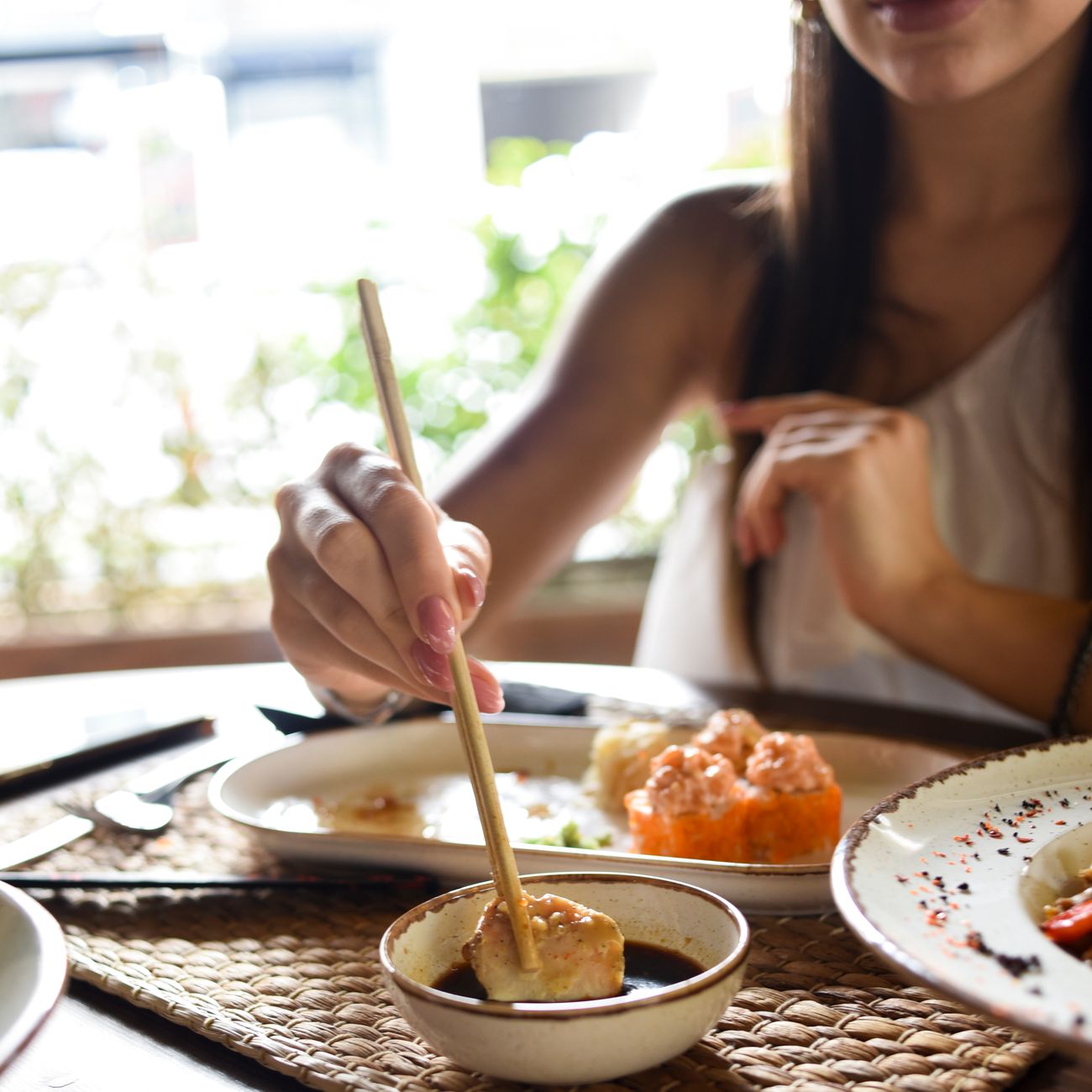
This seasonal rotation isn't written in rulebooks — it's transmitted through touch and repetition. A grandmother teaching a grandchild which bowl to use in which month. A ceramic artist timing a kiln firing so new work arrives in shops precisely when households begin thinking about the next season.
It requires owning more dishes, certainly. But it also requires something modern life often rushes past: the attentiveness to notice that the air has changed, and to respond with your hands.
In a culture where the word for "now" (ima) and the word for "moment" (shunkan) both carry the implication of impermanence, even a rice bowl becomes a way to practice presence. You use the winter dish in winter because winter won't wait — and neither will you.
The seasons turn. The cupboard turns with them.
FAQ
Chaware curates authentic Japanese crafts — straight from the makers in Japan to your table.
Explore the Chaware collection →