How Setsubun Marks the Seasonal Turning Point in Japan
On this page
The crack of roasted soybeans hitting a doorframe. The laughter of children chasing imagined demons through the house. In early February, Japan pauses to acknowledge something most modern calendars ignore: the breath between winter and spring.
When the calendar bends
Setsubun doesn't fall on the same date each year. Usually February 3rd, sometimes the 2nd or 4th — it floats because it isn't tied to the Gregorian grid. Instead, it marks Risshun, the first day of spring in the old lunar calendar. The name itself tells you everything: setsu (season) and bun (division). A hinge day. A threshold.
For centuries, Japanese households treated this moment with the seriousness it deserved. Seasonal transitions were considered spiritually vulnerable times when malevolent forces could slip through the cracks. Setsubun became the day to seal those cracks shut.
Throwing beans at invisible things
Walk through any neighborhood on Setsubun evening and you'll hear it: "Oni wa soto! Fuku wa uchi!" — "Demons out! Fortune in!" Families throw roasted soybeans out their doors and windows, then toward the darker corners inside. The oni being expelled aren't cartoon villains. They're bad luck, illness, misfortune — everything you don't want carried into the new season.
Why beans? Soybeans were believed to contain purifying power, and the word for bean (mame) sounds like the word for demon-destroying. But there's also something satisfyingly physical about it. You're not passively hoping for good luck. You're actively throwing last year's heaviness out the door.
After the throwing, you eat one bean for each year of your life, plus one more for the year ahead. It's a small, crunchy prayer.
The demon who stands at the door
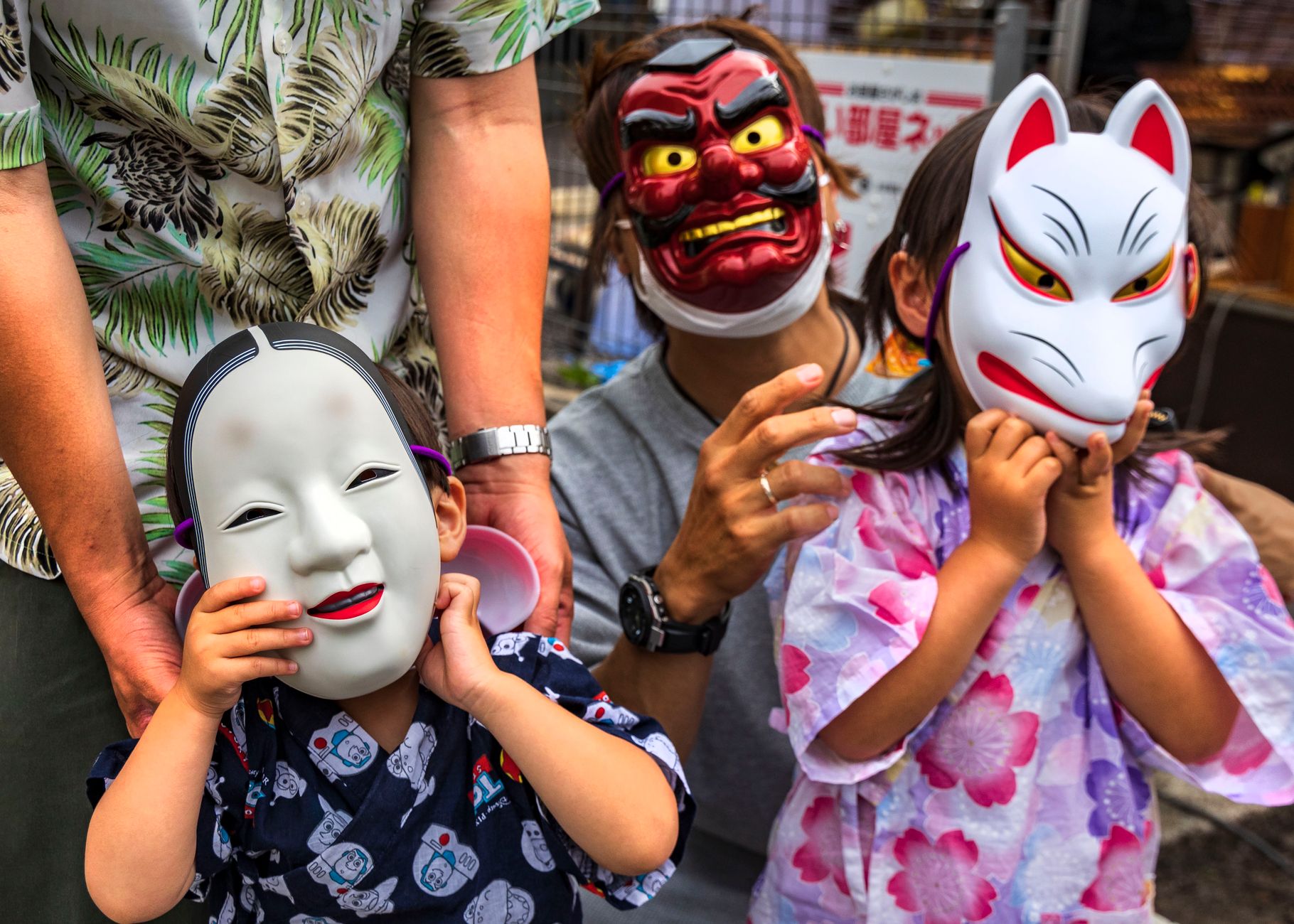
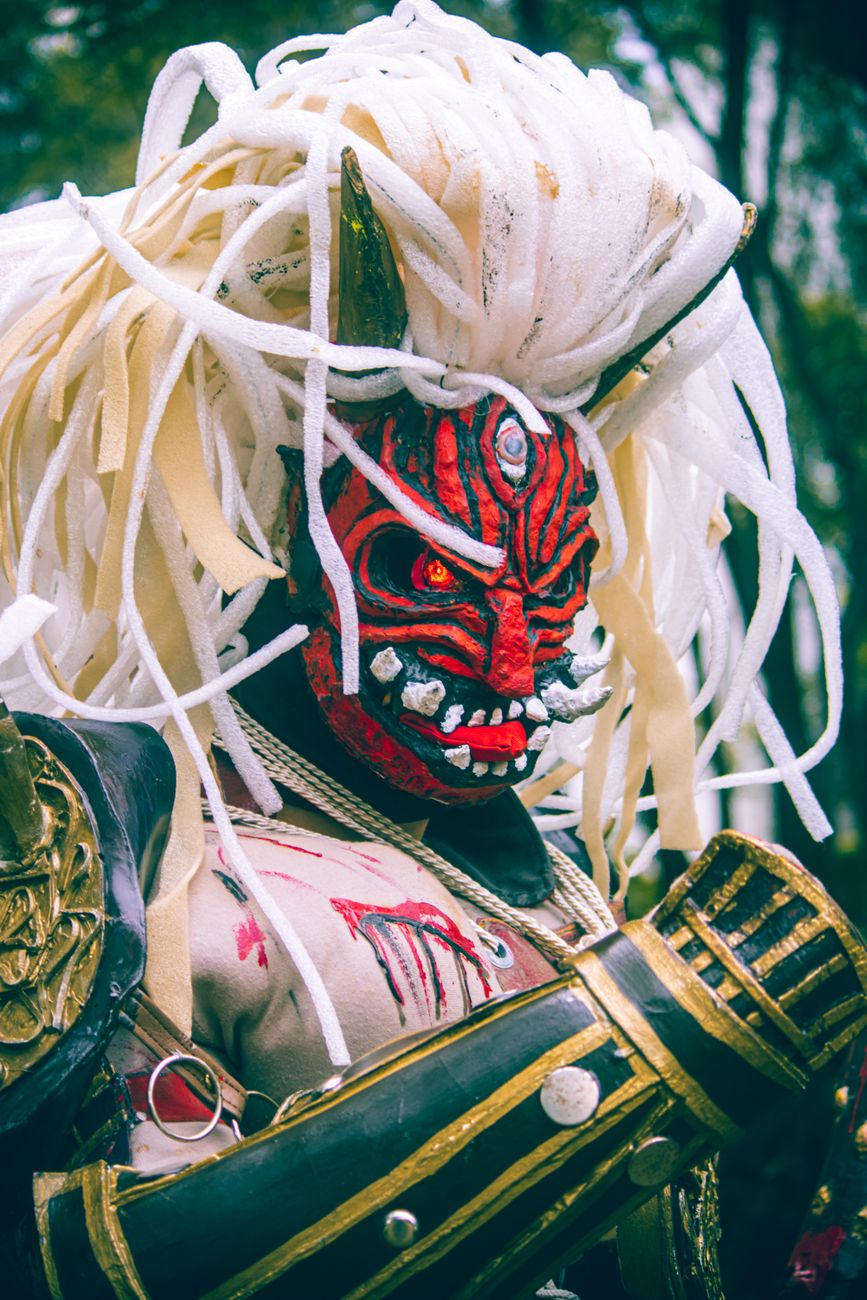
In some households and temples, someone dons an oni mask — wild-haired, horned, fierce-faced — and plays the part of chaos itself. Children shriek and throw beans with gleeful aggression. The demon stumbles backward, defeated by legumes and laughter.
Setsubun asks you to name what you're leaving behind before you step forward.
It's theater, yes. But it's also rehearsal. The ritual gives shape to an abstract idea: that you have agency over what enters your space, your year, your life.

What the modern world forgot
Most contemporary calendars pretend the seasons flip like light switches — December 21st, March 20th, neat and mathematical. Setsubun remembers something older: that transitions are their own distinct moment, deserving attention and ceremony. Not winter. Not yet spring. The between.
In a culture often described as obsessed with precision and order, Setsubun reveals something else — a recognition that time is not a straight line but a spiral, that every ending contains a beginning, and that sometimes the most practical thing you can do is throw beans at the darkness.
The soybeans swept from doorways the next morning aren't trash. They're evidence that someone paused, acknowledged the turning, and chose what comes next.
FAQ
Chaware curates authentic Japanese crafts — straight from the makers in Japan to your table.
Explore the Chaware collection →