What Makes Nishio Matcha Distinctive: Aichi's Green Tea Heritage
On this page
The best matcha in Japan doesn't come from Kyoto. It comes from a quiet corner of Aichi Prefecture, where the Yahagi River feeds fields that have perfected one thing for over seven centuries.
The tea that grows in shadows
Nishio sits just inland from Nagoya, where the wide, slow Yahagi River creates pockets of morning mist that cling to the fields long after sunrise. This isn't poetic accident—it's geography as destiny. The river's moisture, the region's clay-rich soil, and the particular angle of light filtering through coastal fog create conditions that matcha farmers elsewhere try to replicate but never quite match.
Nishio matcha accounts for roughly 20% of Japan's entire matcha production, more than any other region. But volume alone doesn't explain its reputation.
What makes Nishio distinct is the obsessive focus on tencha—the shade-grown leaf that becomes matcha. While other regions diversify across tea types, Nishio's farmers have spent generations refining a single craft: coaxing maximum umami from leaves that never see direct sun.
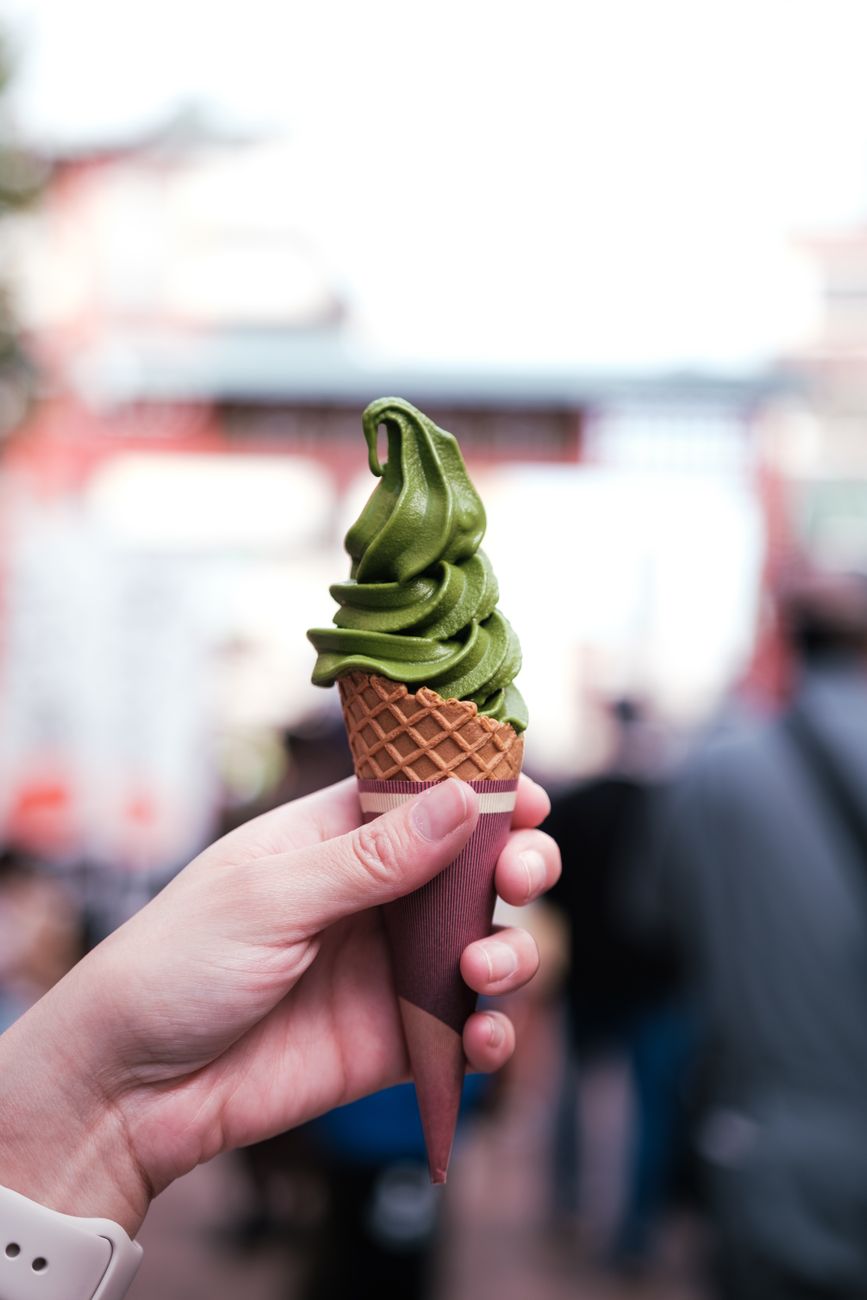
Darkness as a flavor
Three weeks before harvest, farmers drape the fields in shaded canopies. Not the traditional rice-straw honzu coverings you see in Uji, but modern synthetic nets calibrated to block exactly 90-95% of sunlight. The precision matters.
Deprived of light, the tea plant panics gently. It floods its leaves with chlorophyll, desperately trying to photosynthesize. Amino acids—especially L-theanine—concentrate. Bitterness-causing catechins stay low. The result is that characteristic matcha sweetness, the creamy umami that coats your tongue before the subtle astringency arrives.
In Nishio, shade isn't a technique—it's a philosophy written into the landscape.
The region's clay soil holds moisture without waterlogging, keeping roots cool even as spring temperatures rise. This steady hydration lets the shaded leaves grow plump and tender, ideal for the stone-milling that comes later.
The difference you can taste
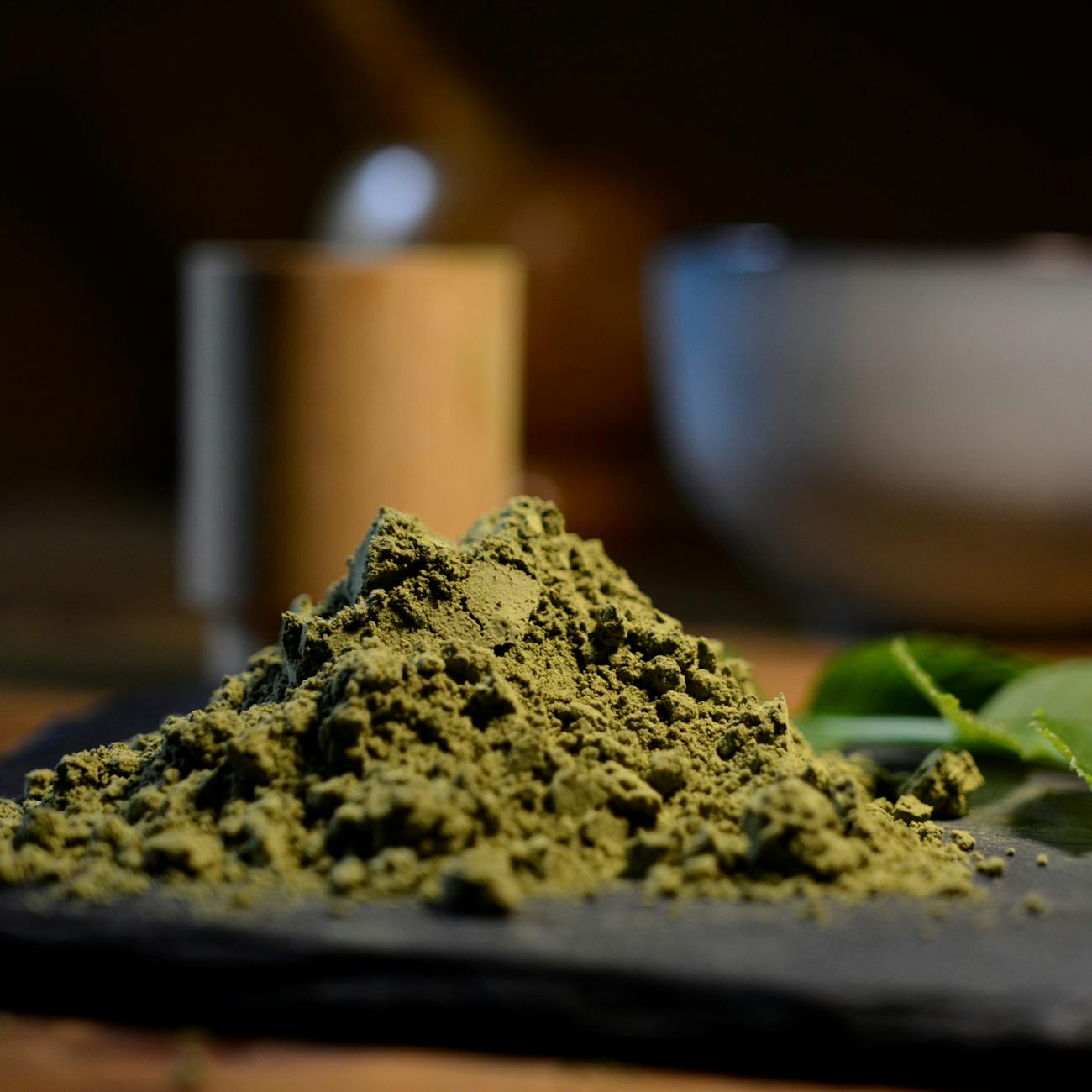
Pour Nishio matcha and notice the color first—a luminous, almost neon green that comes from pure chlorophyll concentration. Inferior matcha looks yellowish or dull; Nishio's best grades glow.
The flavor arrives in layers: - Initial sweetness, almost like steamed edamame - A round, brothy umami that fills the middle of your palate - A clean finish with barely any bitterness, even when whisked thick as koicha
This is ceremonial grade matcha at its most refined. The kind that doesn't need sugar, doesn't hide in lattes, doesn't apologize for being itself.
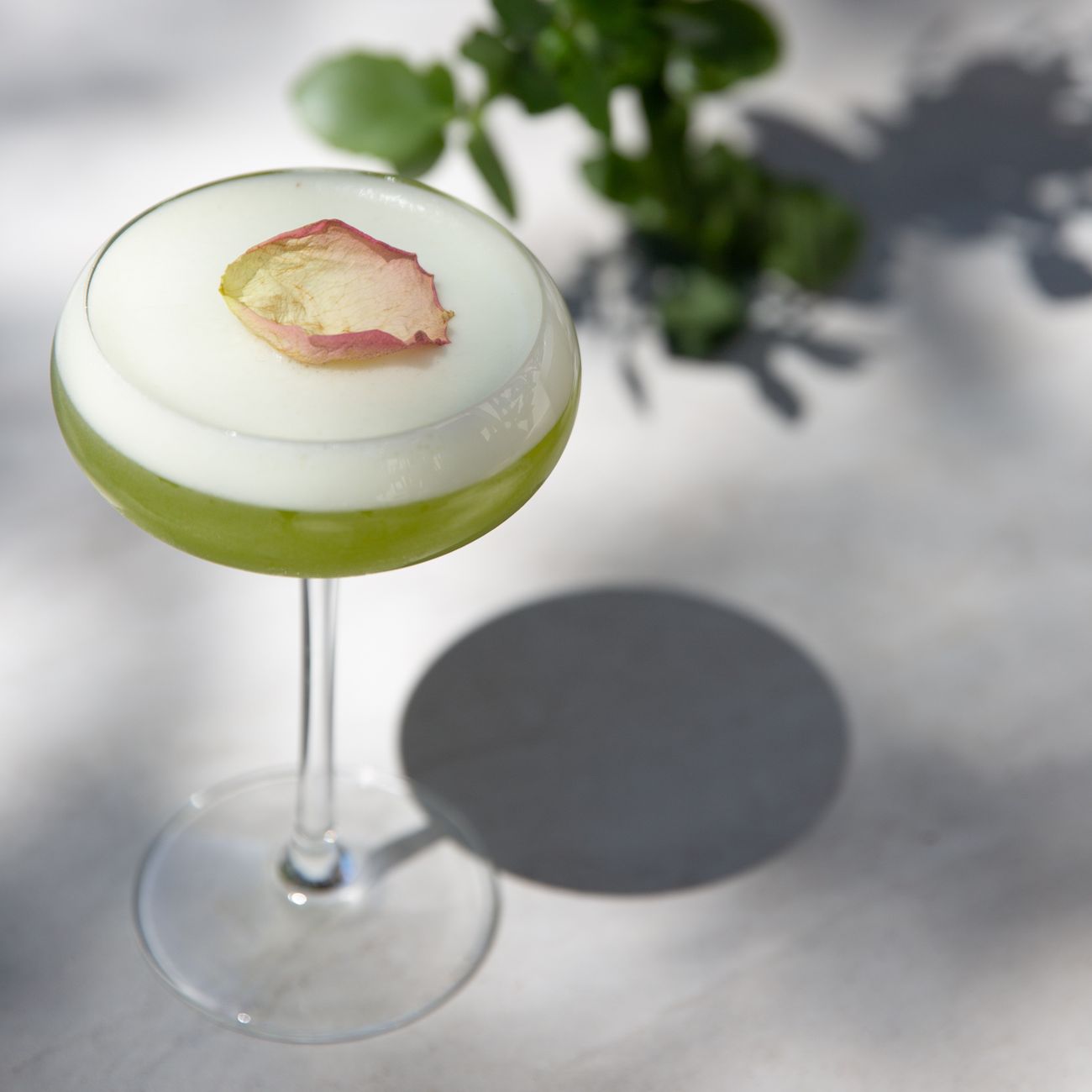
What tradition looks like now
Nishio's tea farms aren't museum pieces. Walk through the fields in April and you'll see GPS-guided shade structures, soil sensors monitoring moisture levels, and temperature-controlled processing facilities that would make a tech startup envious. Innovation in service of tradition.
The stone mills still turn at 30 revolutions per minute—the speed that prevents heat damage and preserves flavor. That part hasn't changed in centuries. But the farmers selecting which leaves enter those mills now use spectroscopy to measure amino acid content before harvest.
This is Japanese craft in its truest form: honoring the essential while perfecting everything around it.
The river still floods the fields with morning mist. The shade still coaxes sweetness from the leaves. And somewhere in Nishio, a farmer is tasting this year's first harvest, deciding if it's worthy of the name.
FAQ
Chaware curates authentic Japanese crafts — straight from the makers in Japan to your table.
Explore the Chaware collection →