How to Find Your Ikigai: A Practical Guide to the Japanese Philosophy of Purpose
On this page
You wake up, and the question sits there at the edge of the bed: What am I doing this for?
The Japanese have a word that doesn't translate neatly, and maybe that's the point. Ikigai (生き甲斐) — literally "a reason for being" — isn't a goal you achieve or a career you land. It's the thing that makes you get up in the morning, the hum beneath your days. Not purpose as pressure, but purpose as presence.
And no, you don't find it on a mountaintop.
The intersection nobody told you about
Ikigai sits at the crossroads of four questions, and the framework is deceptively simple. What do you love? What are you good at? What does the world need? What can you be rewarded for?
The magic — and the difficulty — is in the overlap.
In Okinawa, where the concept has deep roots and where people live unusually long lives, ikigai isn't some grand mission statement. It's often small. Tending a garden. Teaching neighborhood kids to weave baskets. The morning walk to buy tofu. One elderly fisherman, when asked his ikigai, gestured to the sea and said he liked to watch it change.
Ikigai isn't something you chase — it's something you notice you're already doing.
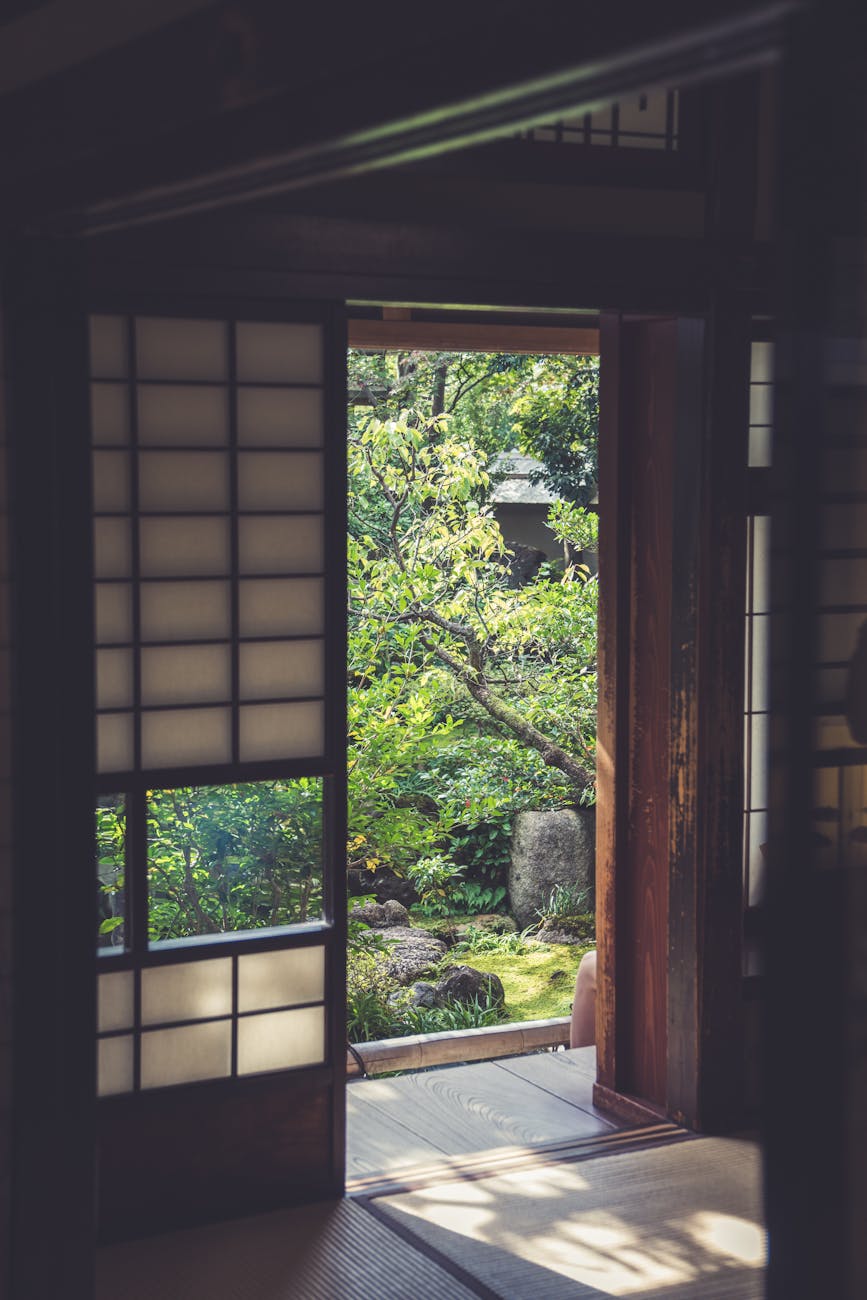
Start with what makes you forget time
Forget the spreadsheets for a moment. Close your eyes and ask: when do you lose track of the hours?
Maybe it's when you're explaining something you love to someone who's curious. Maybe it's arranging objects on a table until the composition feels right. Maybe it's the rhythm of chopping vegetables, the knife finding its own pace.
The Japanese idea here isn't about monetizing your passion or hustling your hobby into a side business. It's about paying attention to the activities that feel like breathing — effortless, essential, alive.
Write them down. Not as goals. As observations.
The practice of subtraction
Here's where Western productivity culture gets it backwards. We're taught to add: more skills, more credentials, more value propositions. Ikigai works the other way.
It asks you to subtract. What can you let go of? Which "shoulds" are someone else's voice? What are you doing out of fear rather than alignment?
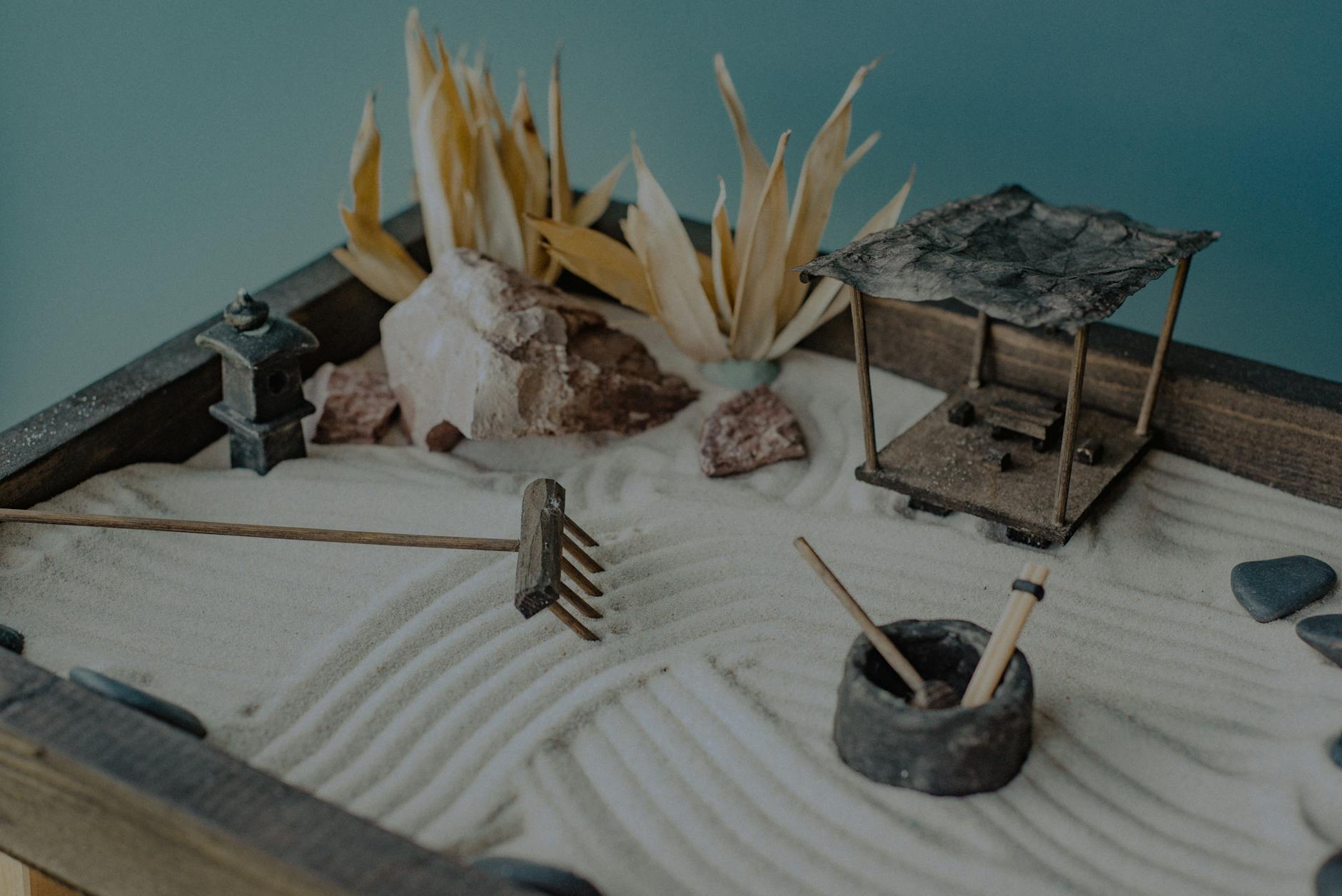
In traditional Japanese aesthetics — whether in a tea ceremony or a single flower in a tokonoma alcove — power comes from what you leave out. The same applies here. Your ikigai becomes visible not when you pile on more, but when you clear away what never belonged.
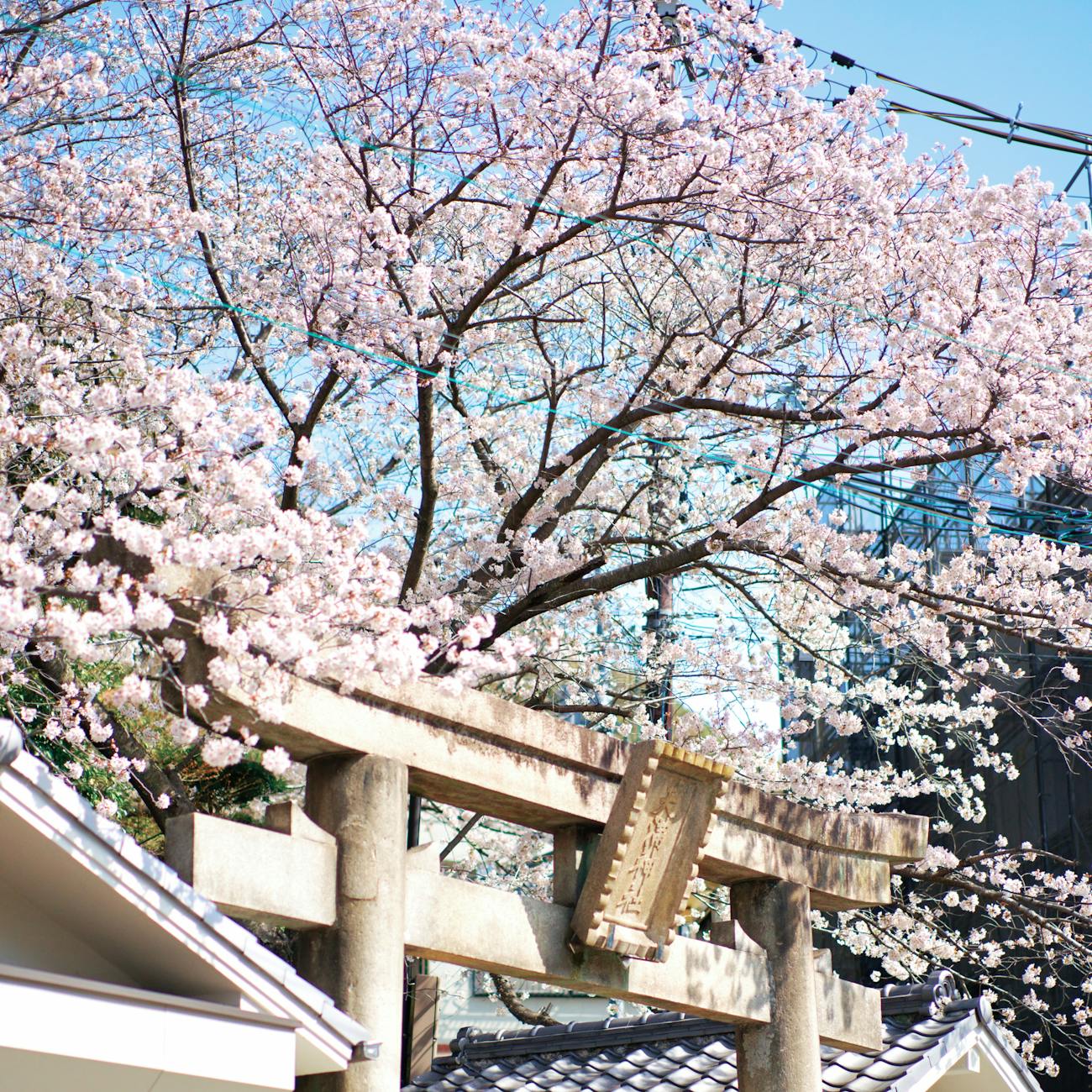
It shifts as you do
One more thing the self-help books won't tell you: your ikigai isn't fixed.
The potter who spent decades perfecting celadon glazes might find, at seventy, that her ikigai has shifted to teaching young apprentices. The salaryman who climbed the corporate ladder might discover, after retirement, that his reason for being is making soba noodles by hand on Sunday mornings for his grandchildren.
This isn't failure. It's life.
Ikigai is less about finding the one true answer and more about staying curious enough to notice when the answer changes. It's a conversation with yourself that never really ends — and that's not a problem to solve.
It's the whole point.
FAQ
Chaware curates authentic Japanese crafts — straight from the makers in Japan to your table.
Explore the Chaware collection →