Understanding the Ikigai Diagram: The Four Pillars of Purpose in Japanese Philosophy
On this page
You've probably seen the Venn diagram—four circles overlapping into a sweet spot at the center. But ikigai isn't a productivity hack invented by a LinkedIn guru. It's a Japanese concept with roots far deeper than any infographic can capture.
The diagram that went viral? It's a Western interpretation. Useful, perhaps—but it flattens something quietly profound into career advice. The real ikigai, the one whispered in Okinawan kitchens and temple gardens, asks a different question: not what should I do for a living, but what makes life worth waking up to?
The circles aren't equal partners
The four-circle model divides life into tidy quarters: what you love, what you're good at, what the world needs, what you can be paid for. Neat. Logical. Very un-Japanese.
In Japan, ikigai doesn't demand you monetize your joy. An elderly woman tending her morning garden, a grandfather perfecting his calligraphy—these are ikigai in motion, and neither requires a business plan. The Western diagram imposes a capitalist frame: your purpose must also be your paycheck.
The original concept makes no such demand.
Small pleasures, not grand missions
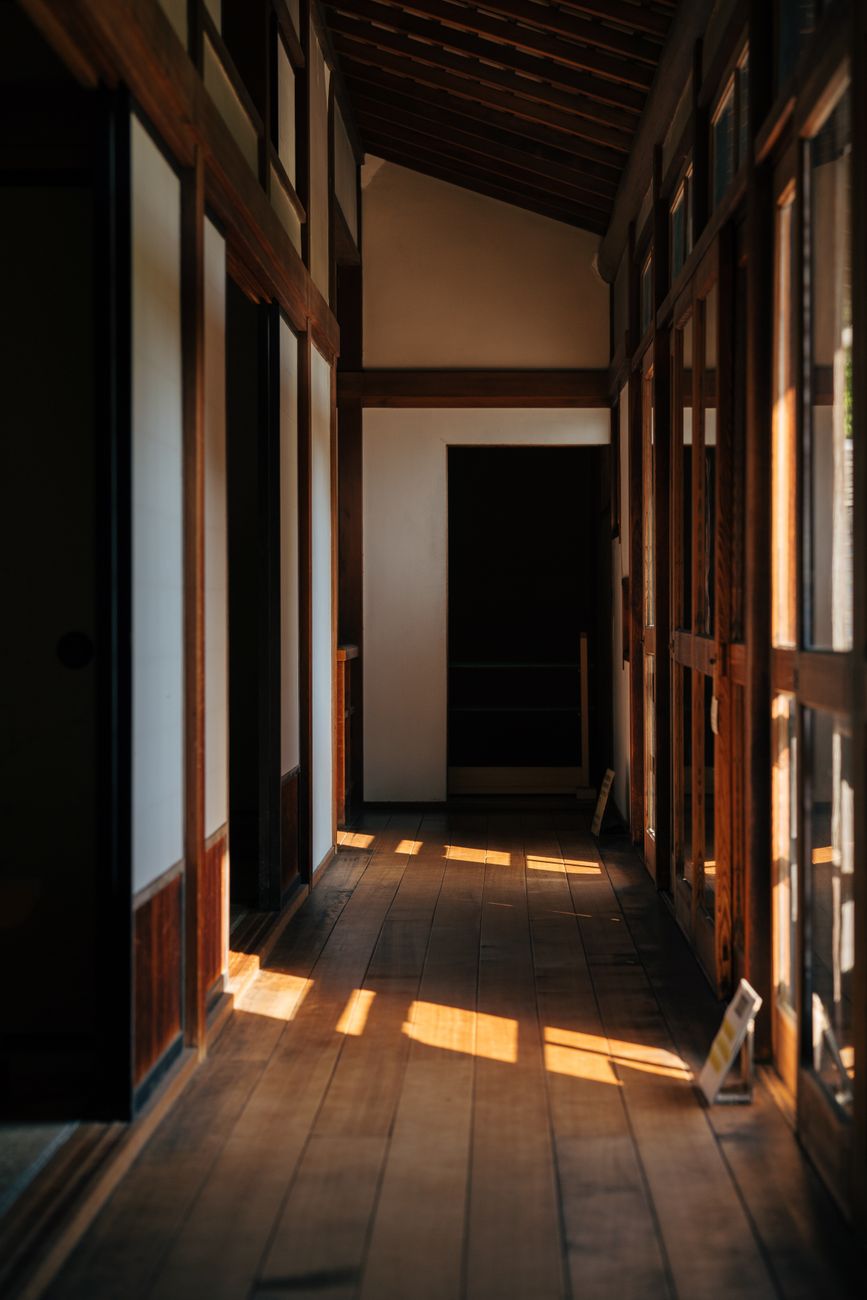
Ask someone in Okinawa—one of the world's Blue Zones, where people live past 100 with startling regularity—about their ikigai, and you might hear: "My morning walk." "Teaching my grandson to tie knots." "The way sunlight hits the shoji screen at 3 p.m."
Ikigai lives in the grain of daily life, not the highlight reel.
These aren't Instagram captions. They're the accumulated texture of a life lived with attention. Ikigai doesn't announce itself with fireworks; it hums quietly beneath routine. It's less about discovering one grand purpose and more about weaving meaning into the hours you already have.
The four pillars—love, skill, need, reward—aren't boxes to check. They're currents that flow through a life, sometimes converging, sometimes not. And that's fine.
What the diagram gets right (and wrong)
The Western model does capture something true: fulfillment blooms where passion meets contribution. When what you do well also serves others, something clicks. That intersection matters.
But the diagram insists all four circles must overlap. Real ikigai is less rigid:
- What you love might be entirely private—a secret joy that fuels you without audience or income.
- What the world needs doesn't always align with your talents, and forcing it can breed resentment, not purpose.
- What you can be paid for may shift with economies, age, circumstance—tying your reason for being to market demand is fragile ground.
The Japanese approach is softer, more forgiving. Your ikigai today might be your vegetable garden. Tomorrow, it might be mentoring a neighbor's child. It can be small. It can change. It doesn't need to be your job title.
The question beneath the question
The four-pillar framework asks: What should I pursue?
Traditional ikigai asks: What makes this moment worth inhabiting?
One is about optimization. The other is about presence. One points toward achievement; the other toward aliveness. Both have value—but they're not the same conversation.
In a culture obsessed with scaling, hustling, and building legacy, ikigai offers permission to find meaning in what doesn't scale: the ceramic cup warming your hands, the friend who texts on Tuesdays, the skill you practice badly but love anyway.
The diagram gave us a map. But ikigai was never about arriving—it's about noticing you're already here.
FAQ
Chaware curates authentic Japanese crafts — straight from the makers in Japan to your table.
Explore the Chaware collection →