How Japanese Calligraphy Reflects The Mind: The Art of Shodo
On this page
The brush meets paper. A pause. Then motion—fluid, irreversible, complete.
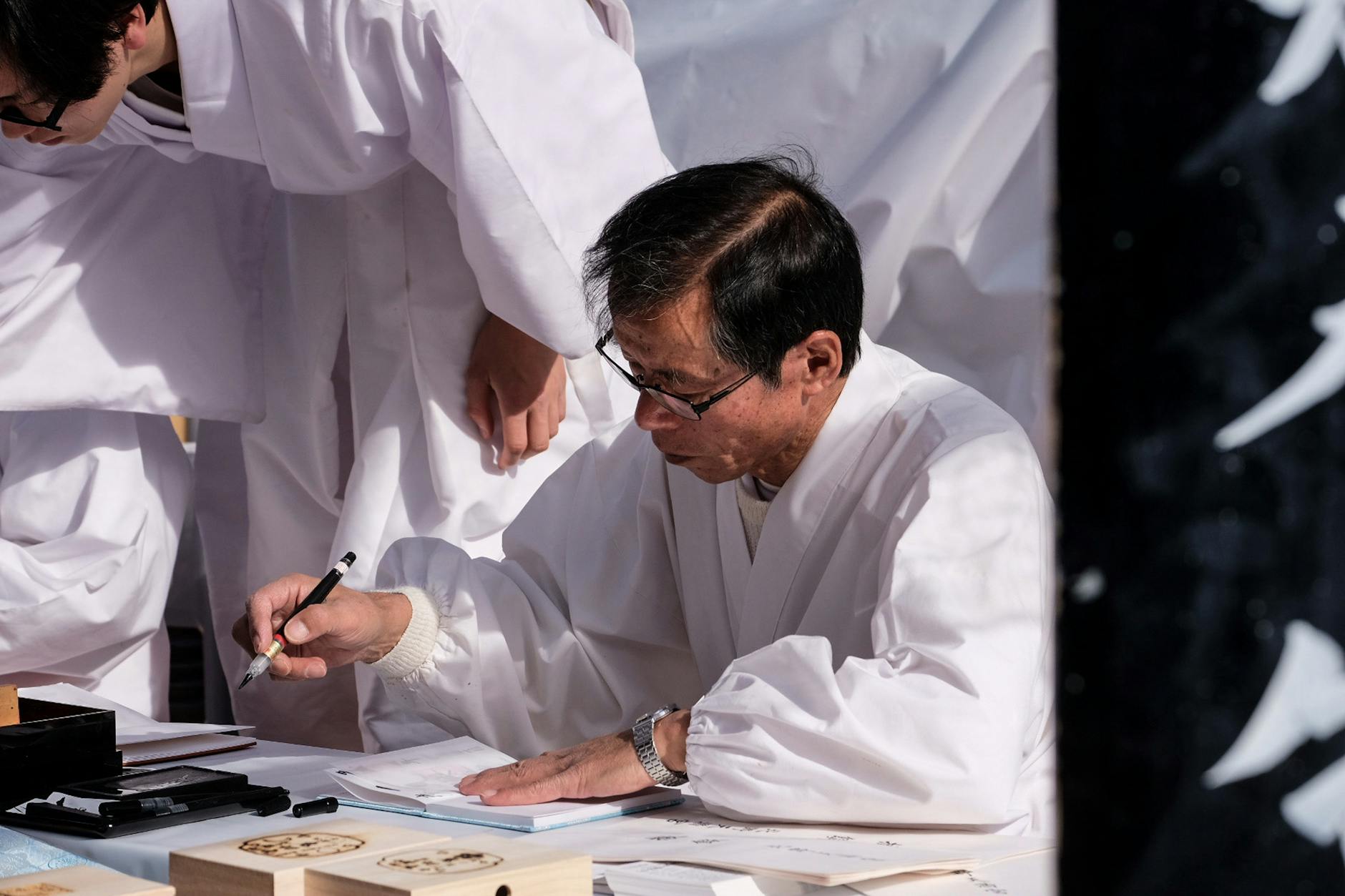
In that single stroke, shodo (書道), the art of Japanese calligraphy, reveals something most art forms conceal: the mind of its maker. There are no second chances, no erasures, no hiding behind revision. What you see is what was felt, thought, and breathed in that exact moment.
The ink knows when you hesitate
Western calligraphy prizes consistency and perfection. Japanese calligraphy prizes truth.
When a calligrapher's hand trembles with doubt, the ink pools unevenly. When the mind races ahead of the brush, the stroke thins and breaks. When breath flows steady and intention is clear, the line moves like water finding its course. The paper becomes a seismograph of the inner state.
Sumi ink—made from compressed soot and glue, ground fresh against a stone—requires preparation that itself becomes meditation. The repetitive circular grinding, the gradual darkening of water, the scent of pine soot rising. By the time you lift the brush, the ritual has already begun to quiet the noise.
One character, ten thousand moods
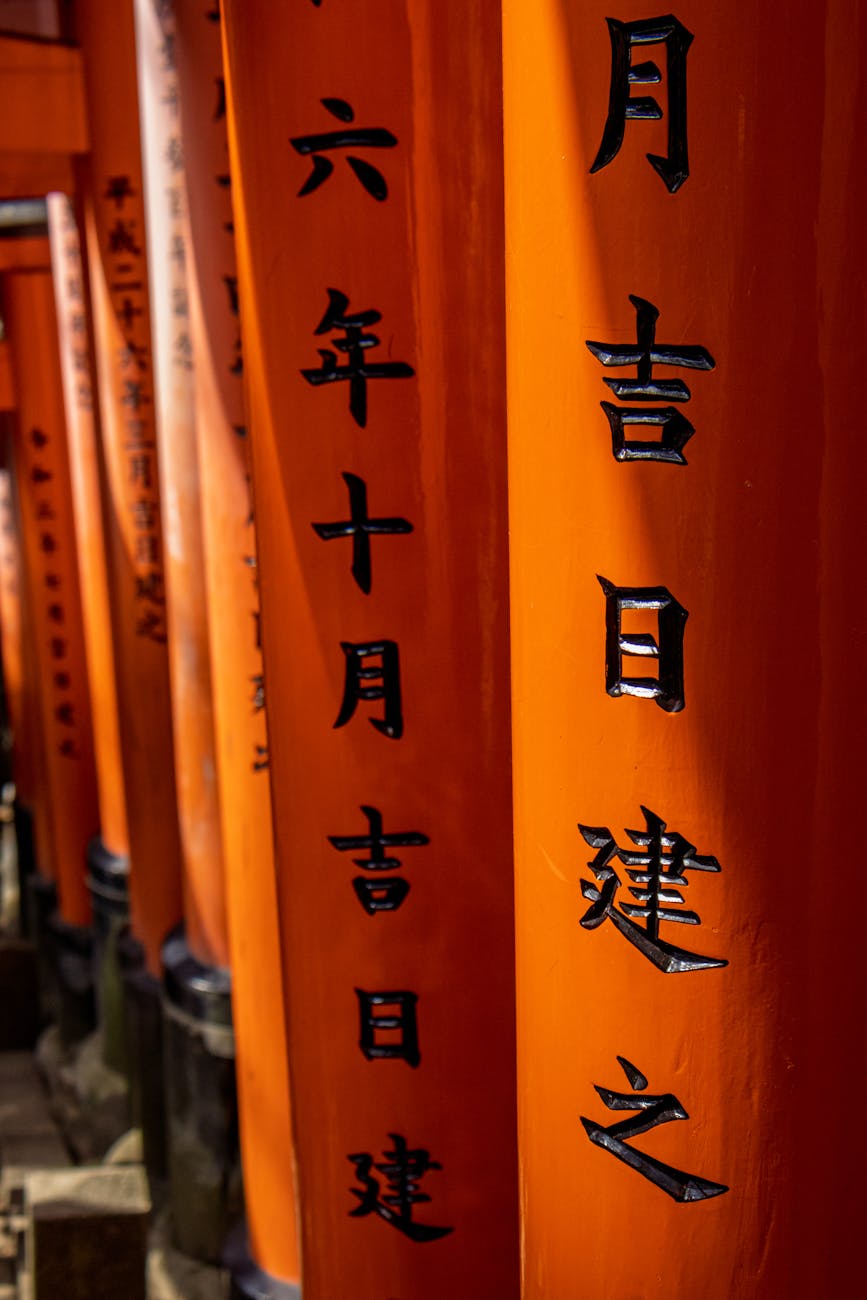
The character 心 (kokoro—heart, mind, spirit) appears simple: four strokes forming something like a seedling or a flame.
But watch ten calligraphers write it and you'll see ten different truths. One renders it with bold, grounded strokes—stability, resolve. Another lets the lines dance and taper—lightness, perhaps joy. A third presses hard then releases, the ink bleeding into fiber—intensity giving way to softness.
The same character becomes a mirror, reflecting not what the word means, but what the writer carries.
This isn't about style or school, though those exist. It's about ki (気)—the vital energy, the life force that moves through the body and into the brush. You can't fake it. The ink is ruthlessly honest.
Empty mind, full brush
Zen Buddhism and shodo grew up together in Japan, sharing a central paradox: mastery comes through surrender.
Students spend years copying classical texts, internalizing the structure of each stroke, the balance of space and form. Thousands of repetitions until muscle remembers what mind once labored to learn. Then—only then—can you forget the rules.
The goal isn't technical perfection. It's mushin (無心), "no-mind," the state where thinking stops and pure presence takes over. The brush moves before you decide to move it. The character appears complete before you knew what you would write.
Athletes call it flow. Calligraphers call it the moment when self gets out of the way.
What remains on paper
In a digital age of undo buttons and infinite revision, shodo offers something increasingly rare: evidence of a single, unrepeatable moment.
Each piece of calligraphy is a timestamp of consciousness. The quality of attention. The depth of breath. Whether you sat down angry or grateful, scattered or centered, afraid or free. All of it transfers through horsehair bristles into permanent record.
This is why calligraphy still hangs in Japanese homes, why it's practiced in schools, why the new year begins with kakizome—the first writing. Not because the characters themselves hold magic, but because the act of making them demands you become, briefly, entirely yourself.
The brush meets paper. What happens next is never quite the same twice.
FAQ
Chaware curates authentic Japanese crafts — straight from the makers in Japan to your table.
Explore the Chaware collection →