Sumi-e: The Timeless Art of Japanese Ink Painting
On this page
A single brushstroke—black ink on white paper—and suddenly, a bamboo stalk bends in the wind. There's no going back, no erasing, no second chance.
This is sumi-e, the centuries-old Japanese art of ink painting where less becomes infinitely more.
The courage of a single stroke
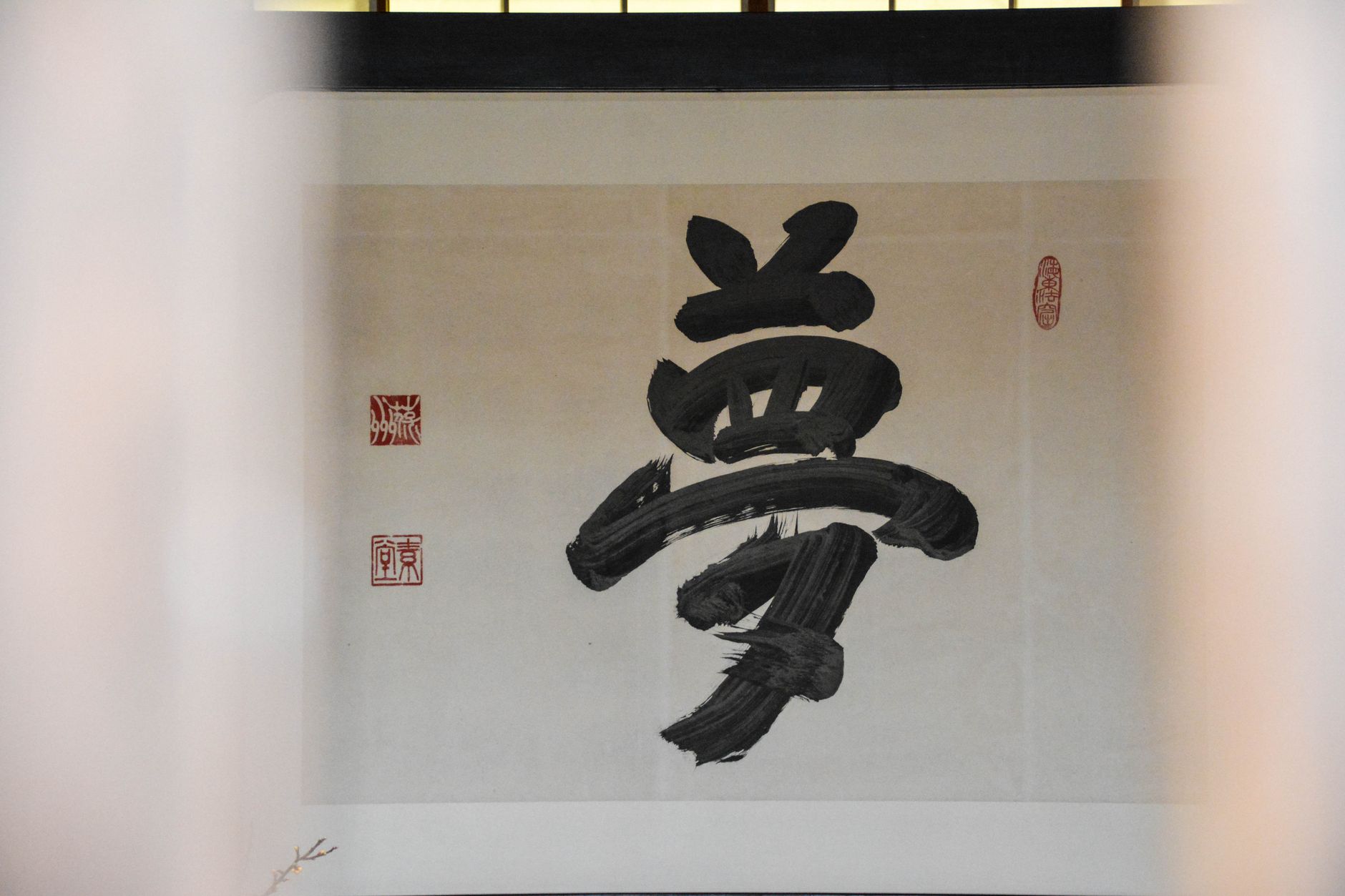
Sumi-e (literally "ink picture") doesn't allow hesitation. You grind solid ink against a stone with water, load your brush, and commit. The moment bristles touch paper, the ink blooms and spreads. Too much pressure and the line drowns. Too little and it whispers into nothing.
Masters spend years learning to breathe with their brush. Each stroke is both decisive and surrendered—a paradox that sits at the heart of Zen Buddhism, which shaped sumi-e during Japan's Muromachi period when monks brought the practice from China and made it distinctly Japanese.
The art form asks a question: what can you say with almost nothing?
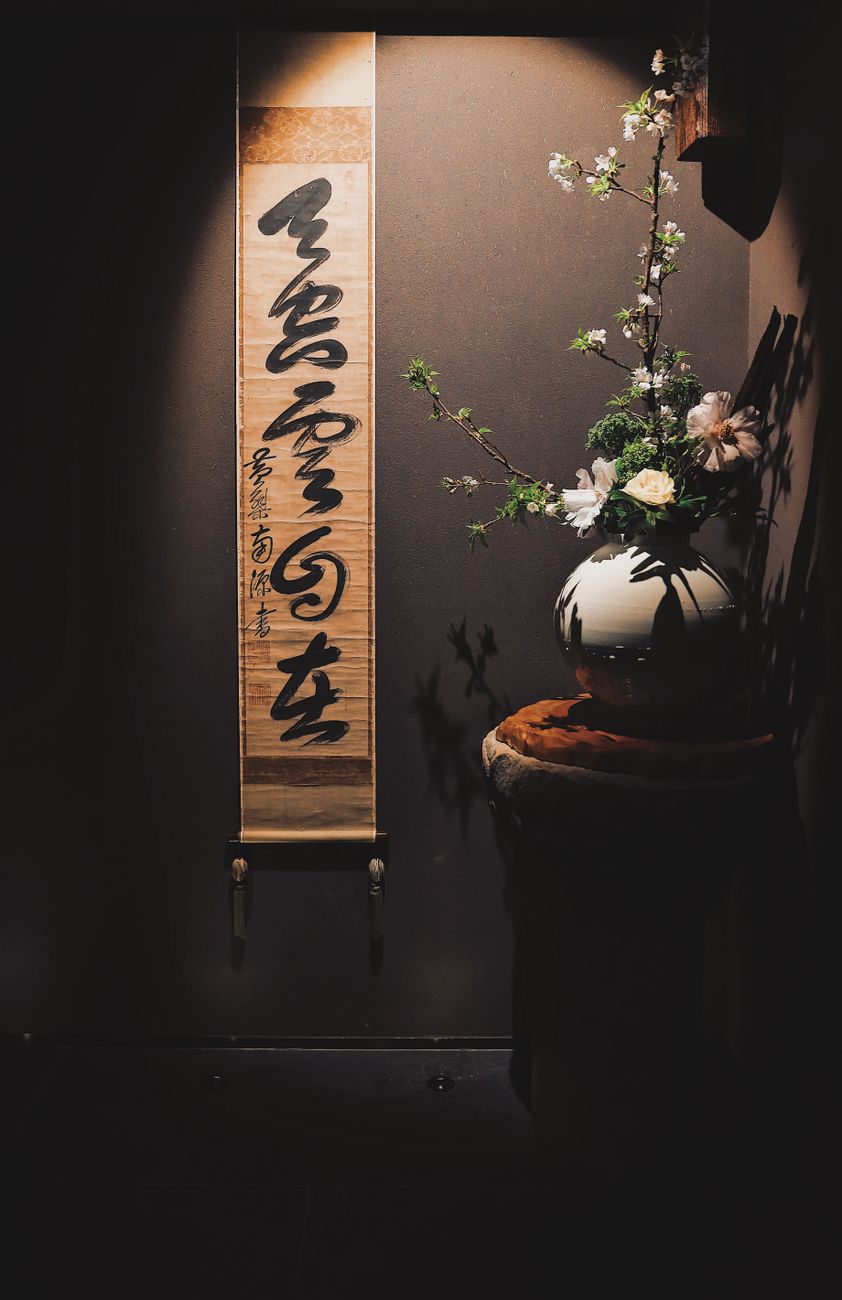
What you leave out matters more
Walk through a sumi-e painting and you'll notice the empty space—ma, the Japanese concept of meaningful void—takes up most of the composition. A few strokes suggest a mountain. Three quick marks become a bird in flight. The mist, the distance, the air between branches? That's left to pure white paper.
This isn't laziness. It's philosophy rendered visible.
In sumi-e, emptiness isn't absence—it's where imagination breathes.
The viewer completes the painting. Your mind fills the spaces, projects the weight of snow on a pine branch, hears the rustle of leaves that exist only as negative space. Western painting often seeks to show you everything; sumi-e trusts you to see what isn't there.
Four treasures and infinite patience
Traditional sumi-e requires the Four Treasures of the Study: brush, ink stick, inkstone, and paper. Before painting, you grind the solid sumi ink stick against a wet stone—a meditative act that can take fifteen minutes. The darkness deepens gradually. You're not just preparing materials; you're preparing your mind.
The brushes are soft, often made from animal hair, designed to hold water and respond to the subtlest shift in pressure. Washi paper, absorbent and unforgiving, records every tremor of your hand. There are no preliminary sketches in classical sumi-e. No pencil guidelines. Just breath, brush, and the willingness to begin.
Learning to see before you paint
Sumi-e masters traditionally studied a subject—a branch of plum blossoms, a carp, a spray of orchids—for months before attempting to paint it. Not by staring, but by internalizing its essential nature. How does bamboo move? Where does a sparrow hold its weight?
The goal isn't photographic accuracy. It's capturing ki, the life force or spirit of the subject, in the fewest possible marks. A sumi-e orchid doesn't look exactly like a photograph of an orchid. But somehow it feels more alive, more essentially orchid, than any botanical illustration.
Beginners often learn through copying the works of masters—not to plagiarize, but to inhabit someone else's understanding until your own emerges. It's calligraphy's cousin, where repeated practice trains not just your hand but your perception.
The ink that won't wait
Stand before blank paper with loaded brush and you'll understand: sumi-e is less about control than about readiness. The ink won't wait. The moment arrives. And in that instant between breath and mark, you either trust what your practice has prepared, or you don't.
The painting happens in the space before thought.
FAQ
Chaware curates authentic Japanese crafts — straight from the makers in Japan to your table.
Explore the Chaware collection →