Why All of Japan Celebrates Under Cherry Blossoms: The Heart of Hanami
On this page
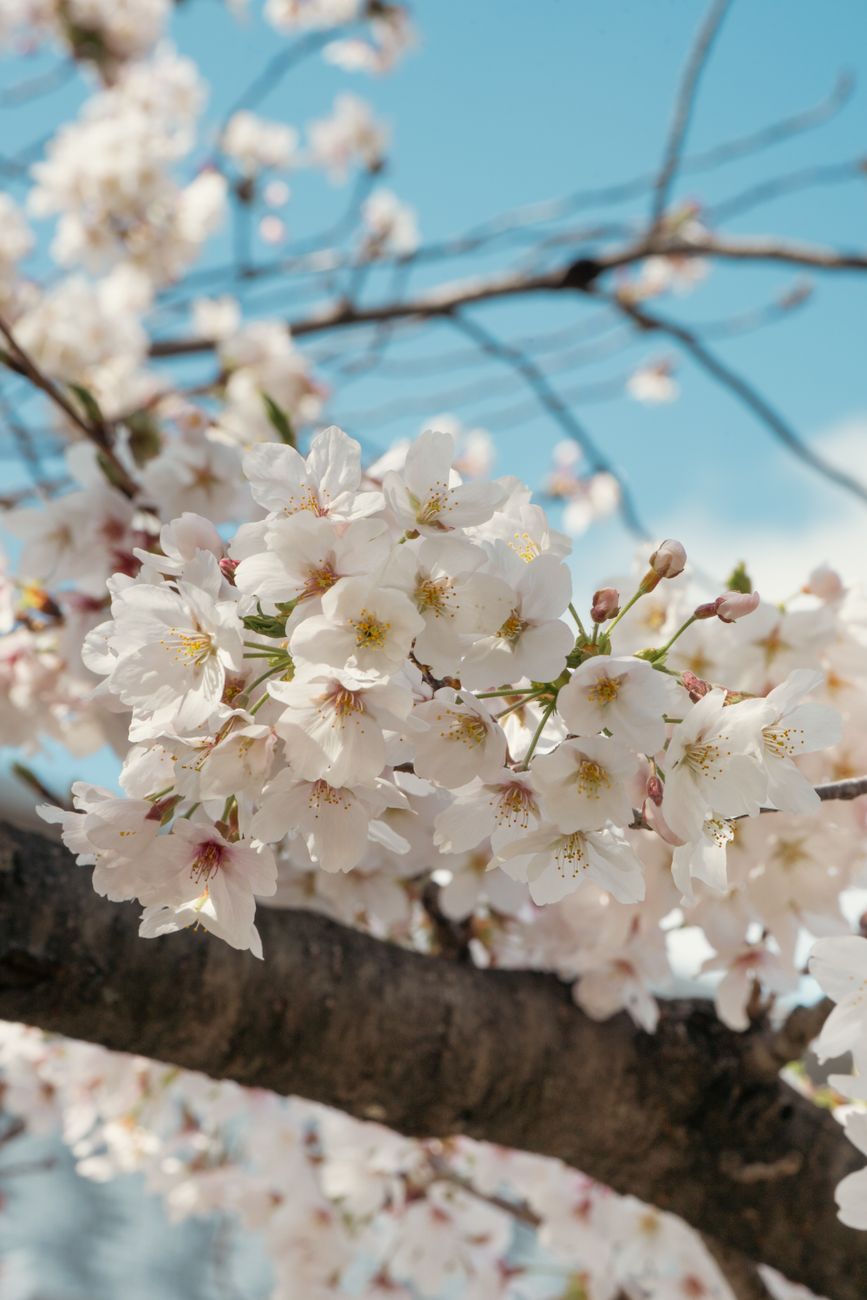
Every spring, millions of people in Japan abandon their routines, pack lunch boxes, and sit on the ground beneath flowering trees. Not for a festival. Not for a concert. Just to be under blossoms.
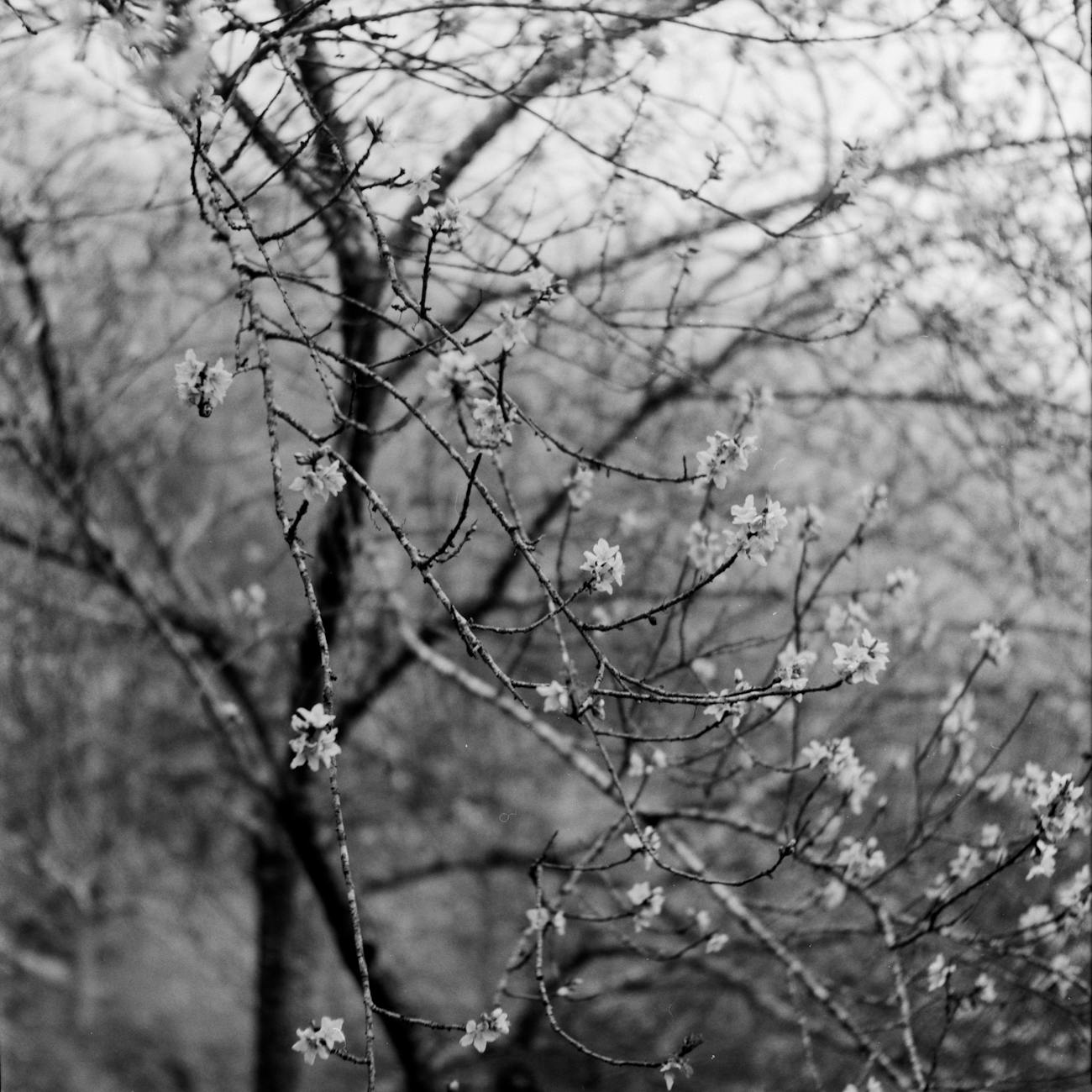
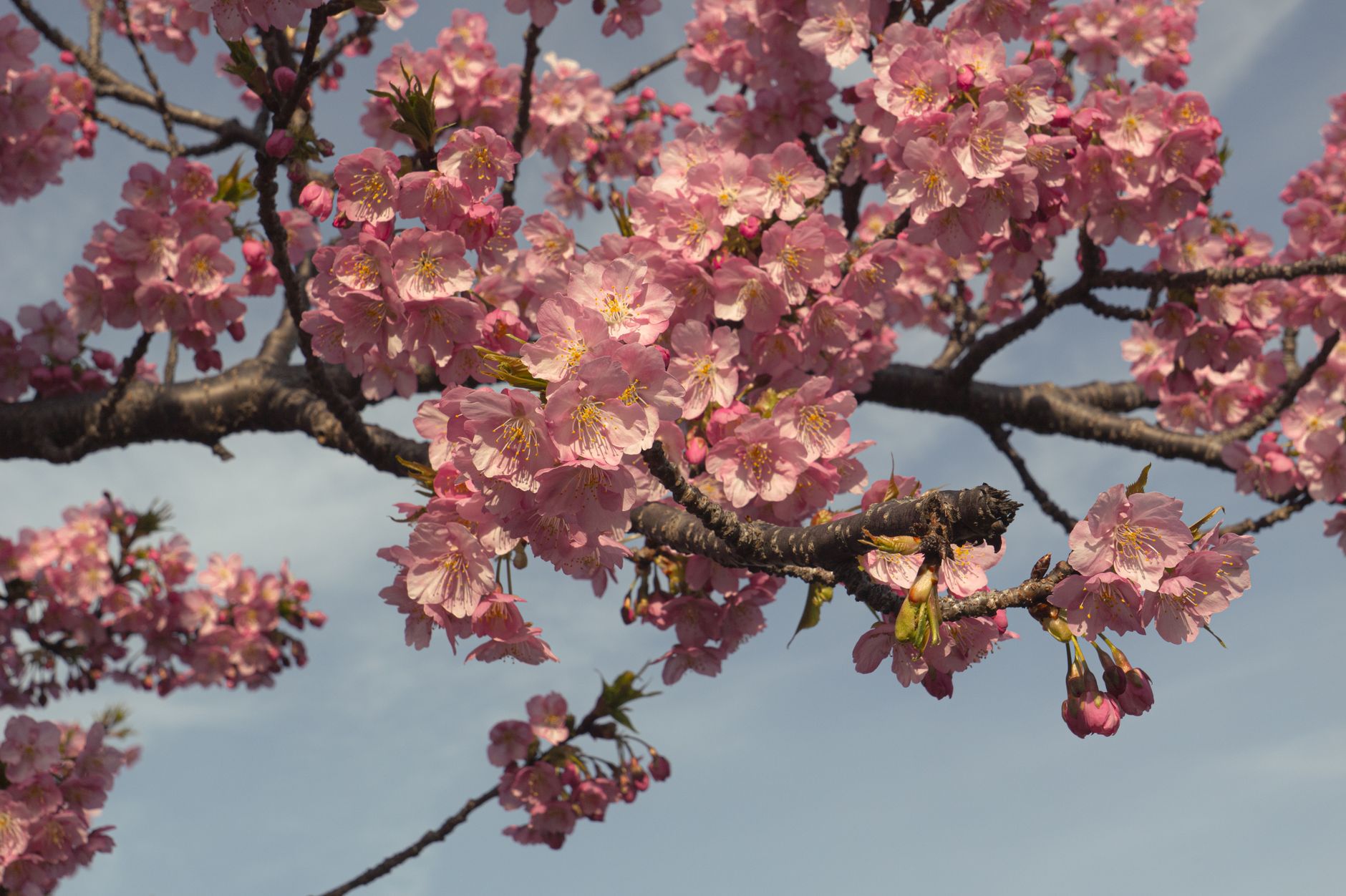
This is hanami—literally "flower viewing"—and it's a tradition so central to Japanese life that companies plan around it, weather forecasters track the "cherry blossom front" as it moves north, and strangers become neighbors for an afternoon beneath branches heavy with pale pink blooms.
A Flower That Doesn't Last
The cherry blossom's power lies in its brevity. Sakura bloom for roughly one week, sometimes less if wind or rain arrives. The petals open, reach their peak, and fall—all within days.
This impermanence isn't a flaw. It's the entire point.
The Japanese aesthetic concept of mono no aware—the poignant awareness of transience—finds its most visible expression in cherry blossoms. You can't save them. You can't extend them. You can only show up while they're here.
Not Just Pretty: A Mirror for Life
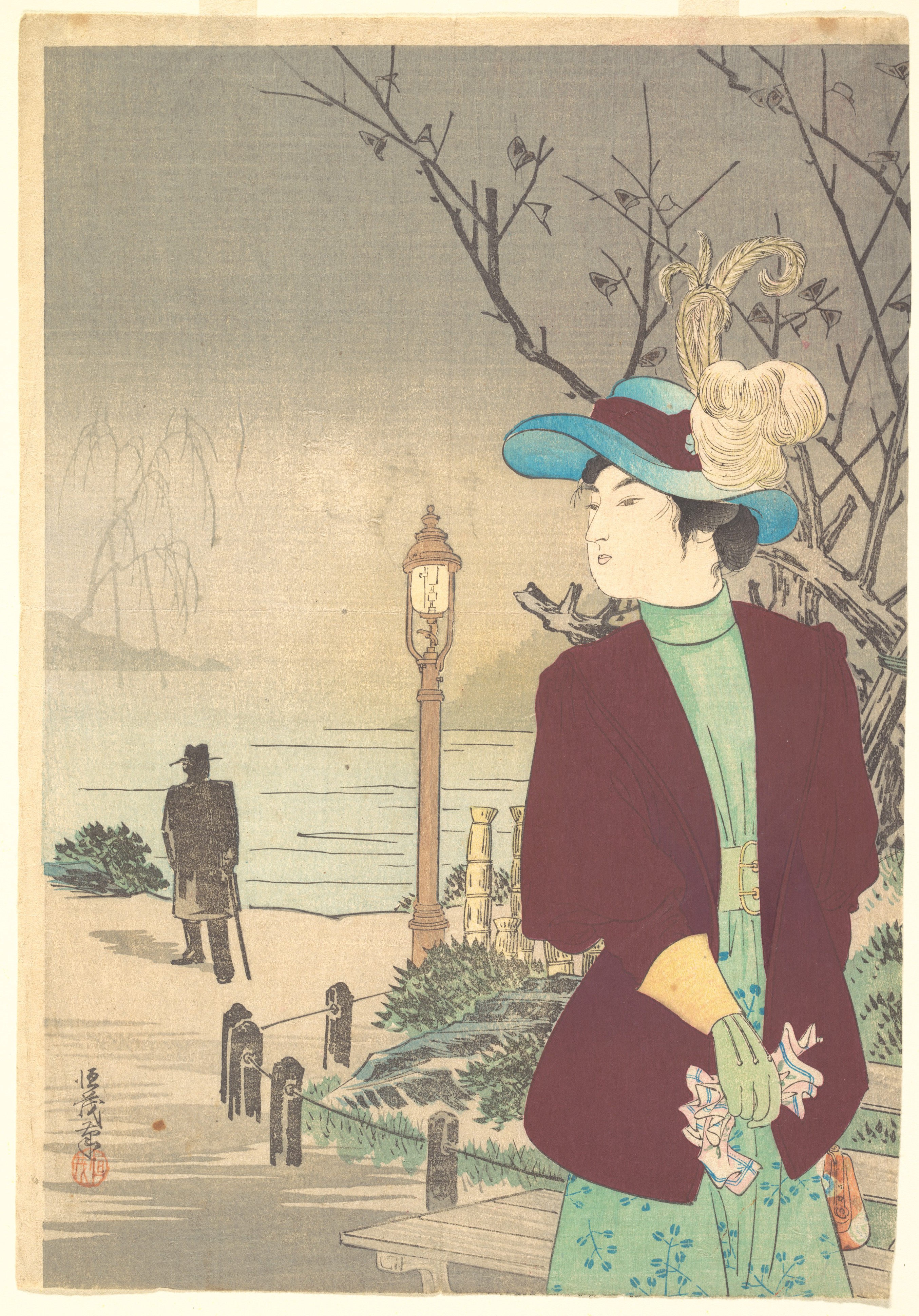
For over a thousand years, sakura have appeared in Japanese poetry, art, and philosophy as a reminder that beauty and life itself are fleeting. Samurai meditated on cherry blossoms as symbols of their own mortality—brilliant, brief, and gone.
The cherry blossom doesn't apologize for falling; it simply lives fully while it can.
But hanami isn't somber. Walk through Ueno Park or along the Meguro River during peak bloom and you'll find laughter, shared food, slightly tipsy salarymen, families on picnic blankets, and strangers taking photos for each other. The awareness of impermanence doesn't lead to sadness—it leads to presence.
The Ritual of Gathering
Hanami has rules, unspoken but widely understood. Someone arrives early to claim a spot with a tarp. Colleagues take turns holding the space. When the group assembles, there's food—always food. Bento boxes, fried chicken, rice balls, sake, beer.
The meal matters, but it's secondary. The real point is gathering. Sitting together. Looking up.
Modern hanami carries echoes of ancient aristocratic customs, when Heian-era nobles composed poetry beneath blossoms. But it democratized centuries ago. Today, everyone participates. The blossoms don't care about your job title or bank account. They bloom for the entire country at once, and the entire country responds.
When a Nation Pauses
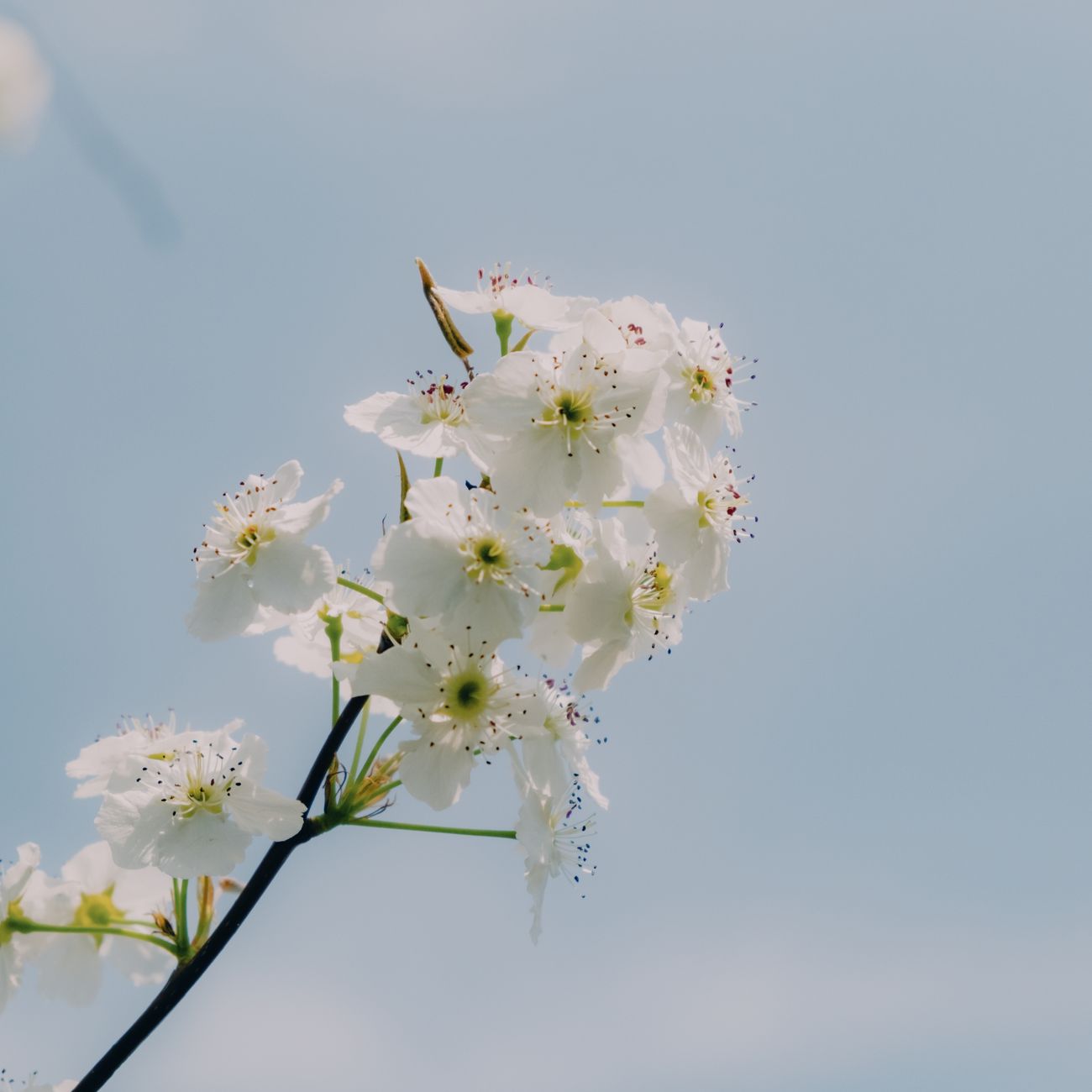
Japan's cherry blossom season moves like a wave from south to north, starting in Okinawa in January and reaching Hokkaido by May. The sakura zensen—cherry blossom front—is tracked with the seriousness of a weather system, because in a sense, it is one. A cultural weather system that dictates when neighborhoods, cities, and regions will pause.
Parks fill. River banks transform into outdoor living rooms. Train lines add service to famous viewing spots. For a week or so, the rhythm changes.
Then the petals fall, carpeting the ground in drifts of pale pink, floating on rivers and ponds, catching in hair and on shoulders. And everyone goes back to regular life, carrying the memory of that brief, shared beauty until next spring.
The blossoms return because they must. And so do the people, year after year, sitting under branches that won't wait.
FAQ
Chaware curates authentic Japanese crafts — straight from the makers in Japan to your table.
Explore the Chaware collection →