Why Japanese Onsen Hot Springs Have So Many Rules (And What They Really Mean)
On this page
You step out of your shoes, slide open the wooden door, and freeze. Everyone is naked. And everyone is staring—not because you're new, but because you forgot to rinse off first.
Welcome to the onsen, where bliss and etiquette collide.
The bath is not just a bath
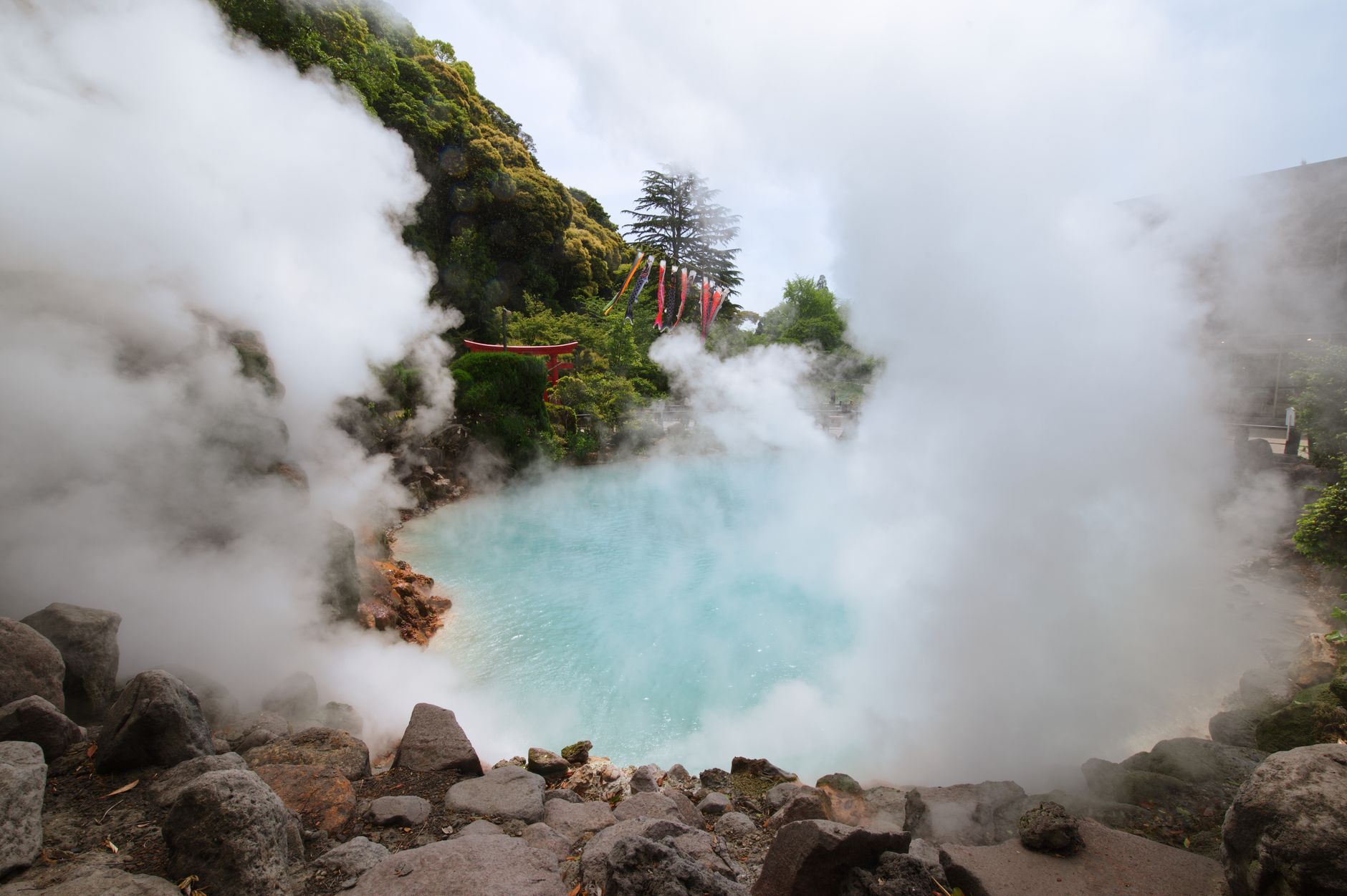
Japanese hot springs aren't spas. They're not gyms with pools attached. An onsen (温泉) is a living geological feature—mineral-rich water heated by volcanic activity beneath the earth—and it has been treated as sacred for over a thousand years. Long before modern plumbing, communities built shrines near hot springs. Monks bathed to purify themselves. Samurai soaked to heal battle wounds.
The rules aren't arbitrary. They exist because the onsen is shared space, public yet intimate, where strangers become equals the moment clothing comes off.
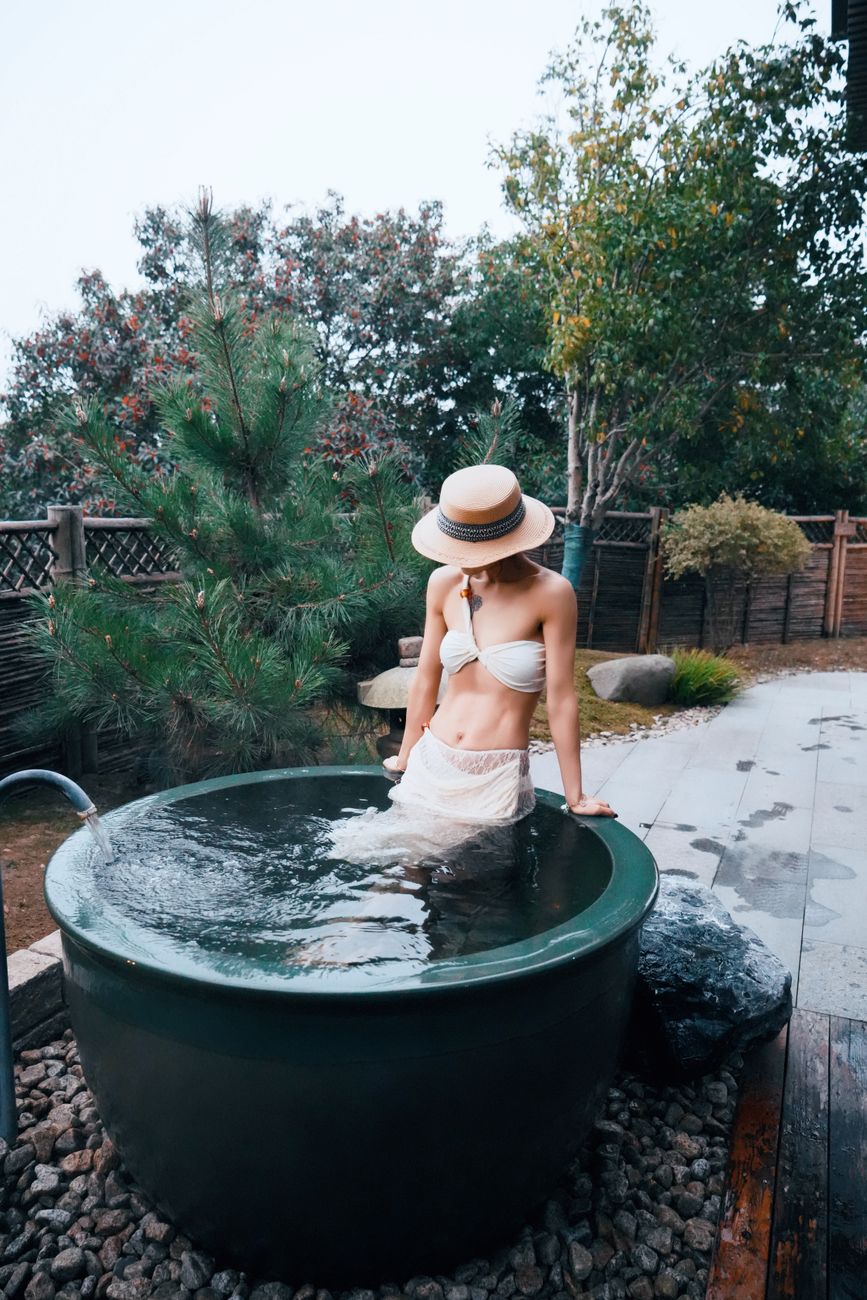
Cleanliness is the foundation
Here's the rule that trips up most first-timers: you must wash thoroughly before entering the bath. Not a quick splash. A full scrub-down at the low stools and showerheads lining the walls, sitting down, soaping everything, rinsing completely.
Why? Because the onsen water is communal and continuously circulated, not drained between bathers. One unwashed body compromises everyone. It's not about judgment—it's about respect for the water itself, and for the dozen strangers sharing it with you. Think of it as a temple you purify yourself to enter.
The same logic bans towels in the water (they've touched the changing room floor), long hair left loose (tie it up), and soap suds anywhere near the pools.
Tattoos, tradition, and modern tension
Many onsen still refuse entry to visibly tattooed guests. The reason is historical: in Japan, tattoos have long been associated with yakuza (organized crime syndicates) who use full-body ink as identity markers. For older generations and traditional establishments, the connection remains strong.
This is slowly changing. Some onsen now allow small tattoos, or provide cover-up patches, especially in tourist-friendly areas. But many do not. It's not personal—it's about preserving an atmosphere of calm and safety that some guests expect. If you have tattoos, research ahead or ask at the front desk. Private family baths (kashikiri-buro) are often an option.
The onsen asks you to leave your armor at the door—your clothes, your phone, your defenses.
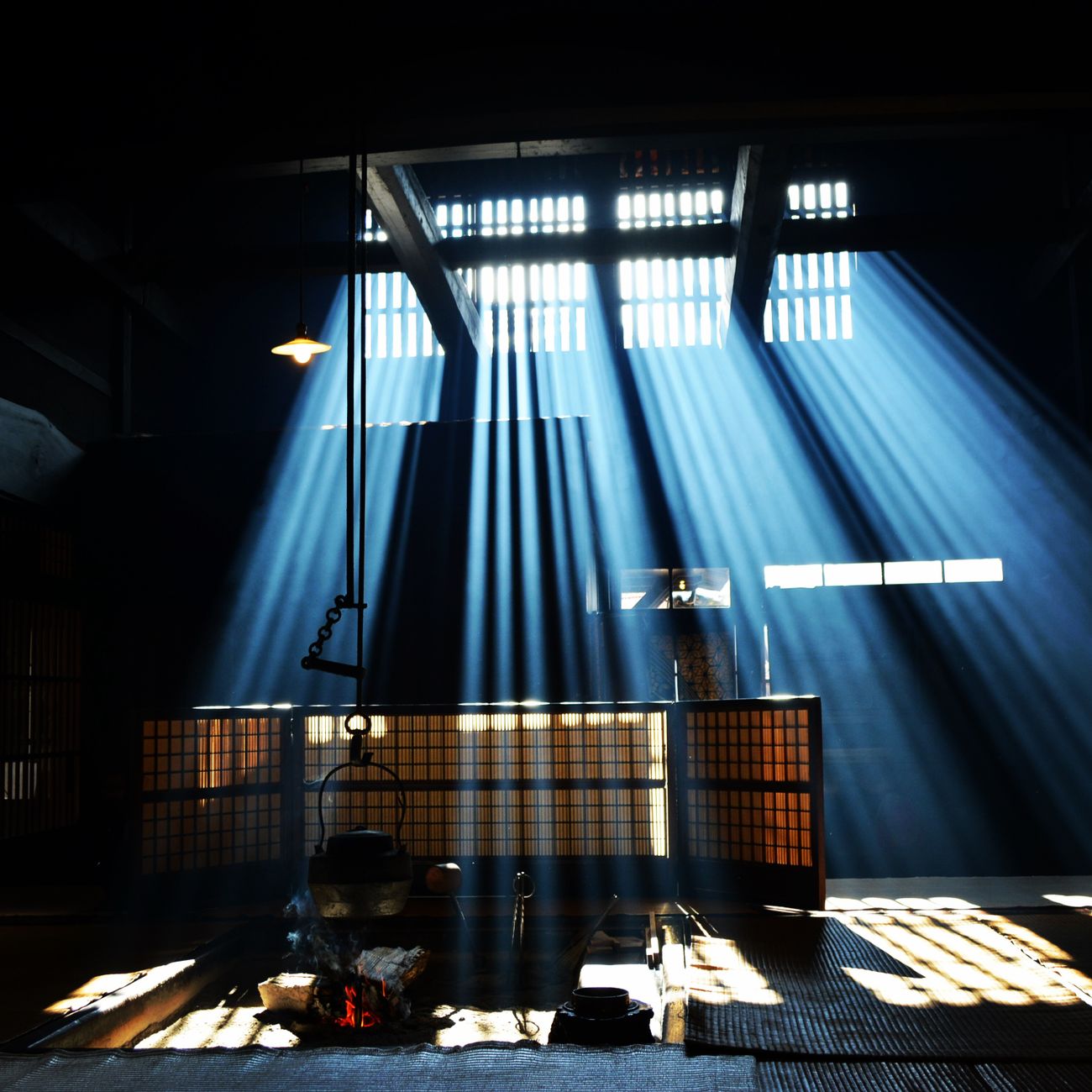
Silence and the art of doing nothing
Onsen culture runs counter to almost everything modern life teaches. No phones. No conversation above a murmur. No swimming, splashing, or performing your backstroke.
You sit. You soak. You breathe. You watch steam curl off the water's surface and listen to bamboo fountains tipping over in the garden. The quiet is the point. The stillness is the luxury. In a country that invented efficiency, the onsen is a rare place where doing absolutely nothing is the entire goal.
Some first-timers feel awkward in the silence. But after ten minutes, your shoulders drop. After twenty, you understand why people have been coming here for centuries.
The unspoken contract
Every rule—rinse first, no towels in the water, stay quiet, move slowly—is part of an unspoken contract. You take care of the space so the next person can experience it as you did. You respect strangers because, in that moment, naked and vulnerable, you are all the same.
The onsen doesn't bend to you. You bend to it. And somehow, in that surrender, you find what you didn't know you needed.
FAQ
Chaware curates authentic Japanese crafts — straight from the makers in Japan to your table.
Explore the Chaware collection →