Bizen Ware: The Ancient Art of Unglazed Stoneware from Japan's Oldest Kiln
On this page
The clay remembers everything. Flame. Ash. Time. And in Bizen, nothing hides it.
Fire writes what glaze would erase
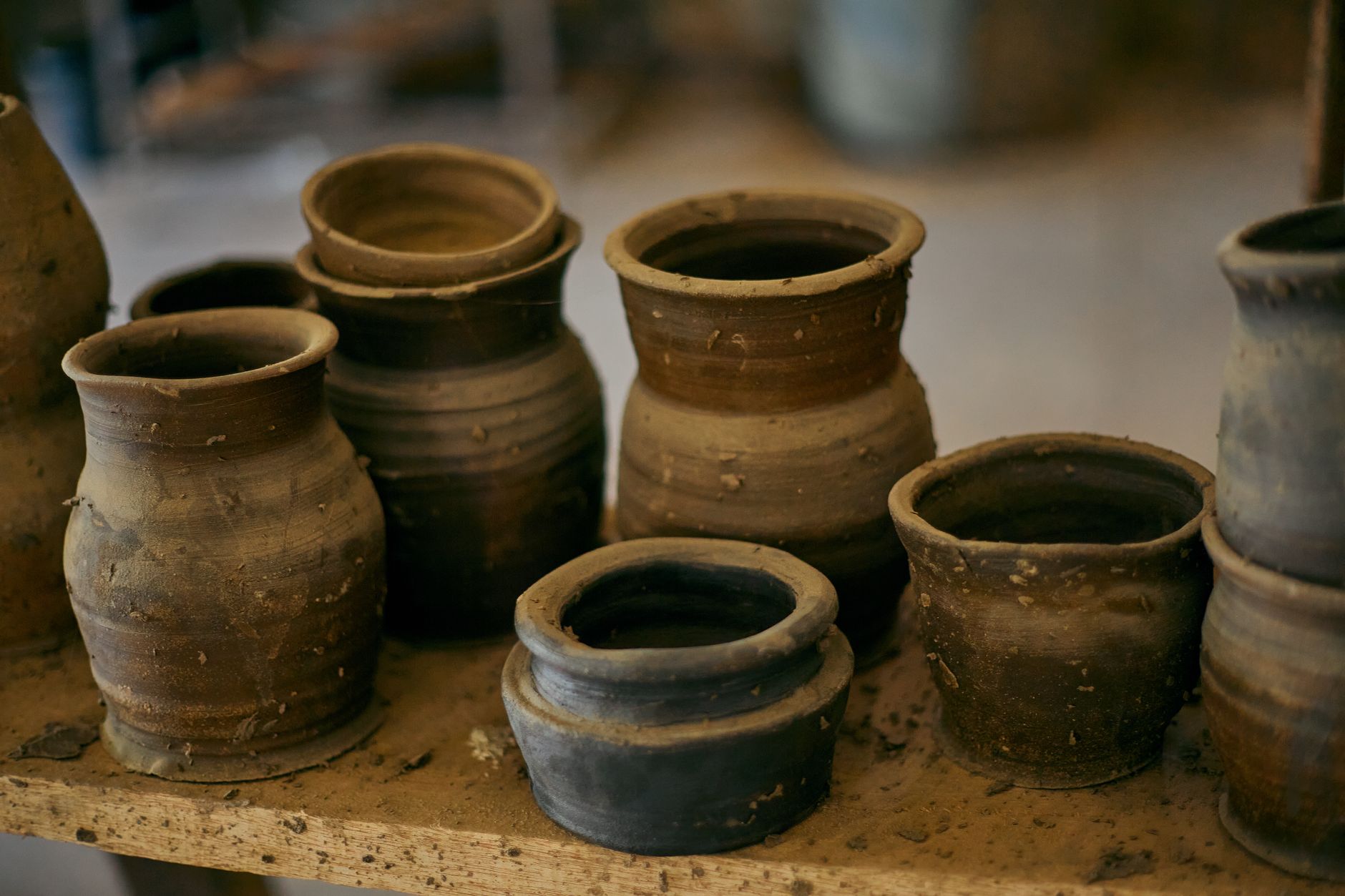
Most pottery wears a glossy coat—glaze that smooths imperfection, brightens color, seals the surface. Bizen ware refuses. For over a thousand years, potters in this corner of Okayama Prefecture have shaped vessels from iron-rich clay and sent them into the kiln naked. What emerges isn't decorated. It's transformed.
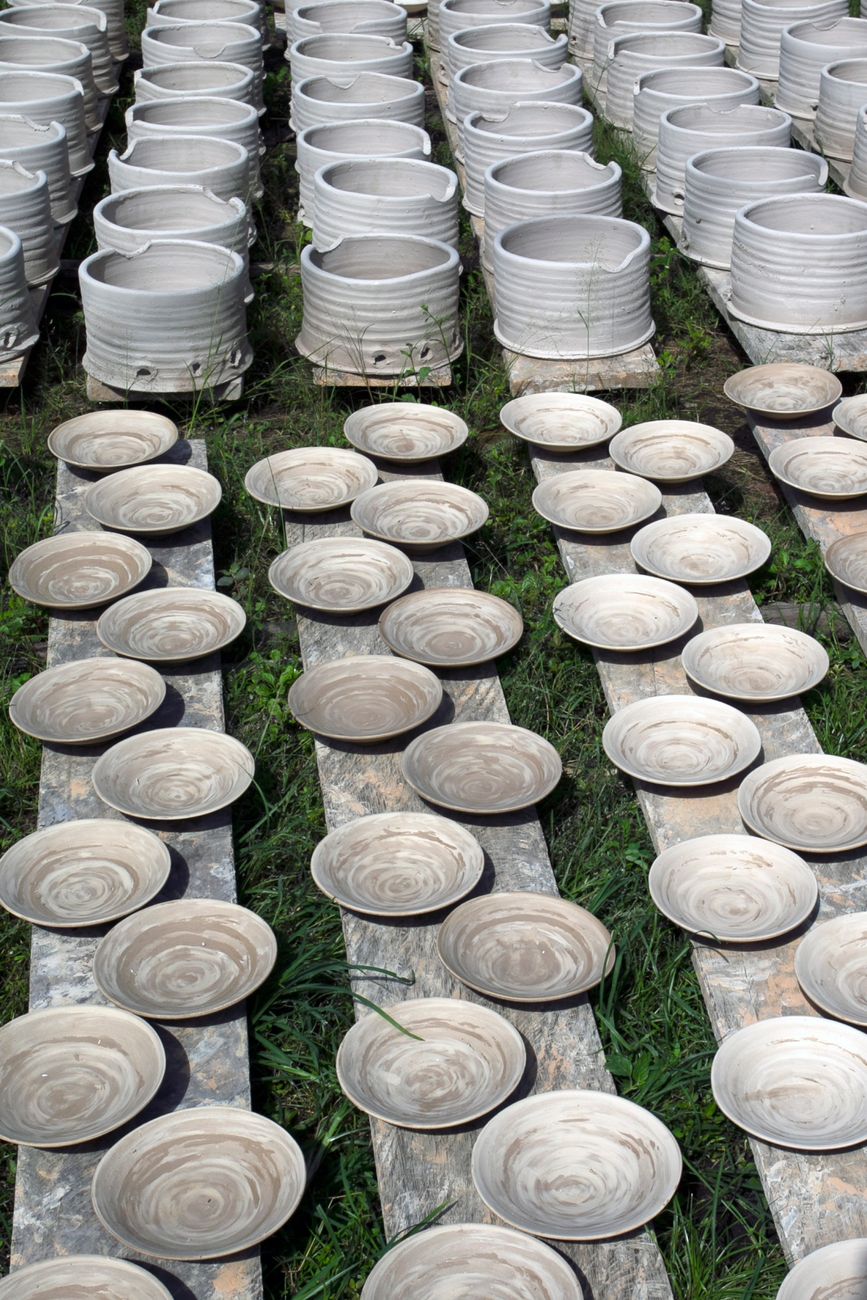
The wood-fired anagama kilns burn for days, sometimes two weeks. Flames lick the clay. Ash settles and melts into natural patterns—gold flashes called hidasuki where rice straw wrapped the piece, dark scorch marks named koge-bizen, soft gray halos of goma (sesame) where ash kissed the shoulder of a jar. No two pieces match. The kiln decides.
This is yakishime—unglazed stoneware fired at such extreme heat that the clay itself vitrifies, becomes glass-like and watertight without any coating at all.
The texture you can't stop touching
Pick up a Bizen tea cup and your thumb finds its place instinctively. The surface isn't slick. It has tooth, warmth, a faint roughness that makes you want to hold it longer.
Bizen ware doesn't just sit in your hand—it grips back.
That texture comes from the clay body itself, dug from rice paddies near Imbe, the historic heart of Bizen production. High in iron, low in impurities, it fires to earthy tones—rust, charcoal, oxidized copper, dried blood. The surface breathes. Tea drinkers swear it improves the flavor of their brew, that the porous body softens water, deepens taste. Science debates this. Devotees don't care.
A gamble every time
Western ceramics love control. Consistent temperature. Predictable glaze chemistry. Repeatable results. Bizen potters work differently. They stack their greenware inside massive climbing kilns, sometimes burying pieces in ash, wrapping others in straw, positioning them where they guess the flame will dance.
Then they light the fire and wait.
What happens inside is alchemy crossed with chaos. A vase placed near the firebox might emerge nearly black. One buried deeper turns soft orange. Ash deposits form landscapes no human hand could paint—drips, blooms, craters, rivers of mineral color flowing down a bottle's flank. The potter shapes. The fire finishes.
Some pieces crack. Some warp. The failures get smashed. What survives carries the signature of chance—yohen, the unpredictable transformations that make Bizen collectors obsessive.
Why plain became precious
For centuries, Bizen ware was humble. Farmers used it for storage jars, sake bottles, grinding bowls. Functional, sturdy, cheap. Then chanoyu—the Japanese tea ceremony—changed everything. Tea masters in the sixteenth century saw past the plainness. They recognized wabi-sabi before the term became a cliché: beauty in asymmetry, in roughness, in the marks time and flame leave behind.
A Bizen water jar became a treasure. Its very refusal to dazzle made it profound.
Today, Bizen remains one of Japan's six ancient kiln sites still in continuous operation. Potters work in studios their families have tended for generations, splitting wood, wedging clay, gambling on the fire. The work is slow. The aesthetic is austere. And the clay still remembers everything you ask it to hold.
FAQ
Chaware curates authentic Japanese crafts — straight from the makers in Japan to your table.
Explore the Chaware collection →