Shigaraki Ware: The Rustic Soul of Japanese Pottery
On this page
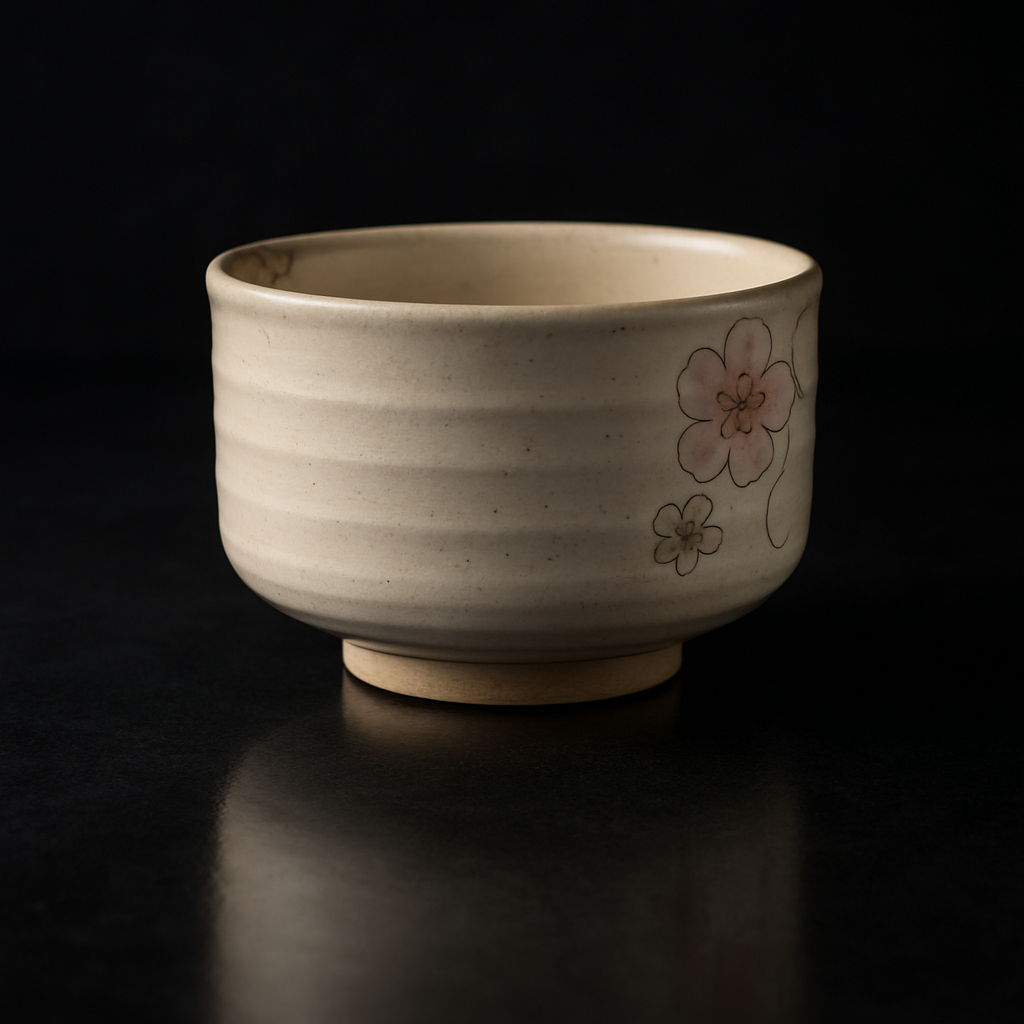
A tea bowl emerges from the kiln, its surface scorched and blistered like ancient stone. This isn't a mistake—it's Shigaraki ware, and that rough, unpolished beauty is exactly the point.
Born from fire and feldspar
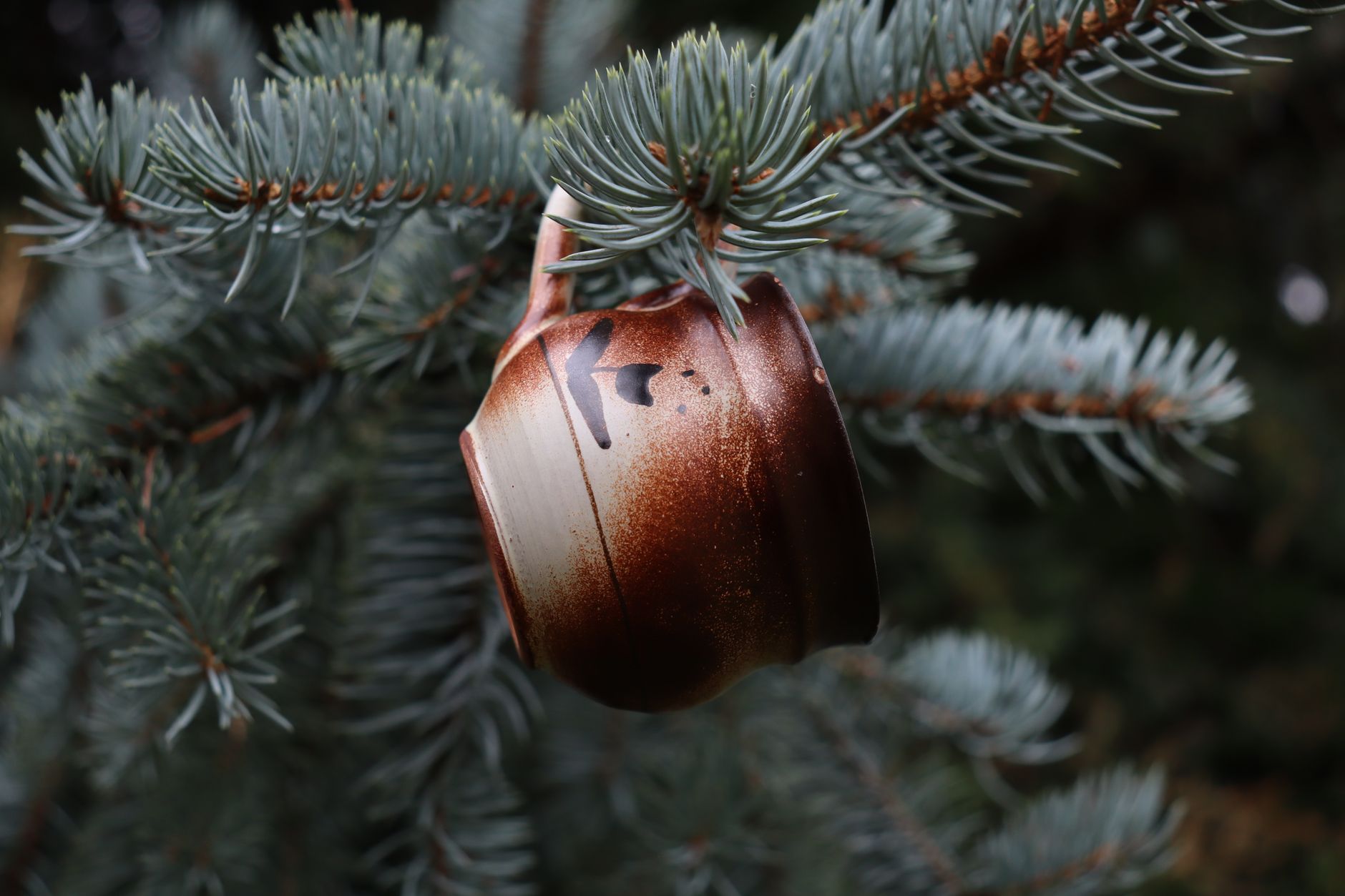
In the mountain valleys of Shiga Prefecture, potters have been pulling clay from the earth for over eight centuries. The local soil is different here—coarse, studded with feldspar that melts and sparkles in extreme heat. When flames lick across the surface during wood-firing, they leave behind patterns no human hand could replicate: amber flashes, charcoal shadows, natural ash glazes that pool and crack like dried riverbeds.
You won't find perfect symmetry in traditional Shigaraki pieces. The clay itself resists it.
The aesthetic that changed tea ceremony
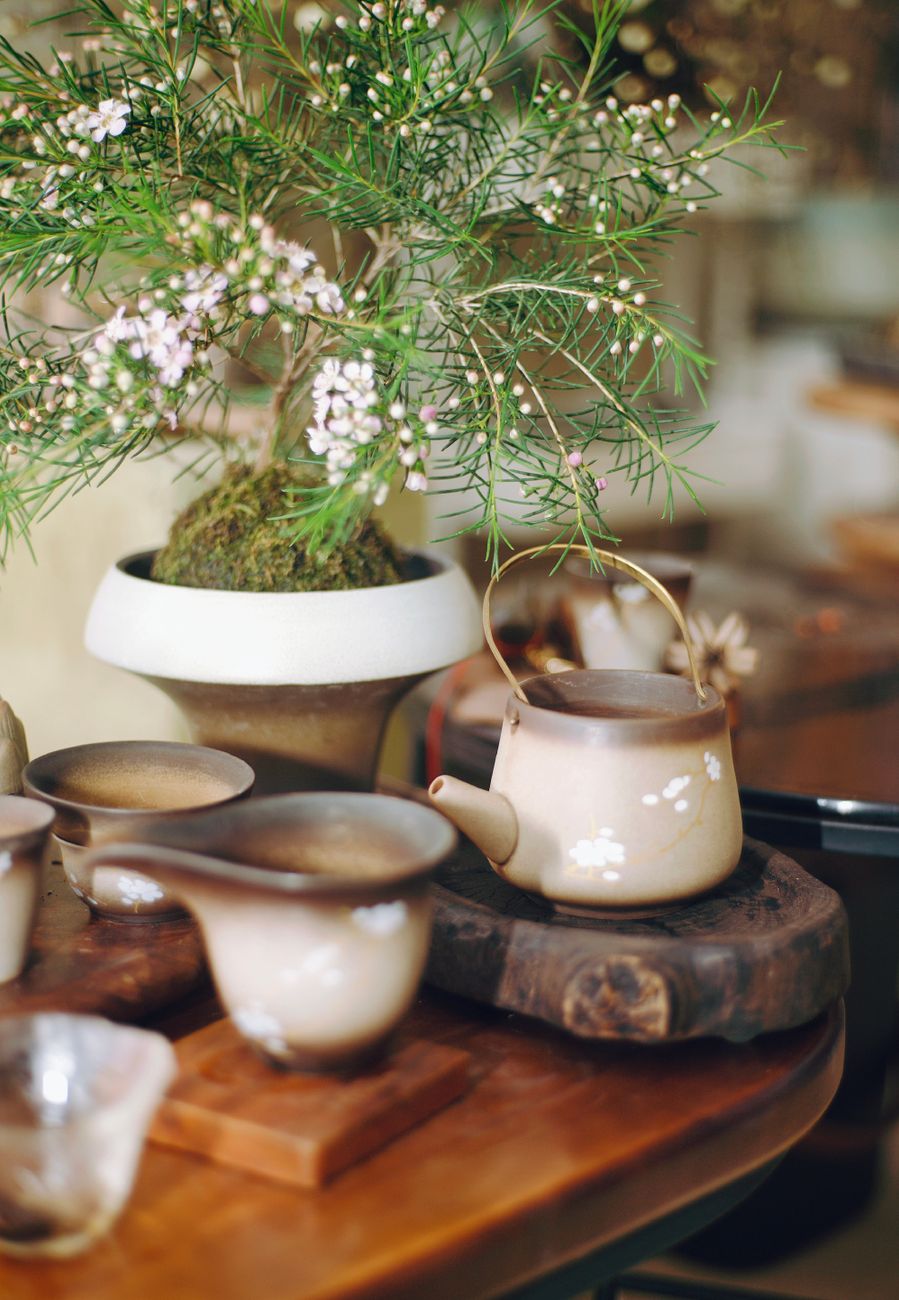
When sixteenth-century tea masters grew weary of refined Chinese porcelain, they turned to something radically different. Shigaraki's thick-walled vessels—originally made as humble storage jars and mortars—possessed a quality the Japanese call wabi-sabi: beauty in imperfection, in things weathered and incomplete.
The fingerprints left in clay, the wobble in a bowl's rim—these weren't flaws to hide, but marks of honest making.
Sen no Rikyū, the legendary tea master who formalized much of Japanese tea ceremony, championed this rustic pottery. A Shigaraki tea bowl felt substantial in your palms, still warm from your tea. Its rough texture kept your hands from slipping. The thick walls held heat. And that scorched, earth-toned surface—hi-iro (fire color) and koge (scorch marks)—told the story of its birth in flame.
What makes it unmistakably Shigaraki
Hold a piece of Shigaraki ware and you'll notice its weight first. The clay is grainy, almost sandy to the touch, with a natural warmth that porcelain never achieves. Look closer and you'll spot tiny white specks—those feldspar crystals catching the light.
The traditional firing process is where magic happens. Wood-fired kilns, called anagama, can burn for days. As pine logs turn to ash, that ash settles on the pottery inside, melting into natural glazes at temperatures above 1200°C. No two pieces emerge the same. The potter controls the clay and the flame; the kiln does the rest.
Modern Shigaraki potters work with both gas and wood kilns now, but many still honor the old aesthetic—that deliberate roughness, those flame-kissed surfaces that seem to hold geological time.
From tanuki to contemporary tables
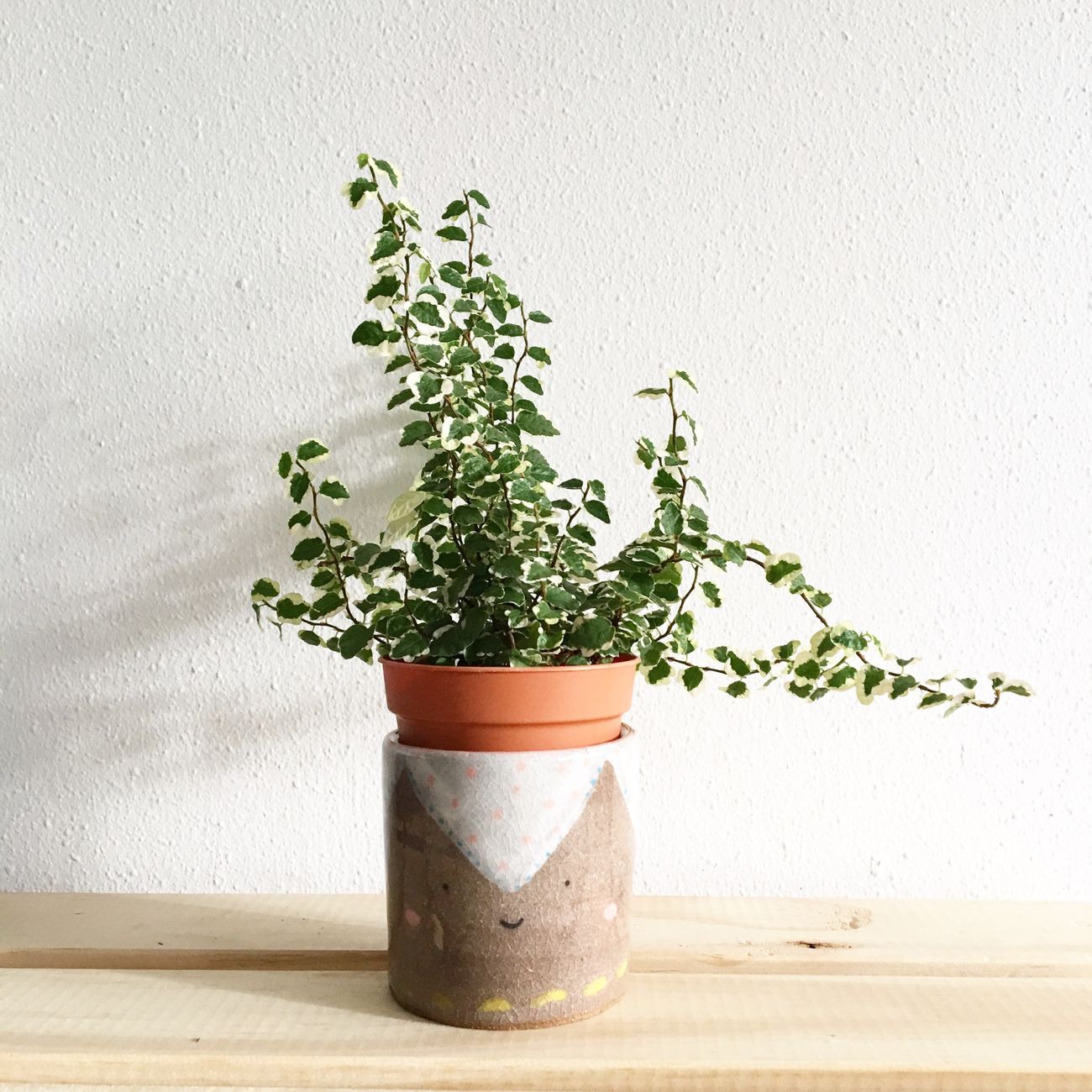
Walk through Shigaraki town today and you'll see oversized tanuki statues everywhere—those round-bellied raccoon dogs that became the region's unofficial mascot. Kitschy, yes, but they're part of Shigaraki's evolution. The clay that once made tea ceremony history now shapes everything from architectural tiles to sculptural vessels that blur the line between craft and fine art.
What hasn't changed is the fundamental character of the material itself. Shigaraki clay still comes from those same mountain deposits. It still fires with that distinctive warmth. And contemporary potters still let the flame paint patterns across their work, honoring an aesthetic born from earth and accident.
The beauty was always there in the imperfection, waiting to be recognized.
FAQ
Chaware curates authentic Japanese crafts — straight from the makers in Japan to your table.
Explore the Chaware collection →