Pottery vs Porcelain: Understanding the Essential Differences in Ceramics
On this page
You tap your fingernail against a teacup and hear a bright, crystalline ring. Against another cup, a softer thud. Both are beautiful. Both hold tea. But they're not the same thing at all.
The clay tells the story before the kiln does
The difference between pottery and porcelain begins in the ground, not the workshop. Pottery—what the Japanese call yakimono in its broadest sense—is made from earthenware or stoneware clays. These are coarser, found closer to the surface, rich with minerals and iron that give them warm, earthy colors. They're forgiving clays, fired at lower temperatures, usually between 1,000 and 1,200°C.
Porcelain is something else entirely. The Japanese call it jiki, and it requires kaolin—a fine, white clay that forms from decomposed feldspar in granite. It's rarer. Purer. And it demands heat that pottery clays would never survive: upwards of 1,300°C, sometimes reaching 1,400°C. At those temperatures, the clay doesn't just harden. It vitrifies—transforms into something glass-like, dense, and translucent.
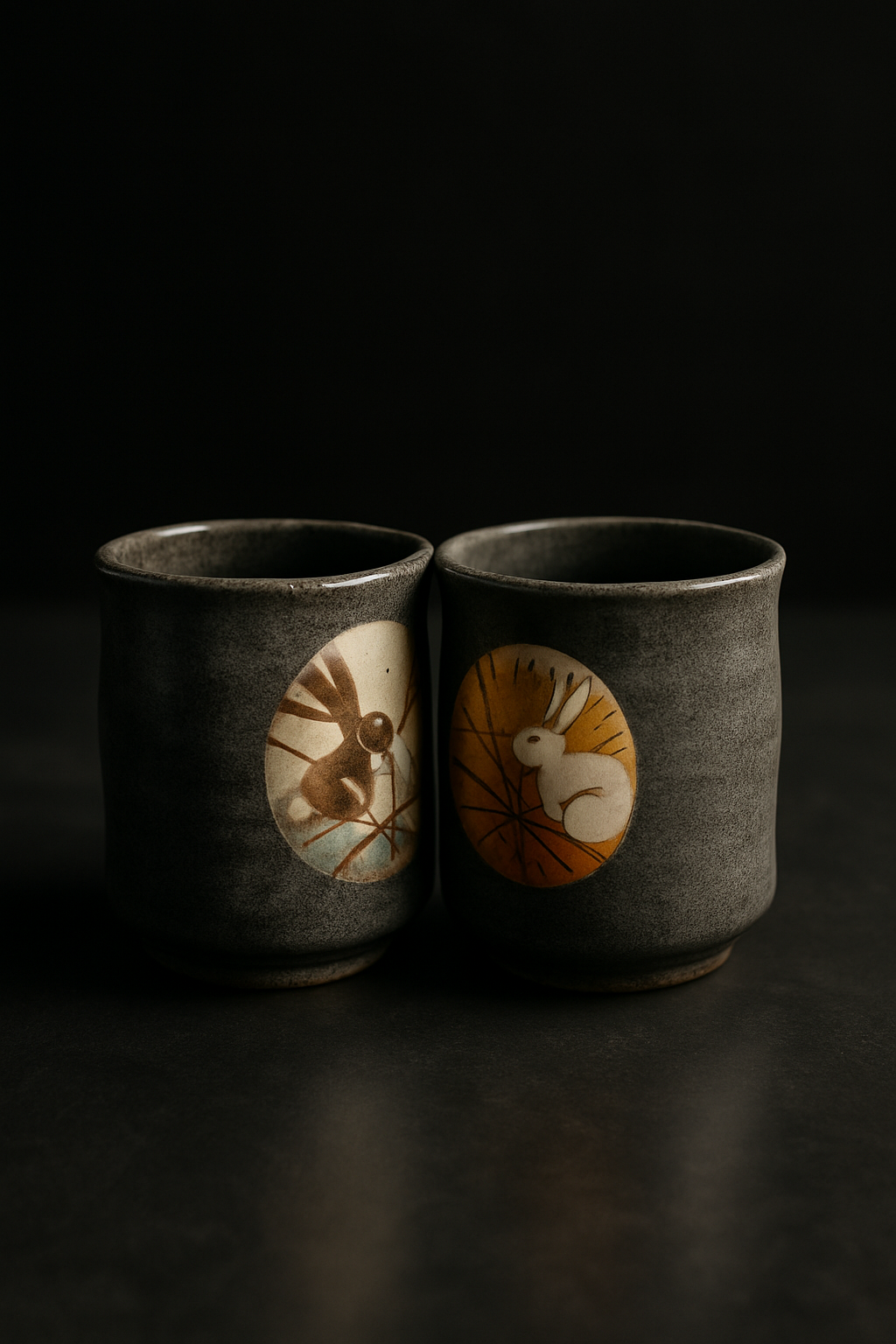
One you can see through, one you can't
Hold a porcelain bowl up to the light. If it's thin enough, you'll see your fingers glowing through the wall like shadows behind shoji screens. That's vitrification at work—the clay particles have fused so completely there's barely any space left between them.
Pottery remains porous, even after firing. It breathes. It absorbs. Without a glaze, an earthenware cup would weep moisture straight through its walls. Porcelain doesn't need that protection—it's already waterproof in its bare, unglazed state—but it gets glazed anyway, often to showcase that luminous white surface.
Porcelain rings when you tap it because it has no air left inside to muffle the sound.
The weight in your hand
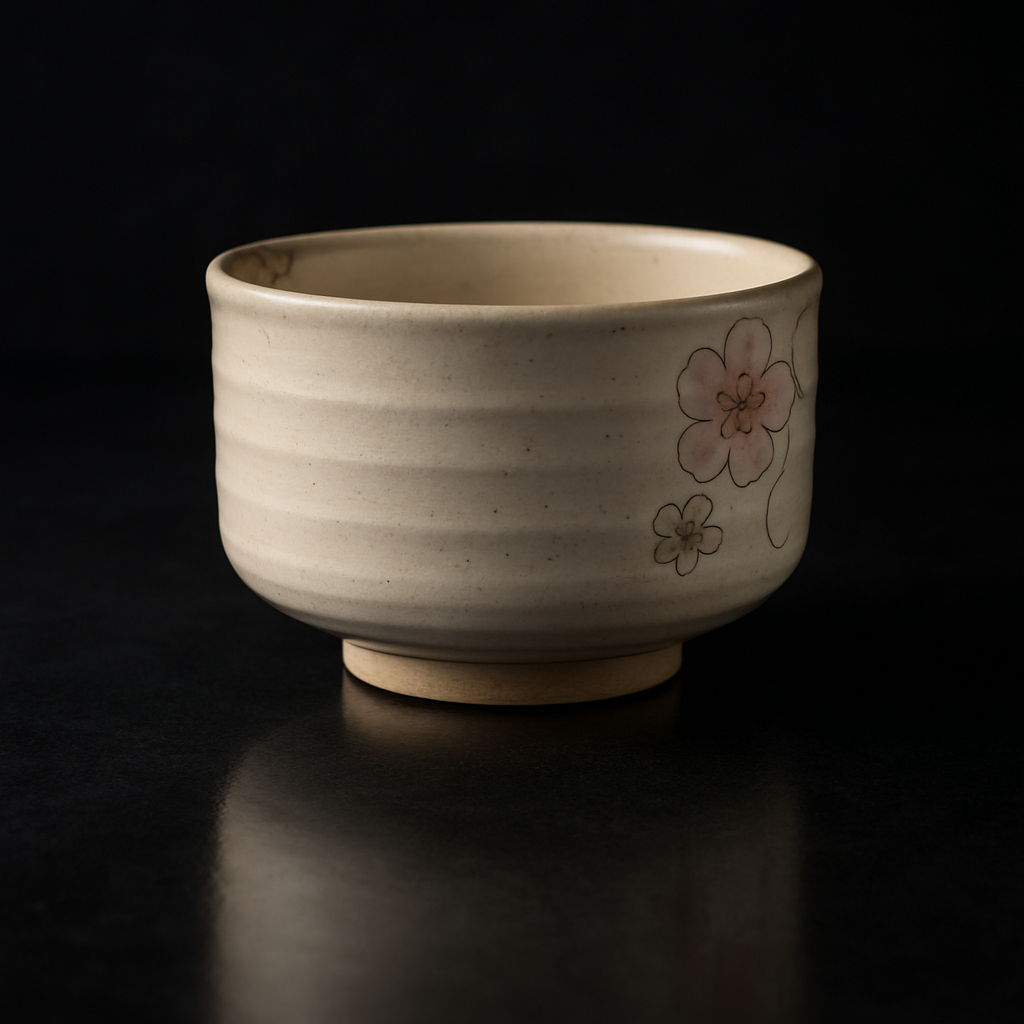
Pick up a Mino ware rice bowl—sturdy stoneware with an iron-rich glaze—and you feel its heft. There's substance there, warmth, a slight roughness on an unglazed foot. It sits solidly in your palm.
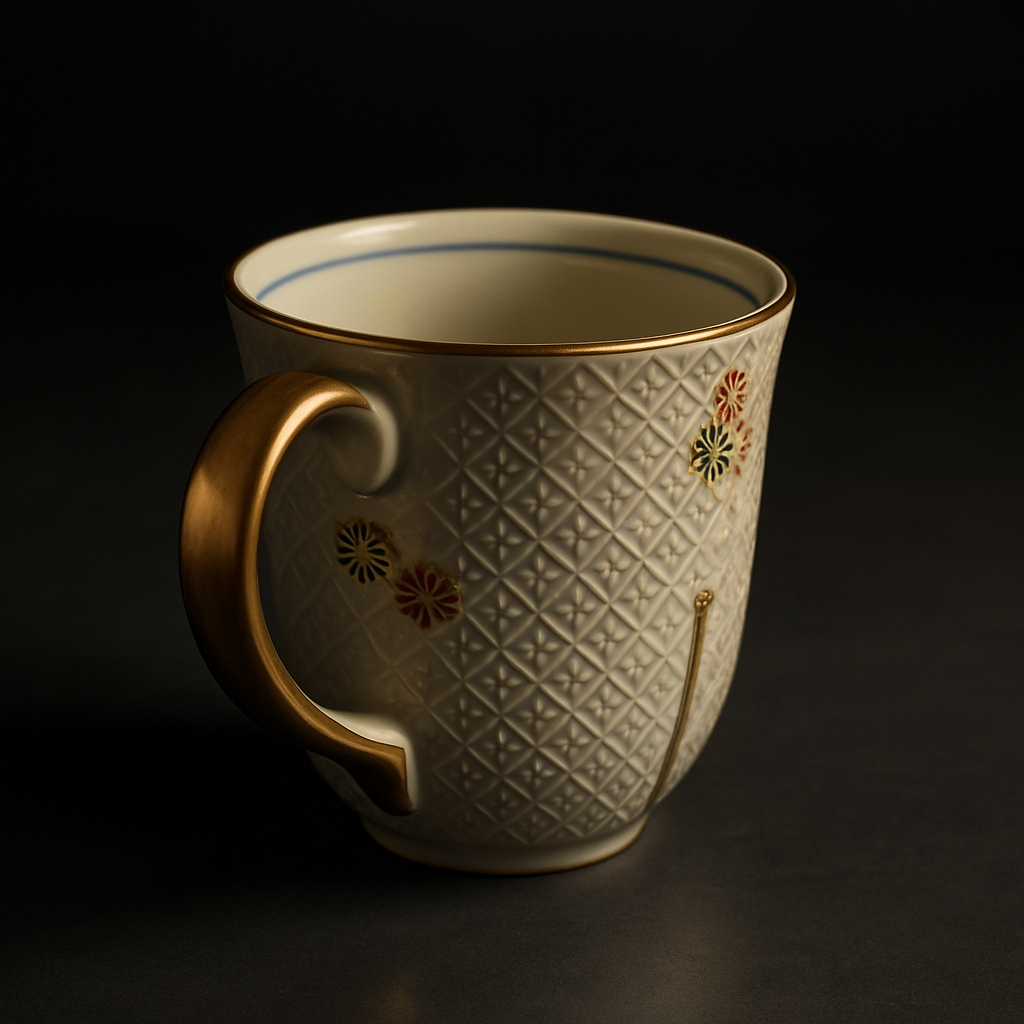
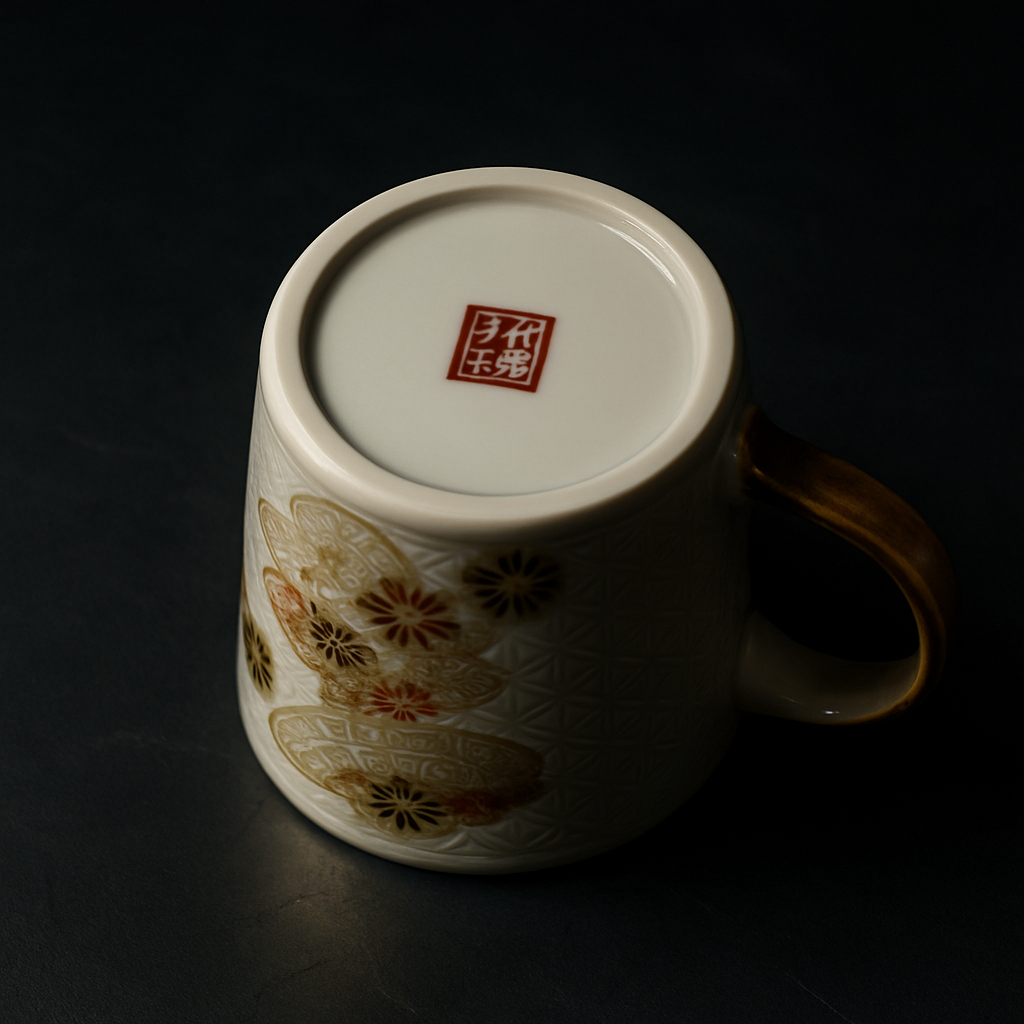
Now lift an Arita ware porcelain cup. It's lighter than it looks, thin-walled, perfectly smooth. The difference isn't about quality—it's about material honesty. Each clay has its own character, and skilled potters work with that nature rather than against it.
Stoneware falls between earthenware and porcelain in density and firing temperature. It's the middle sibling—stronger than earthenware, less translucent than porcelain, fired around 1,200-1,280°C. Many of Japan's most beloved ceramic traditions work in this range.
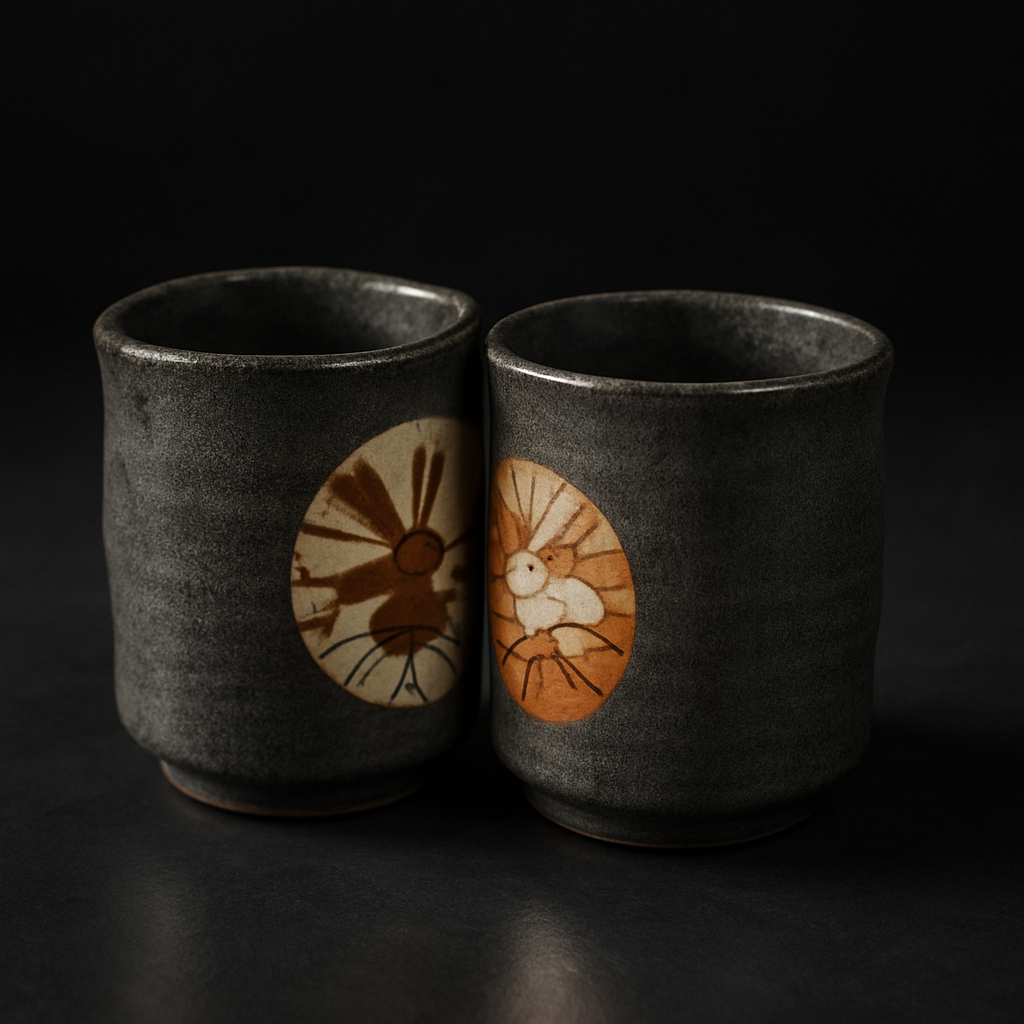
Why it matters when you hold a bowl
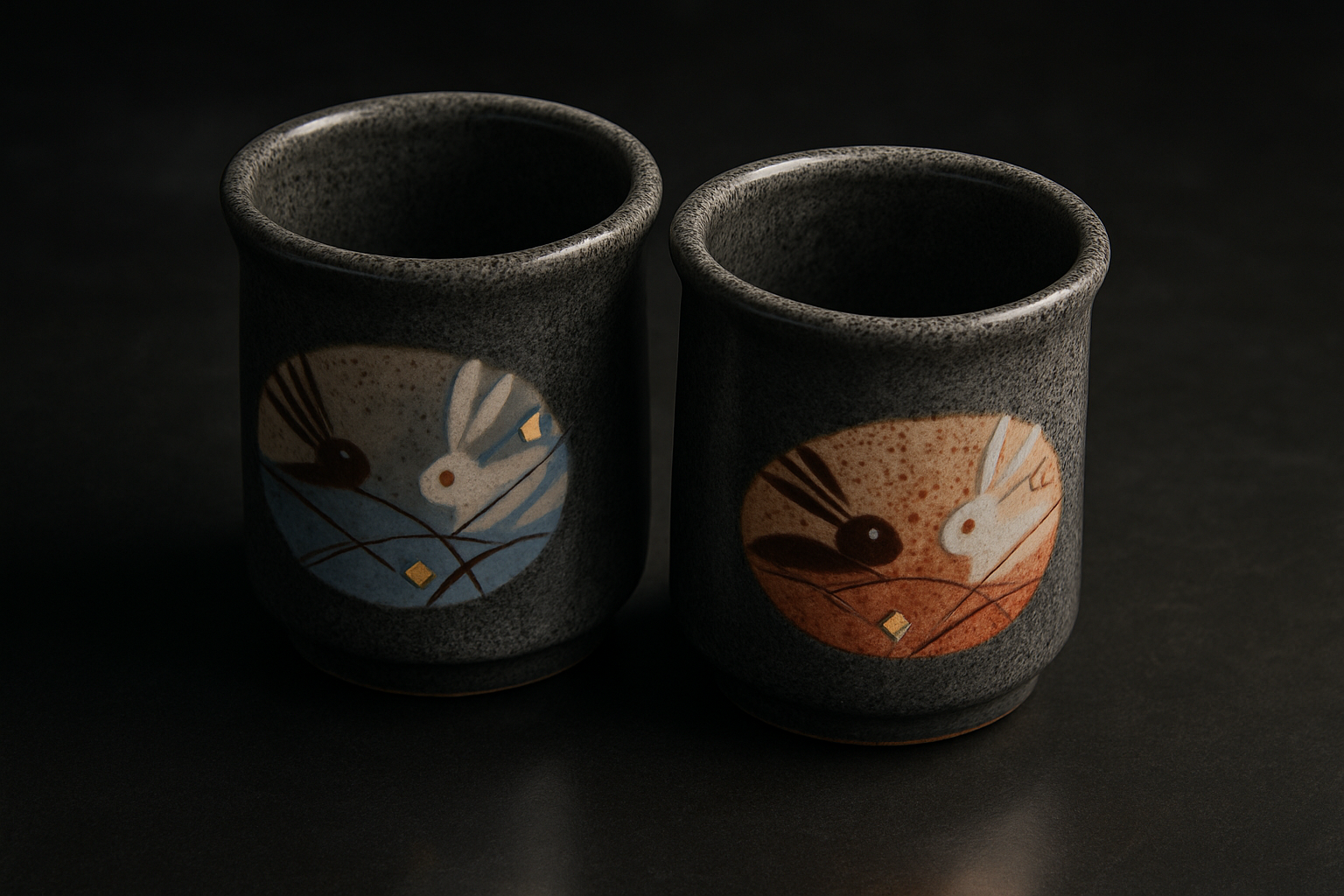
Understanding the difference changes how you see the object in your hands. That chawan tea bowl with its craggy texture and ash glaze? It's stoneware, made to be cradled, to show the marks of flame and time. The sake cup painted with delicate cobalt blue? Porcelain, perfected over centuries in Arita to hold intricate detail that earthier clays would blur.
Neither is better. They're answers to different questions. Pottery embraces irregularity, warmth, the unpredictable kiss of the kiln. Porcelain pursues refinement, translucency, a surface that receives decoration like silk receives ink.
The English language uses "ceramics" to hold all of it—anything made from clay and fired. But your hands already know what your vocabulary might not: these are different conversations between earth, fire, and human intention.
The next time you drink tea, listen to the sound your cup makes when you set it down.
FAQ
Chaware curates authentic Japanese crafts — straight from the makers in Japan to your table.
Explore the Chaware collection →