The Aesthetic of Imperfection: How Tea Bowls Reveal Japan's Philosophy of Beauty
On this page
A perfect tea bowl shouldn't look perfect at all.
In fact, the most prized ceramics in the Japanese tea ceremony tradition are often the ones that crack, bulge, or wear their glaze unevenly. What Western eyes might read as flaws, the tea master sees as fingerprints of the fire — proof that something irreplaceable happened in the kiln.
The philosophy that made asymmetry sacred
The aesthetic has a name: wabi-sabi, a worldview that finds beauty in transience, roughness, and the marks left by time. It rose to prominence in sixteenth-century Japan, shaped by Zen monks and tea masters who rejected the polished perfection of Chinese porcelain in favor of something earthier. Something human.
Sen no Rikyū, the most influential tea master in history, championed humble Korean and Japanese peasant bowls — pieces that were never meant to be art. Their thick walls, uneven lips, and mottled glazes became the new standard of refinement. Not despite their irregularities. Because of them.
The crack in the glaze is where the light gets in.
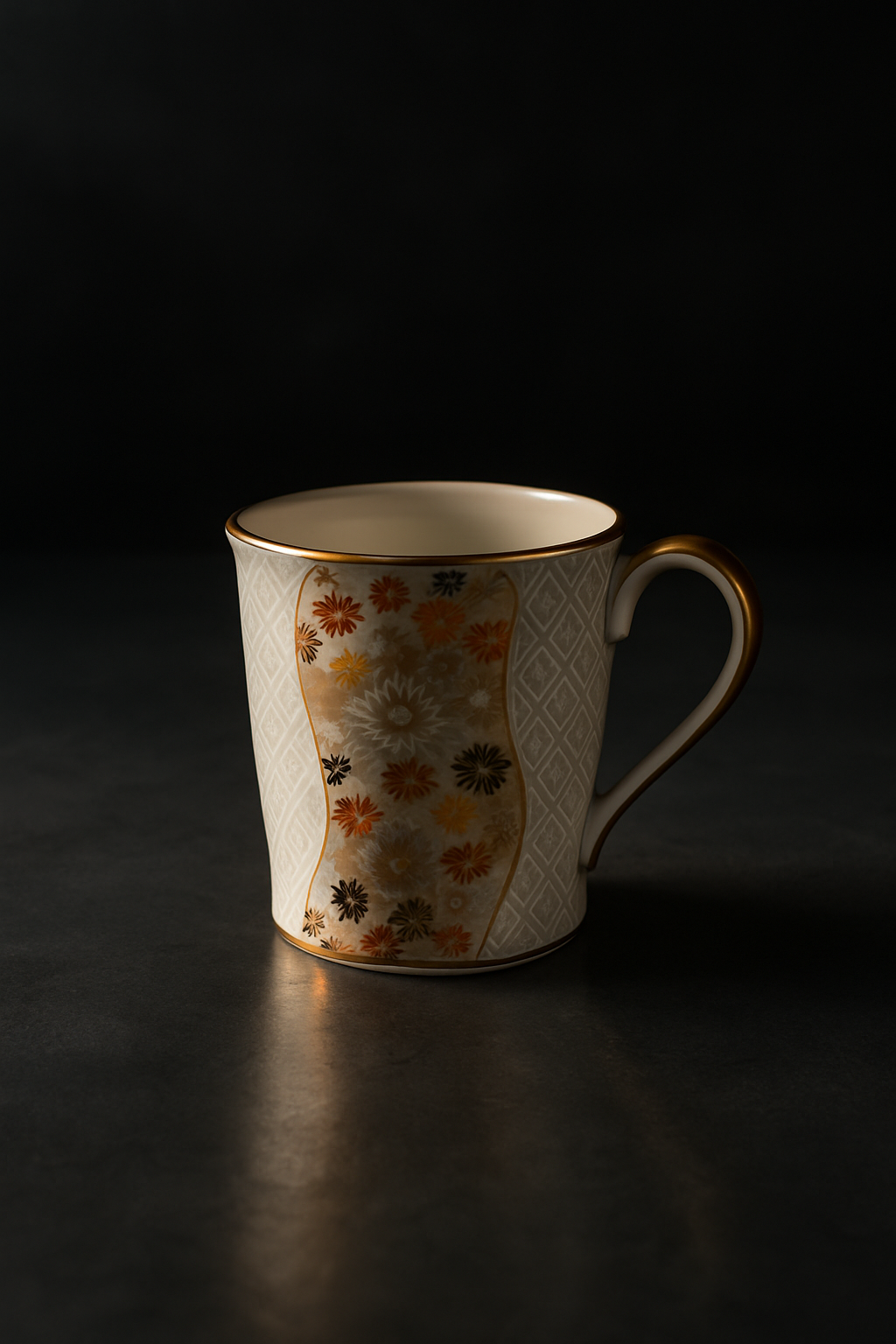
What makes a tea bowl come alive
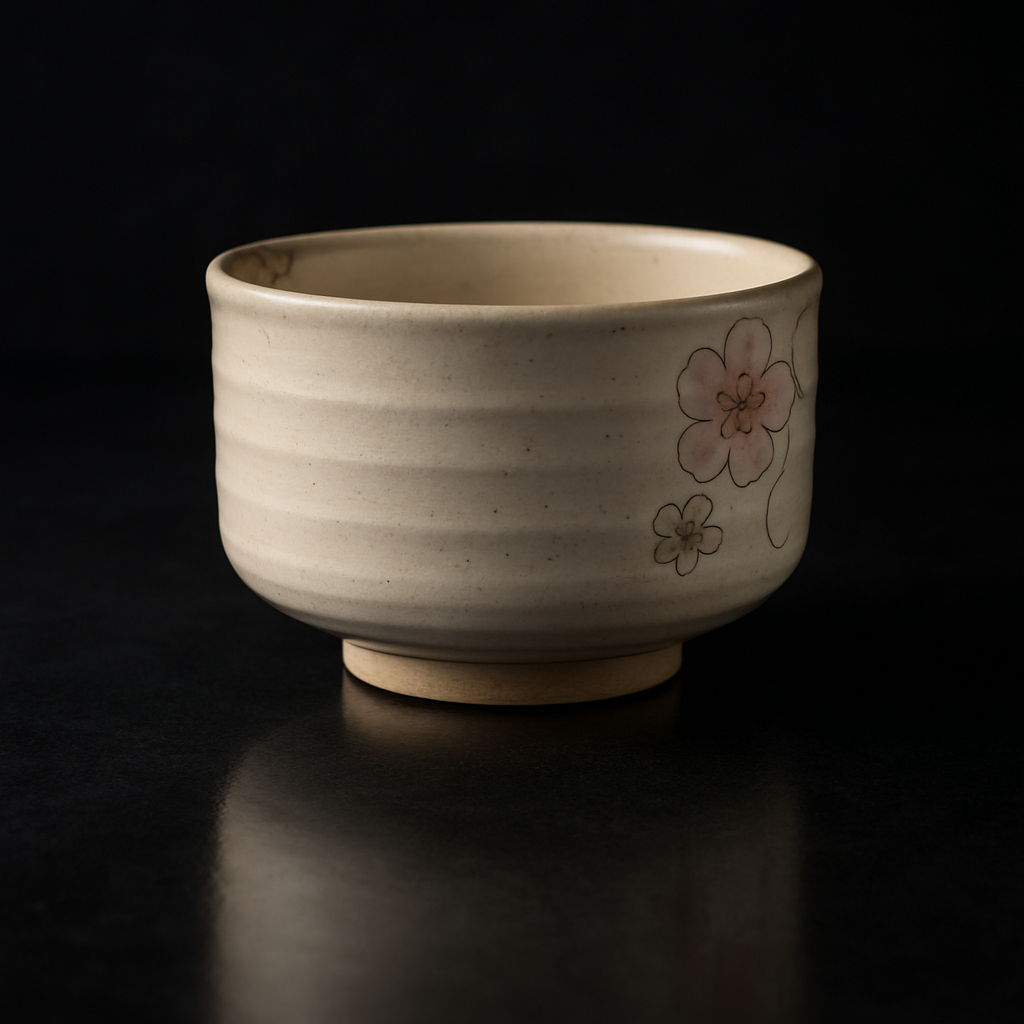
Look closely at a Raku ware bowl and you'll see it: the glaze pooling thicker on one side, a thumbprint still visible in the clay, a slight wobble when you set it down. These aren't accidents. They're invitations.
The irregular shape forces you to rotate the bowl in your hands, searching for the best angle to drink from. That wandering glaze — maybe black fading to rust-orange — gives your eye somewhere to rest, a tiny landscape to get lost in. And that crack, sealed centuries ago with lacquer and gold dust in the kintsugi tradition? It's now the bowl's most striking feature.
The imperfection makes you pay attention. It refuses to disappear into the background.
How fire decides what's beautiful
Much of this aesthetic is born in the kiln, where control is only ever partial. Wood-fired ceramics develop yohen — spontaneous color shifts caused by ash landing on the glaze mid-firing, creating effects no potter could paint by hand. Flames lick one side more than the other. Temperature spikes. The clay responds.
Some tea bowls emerge with a glaze that looks like a stormy sky. Others show bare clay where the fire burned the coating away entirely. The potter can guide, but the kiln has the final word.
- Yohen: Unpredictable color shifts from ash and flame
- Keshiki: The "景色" or "scenery" of a tea bowl's surface
- Kannyu: The fine crackle pattern that deepens with use
These aren't defects. They're the bowl's biography.
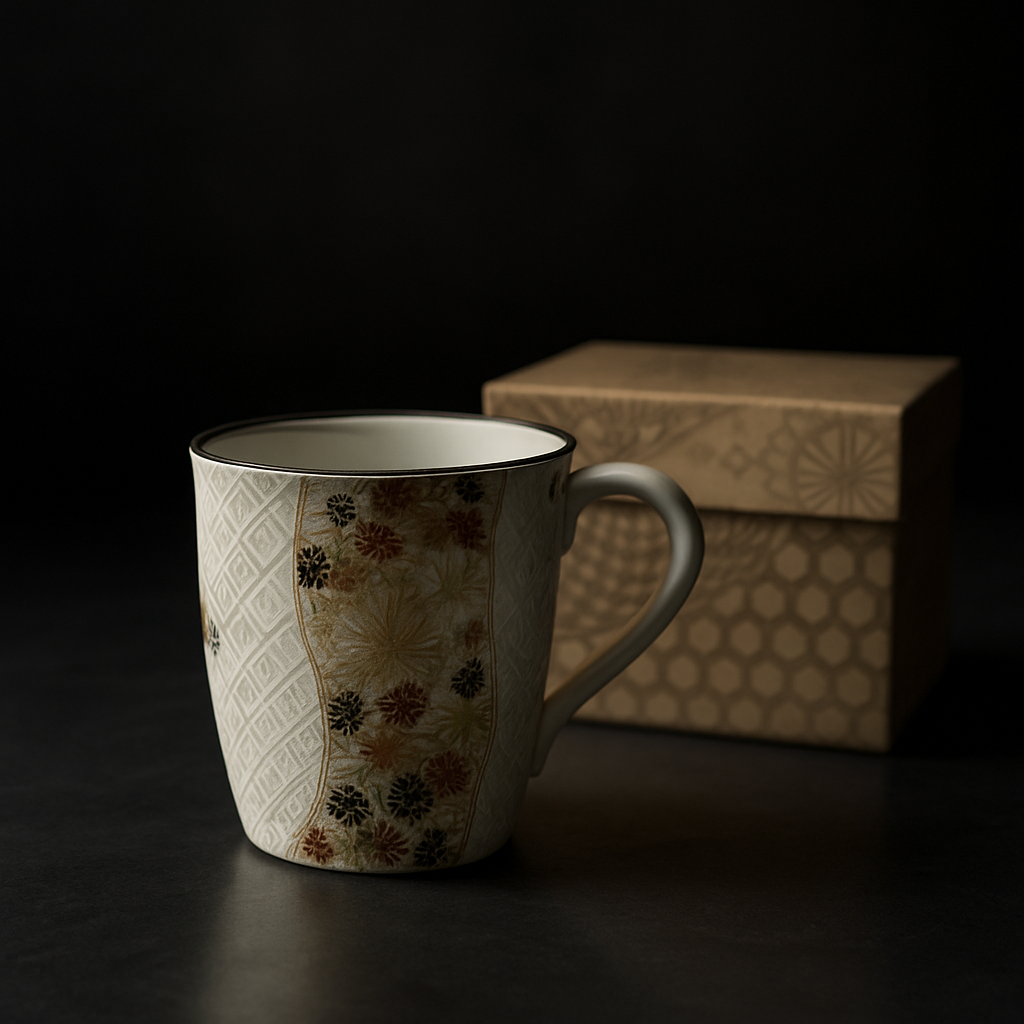
Why Western eyes struggle — and then surrender
If you've been trained to value symmetry, uniformity, and flawless finish, a wabi-sabi tea bowl can look... unfinished. Crude, even. The glaze stops halfway down. The rim is thicker on one side. There's a visible seam where two slabs of clay met.
But spend time with one — hold it, drink from it, watch how the light moves across that imperfect surface — and something shifts. You start to see the hand that shaped it. The moment it was pulled from the kiln. The decades of tea that have stained its crackles darker.
You stop asking why it isn't perfect. You start asking what perfection was ever for.
The most beautiful tea bowls are the ones that remember they were mud once, and fire, and human hands that knew when to let go.
FAQ
Chaware curates authentic Japanese crafts — straight from the makers in Japan to your table.
Explore the Chaware collection →