The Gentle Art of Ceramic Cleaning and Care: Honoring Your Handmade Bowls
On this page
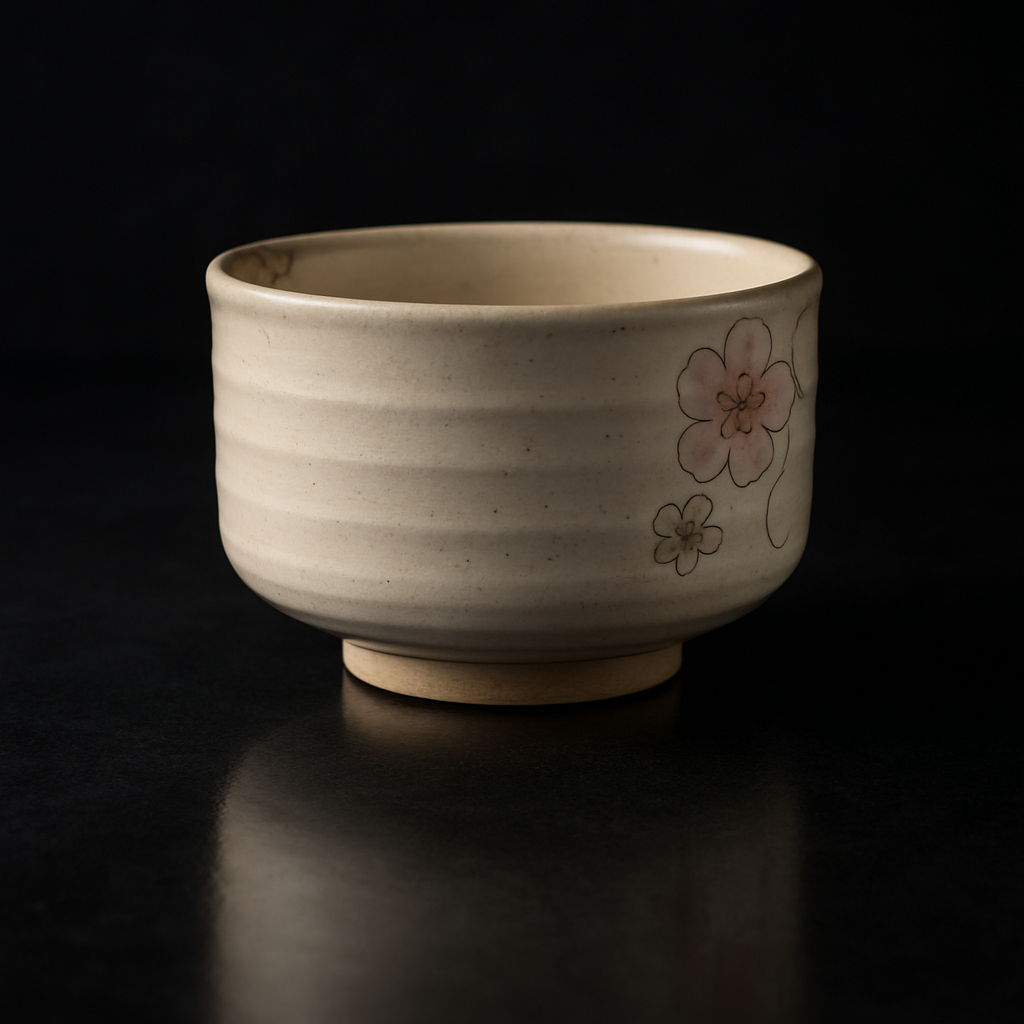
A handmade ceramic bowl isn't just cleaned—it's tended. In Japan, the care of pottery is considered part of the relationship between maker, object, and user.
Water first, soap never (or almost never)
The porosity of handmade ceramics sets them apart from factory-made dishes. Clay bodies breathe. Glazes settle into the surface with microscopic variations. This means your bowl can absorb whatever you put on it—including dish soap.
For daily cleaning, lukewarm water and a soft cloth are enough. The Japanese approach, rooted in the tea ceremony tradition of chakin (a dedicated linen cloth for wiping tea bowls), treats the bowl as you would a wooden cutting board: gently, without harsh detergents. If food clings stubbornly, a brief soak and a soft sponge will do. Abrasive scrubbers and the dishwasher are the enemies here—they dull glaze, scratch unglazed feet, and strip the subtle patina that develops with use.
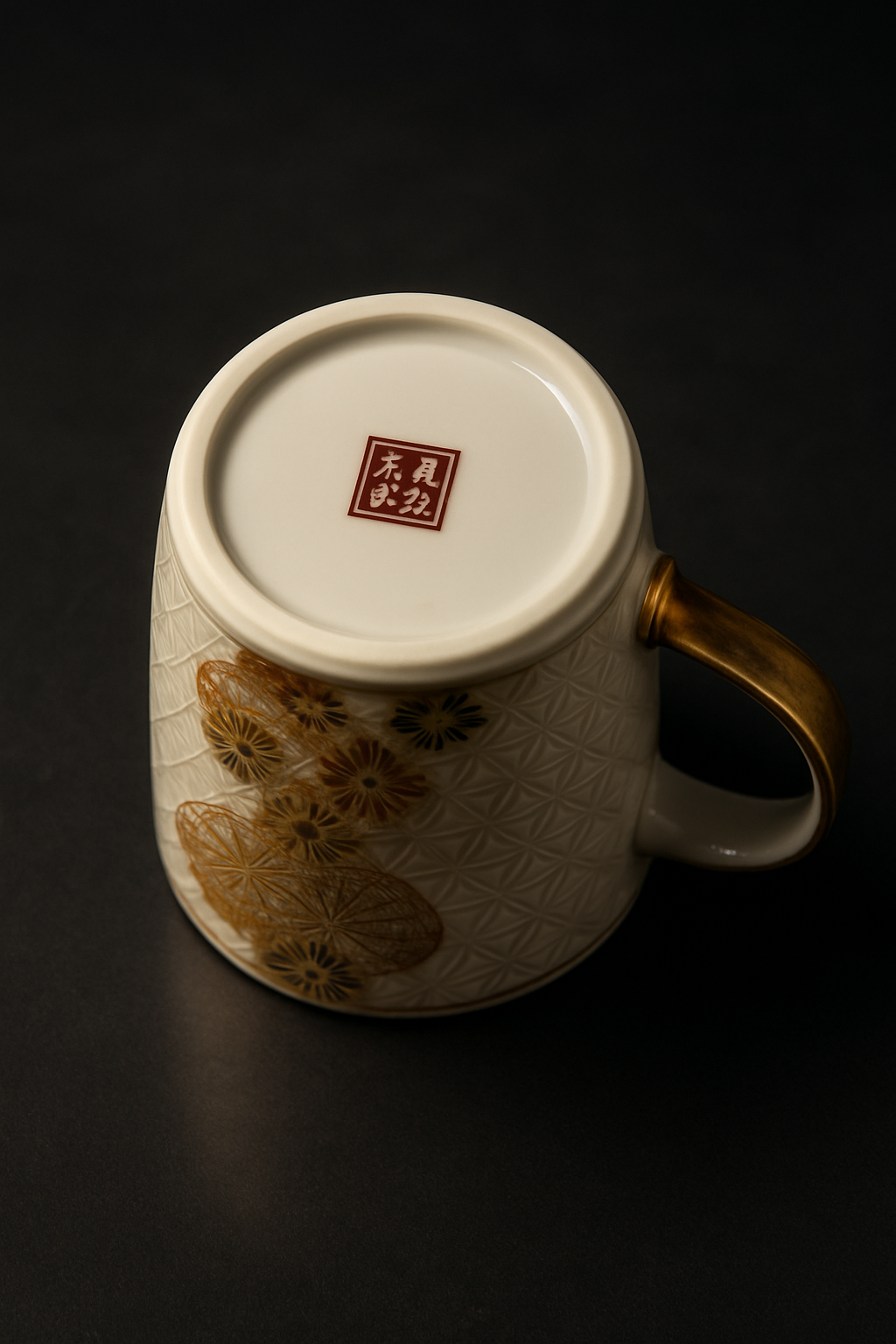
Some potters leave portions of their work unglazed, especially the foot ring. These raw clay areas will darken and stain over time, absorbing tannins from tea or oils from your hands. This isn't damage. It's kannyu in action—the living quality of the object, its slow transformation through use.
The overnight rest
Never stack wet pottery.
Moisture trapped between bowls encourages mold and can cause thermal shock when temperature changes. After washing, stand each piece upright on a dish rack or soft towel, allowing air to circulate completely. Some Japanese households dry their pottery in the sun for an hour—natural UV inhibits bacterial growth and gently evaporates any water absorbed into the clay body.
Before storing, make sure the bowl is bone-dry. Run your fingers along the unglazed foot. If it feels even slightly cool to the touch, it's still releasing moisture. Wait.
Stacking with intention
In a traditional Japanese kitchen, pottery is stored the way kimonos are folded—with space to breathe and respect for form.
When your bowls are fully dry, stack them with care. Place a thin cotton cloth, paper napkin, or piece of felt between each bowl to prevent glaze-to-glaze contact. Chips most often happen not during use, but during careless storage—one bowl grinding against another as you pull from the stack.
Store pottery away from extreme temperature fluctuations. A cabinet near the stove or above the refrigerator creates stress in the clay. Room temperature, stable and dark, is ideal. If you display pieces on open shelving (as is common in Japanese homes), rotate them into use regularly. Pottery wants to be handled.
The smell test
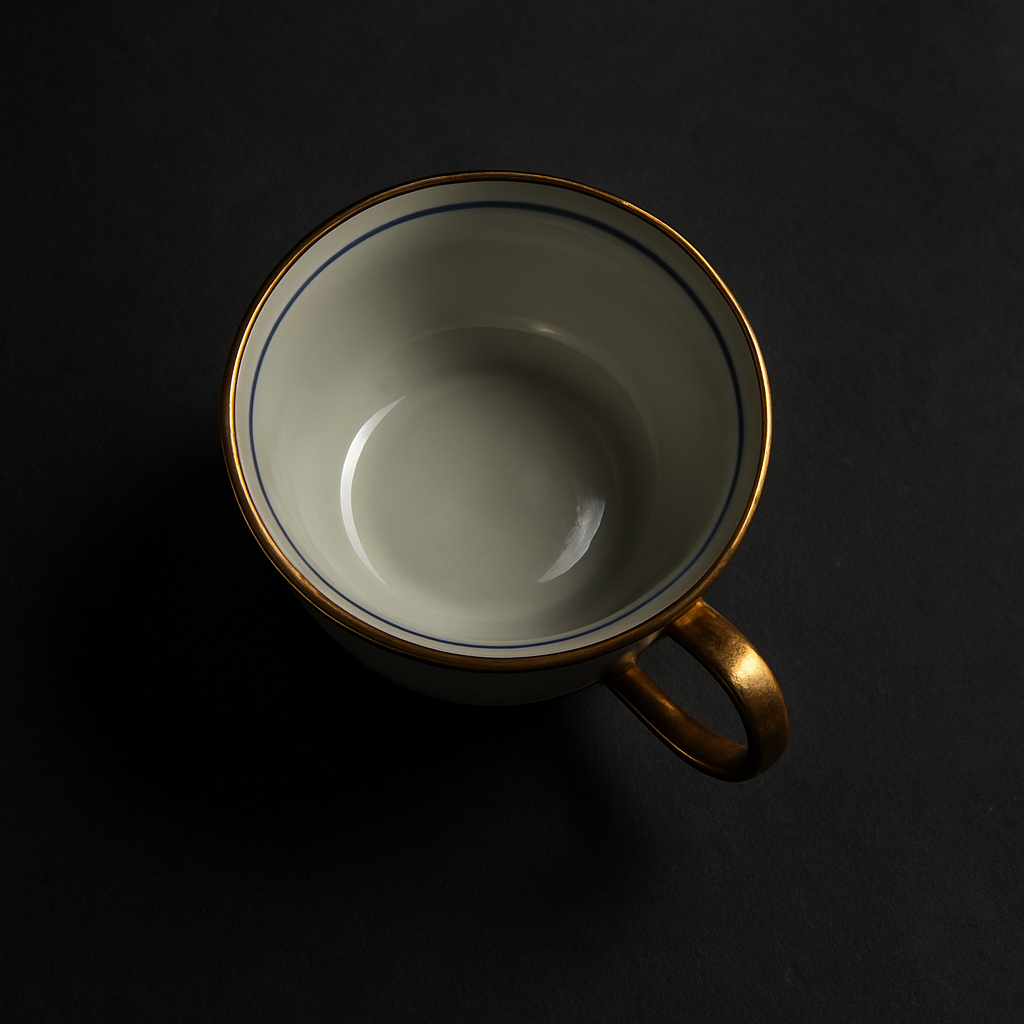
If your bowl develops a musty odor—common with porous, unglazed clay—don't panic. Fill it with a solution of one part white vinegar to three parts water, let it sit for an hour, then rinse thoroughly and dry in sunlight. The clay will release what it absorbed.
Some collectors go further: once a season, they give their pottery a ceremonial cleaning, submerging pieces in plain water overnight, then drying them completely before returning them to the shelf. It's a reset, a small ritual that acknowledges the bowl's material nature.
---
The best-cared-for bowl is the one used often, washed with attention, and given time to rest between meals—a rhythm that mirrors the potter's own.
FAQ
Chaware curates authentic Japanese crafts — straight from the makers in Japan to your table.
Explore the Chaware collection →