Why Some Japanese Pottery Is Not Dishwasher Safe (And How to Care for It)
On this page
You set your handmade Japanese bowl on the top rack of the dishwasher and close the door. Three weeks later, you notice hairline cracks spreading across the glaze like a spider's web.
What happened?
The clay remembers water
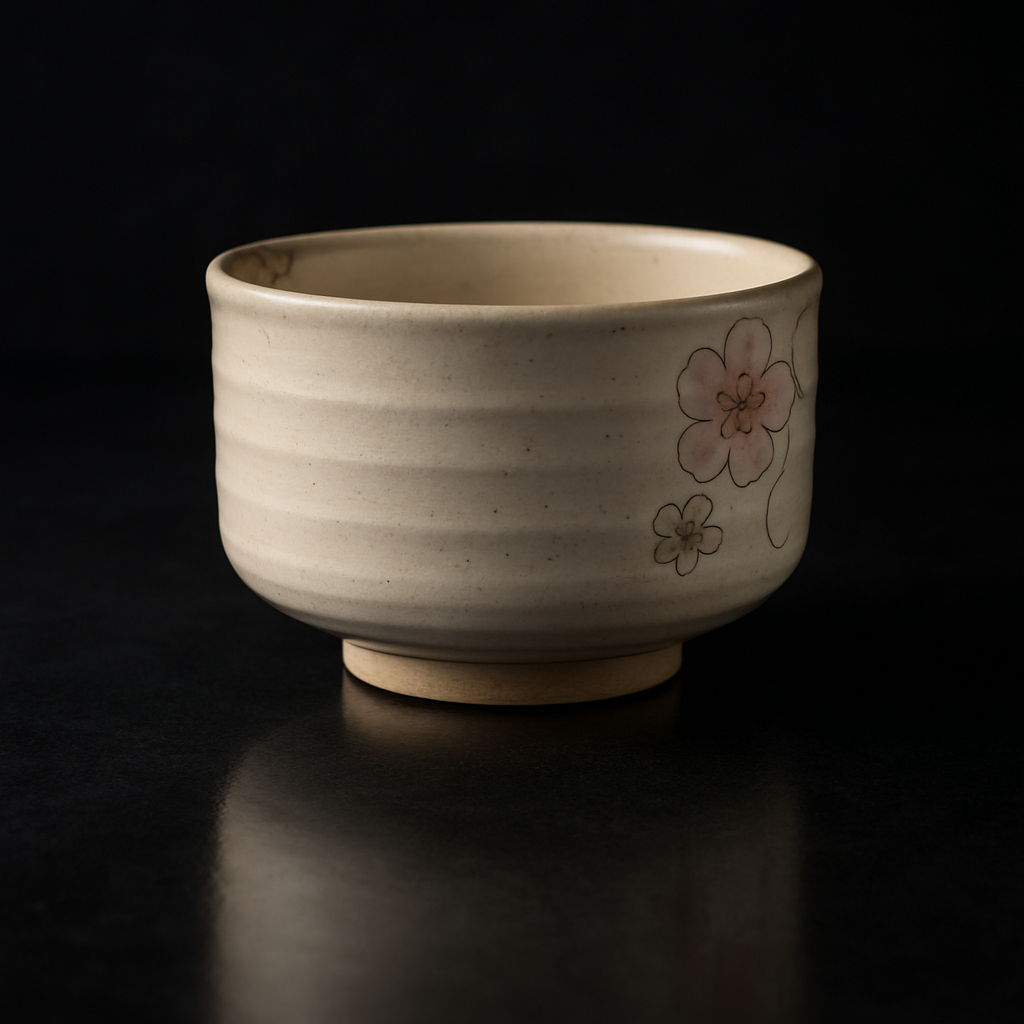
Japanese pottery isn't just shaped and fired — it's often left intentionally porous. Unlike the fully vitrified stoneware mass-produced in industrial kilns, many traditional Japanese ceramics are fired at lower temperatures, leaving microscopic gaps in the clay body. This isn't a flaw. It's a feature.
Tokoname teapots, for instance, are prized precisely because their unglazed interiors absorb tea oils over time, seasoning the pot and deepening the flavor with each steep. Bizen ware develops its legendary character through an unglazed surface that breathes. These pieces are designed to interact with what you pour into them.
But dishwashers flood these pores with detergent-laced water under pressure, then blast them with heat. The clay swells. The glaze doesn't. Something has to give.
When glaze and clay move at different speeds
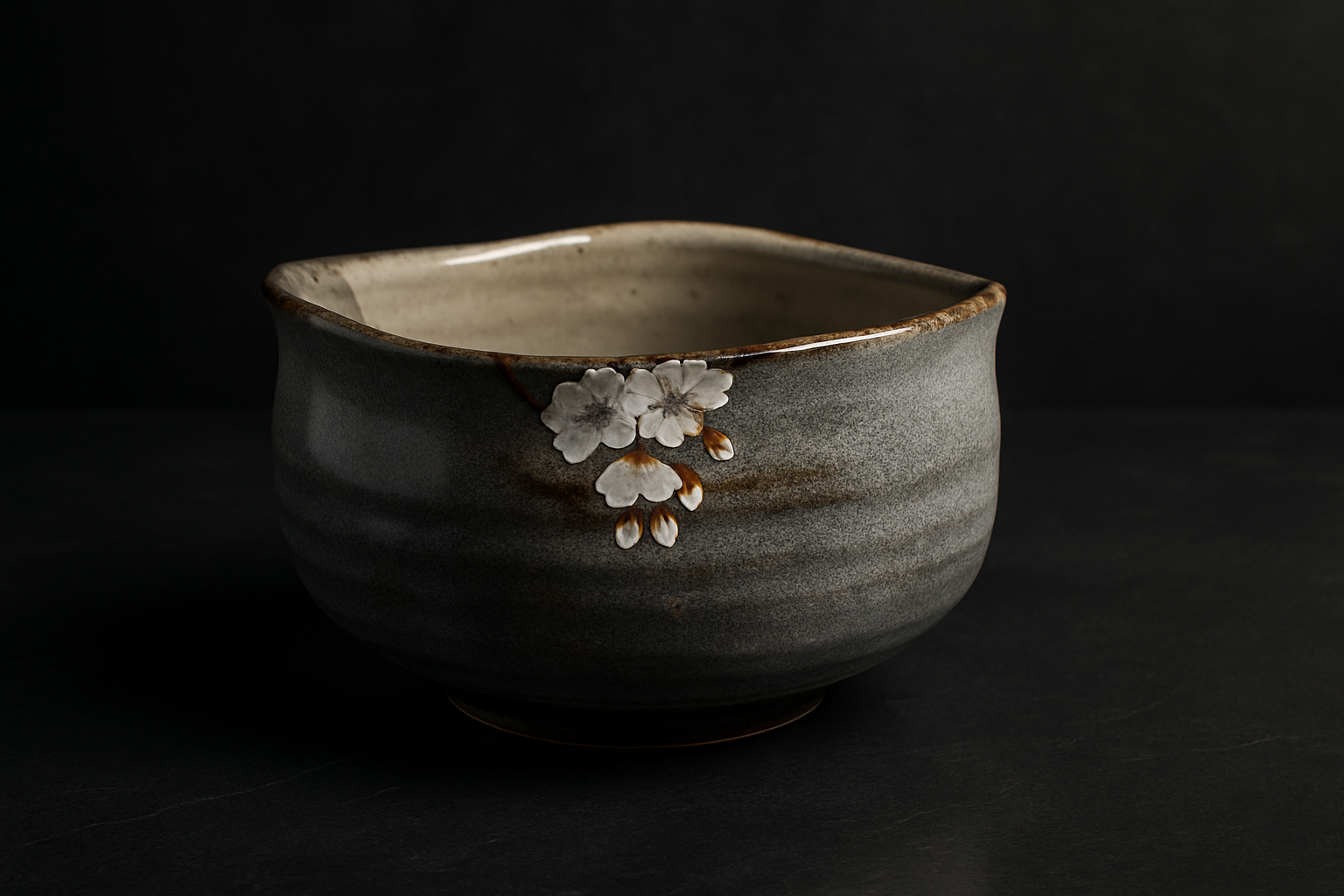
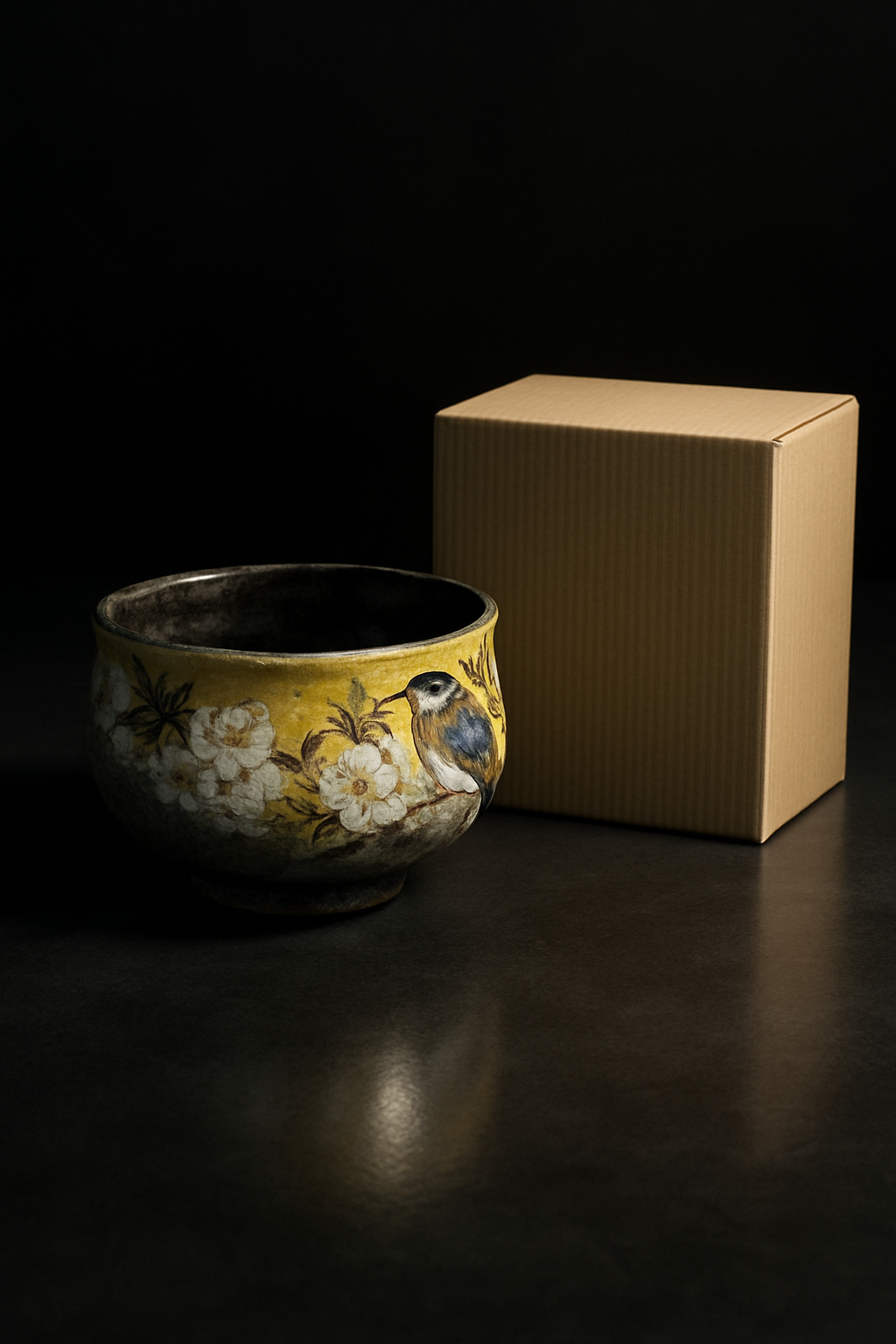
Traditional Japanese glazes — especially the ash glazes used in Mino ware and the milky hakuji whites of Arita — are often applied in thin, delicate layers. They're meant to sit gently on the clay, not fuse into an impermeable industrial shell.
Dishwashers subject pottery to rapid temperature swings: scalding wash cycles followed by cool rinses. Glaze and clay expand and contract at different rates. Over time, this creates crazing — those fine cracks that look like ancient porcelain but signal structural stress. Water seeps in. Stains follow. Eventually, chips.
A glaze that took three days to cool in a climbing kiln doesn't appreciate being shocked in three minutes.
Some potters even warn against microwaves for the same reason. Heat from within, moisture trapped in pores — it's a recipe for fracture.
The ritual hiding in the warning label
There's another layer here, quieter but just as important. Japanese ceramic tradition carries an ethic of care — the idea that objects become more meaningful when you tend to them.
Kintsugi, the art of repairing broken pottery with gold-laced lacquer, doesn't exist in a culture that treats bowls as disposable. Hand-washing a tea cup isn't a chore; it's a moment of attention. You feel the weight, notice how the glaze has softened with use, see where your thumb has worn a faint polish into the clay.
This isn't romanticism. It's practical philosophy. When you hand-wash pottery, you inspect it. You catch the small crack before it becomes a break. You dry it thoroughly so moisture doesn't settle into unglazed foot rings and cause mold.
The dishwasher is designed for efficiency. Japanese pottery is designed for relationship.
What actually survives the machine
Not all Japanese ceramics are fragile. Fully glazed, high-fired porcelain — the kind used in restaurants across Japan — generally handles dishwashers fine. Modern Hasami ware designed for everyday use often gets a pass. If the entire surface is glassy-smooth and the piece feels dense and heavy for its size, it's probably vitrified enough to withstand the assault.
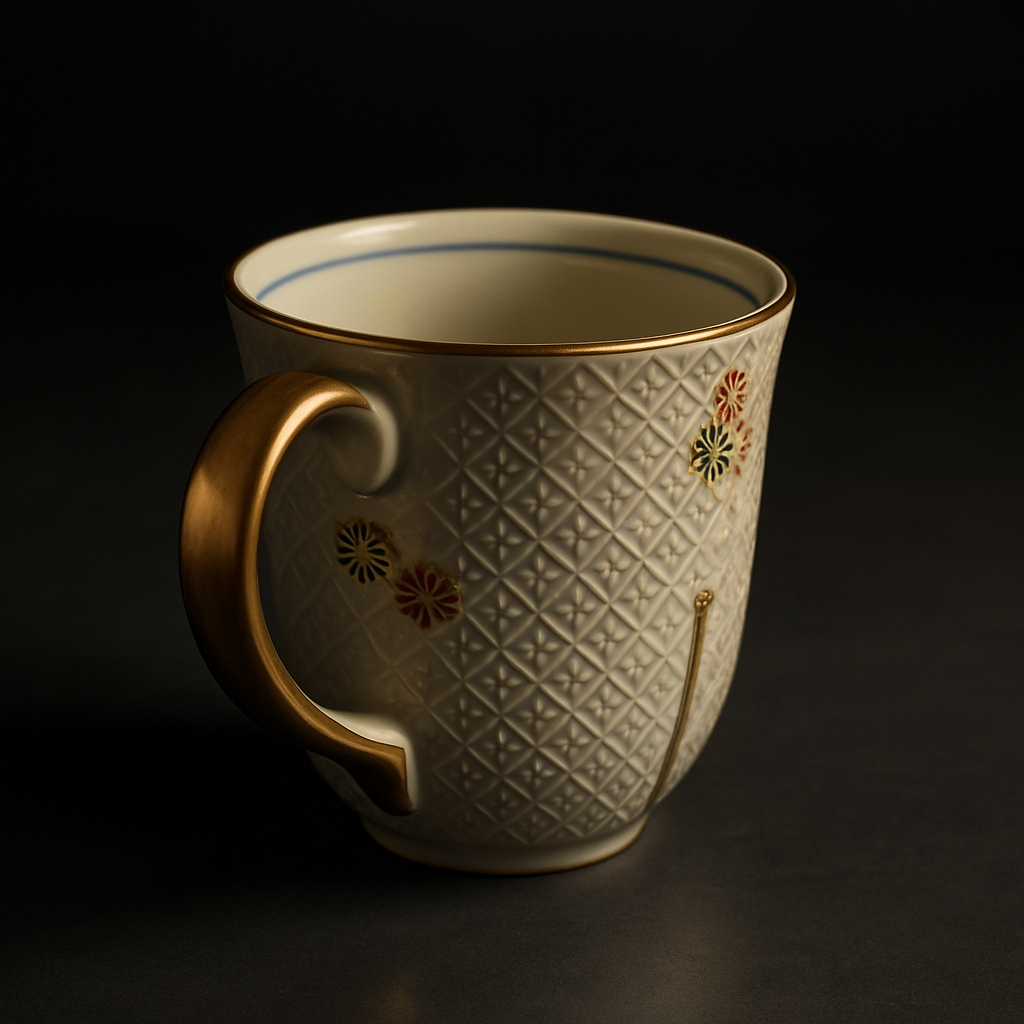
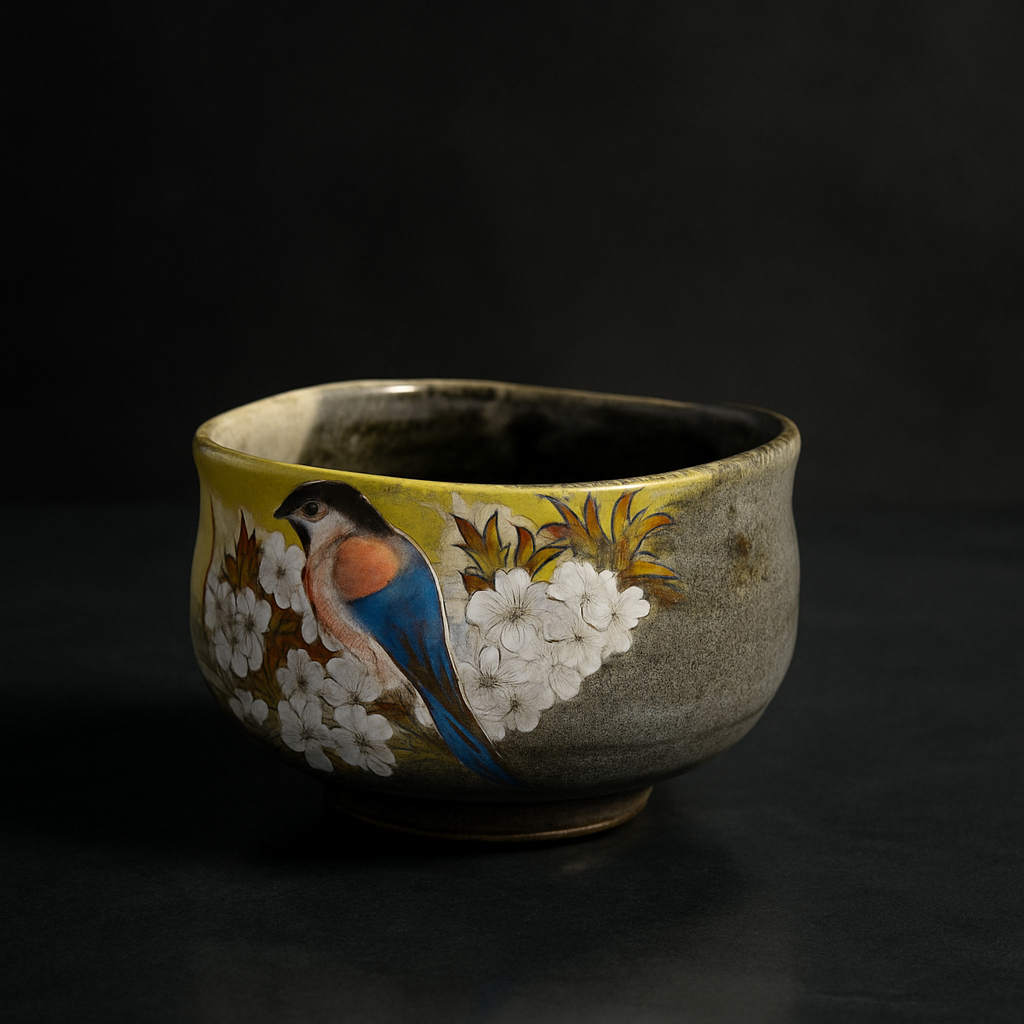
But if you're holding something with: - Visible clay texture or an unglazed base - Matte, soft, or uneven glaze - Gold or silver overglaze decoration
Keep it out of the machine.
The truth is, the pottery that can't go in the dishwasher is often the pottery worth keeping. The kind that changes as you use it. The kind that remembers.
FAQ
Chaware curates authentic Japanese crafts — straight from the makers in Japan to your table.
Explore the Chaware collection →