The Three Schools of Japanese Tea Ceremony: Urasenke, Omotesenke, and Mushanokōjisenke
On this page
You might think a tea ceremony is just a tea ceremony. But in Japan, the way you fold the cloth, the angle you turn the bowl, even which knee touches the tatami first—these details declare which lineage you follow.
Three families have shaped the soul of Japanese tea ceremony for over four centuries, each descended from the same source, each with a distinct philosophy about what tea should mean.
The fracture that created three paths
In the late 16th century, Sen no Rikyū perfected wabi-cha—a radical simplicity that turned tea from aristocratic performance into spiritual practice. After his death in 1591, his grandson Sen Sōtan carried the tradition forward. But when Sōtan retired, he divided his tea world among his three sons and one adopted son, creating separate schools that would never reunify.
The youngest son inherited the family estate, Fushin-an. The second son built his own tea house just across a narrow Kyoto alley. The eldest established his school nearby. These weren't just addresses—they became philosophies made physical.
Urasenke: the school that opened outward
Urasenke, meaning "rear Sen family," took its name from the back gate of the original property. But there's nothing "rear" about its influence today. This is the school that brought tea ceremony to the world beyond Japan.
Urasenke embraced modernity without abandoning tradition. They standardized teaching methods, created certification systems, and established international branches. Walk into most tea ceremony classes outside Japan, and you're likely learning Urasenke style. Their approach is warm, accessible, designed to welcome newcomers into the fold.
The differences between schools aren't about better or worse—they're about which aspect of Rikyū's teaching you choose to emphasize.
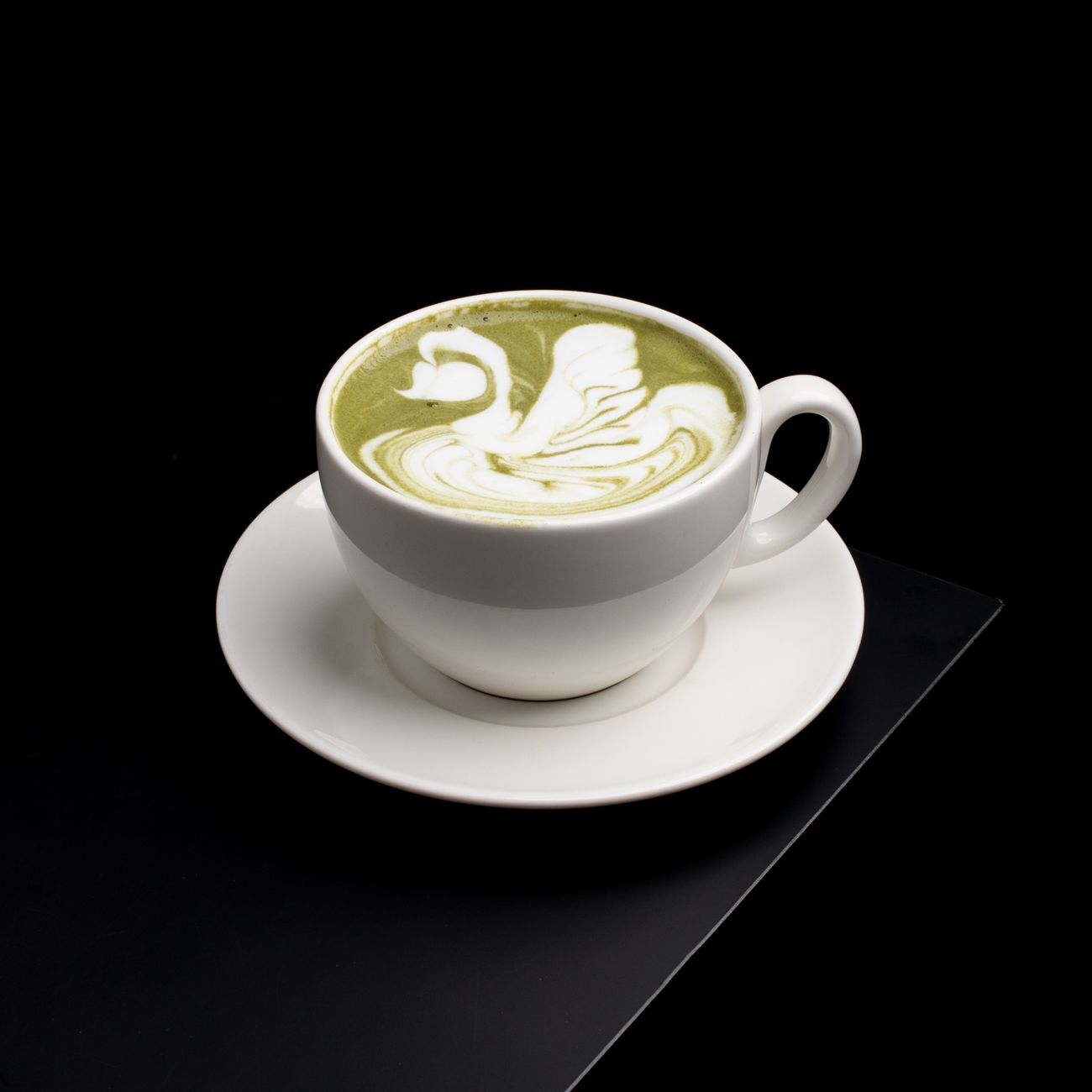
The practical distinctions show up everywhere. Urasenke practitioners whisk their matcha until a rich foam crowns the bowl. They use specific cloths, turn the tea scoop in a particular direction, and follow a choreography refined over generations.
Omotesenke: preserving the austere heart
Omotesenke—"front Sen family"—took the main gate and with it, a commitment to preservation. If Urasenke opened doors, Omotesenke guarded the threshold.
Their tea is whisked less vigorously, creating minimal foam. The movements feel more restrained, the aesthetic leaning toward Rikyū's original austerity. Where Urasenke might feel welcoming, Omotesenke can feel meditative, even austere. Both are valid expressions of the same root.
Omotesenke maintained closer ties to traditional Japanese arts—Noh theater, calligraphy, incense ceremony. Their tea rooms tend toward the deeply traditional, their teaching more selective. This isn't elitism; it's a different understanding of how tradition survives.
Mushanokōjisenke: the quiet third
Mushanokōjisenke, the smallest of the three, takes its name from the Kyoto street where it was founded. Often overlooked in discussions that focus on the "big two," this school represents yet another interpretation of Rikyū's legacy.
Their style falls somewhere between the other schools—less foam than Urasenke, less severe than Omotesenke. They've maintained independence while the other two schools expanded globally, creating an intimate lineage that values depth over reach.
Same roots, different flowers
Stand in Kyoto's narrow streets where these three schools still maintain their ancestral tea houses, and you can almost see the family resemblance. The same blood, the same teacher, the same bowls of matcha. But step inside each school's tea room, and you'll taste the difference—not in the tea itself, but in everything surrounding it.
The fracture that created three schools wasn't a tragedy. It was an acknowledgment that even perfect simplicity can be understood in multiple ways, each true to its source.
FAQ
Chaware curates authentic Japanese crafts — straight from the makers in Japan to your table.
Explore the Chaware collection →