Sencha History: How a Chinese Tea Tradition Transformed Japanese Culture
On this page
The tea Japan knows today as sencha didn't begin on Japanese soil. It arrived as an idea—a method, a gesture—carried across the sea from China, where it had already lived several lives.
When steaming replaced roasting
For centuries, Chinese tea meant leaves pan-fired in woks, their vegetal edge softened by heat and oxidation. But in the Ming Dynasty, something shifted. Steaming—a gentler, faster method—began appearing in certain regions, preserving the leaf's vivid green and grassy brightness. This wasn't the powdered matcha Japan had adopted centuries earlier. This was whole-leaf tea, steeped and poured.
Japanese monks and merchants who traveled to China in the 17th and 18th centuries brought back more than scrolls and silk. They brought back this newer way of drinking tea: sencha, from the Chinese jian cha (煎茶), meaning "infused tea." It was lighter, less ceremonial, more everyday. And it arrived in Japan at exactly the right moment.
A merchant's rebellion
By the mid-1700s, matcha had become the domain of the elite—bound up in the formality of chanoyu, the tea ceremony. But a new class was emerging: urban merchants, scholars, intellectuals who wanted culture without rigid hierarchy. They wanted tea that felt conversational, not choreographed.
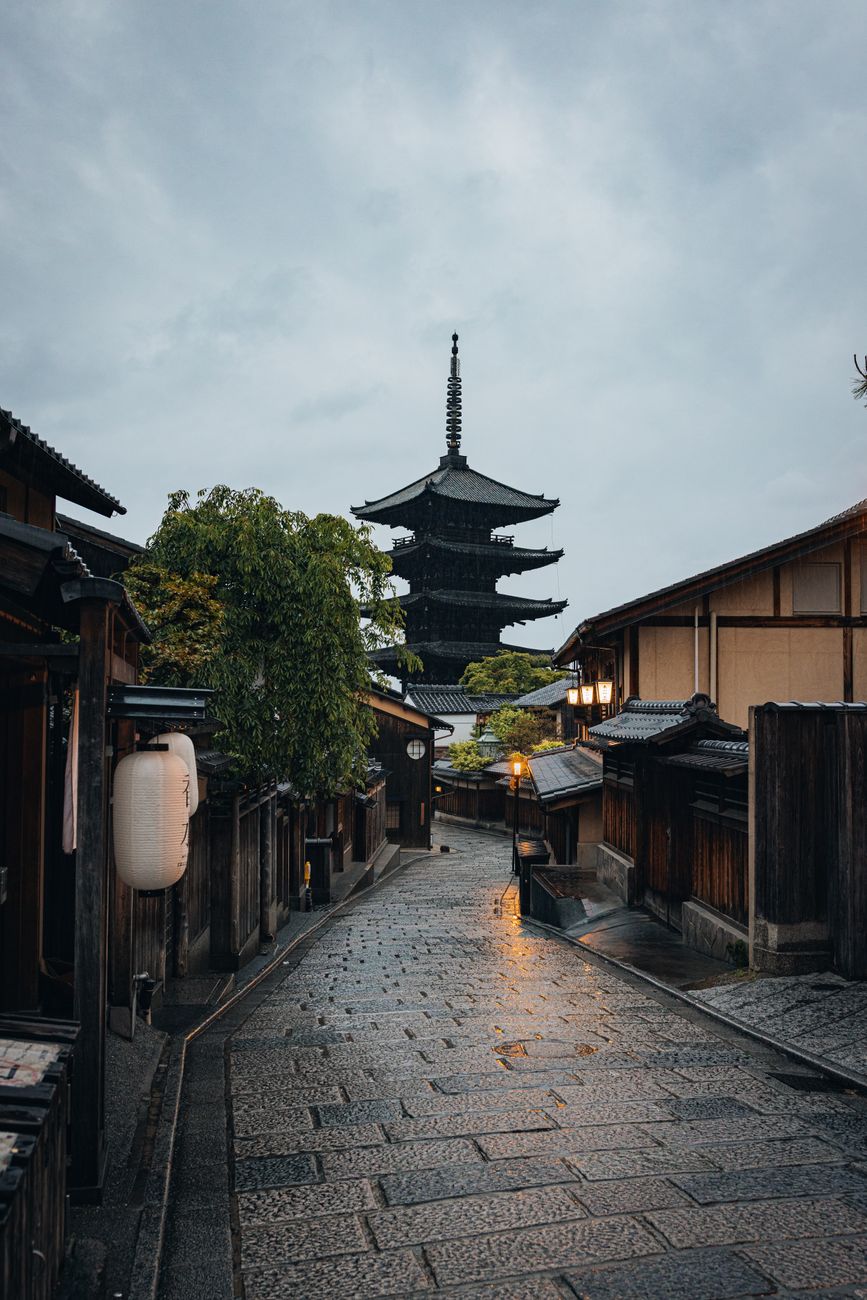
Enter Baisaō, the "old tea seller," a monk-turned-wanderer who set up a humble tea stall in Kyoto and served sencha to anyone who stopped by. He didn't kneel on tatami or whisk powder into foam. He steeped loose leaves in a pot and poured. No rules. No rank.
Sencha became the tea of the literate class—a drink for poets who preferred discussion to silence.
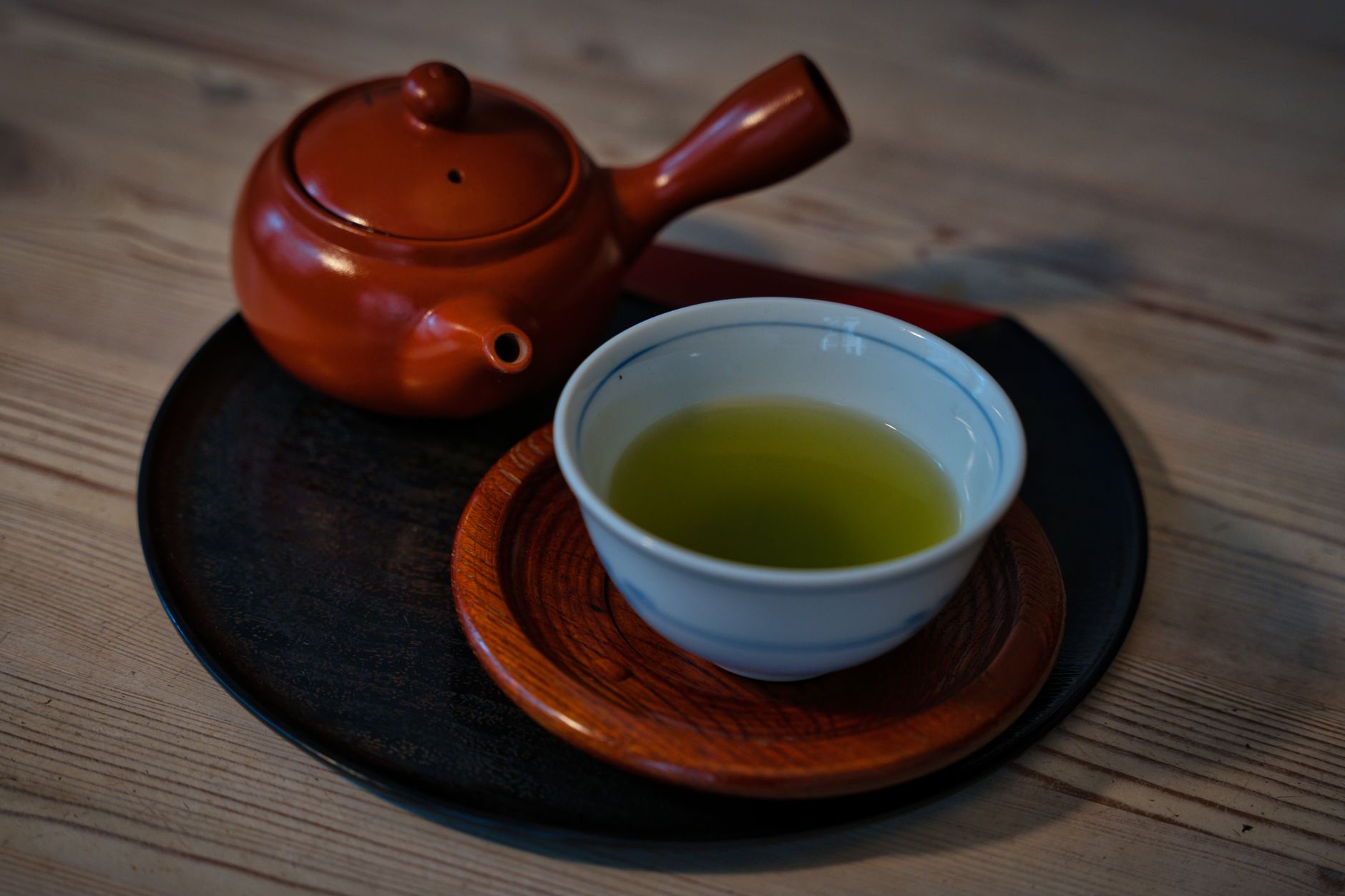
It spread quickly. By the late Edo period, sencha had its own aesthetic: smaller teapots, delicate cups, an emphasis on aroma and clarity rather than froth and ritual. It was still Japanese—still rooted in mindfulness—but it breathed differently.
What Japan did with the leaf
The Chinese method was a starting point, not a blueprint. Japanese tea farmers adapted it to their own landscape and taste. They refined the steaming process, developed regional styles—fukamushi (deep-steamed), asamushi (lightly steamed)—and cultivated varieties like Yabukita that thrived in Japanese soil.
The result? A tea that tastes distinctly Japanese: sweeter, grassier, more umami-rich than its Chinese predecessor. The terroir of Shizuoka, Kyoto, Kagoshima shaped the flavor. So did centuries of incremental care—farmers adjusting harvest times, shade levels, oxidation.
China gave Japan the spark. Japan turned it into something entirely its own.
The cup that never stood still
Today, when you steep sencha, you're participating in a lineage that refused to stay fixed. It migrated. It democratized. It adapted to new hands, new water, new desires. The tea in your cup is Chinese and Japanese and neither—it's the accumulation of choices made by people who believed taste could evolve without losing its roots.
Pour slowly. The leaves will unfurl, and so will the centuries.
FAQ
Chaware curates authentic Japanese crafts — straight from the makers in Japan to your table.
Explore the Chaware collection →