The Art of Negative Space Plating: What Empty Space Means on a Japanese Plate
On this page
You set down the plate, and half of it is empty. In Western plating, this would look unfinished—a mistake. In Japan, it's the point.
The philosophy hiding in plain sight
The Japanese call it ma—間—and it's one of the most misunderstood concepts in their aesthetic vocabulary. Literally "gap" or "pause," ma isn't just empty space. It's charged space. The silence between notes in music. The beat before a tea master lifts the bowl. The white porcelain around three slices of sashimi.
In Japanese plating, what you don't put on the plate matters as much as what you do. This isn't minimalism for style points. It's rooted in centuries of Zen thought, where emptiness allows the essential to breathe.
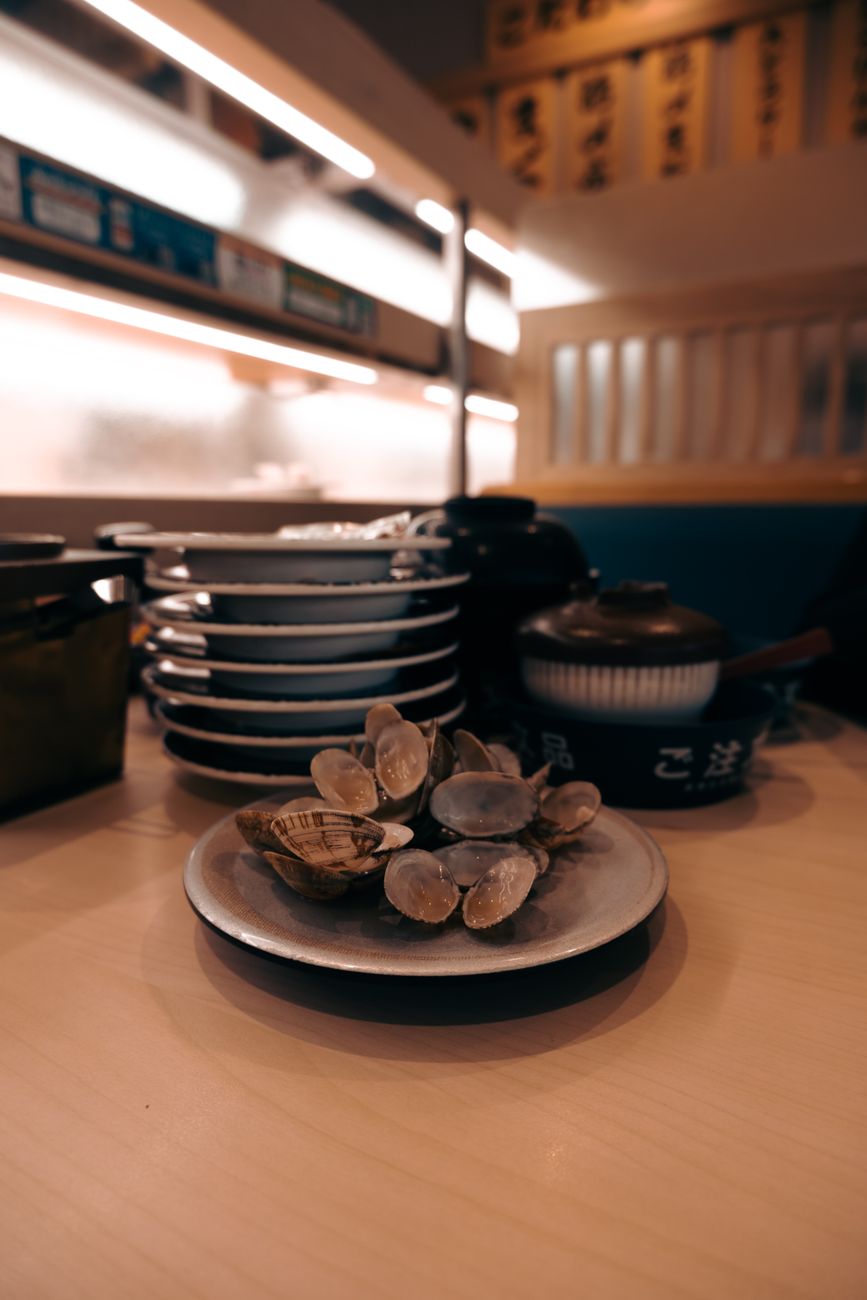
Why a half-empty plate feels full
Western plating often builds outward—proteins centered, vegetables circling, sauces pooled. The eye travels in layers, top to bottom. Japanese plating works differently. Your gaze moves across the void.
That empty space does three things. First, it creates anticipation. The food becomes an event in a landscape, not the whole landscape. Second, it honors the vessel itself—the curve of an Arita rim, the iron-blue brushstroke on Mino stoneware. Third, it invites you to complete the composition mentally. You're not just eating. You're participating.
The empty half of the plate is where your imagination lives.
This is yohaku no bi—the beauty of extra white. Borrowed from ink painting and calligraphy, it's the idea that negative space isn't passive. It hums with potential.
Odd numbers and the art of imbalance
Notice how Japanese chefs rarely plate in even numbers. Three pieces of nigiri. Five vegetables. Seven grains of rice arranged just so.
Odd numbers feel alive because they resist perfect symmetry. They create fukinsei—intentional asymmetry—which the Japanese consider more natural than balance. A perfectly centered plate feels static. An off-center arrangement, cradled by empty space, suggests movement and spontaneity.
Even the placement follows an invisible geometry. Food often clusters in the lower third or along one edge, leaving the rest of the plate to echo. It's compositional tension—the same principle that makes a haiku land in your chest.
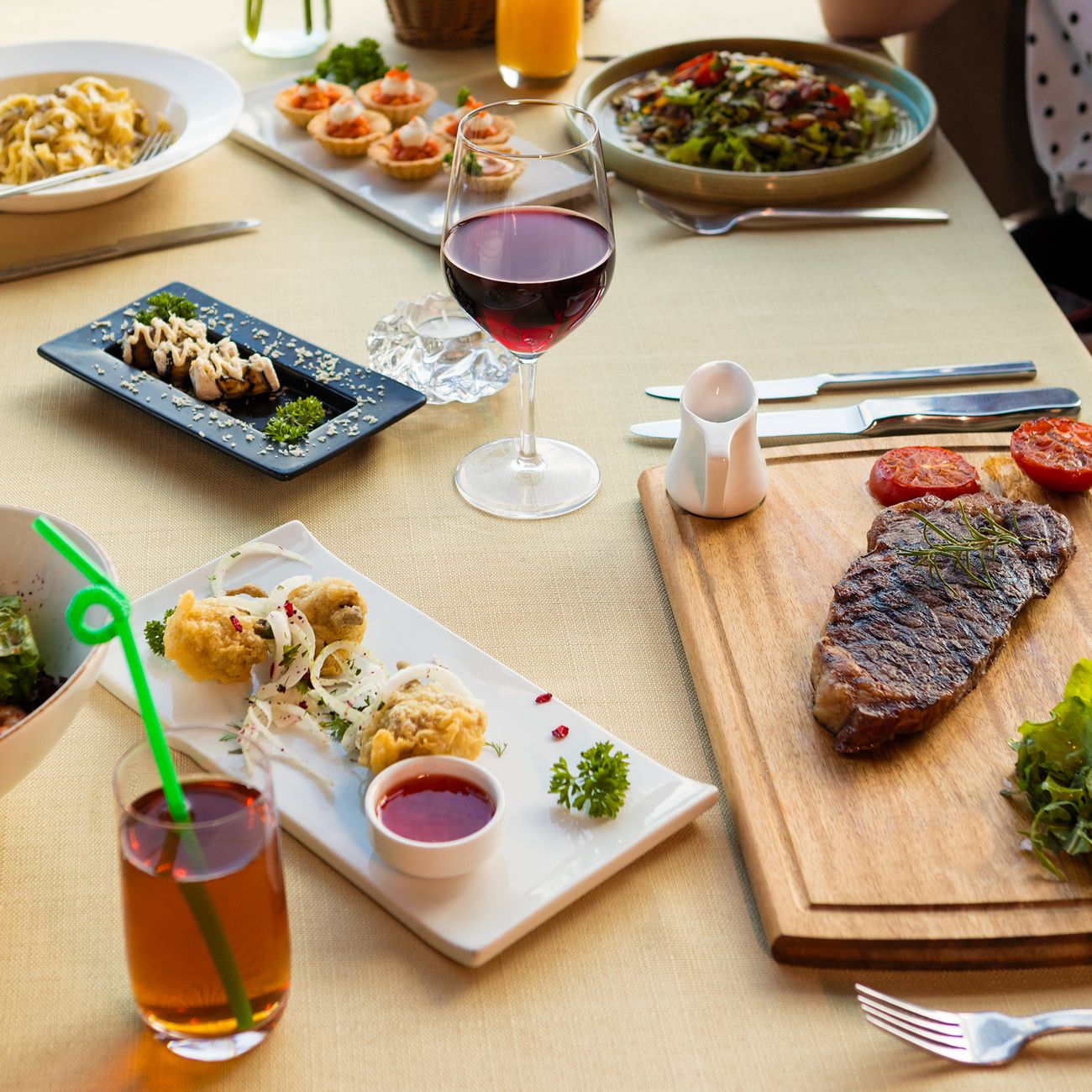
What the vessel whispers
In Japanese dining, the plate isn't a neutral stage. It's a voice in the conversation.
A rough, earth-toned Bizen-yaki dish with its unglazed surface asks for rustic, grounded food—root vegetables, charred fish. A porcelain plate with a single plum blossom painted in cobalt blue needs empty space around it, or the blossom drowns. Chefs choose vessels for their character, then compose the food as a response.
This is why kaiseki meals can involve a dozen different plates, bowls, and cups. Each one shifts the mood. The negative space on one plate sets up the abundance on the next. The rhythm is deliberate.
Learning to see the pause
Next time you're served Japanese food on a plate with obvious empty space, resist the urge to fill it mentally. Let your eye rest there. Notice how the void shapes the food, gives it weight and presence.
The emptiness isn't absence. It's breath.
FAQ
Chaware curates authentic Japanese crafts — straight from the makers in Japan to your table.
Explore the Chaware collection →