Ichiju Sansai History: How Samurai Meals Shaped Japan's Dining Philosophy
On this page
A bowl of rice, a cup of miso soup, and three small dishes. It sounds simple—until you realize it's a philosophy that shaped centuries of Japanese life, from castle kitchens to monastery halls.
The Geometry of Restraint
Ichiju sansai—one soup, three dishes—didn't begin as peasant frugality or dietary trend. It emerged in the Muromachi period (14th-16th centuries) within Zen Buddhist temples, where monks ate according to strict principles: balance the five flavors, honor the five colors, respect the five cooking methods. Every meal was a meditation in proportion.
When samurai adopted Zen practices—seeking mental discipline as much as spiritual insight—this eating structure followed them home. The warrior class didn't just borrow a menu. They absorbed an entire framework for thinking about nourishment, self-control, and the proper order of things.
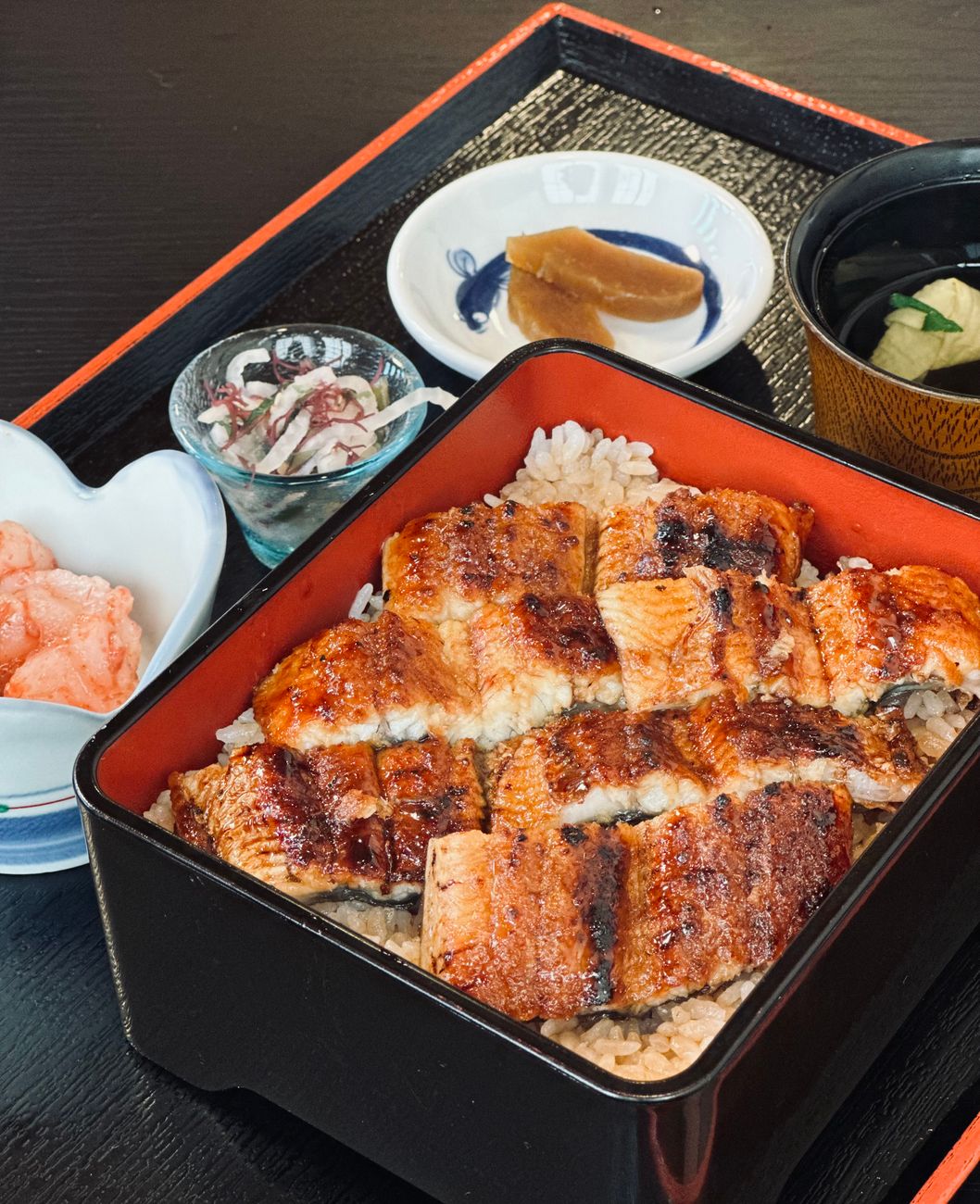
What Sat on a Samurai's Tray
Picture a lacquered meal tray in a castle's inner chamber. Rice always anchored the right side, soup to the left—positions dictated by centuries of ritual, not whim. The three dishes (sansai) typically included a main protein, a simmered vegetable dish, and pickles.
But here's what made it samurai: the deliberate absence of excess. While wealthy merchants might pile their tables with delicacies to flaunt status, the warrior ideal prized restraint. A perfectly grilled fish, seasonal greens dressed simply, rice that needed no embellishment. Each element distinct, nothing competing for attention.
The meal wasn't about abundance—it was about clarity.
This wasn't asceticism for its own sake. Samurai needed sustained energy, mental focus, and digestive efficiency. Overeating dulled the senses. Ichiju sansai offered complete nutrition without the fog of indulgence.
From Battlefield Ration to National Grammar
As the samurai class solidified its cultural dominance during the Edo period, their eating habits became aspirational. Merchant families adopted ichiju sansai as a mark of refinement. Cookbooks began codifying the arrangements. What began as monastic discipline became the invisible architecture of Japanese home cooking.
Even the language shifted. When Japanese people today speak of a "proper meal" (shokuji), they're often unconsciously invoking this structure—the completeness of rice, soup, and thoughtfully chosen sides. Fast food and Western influence have reshaped daily eating, but ichiju sansai remains the cultural baseline, the template against which other meals are measured.
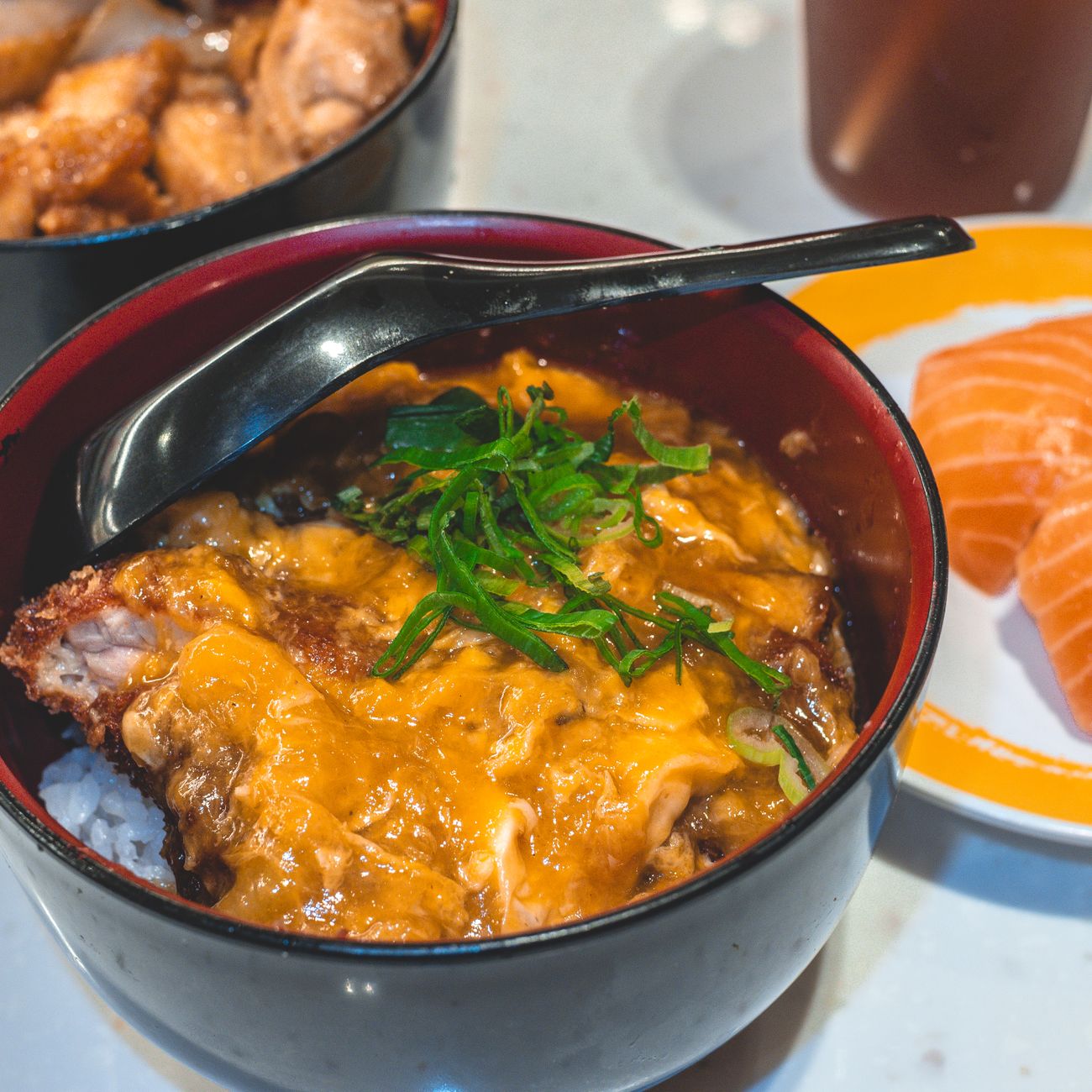
The Living Format
Walk into any traditional ryokan or shokudo today and you'll still see it: the geometry of one and three, the careful distribution across the tray, rice and soup holding their appointed positions. Home cooks reach for it instinctively when they want to "do it right."
It's not museum food. It's a living format that bends without breaking—accepting new ingredients, modern techniques, personal touches—while maintaining its essential proportions. The samurai who once ate this way are long gone, but they left behind something more durable than swords or castles.
A way of arranging a meal that's also a way of arranging your thoughts.
FAQ
Chaware curates authentic Japanese crafts — straight from the makers in Japan to your table.
Explore the Chaware collection →