The Aesthetics of Asymmetry in Japanese Plating: A Study in Visual Balance
On this page
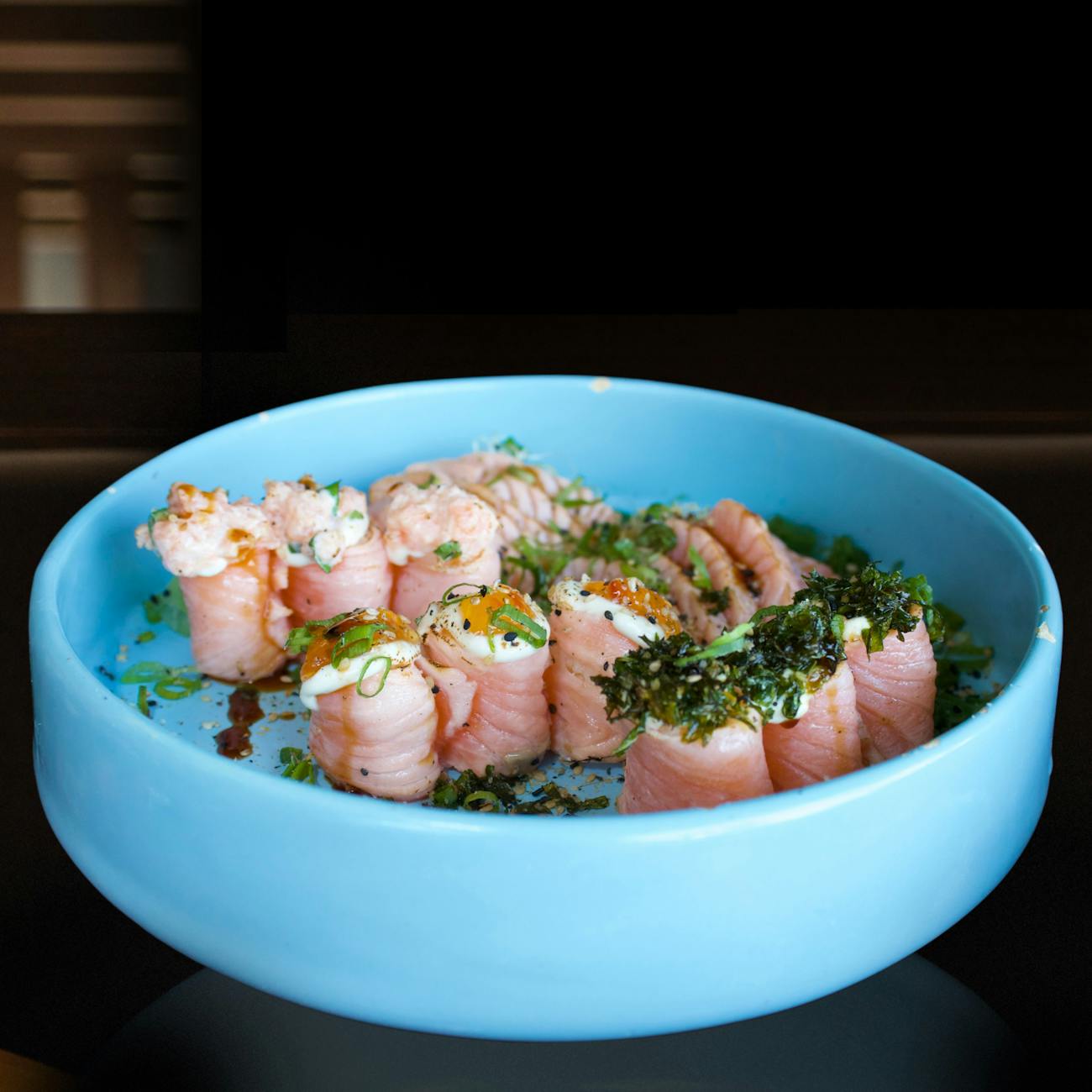
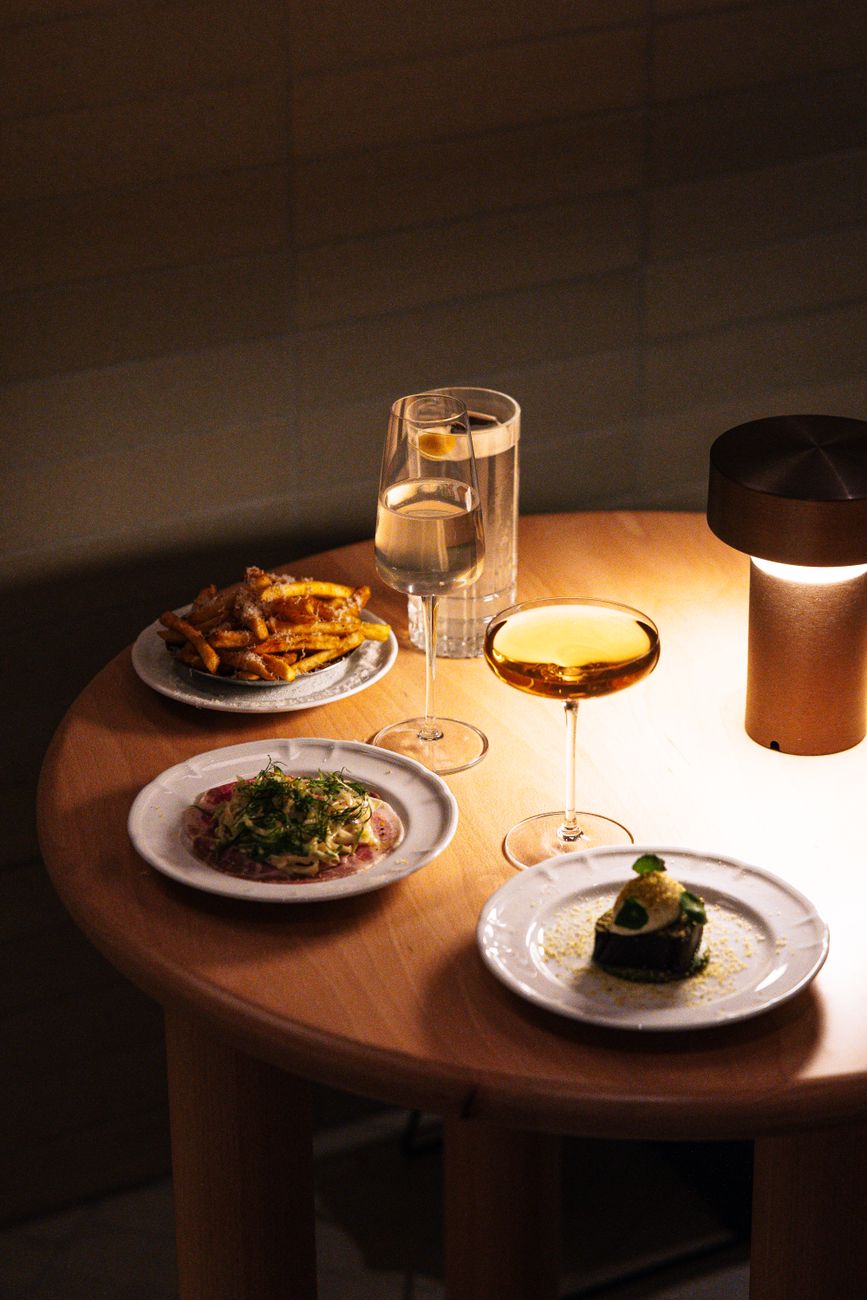
A kaiseki meal arrives. Thirteen courses, yet not a single plate repeats its shape, color, or position on the tray. Nothing is centered. Everything breathes.
The space that speaks
Western plating inherited the logic of the Renaissance: symmetry equals beauty, balance requires mirroring, the center commands attention. Japanese plating learned from nature. A river doesn't flow down the middle of a valley. A branch doesn't grow straight from the trunk. The most arresting landscapes—the ones that stop you mid-step—are always slightly off-kilter.
This is fukinsei, the aesthetic principle of controlled asymmetry. It's one of the seven pillars of Zen-influenced beauty, and it governs everything from ikebana flower arrangements to the way a single grilled sweetfish rests on a ceramic plate. The food is never centered. The negative space is never equal. The eye travels, searches, discovers.
The rule of odds and emptiness
In traditional Japanese plating, odd numbers dominate. Three pieces of sashimi, not four. Five vegetables, not six. Seven is auspicious; eight feels stagnant. The asymmetry starts with quantity and extends to placement—ingredients cluster toward one side, leaving generous ma, the pregnant emptiness that gives the composition room to breathe.
Emptiness is not absence; it's the pause that lets you taste what's there.
A chef trained in kaiseki will position a glazed winter squash at the two o'clock position on an oval dish, its curve echoing the rim but never touching it. The remaining space isn't wasted—it's activated. Your eye completes the circle. The dish feels alive, unfinished in the most deliberate way.
Borrowed scenery on the table
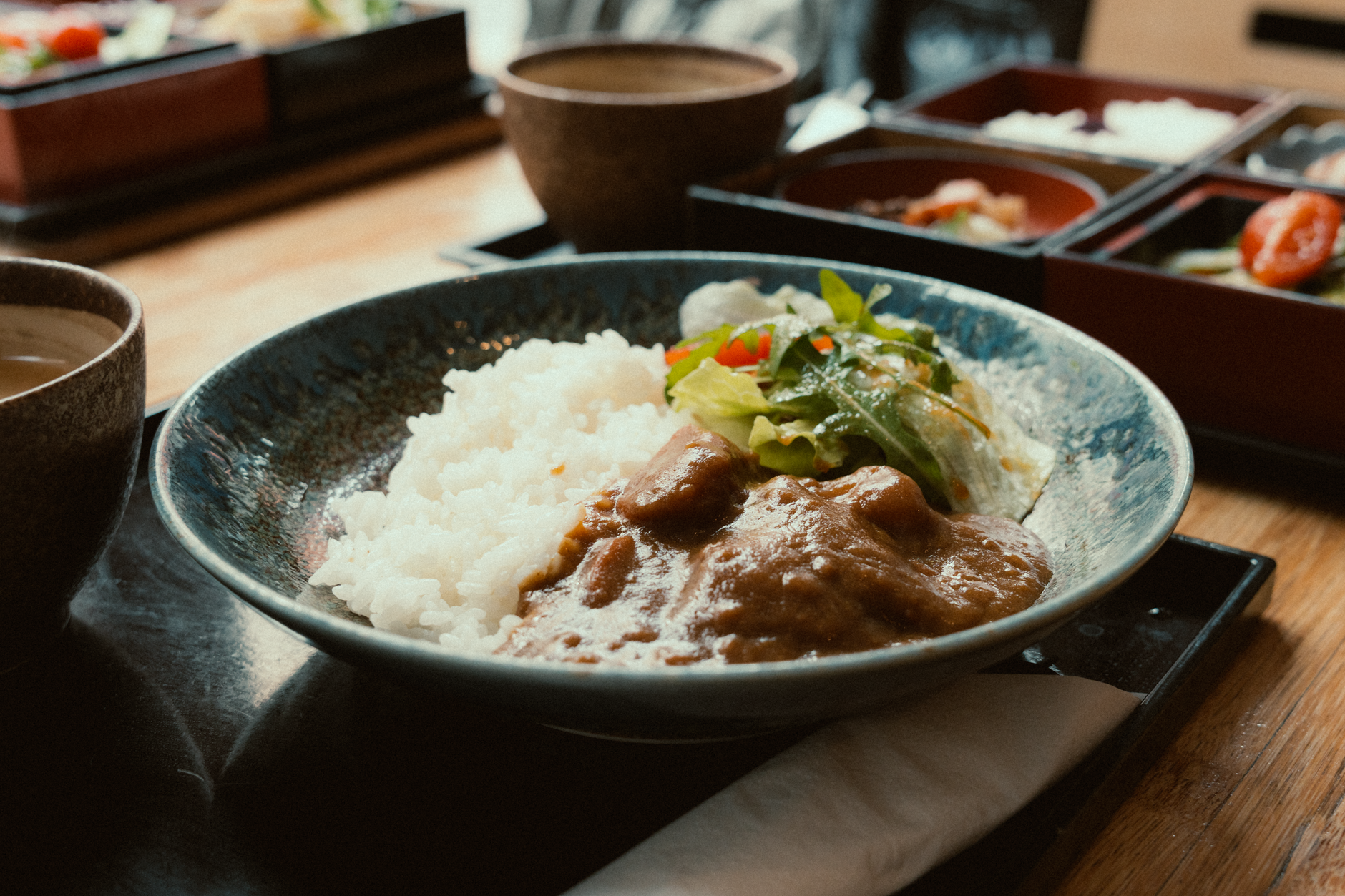
The term shakkei usually describes gardens designed to "borrow" distant mountains as part of their composition. But the same principle shapes a plating philosophy. A ceramic plate isn't a neutral canvas—it's terrain. The glaze suggests a riverbed. The irregular edge recalls a coastline. The food becomes weather, seasons, a miniature landscape you're about to consume.
Asymmetry allows that landscape to feel natural. A perfectly centered mound of rice looks constructed. Offset slightly, with a pickled plum tucked beside it and three shiso leaves leaning like reeds in wind, it becomes a scene. The diner doesn't just eat—they enter a composed moment, a tiny world with its own weather and time of day.
What the eye learns to see
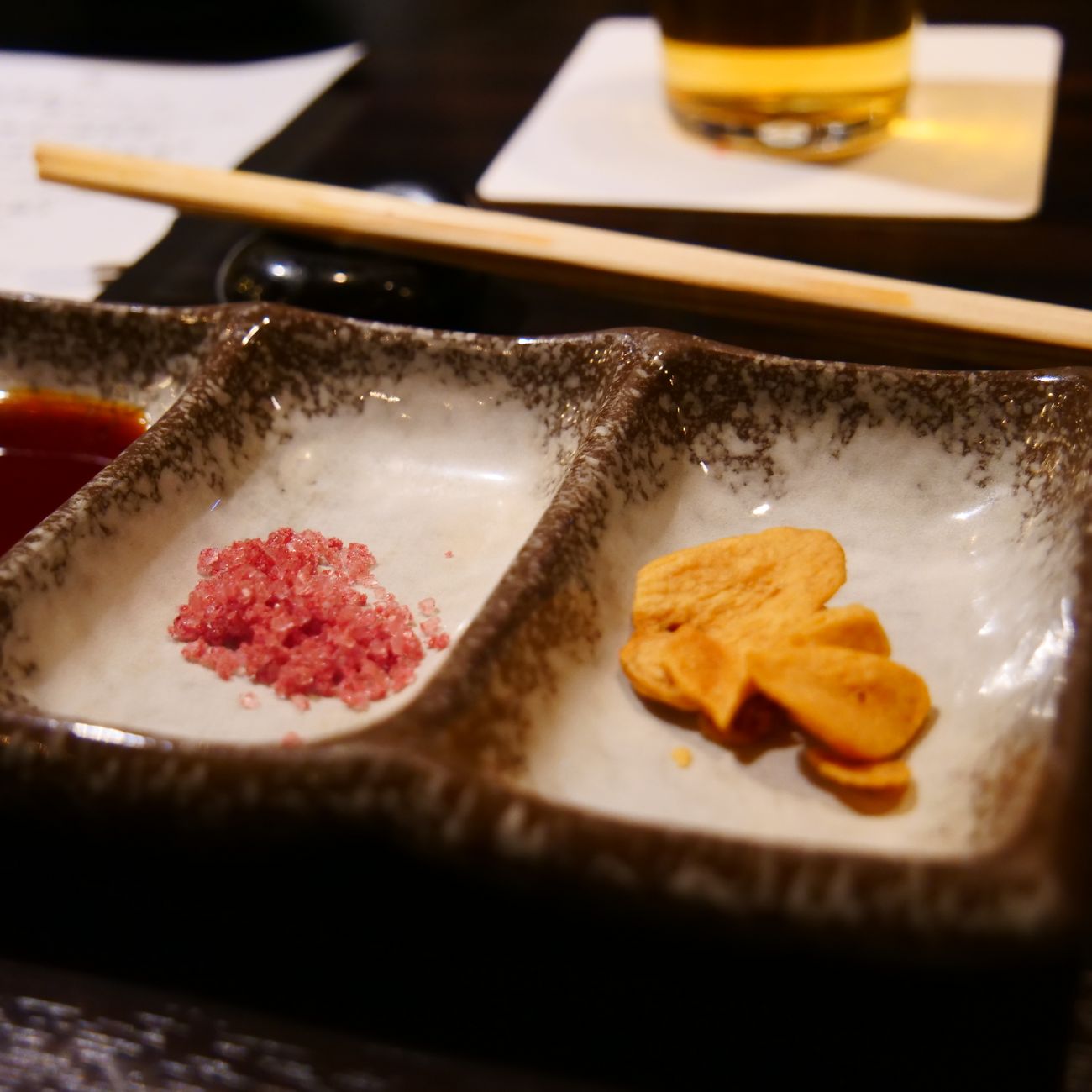
This isn't randomness. It's shibui—restrained elegance, the opposite of showiness. Every angle is considered. The chopstick rests perpendicular, never parallel. The garnish touches the protein but doesn't crowd it. A single droplet of sauce falls where it should, asymmetrical but never accidental.
Western culinary students often struggle with this at first. They want to fix it, center it, make it "right." But asymmetry in Japanese plating isn't about breaking rules—it's about following deeper ones. Rules written by pine branches heavy with snow, by the way moss grows only on the north side of a stone basin, by centuries of watching and waiting and noticing which arrangements make the heart quiet.
The plate is set before you. Nothing is centered. Everything is exactly where it belongs.
FAQ
Chaware curates authentic Japanese crafts — straight from the makers in Japan to your table.
Explore the Chaware collection →