Ceremonial vs Culinary Matcha: Understanding the Difference Between Matcha Grades
On this page
You've seen the emerald powder whisked into frothy clouds at cafés, baked into cookies, blended into lattes. But not all matcha is created equal — and the Japanese have known this for centuries.
The powder that kneels
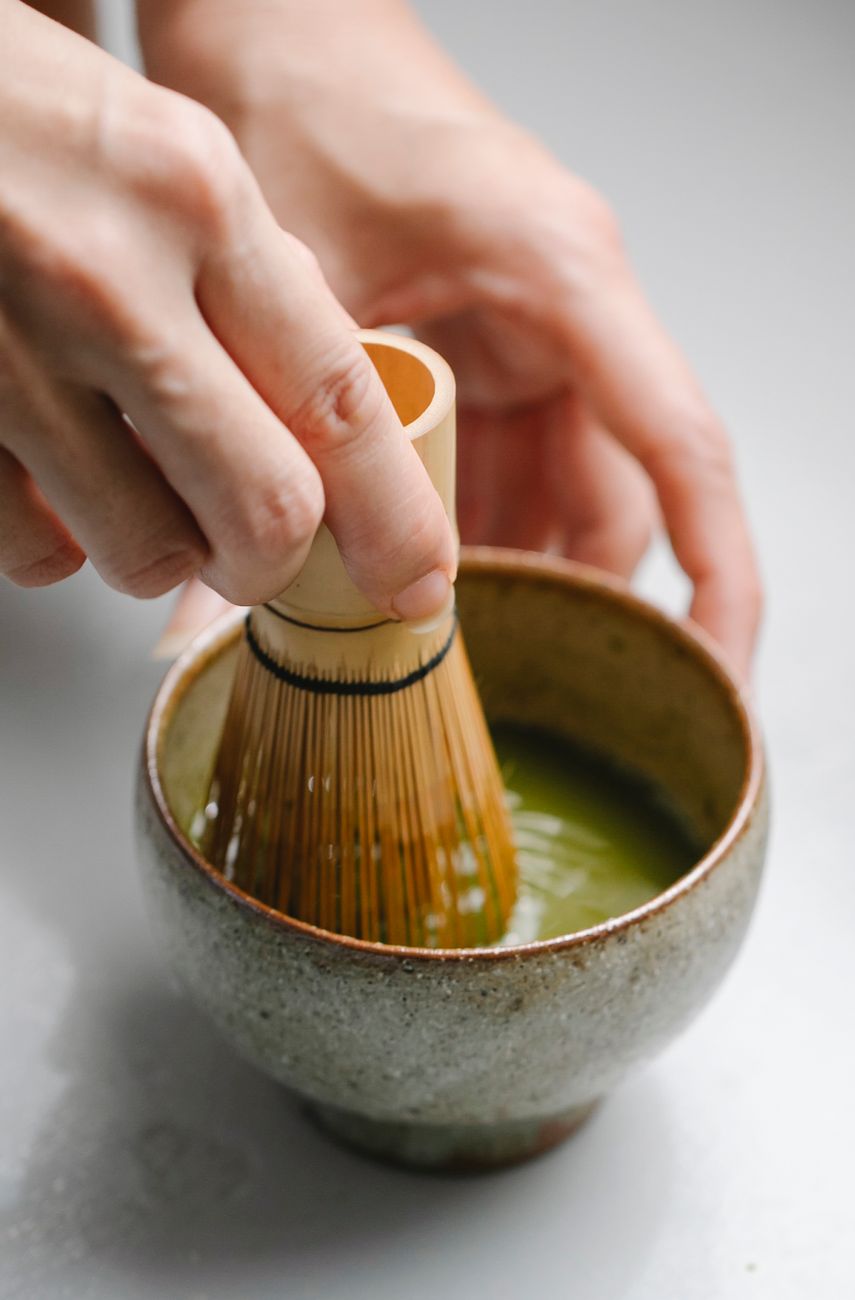
In traditional tea ceremony, or chanoyu, matcha isn't just a beverage. It's a meditation. The finest leaves are stone-ground into a powder so delicate it feels like silk between your fingers, vivid green verging on jade. This is ceremonial grade — matcha meant to stand alone in a bowl of hot water, nothing added, nothing hidden.
Ceremonial matcha comes from the youngest tea leaves, shaded for weeks before harvest to boost chlorophyll and L-theanine. The stems and veins are removed entirely. What remains is pure, sweet, almost grassy — with a natural umami that lingers on the tongue without bitterness.
It's expensive because it's slow. Because it's made to be tasted, not masked.
The powder that works
Culinary grade matcha takes a different path. It's often made from later-harvest leaves, sometimes includes small amounts of stem, and the flavor is more astringent — sharper, earthier, occasionally bitter. This isn't a flaw. It's by design.
When you're adding matcha to milk, sugar, batter, or smoothies, you need a powder with backbone. Culinary matcha holds its own against sweetness and fat. It's robust enough to flavor a cheesecake or cut through the richness of white chocolate. And yes, it's more affordable, because it's meant to be used generously.
Ceremonial matcha whispers; culinary matcha shouts through cream and sugar.
The color tells part of the story. Hold them side by side: ceremonial glows bright, almost neon green. Culinary tends toward olive or yellowish tones — still beautiful, just built for a different role.
What the grades actually mean
Here's where it gets granular. Within ceremonial matcha, there are informal tiers — some producers reserve their absolute finest for koicha, the thick, paste-like tea served at formal gatherings. Others label theirs usucha grade, still ceremonial but slightly less sweet, ideal for everyday whisking.
Culinary grades split further:
- Premium culinary: smooth enough to drink if you add milk, great for lattes
- Ingredient grade: best for baking, cooking, where other flavors dominate
- Kitchen grade: the workhorse — smoothies, energy balls, anything blended
None of this is regulated. There's no official matcha board stamping grades. It's tradition, reputation, and the integrity of the tea maker.

Choosing your ceremony
If you want to understand matcha — truly taste what centuries of Japanese cultivation have refined — start ceremonial. Whisk it with water just below boiling. No sugar. No milk. Let it teach you what umami feels like, how bitterness and sweetness can live in the same sip.
But if you're folding it into morning pancakes or frosting a cake, culinary is your ally. It's matcha that works for a living, and there's honor in that too.
The difference isn't about better or worse. It's about purpose. One asks you to sit still and listen. The other invites you to create, to play, to make something new from something old.
Both are matcha. Both are green. Both came from the same hills, under the same shade cloth, tended by hands that know the rhythm of spring harvest. The question is simply this: what kind of moment are you making?
FAQ
Chaware curates authentic Japanese crafts — straight from the makers in Japan to your table.
Explore the Chaware collection →