How Chopsticks Came to Japan from China: A Journey Across Centuries
On this page
A pair of wooden sticks changed the way an entire nation eats. But it took centuries — and a lot of cultural translation.
The long journey from imperial China
Long before chopsticks arrived in Japan, they were already ancient in China. By the Shang dynasty, more than 3,000 years ago, bronze chopsticks appeared in royal tombs. But these weren't everyday utensils. They were ceremonial objects, symbols of refinement reserved for the elite.
Japan's first encounter with chopsticks likely came through diplomatic channels during the Asuka period, around the 6th and 7th centuries. Emissaries traveled between the courts, carrying not just letters and gifts, but entire systems of thought — Buddhism, Confucian ethics, written language. Chopsticks came bundled with all of it.
At first, they were ritual tools, not dinner companions. Japanese elites used them exclusively for religious ceremonies and imperial banquets, mimicking the formality they'd observed in Tang dynasty China. For everyday meals, most people still ate with their hands.
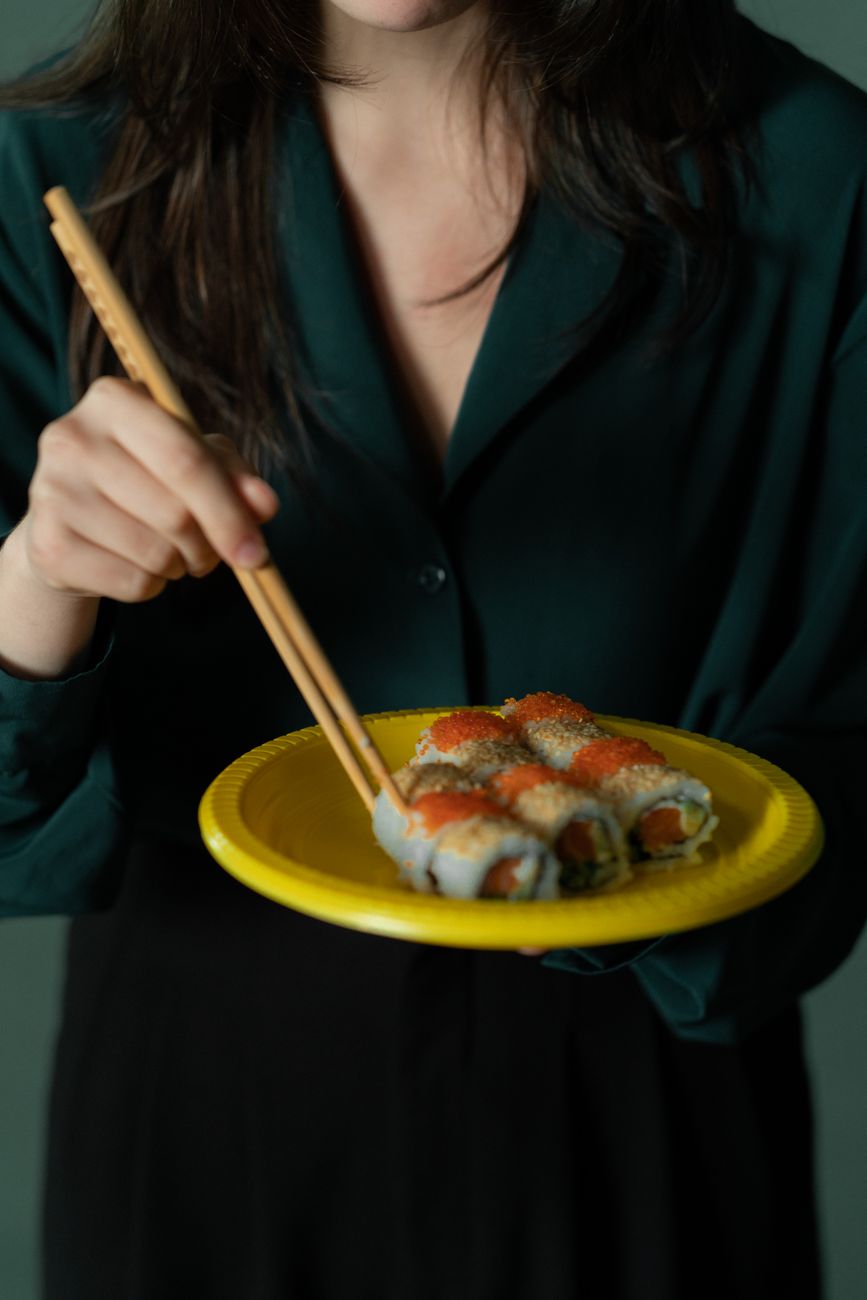
When the court ate, the country watched
The real shift happened at the imperial court in Nara and later Kyoto. Adopting Chinese customs wasn't just fashion — it was statecraft. If you wanted to be seen as a legitimate, sophisticated power, you ate like the Chinese court ate.
Hashi, the Japanese word for chopsticks, entered the language. But the tools themselves evolved. Japanese craftspeople began making them shorter, more delicate, often from a single piece of wood rather than two separate sticks. The tips grew more tapered and precise — better suited for picking bones from fish, a staple the Chinese didn't emphasize nearly as much.
What arrived as imitation slowly became something unmistakably Japanese.
Rice, fish, and the physics of grip
Geography shaped the chopstick as much as culture did. Japan is an archipelago where fish and rice dominate the table. Chinese chopsticks, longer and blunter, worked beautifully for shared dishes and oily stir-fries. Japanese chopsticks needed to do something else entirely: lift individual grains of sticky rice, tease apart delicate fish, navigate the textures of simmered vegetables.
By the Heian period, chopsticks had trickled down from the court to the broader population. Farmers and merchants began using them daily. The utensil became democratized, no longer a mark of status but a practical tool shaped by the food itself.

From ceremony to kitchen
It's easy to imagine chopsticks arriving fully formed, a perfect technology transplanted whole. But that's not how culture moves. The chopsticks that left China were formal, rigid, tied to Confucian table manners and hierarchical dining. The ones that took root in Japan became lighter, more intimate, designed for individual bowls rather than communal platters.
Even the etiquette diverged. In China, placing chopsticks upright in rice is merely improper. In Japan, it's tatebashi — a funeral rite, deeply taboo at the dinner table. Same tool, different soul.
By the time Japan closed its borders during the Edo period, chopsticks were no longer foreign. They were as Japanese as the lacquerware bowls they rested beside, as essential as the tatami underfoot.
What crossed the sea was wood and technique. What stayed was something else entirely — a quiet daily ritual, shaped by islands, fish, and a thousand years of hands learning to hold them just so.
FAQ
Chaware curates authentic Japanese crafts — straight from the makers in Japan to your table.
Explore the Chaware collection →