Arita vs Mino Ware: Understanding Two Pillars of Japanese Ceramics
You hold two white porcelain cups in your hands—both flawless, both Japanese, both centuries old in tradition. One was born in fire along the coast of Kyushu. The other, deep in the mountain kilns of Gifu. They look similar at first glance, but they tell entirely different stories.
The geography of clay
Arita ware came into being in the early 17th century when Korean potters discovered kaolin—pure white porcelain stone—in the hills of what is now Saga Prefecture. This wasn't just any clay. It was the kind that could withstand scorching heat and emerge glass-smooth, translucent when held to light. Arita became Japan's first porcelain, a material so precious it was once exported to European royalty under the name "Imari ware."
Mino ware, by contrast, has older roots but a more varied personality. Produced in and around Gifu Prefecture since the 7th century, Mino began as humble earthenware before evolving into stoneware and eventually porcelain. The region's strength has never been a single style—it's adaptability. Mino kilns produced everything from rustic tea ceremony vessels to delicate painted dishes, responding to whatever the era demanded.
Geography shaped them both. Arita had the stone. Mino had the mountains, the fuel, and centuries of experimentation.
What your eyes tell you
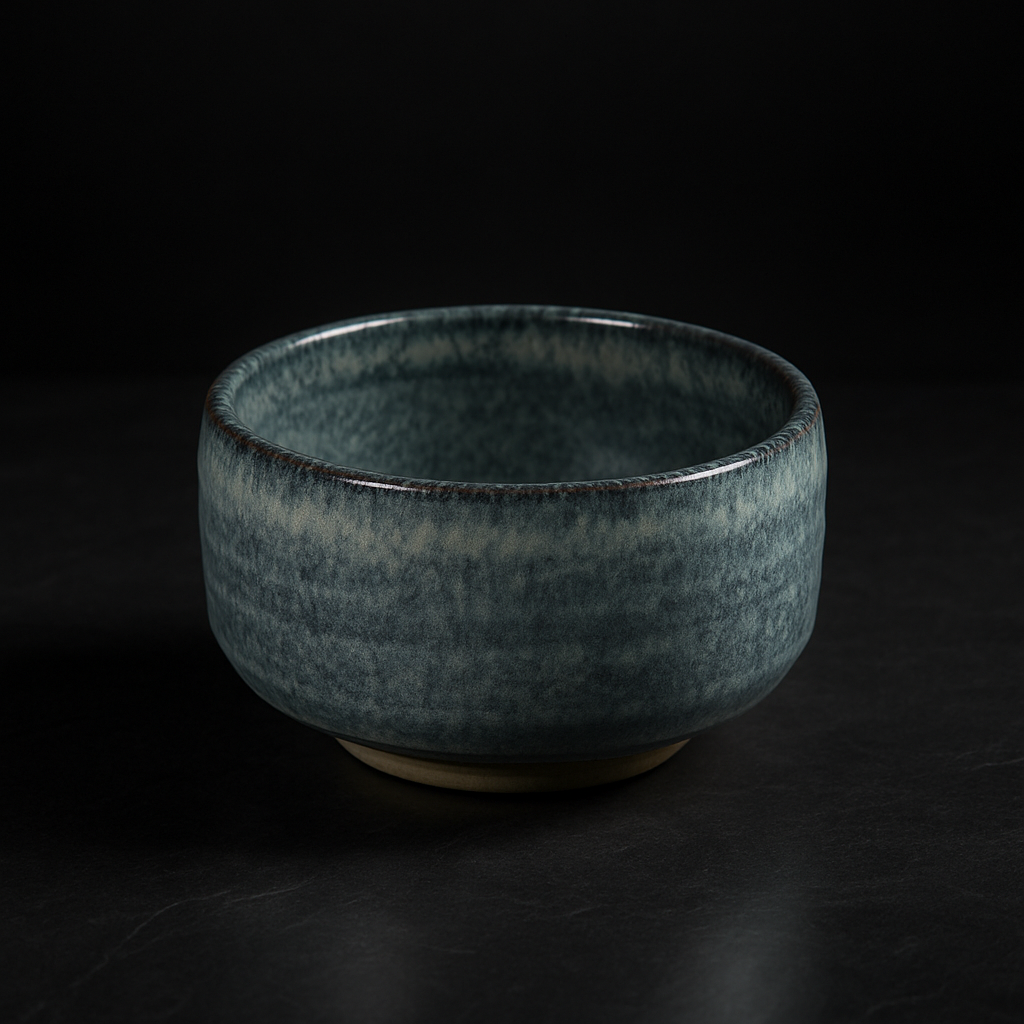
Pick up an Arita piece and you'll likely notice its weight—or lack of it. Porcelain is thin, refined, almost ringing when tapped. The white is pure, often decorated with intricate cobalt blue underglaze or vivid overglaze enamels in red, gold, and green. There's a precision to Arita, a courtly elegance. These were pieces made to impress.
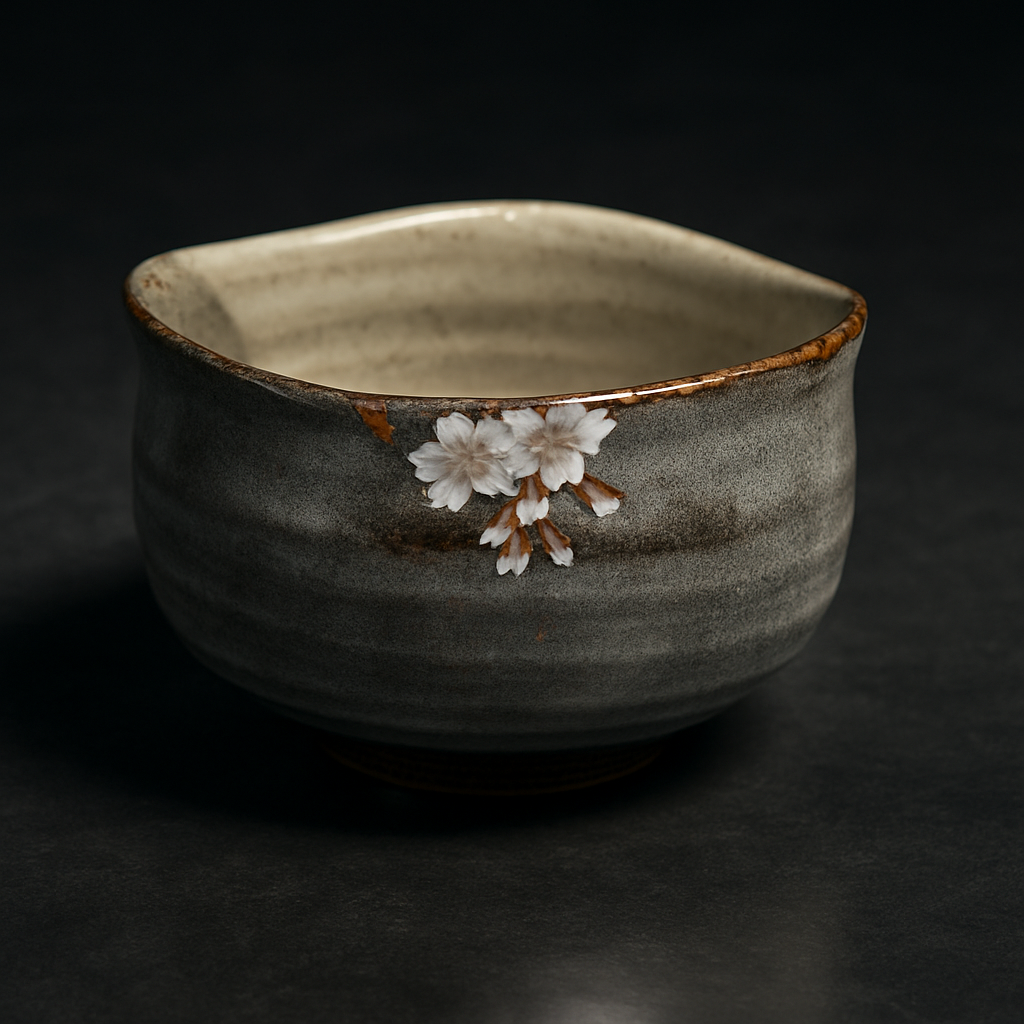
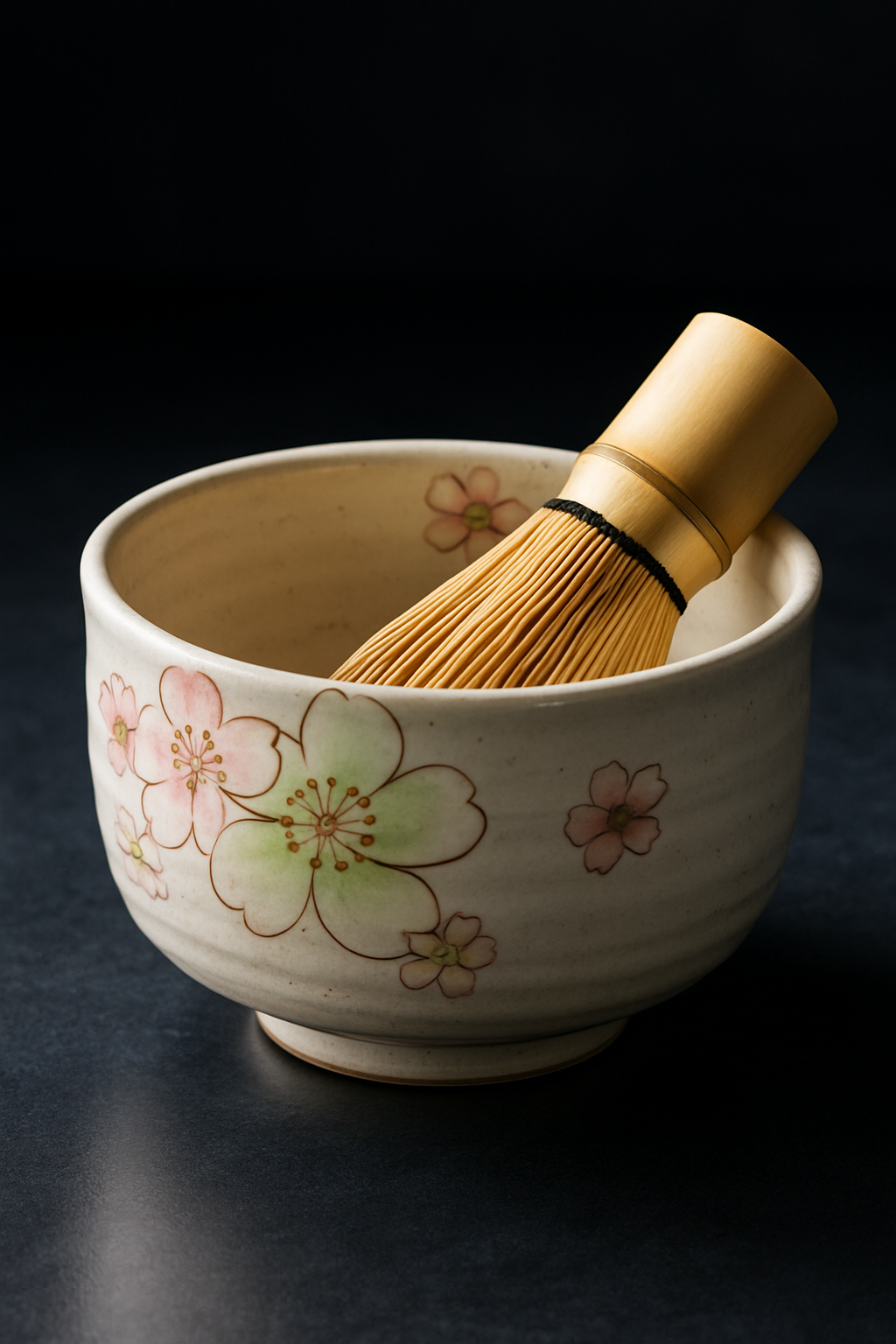
Mino ware refuses to be pinned down. You might encounter Oribe ware with its bold green glaze and graphic black brushstrokes. Or Shino ware, thick and creamy white with soft orange blush marks called "fire color." Or Ki-Seto, a warm yellow glaze that feels like late afternoon sunlight. Mino's aesthetic leans toward the tactile, the imperfect, the human hand visible in every curve.
Arita whispers refinement; Mino speaks in a dozen dialects.
One tradition values consistency and technical perfection. The other celebrates variation, even happy accidents in the kiln.
The philosophy in the firing
Arita's kilns were built for control. High temperatures, precise timing, a focus on replicable beauty. The goal was porcelain that could compete with Chinese imports, that could dazzle foreign traders and domestic elites alike. It succeeded.
Mino's kilns told a different story—often literally built into hillsides, using the natural draft of the slope. Potters here embraced wabi-sabi, the aesthetic of transience and imperfection. A drip of glaze, an uneven edge, a crack that adds character rather than diminishes value. Mino ware was shaped by tea masters who wanted vessels that felt alive, not precious.
This isn't about better or worse. It's about intention. Arita aimed for the extraordinary. Mino aimed for the intimate.
Which speaks to you?
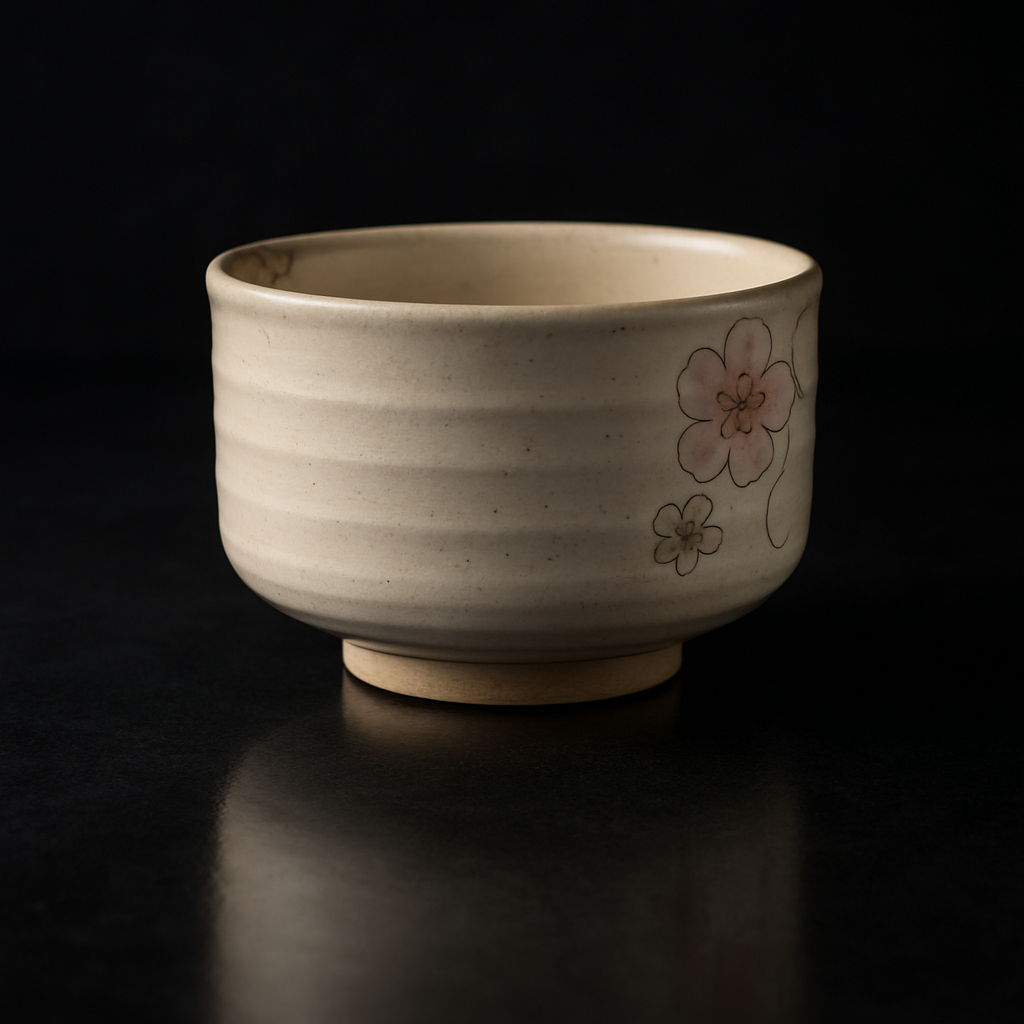
If you're drawn to the crisp clarity of blue and white, to pieces that feel like heirlooms even when new, Arita's lineage will resonate. If you prefer the warmth of irregular glaze, the surprise of asymmetry, the sense that each piece is slightly different from the last—Mino's spirit is calling.
Both traditions continue today, still firing in their ancestral regions, still teaching the world that Japanese pottery is not one thing but a conversation across mountains and centuries.
Two cups. Two philosophies. One country that somehow holds both.
FAQ
Chaware curates authentic Japanese crafts — straight from the makers in Japan to your table.
Explore the Chaware collection →