Understanding Mino Ware: A Guide to Japan's Most Diverse Pottery Tradition
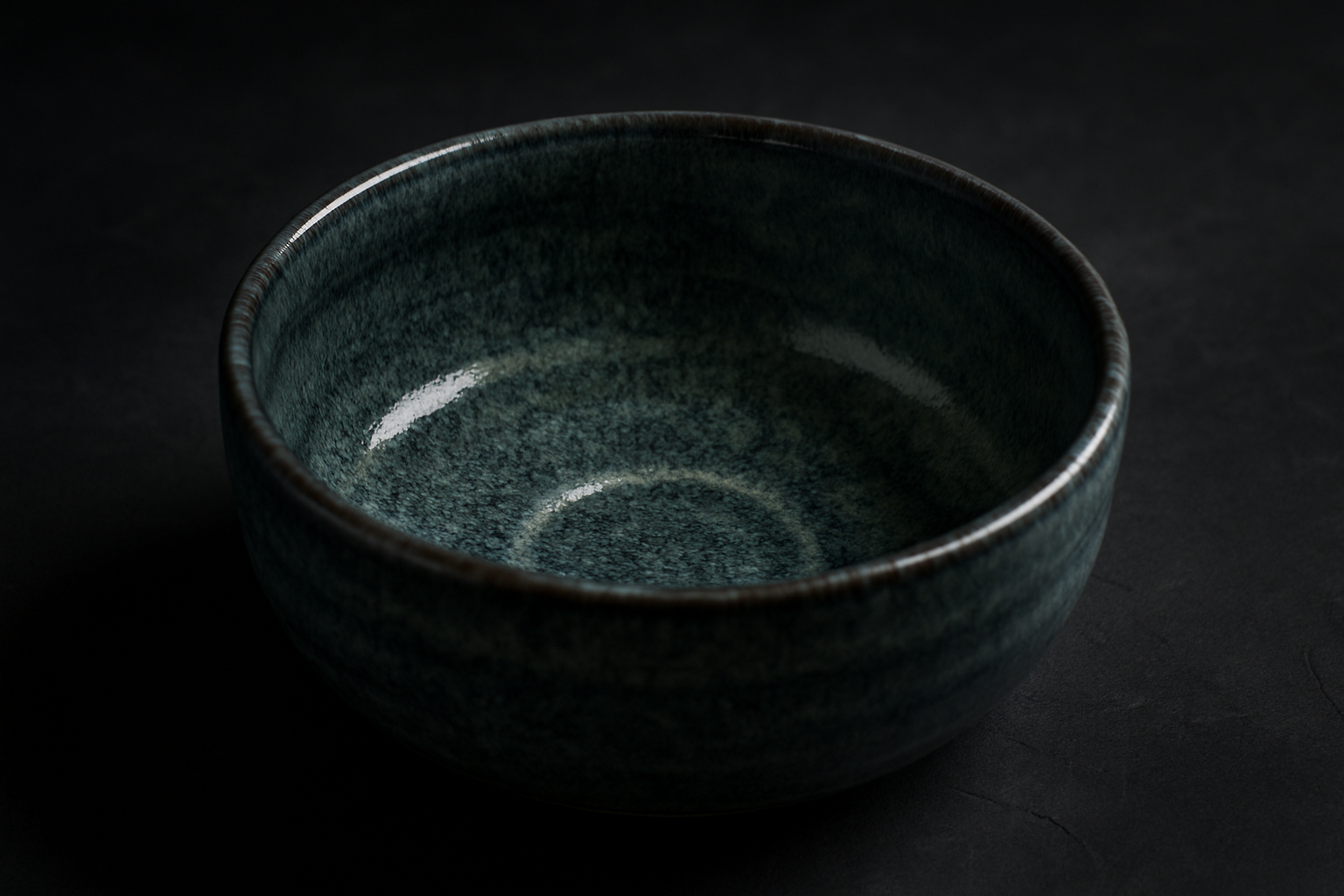
You've probably held a piece of Mino ware without knowing it. In fact, there's a good chance it's sitting in your kitchen right now.
Half of Japan's pottery comes from one place
Mino ware doesn't announce itself the way some pottery does. There's no single "look" that defines it, no signature glaze you can spot across a room. And that's exactly the point. Produced in the Mino region of Gifu Prefecture—an area blessed with exceptional clay deposits and centuries of kiln expertise—Mino ware accounts for roughly half of all pottery made in Japan today. Its genius lies not in uniformity, but in extraordinary diversity.
The potters of Mino have always been shape-shifters, adapting to the tastes of each era with remarkable fluidity. During the late 16th century, when tea ceremony culture bloomed under the influence of tea masters like Sen no Rikyū, Mino kilns responded with rustic, deliberately imperfect vessels that embodied the wabi-sabi aesthetic. When the merchant class wanted colorful dishware, Mino delivered. When minimalism returned, Mino pivoted again.
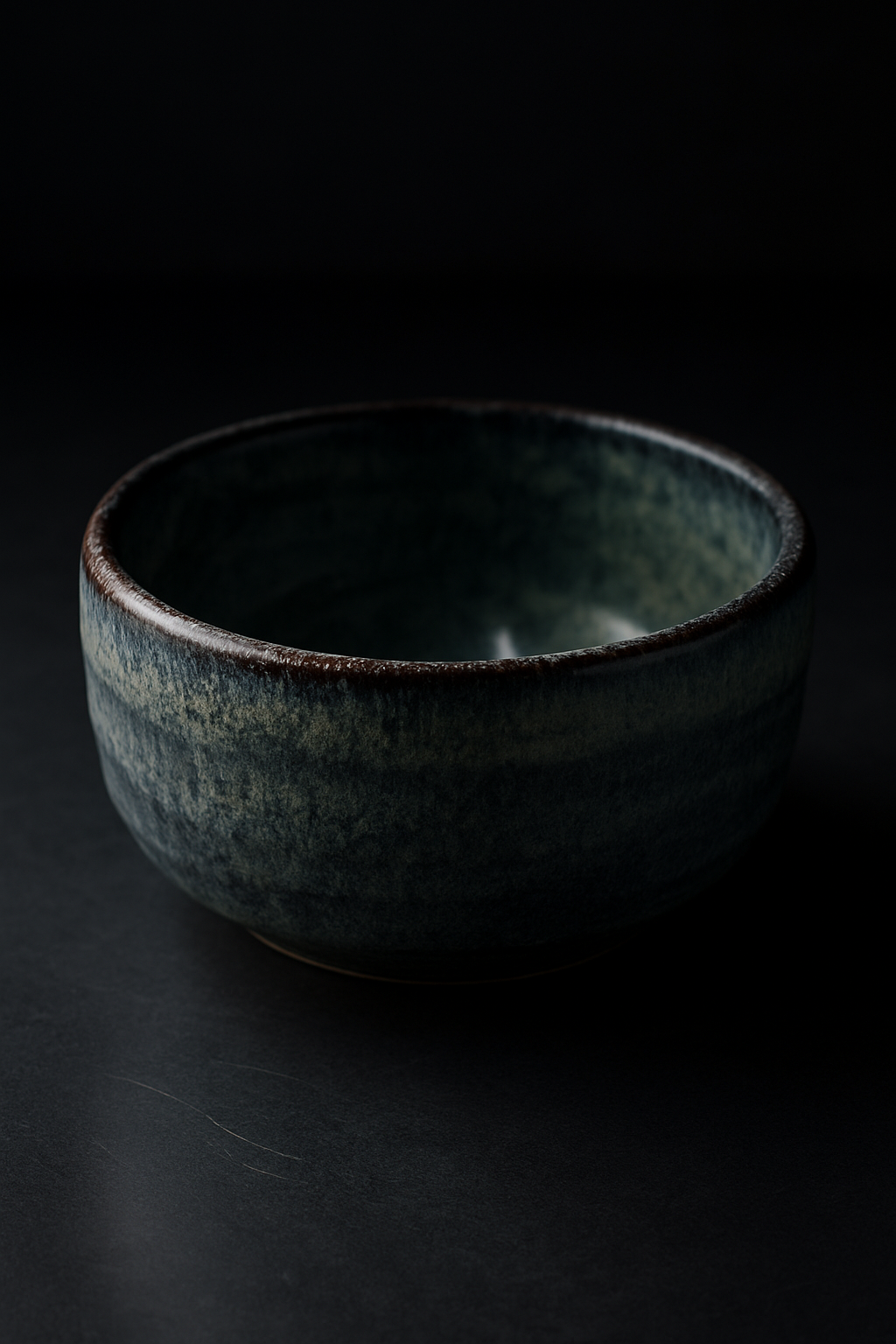
Four historic styles that changed Japanese ceramics
Walk through a traditional Japanese ceramics collection and you'll encounter Mino's fingerprints everywhere. Four historic styles emerged from the Mino kilns during the Momoyama period (late 1500s), each with its own unmistakable character.
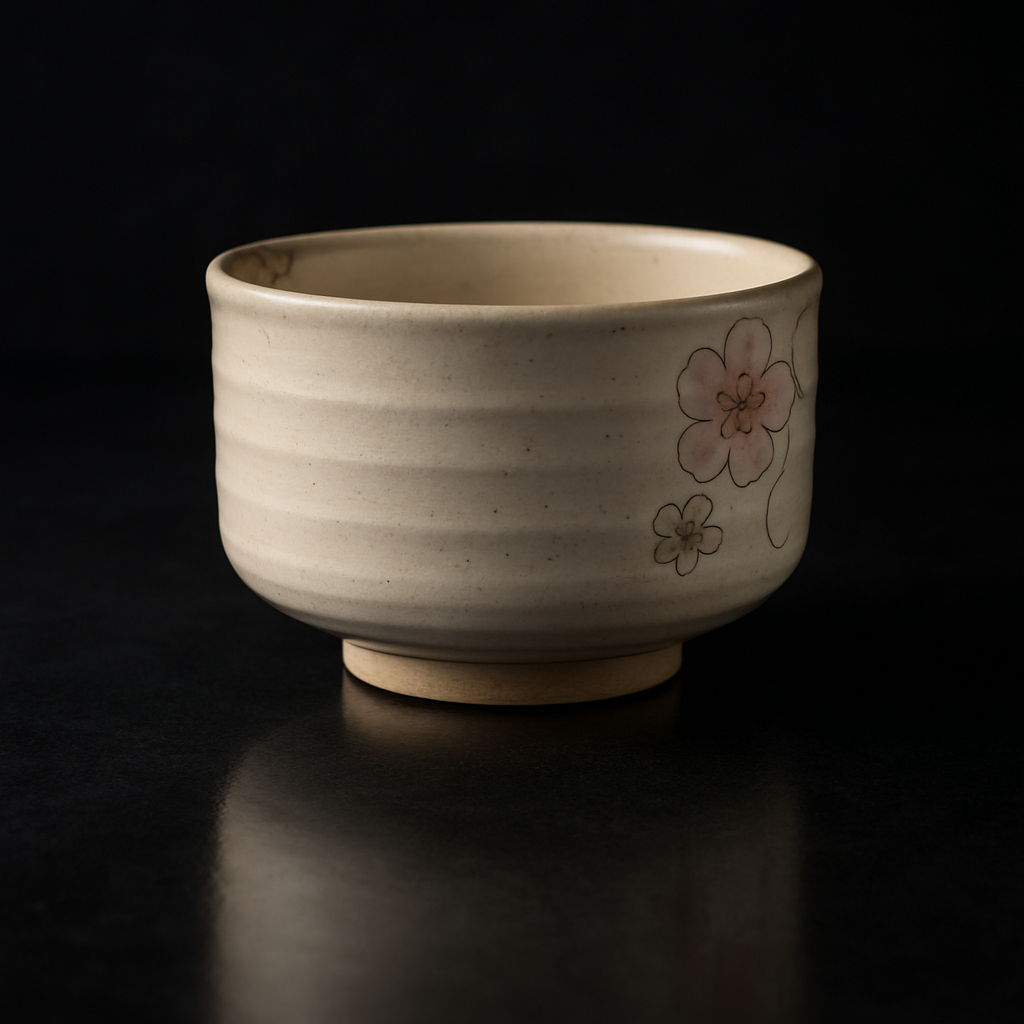
Shino ware arrived first—thick, milky-white glaze over warm clay, often with simple iron-oxide brushwork peeking through. The glaze pools and breaks unevenly, creating landscapes of cream and blush pink. It feels soft despite being stone.
Oribe ware broke all the rules. Bold copper-green glaze splashed asymmetrically across white slip, geometric patterns, deliberately warped forms—this was pottery as rebellion, named after the daimyo and tea master Furuta Oribe, who championed audacious design.
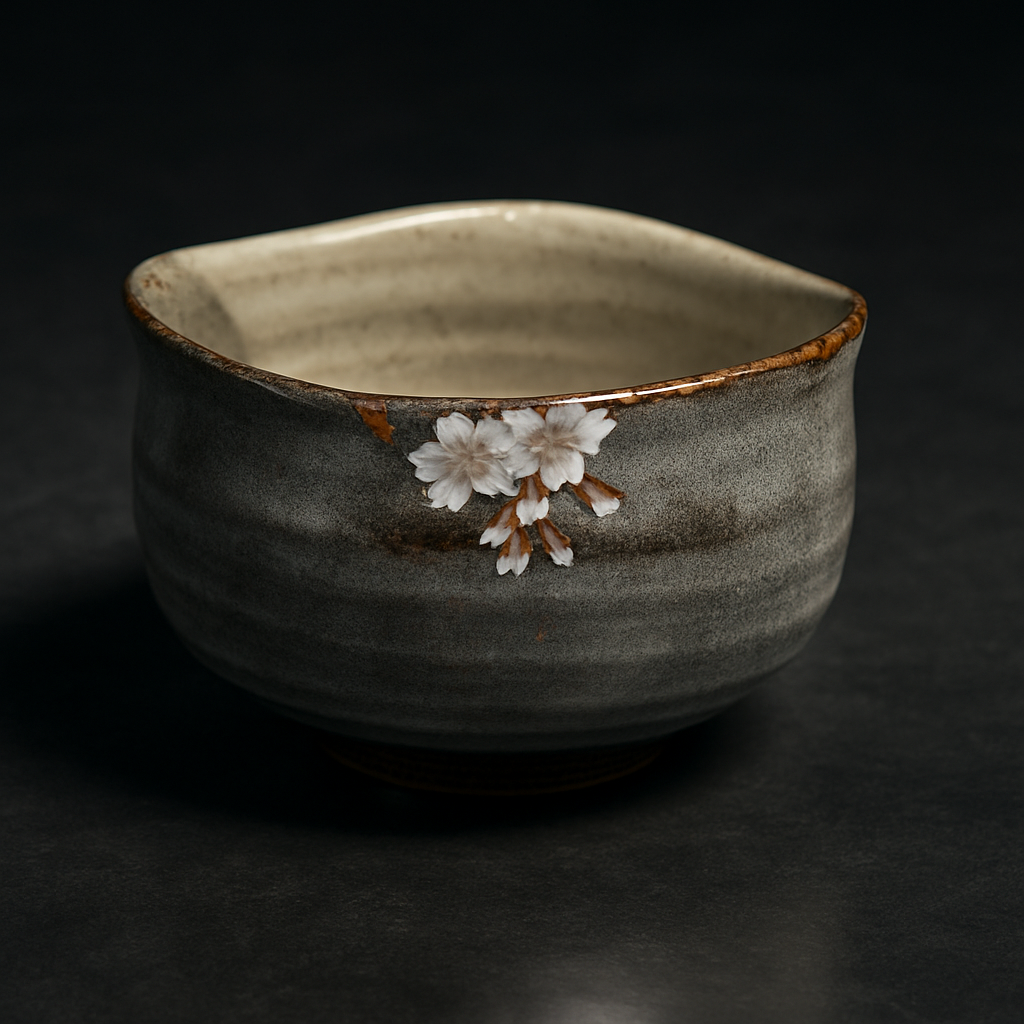
Then came Ki-Seto (Yellow Seto), with its warm amber glow, and Setoguro (Black Seto), pulled from the kiln while still red-hot and plunged into cold air, shocking the iron-rich glaze into deep, lustrous black.
These weren't just different glazes—they were different philosophies about what a bowl could be.
The clay that makes it possible
Mino's versatility starts underground. The region's clay—particularly the fine-grained mogusa tsuchi—is exceptionally plastic and can withstand high firing temperatures. It's forgiving enough for delicate work yet strong enough for everyday use. This geological gift allowed Mino potters to experiment freely, testing glazes and forms that would crack or slump in lesser clay.
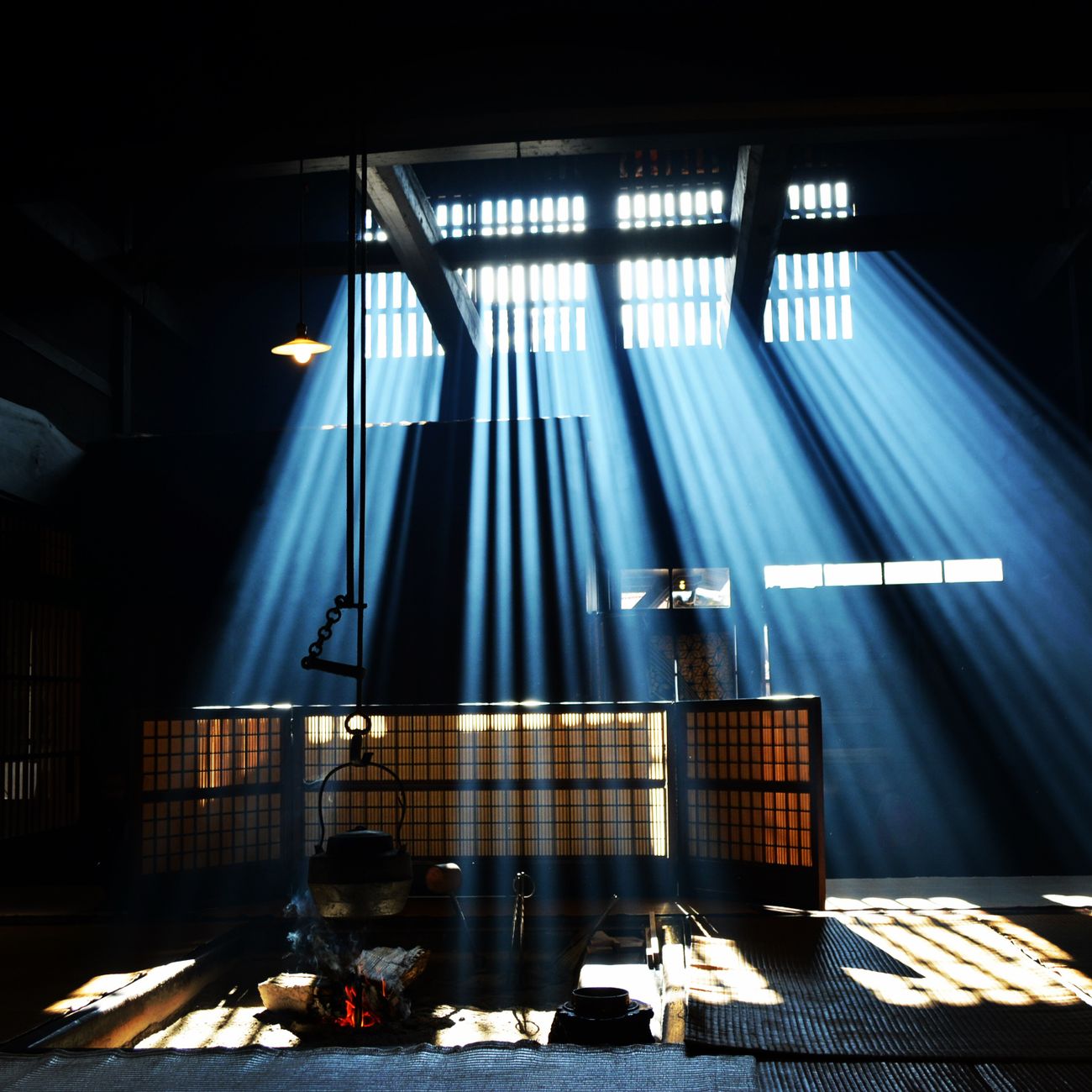
The concentration of kilns also mattered. Knowledge flowed between workshops. A glaze discovery in one climbing kiln would ripple through the valley. Competition bred innovation, but so did collaboration.
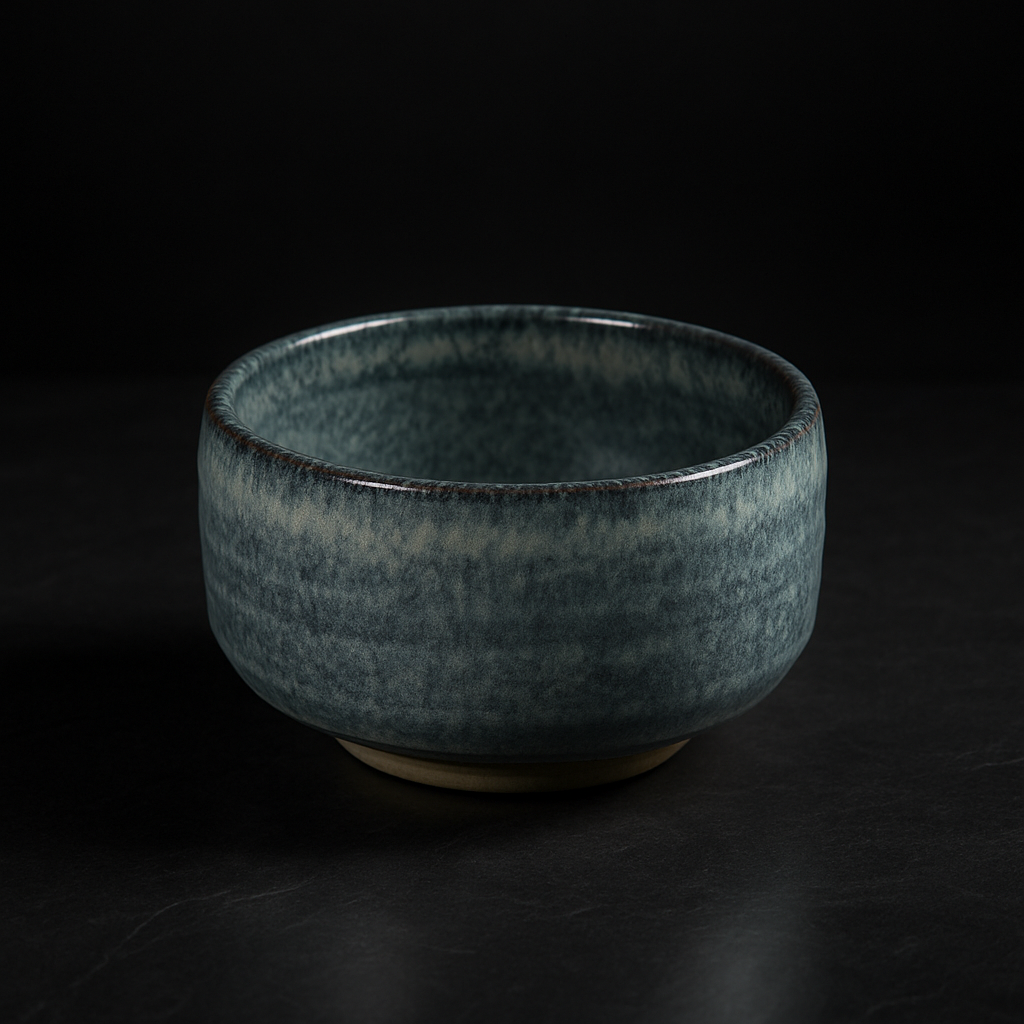
Why you can't pin Mino down
Today, Mino ware continues its tradition of defying tradition. Visit the ceramics district in Tajimi or Toki, and you'll find potters making everything from reproduction Shino tea bowls to sleek contemporary tableware. Some work entirely by hand using centuries-old techniques. Others incorporate modern materials and electric kilns.
The lack of a single defining aesthetic frustrates some collectors. But it's precisely this chameleonic quality that makes Mino ware so enduring. It doesn't insist you live a certain way or set your table according to historical precedent.
It simply asks: what do you need a bowl to do today?
That question has kept Mino kilns burning for over a thousand years, and the answer keeps changing. The clay, patient and abundant, waits to become whatever comes next.
FAQ
Chaware curates authentic Japanese crafts — straight from the makers in Japan to your table.
Explore the Chaware collection →