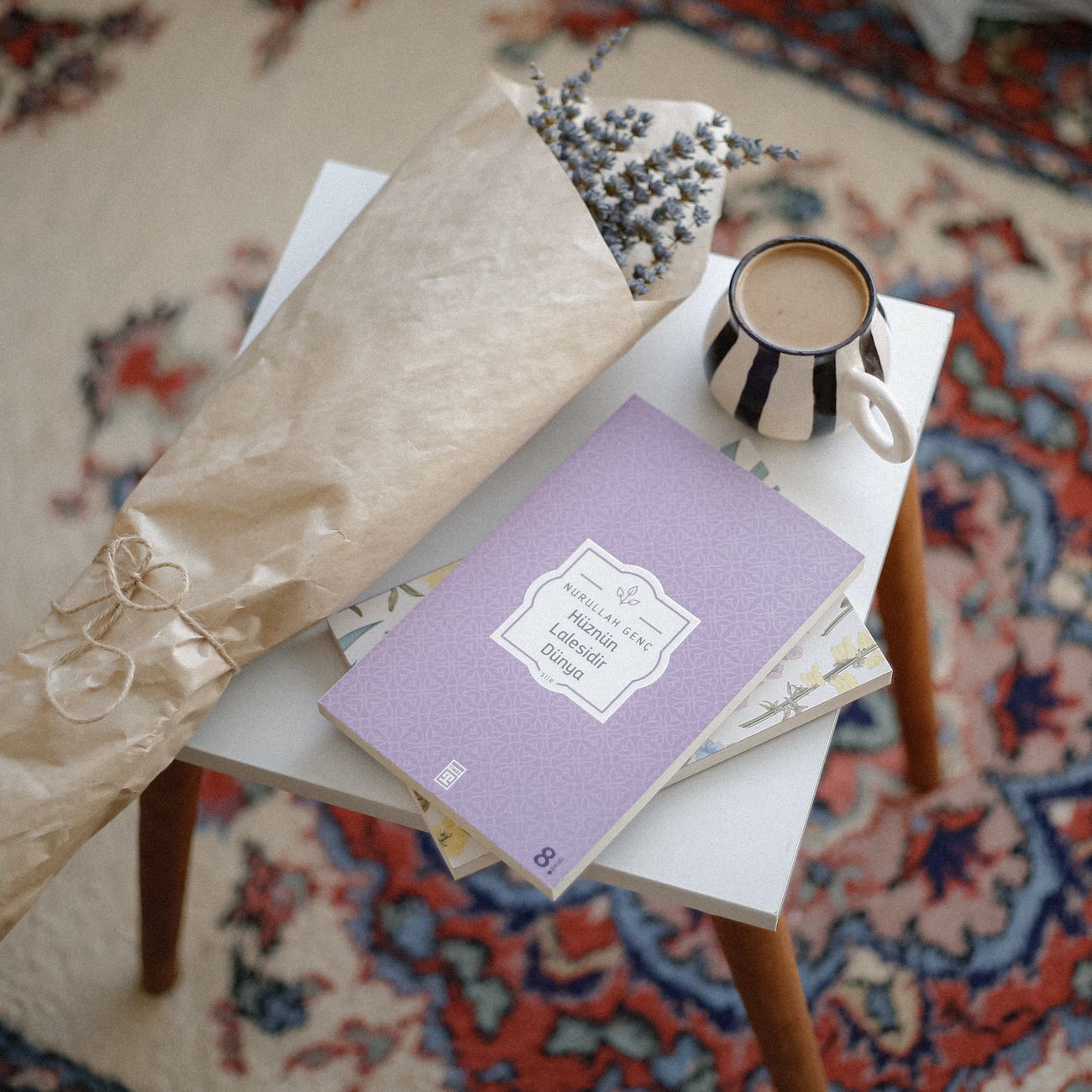
Why Japanese Gift Wrapping Matters: The Art of Tsutsumi and Cultural Respect
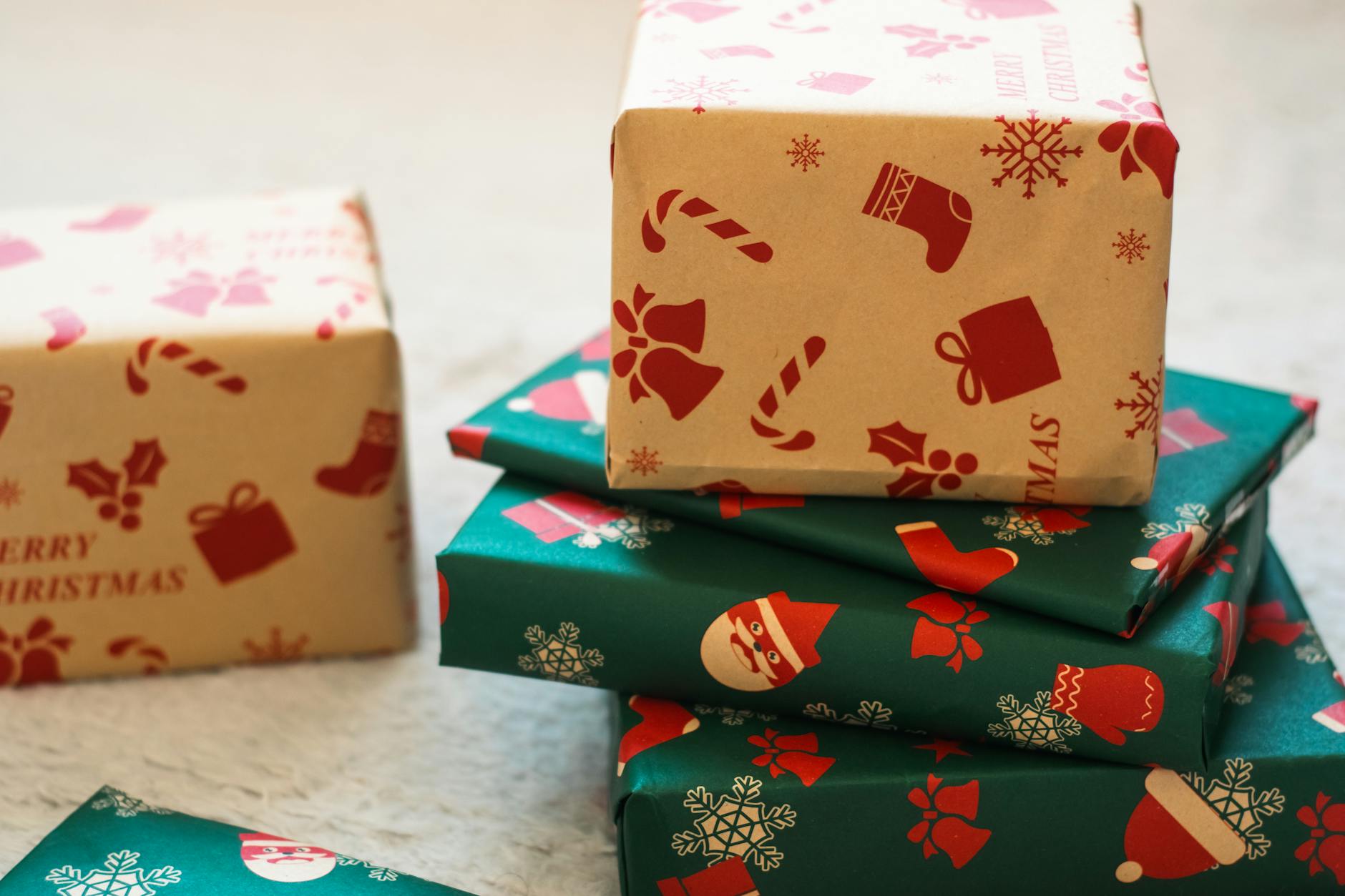
You tear open a gift in seconds. In Japan, someone might spend twenty minutes folding the paper.
This isn't perfectionism. It's a language.
The wrapper is part of the gift
In Japanese culture, the act of giving—tsutsumu, meaning "to wrap"—is inseparable from the gift itself. The care you invest in the wrapping communicates respect, gratitude, and the depth of your relationship with the recipient. A hastily wrapped box suggests a hastily considered gesture. Crisp folds and deliberate knots? They say: you matter enough for me to slow down.
This philosophy extends beyond birthdays and holidays. Even a simple box of sweets handed to a colleague carries weight when wrapped properly. The wrapping becomes a visual apology, a thank-you, a bridge between two people.
Furoshiki—traditional wrapping cloths—embody this perfectly. A single square of fabric can be folded dozens of ways depending on the object's shape, the occasion, the season. The cloth itself is reusable, passed along, becoming part of a cycle of giving. Nothing is disposable when intention is woven in.
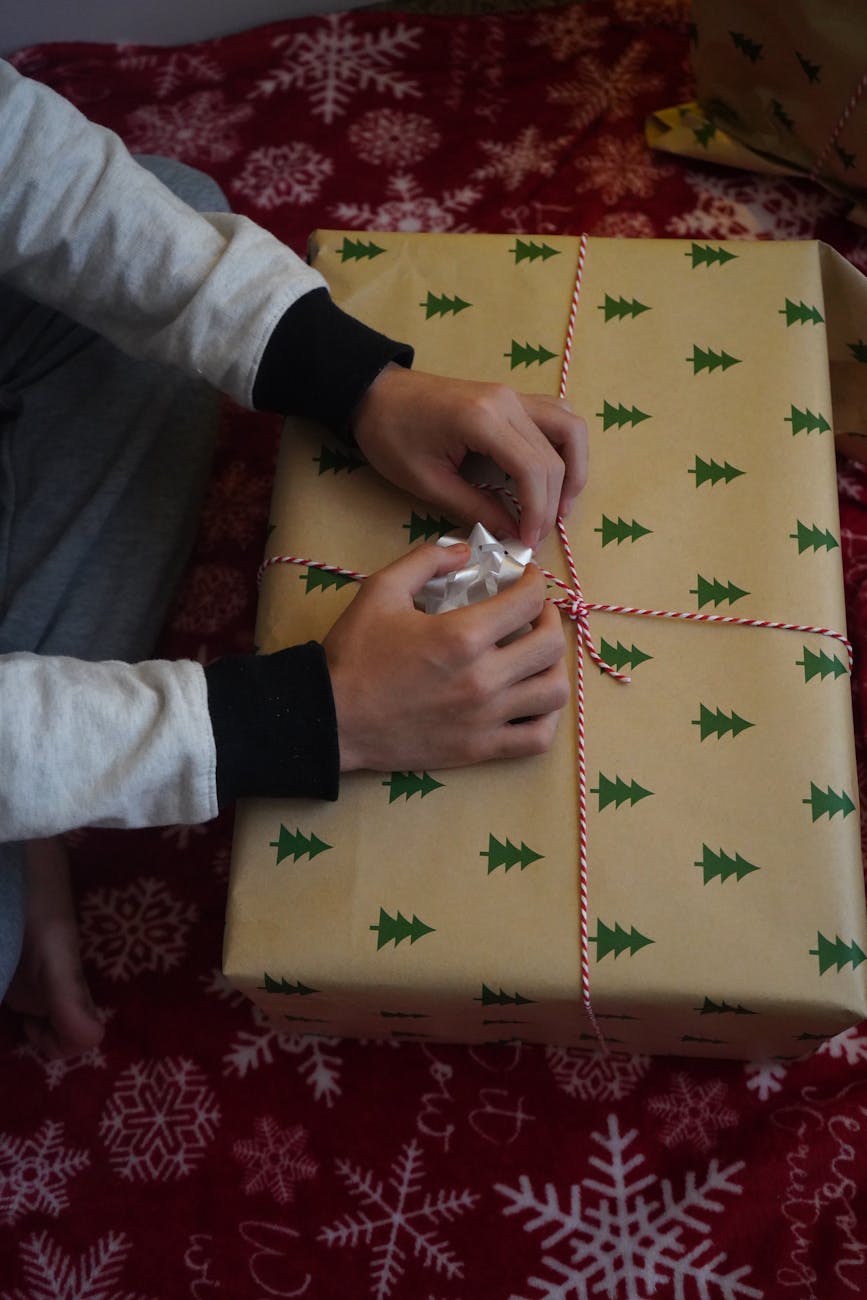
Etiquette has a geometry
Japanese gift wrapping follows unspoken rules, many rooted in Shinto and Buddhist practices. Avoid four folds or four knots—shi, the number four, sounds identical to the word for death. Same with nine, ku, which echoes suffering.
The way you tie a ribbon can speak congratulations or condolences without a single word.
Ceremonial envelopes called noshi carry their own grammar. A red-and-white ribbon tied in a specific knot signals a joyous, one-time event like a wedding. A different knot—one that can be untied and retied—suits celebrations you hope will repeat, like a new baby. Get it wrong, and you've accidentally wished for someone's marriage to dissolve.
Even the direction of the fold matters. The right side should overlap the left for celebrations; reversing this is reserved for funerals. These aren't arbitrary traditions. They're a form of nonverbal care, a way to honor the moment without saying a word.
Wrapping as meditation
Walk into a Japanese department store during gift-giving season and you'll see clerks transform a simple box into origami. No tape. No crumpled edges. Just taut, invisible folds that seem to defy physics. They work quickly, but never carelessly—each motion practiced into muscle memory.
This isn't just customer service. It's omotenashi, the spirit of wholehearted hospitality. The wrapper's skill reflects the store's respect for you, the giver, and ultimately for the person who will receive this package. Everyone in the chain is accountable for the moment of opening.
At home, many Japanese families keep drawers stocked with different papers, ribbons, and cloths. Wrapping isn't outsourced to the store—it's a ritual you perform yourself, alone at the kitchen table, smoothing corners until they're right.
What the paper holds
In a culture where direct emotion can feel too raw, too exposed, wrapping becomes a safe vessel for feelings that are hard to name. The care in the folds says what words might fumble. The time you spent says what a card might cheapen.
When someone hands you a beautifully wrapped gift in Japan, they're not just giving you an object. They're giving you proof that they thought of you—slowly, carefully, with their own hands.
The real gift is the wrapping. Everything else is just what's inside.
FAQ
Chaware curates authentic Japanese crafts — straight from the makers in Japan to your table.
Explore the Chaware collection →