What Is Sencha? Understanding Japan's Everyday Green Tea
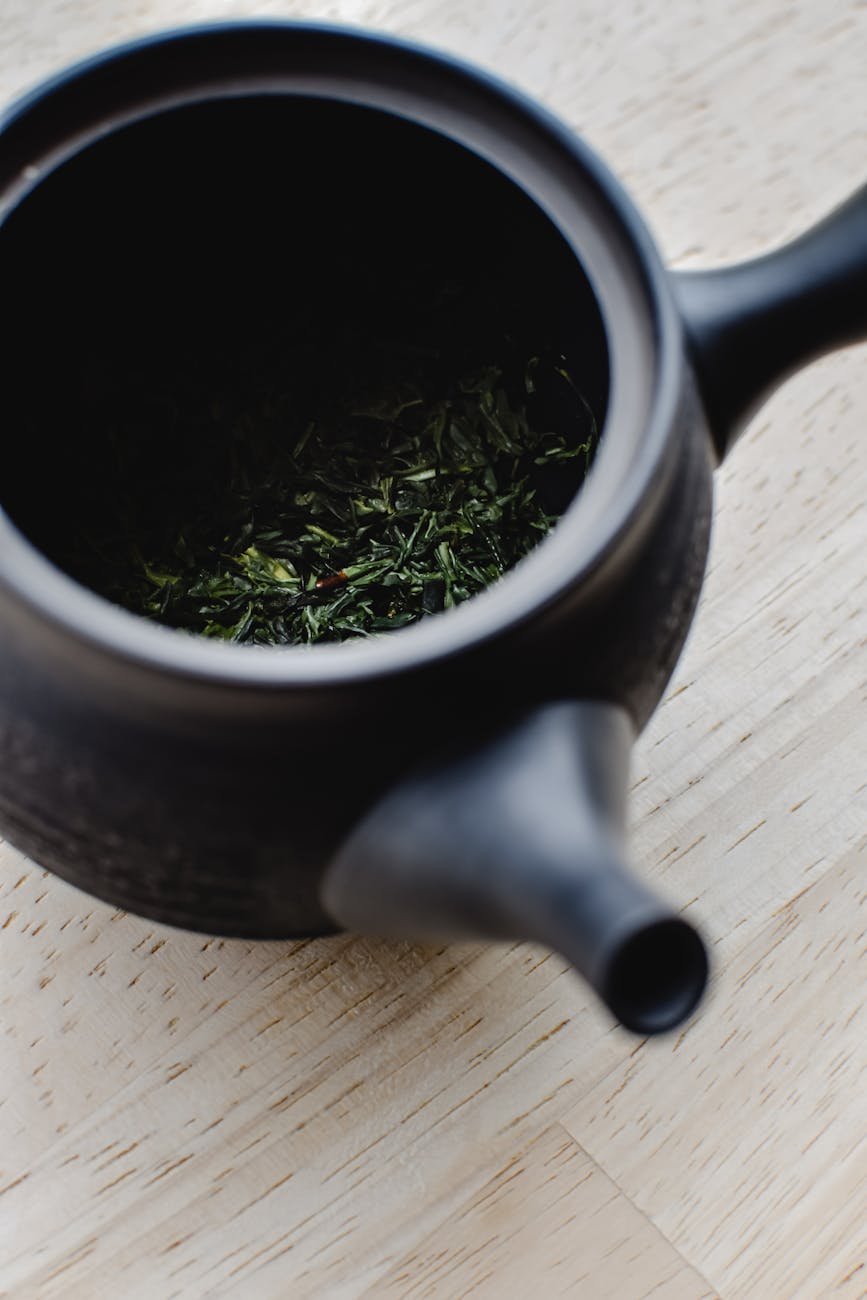
You pinch the leaves between your fingers, and they crackle—dry, needle-thin, bright as spring moss. This is sencha, and it's probably the cup of green tea sitting in front of most people in Japan right now.
The everyday tea that changed everything
Sencha isn't ancient. It's not the powdered matcha whisked in tea ceremonies, nor the roasted hojicha sipped after dinner. Sencha arrived relatively late—around the 18th century—when a monk named Nagatani Soen developed a steaming method that preserved the leaves' vivid green color and grassy sweetness. Before that, most Japanese tea was closer to Chinese styles: pan-fired, darker, earthier.
This new method spread fast. Sencha became the people's tea—affordable, refreshing, unpretentious. Today, it accounts for roughly 80% of tea produced in Japan.
What makes it sencha
The defining characteristic is simple: steamed, not roasted. After harvest, the leaves are quickly steamed to halt oxidation, then rolled, shaped, and dried into those tight, dark-green needles. The steaming time matters—asamushi (light steam) produces a delicate, aromatic brew; fukamushi (deep steam) yields a cloudier, richer cup with more body and sweetness.
Sencha tastes like the color green—grassy, bright, with a gentle astringency that wakes you up without sharpness.
The flavor shifts with the season. Shincha, the first flush harvested in late April and May, is prized for its sweetness and soft umami. Later harvests grow bolder, more vegetal, sometimes edging toward bitterness if brewed carelessly.
How to brew it (and why it matters)
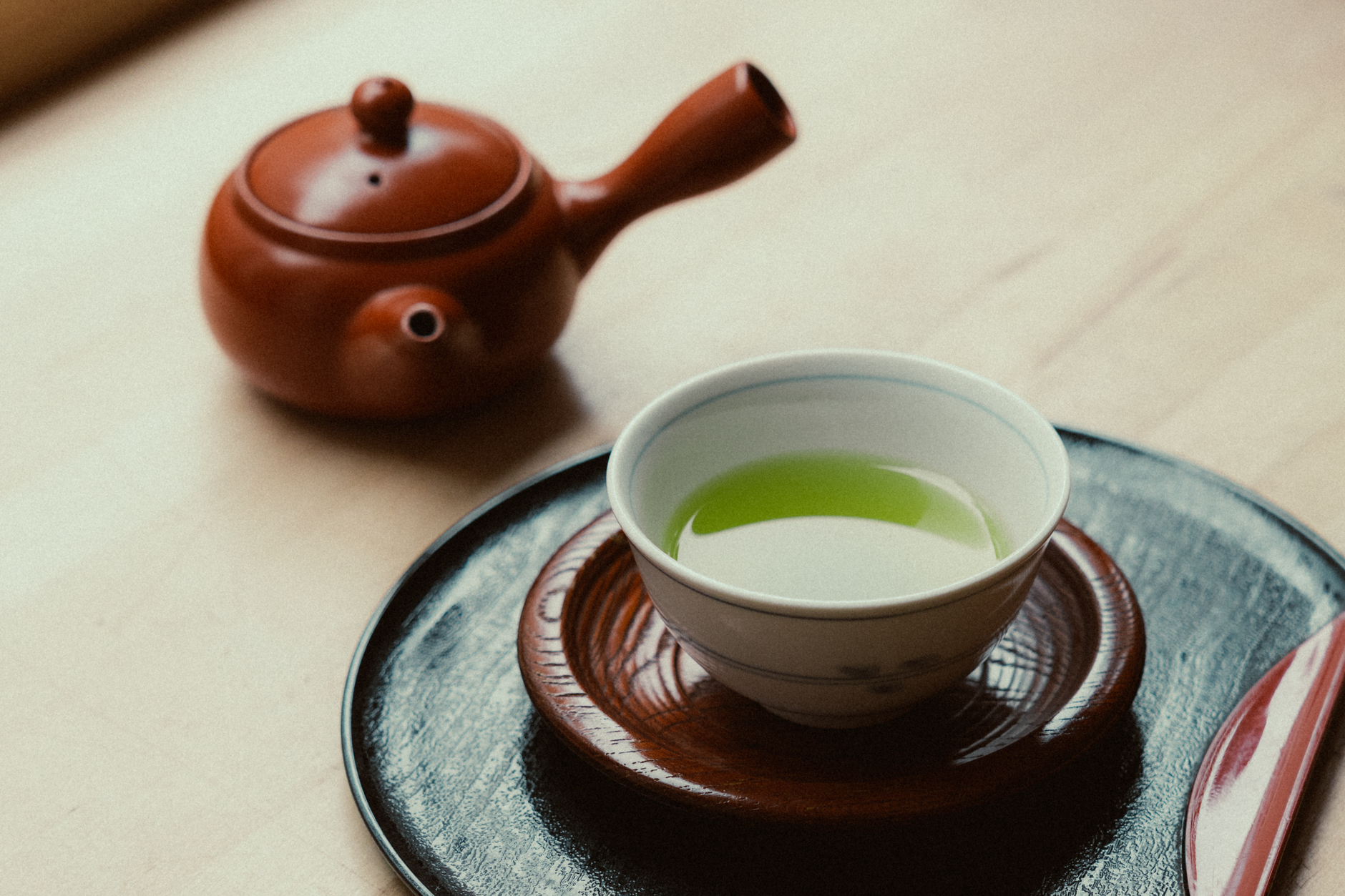
Water temperature is everything. Pour boiling water over sencha and you'll extract harsh tannins and lose the sweetness. Instead, let the water cool to around 70–80°C (160–175°F). Steep for 45 seconds to a minute. The leaves unfurl slowly, releasing a pale green-gold liquor that smells like fresh-cut grass and the ocean.
You can—and should—brew the same leaves two or three times. The second steeping often reveals hidden sweetness; the third becomes lighter, more meditative.
Here's what you need:
- A small kyusu (Japanese teapot) with a built-in mesh filter
- Sencha leaves, about a teaspoon per person
- Water cooled to the right temperature
No ceremony. No special training. Just attention.
Why it matters now
In a country where convenience stores sell bottled green tea and vending machines hum on every corner, loose-leaf sencha might seem quaint. But it persists. Office workers brew it at their desks. Grandmothers serve it to guests in small, handleless cups. It's the thread that runs through ordinary Japanese days—a pause, a gesture of hospitality, a moment of warmth in cool ceramic.
Sencha doesn't demand reverence. It asks for presence. A few quiet minutes while the leaves steep. The slight bitterness on your tongue. The way the cup warms your palms.
It's not exotic. It's not ceremonial. It's just tea—the kind that's been showing up, reliably, in Japanese homes for centuries, tasting like attention and springtime and the small, deliberate act of making something good.
FAQ
Chaware curates authentic Japanese crafts — straight from the makers in Japan to your table.
Explore the Chaware collection →