Why Japanese Tea Cups Have No Handle: The Meaning Behind the Yunomi
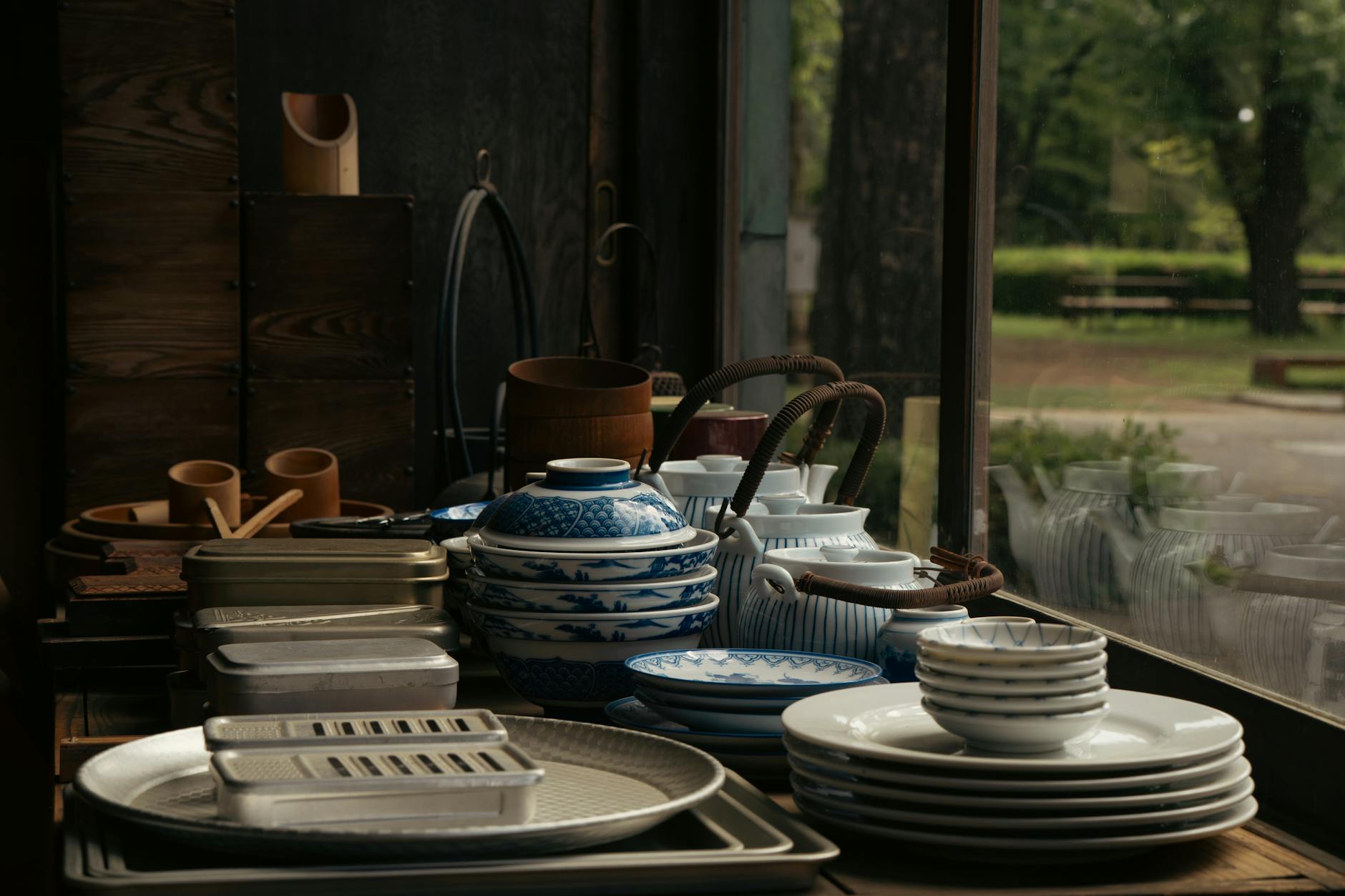
You cradle the ceramic vessel in both hands, feeling its warmth seep into your palms. No handle interrupts the smooth curve. This isn't an oversight in design—it's the entire point.
A cup made to be cradled
Japanese tea cups, or yunomi and chawan, invite you into an intimate relationship with temperature. When you wrap your hands around handleless porcelain, you're not just holding a drink. You're measuring the precise moment when tea becomes drinkable—when the heat shifts from scalding to soothing against your skin.
This is deliberate. The absence of a handle transforms the cup into a thermometer you read with your body. Too hot to hold means too hot to drink. When the warmth becomes pleasant in your palms, the tea has reached the ideal temperature for your lips.
The philosophy hiding in plain sight
Chanoyu, the Japanese tea ceremony, crystallizes this principle into ritual. Guests receive their matcha in wide, handleless bowls that demand both hands. The gesture itself—palms supporting the base, fingers steadying the rim—becomes an act of respect and presence.
But this goes deeper than ceremony. Zen Buddhist philosophy, which shaped tea culture for centuries, emphasizes direct experience over separation. A handle creates distance. It's a barrier, a tool, a removal. Holding tea directly connects you to the moment: the clay's texture, the liquid's heat, the weight of the vessel itself.
The cup without a handle asks you to slow down and pay attention.
Porcelain that speaks through touch
Japanese ceramics—from the delicate translucency of Arita ware to the rustic warmth of Bizen—are designed to be felt, not just seen. Potters consider how clay will rest against skin. They shape walls thin enough to transmit heat but thick enough to protect fingers. They glaze surfaces that invite touch.
In traditional Japanese homes, you'll notice this tactile intimacy everywhere. Rice bowls lifted to the mouth. Sake cups passed hand to hand. Even the word te-shoku, meaning "hand-meal," reveals how eating and drinking are meant to be handled, literally.
The Western handle appeared during a different set of priorities: keeping hands clean from coffee and chocolate, protecting fine clothing from heat, allowing servants to pour without intimacy. Japanese tea culture emerged from monks and artists who valued the opposite—presence, simplicity, direct contact.
Seasonal conversations
Here's a detail most people miss: Japanese tea cups change with the seasons. Summer brings tall, thin yunomi that release heat quickly. Winter demands wide, thick chawan that hold warmth longer. Both remain handleless, but they teach your hands to read the calendar.
The best tea masters can identify the season just by how a cup feels. That knowledge lives in the fingertips, not the eyes.
What your hands already know
When you first hold a handleless Japanese tea cup, you might feel awkward. Your fingers search for something to grip. But give it a moment. Let the cup rest in your palms. Feel how it fits the natural hollow of your hands.
Your body already knows how to do this. You've cradled warm things since infancy. The Japanese tea cup simply asks you to remember—and to notice that remembering.
The handle isn't missing. It was never needed.
FAQ
Chaware curates authentic Japanese crafts — straight from the makers in Japan to your table.
Explore the Chaware collection →