Sencha vs Matcha: Understanding the Difference Between Japan's Two Iconic Teas
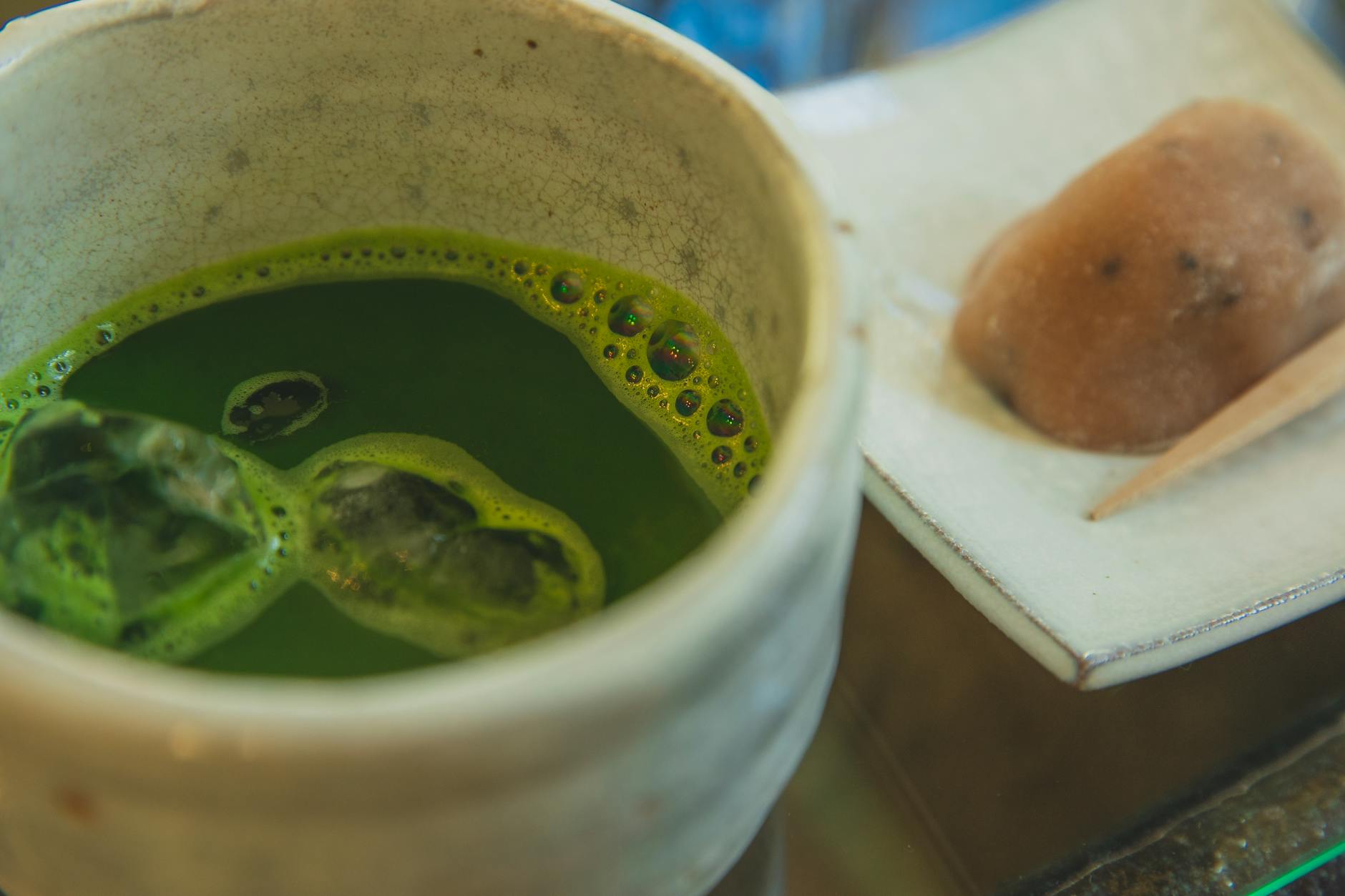
You hold a bowl with both hands, whisking emerald powder into foam. Or maybe you're watching pale green leaves unfurl in a glass pot, releasing their quiet fragrance into the air. Both are green tea. Both are Japanese. But the experience? Completely different.
Two leaves, two philosophies
Sencha and matcha come from the same plant—Camellia sinensis—but they part ways long before they reach your cup. Sencha leaves grow under open sky, soaking in full sunlight until they're plucked, steamed, and rolled into slender needles. You steep them. You drink the liquid. You discard the leaves.
Matcha takes a different path. Weeks before harvest, farmers drape the tea bushes in shade, coaxing the leaves to produce more chlorophyll and amino acids. The result: a deeper green, a sweeter flavor, a different kind of energy. After picking, the leaves are steamed, dried, and stone-ground into powder so fine it dissolves completely. You don't steep matcha. You consume the entire leaf.
One you brew and strain away; the other, you drink whole.
The taste of sunshine versus shadow
Sencha tastes bright and grassy, sometimes with a pleasant astringency that wakes up your palate. There's a clarity to it—refreshing, straightforward, the kind of tea you can drink throughout the day without ceremony. The best sencha has a natural sweetness that balances its vegetal notes, a gentle bitterness that doesn't linger too long.
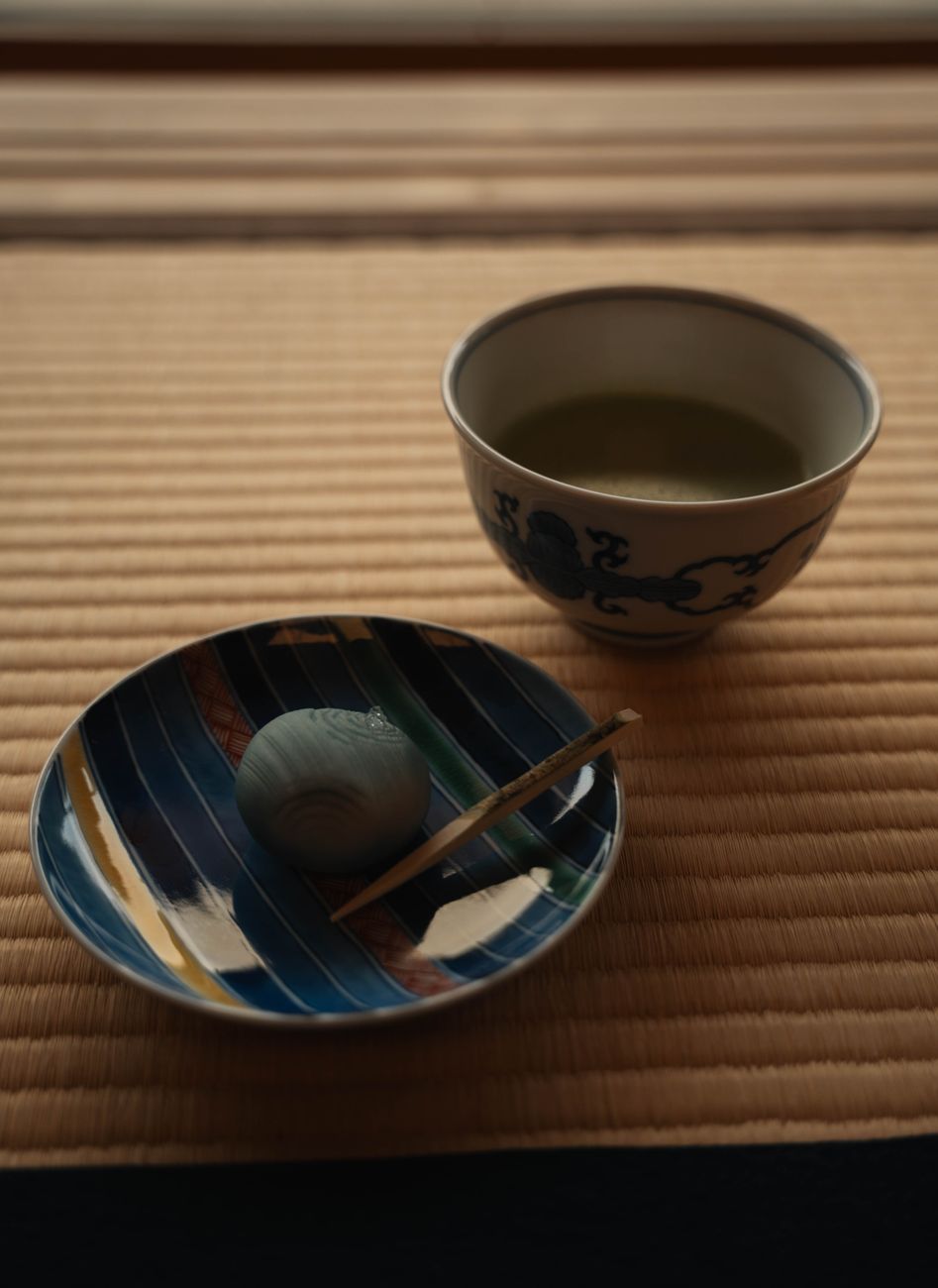
Matcha is richer, almost creamy. That time spent in shadow concentrates umami—the savory fifth taste—and creates a complexity that coats your tongue. It can be intensely vegetal or surprisingly sweet, depending on the grade and preparation. There's an earthiness to it, a depth that sencha doesn't claim.
How you meet them matters
Brewing sencha is forgiving. Hot water (not boiling—around 70-80°C), a minute or two of steeping, and you're done. You can watch the leaves dance and unfurl. Many Japanese households use a kyusu, a small side-handle teapot, but any vessel works. You'll get multiple infusions from good leaves, each one slightly different.
Matcha demands more attention. You sift the powder to prevent clumps. You add hot water—again, not boiling. Then you whisk with a bamboo chasen in a quick W-motion until foam blooms on the surface. It's a small ritual, even when you're not performing the full tea ceremony. The preparation is part of the experience.
Caffeine, calm, and chemistry
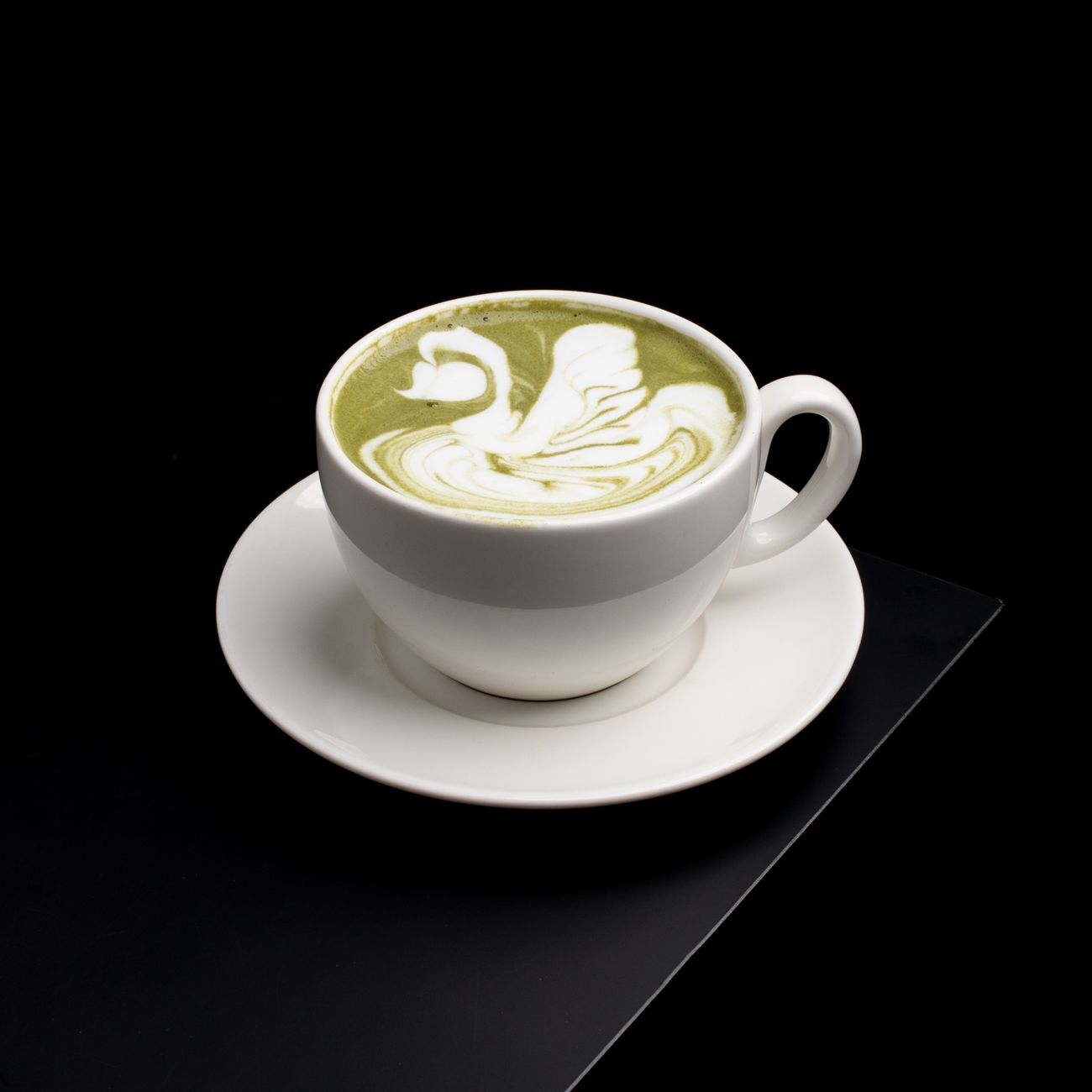
Both contain caffeine, but matcha delivers more—you're ingesting the entire leaf, after all. Yet many people report feeling alert without the jitters. Credit L-theanine, an amino acid abundant in shade-grown tea, which promotes calm focus. Sencha has it too, just less.
Think of sencha as your daily companion—gentle, reliable, easy. Matcha is the tea you pause for, the one that asks you to be present, even if just for three minutes on a Tuesday morning.
A choice, not a competition
Walk into a Japanese home and you might find both: sencha in the cupboard for everyday moments, matcha reserved for guests or quiet weekend mornings. They're not rivals. They're expressions of the same plant shaped by light, labor, and intention.
One whispers. One hums. Both are worth listening to.
FAQ
Chaware curates authentic Japanese crafts — straight from the makers in Japan to your table.
Explore the Chaware collection →