The Art of Japanese Gift-Giving: A Beginner's Guide to Etiquette and Meaning

You hand someone a gift in Japan, and they hesitate. They hold it with both hands, bow slightly, and… don't open it. Not yet. Maybe not in front of you at all.
This isn't shyness. It's omotenashi—the art of anticipating what others need before they ask. And in Japan, gift-giving isn't about the surprise reveal. It's about respect, timing, and the unspoken language woven into every gesture.
The wrapping matters more than you think
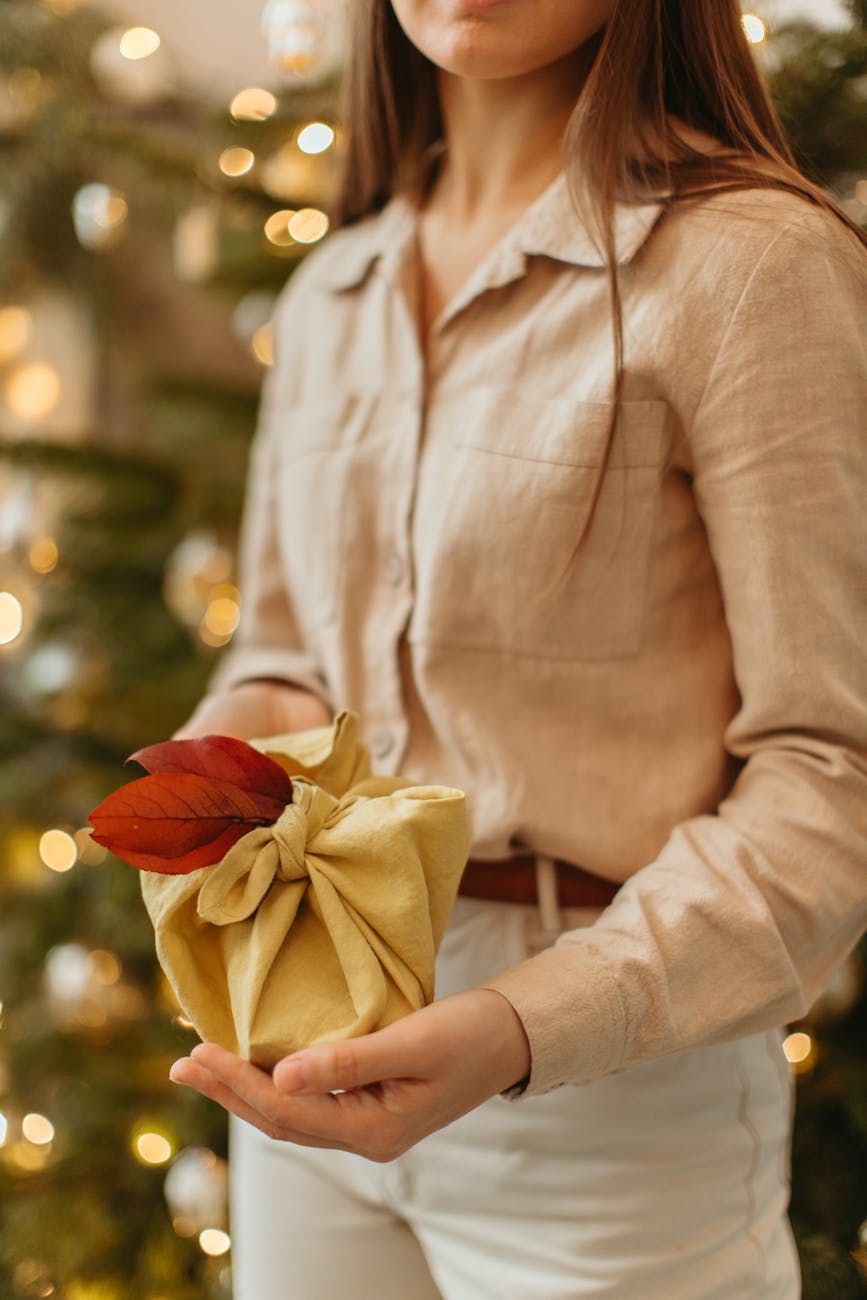
In Japanese culture, presentation is inseparable from intention. A gift arrives wrapped—always. Often in furoshiki cloth, crisp paper, or a simple bag tied just so. The care you take in wrapping signals the care you hold for the recipient.
Avoid overly flashy or loud patterns unless you know the person well. Subdued elegance speaks louder. And here's a detail most beginners miss: if you're giving something food-related, individually wrapped items are gold. They're easy to share, considerate, and align with Japan's group-minded ethos.
The bow or knot on top? That's not decoration. It's called mizuhiki, and different knots carry different meanings—some for celebrations that should happen once (like weddings), others for joyful events you hope repeat (like birthdays).
Timing is everything
Japanese gift-giving follows a rhythm. There's ochugen in summer and oseibo in winter—seasonal exchanges of gratitude, often between colleagues, mentors, or clients. Miss these windows, and you've missed the cultural cue.
But timing isn't just about the calendar. It's also about when you hand over the gift. At someone's home? Wait until you're seated and settled, not at the doorway. In a business setting? Offer it at the end of the meeting, with both hands, and a slight bow.
The moment of giving is a choreography—one where humility and gratitude take center stage.
And that hesitation when they receive it? That's enryo, a polite reluctance. They may refuse once, even twice. Gently insist. It's part of the dance.
What you give says who you are
Certain gifts carry weight. Regional specialties—omiyage—are classic choices when you've traveled. They say, "I thought of you while I was away." Seasonal fruits, packaged sweets from a respected shop, or quality tea all communicate thoughtfulness.
But tread carefully. Avoid giving sets of four (the number sounds like "death") or white flowers (associated with funerals). Practicality is valued, but overly personal items—like clothing or perfume—can feel intrusive unless you're very close.
If you're invited to someone's home, bringing something for the household is expected. It doesn't need to be expensive. It needs to be considerate.

The art of receiving
Here's where beginners often stumble: what you do when you receive a gift matters just as much.
Accept with both hands. Bow. Express gratitude—arigatou gozaimasu—with sincerity, not haste. Don't tear into the wrapping. In many cases, you'll set it aside and open it later, in private. This isn't coldness. It's a way of saying the relationship matters more than the object.
If you do open it in front of the giver (some modern contexts allow this), do so slowly, carefully. Admire the wrapping. Comment on the thoughtfulness. Let the moment breathe.
The reciprocal nature of Japanese gift-giving means you'll likely return the gesture. Not immediately—but eventually. Balance is key. A gift too lavish creates pressure; one too small risks appearing careless.
Gift-giving in Japan isn't transactional. It's relational. It's the quiet act of saying, I see you. I value this connection. And that intention, wrapped carefully and offered with both hands, is the real gift.
FAQ
Chaware curates authentic Japanese crafts — straight from the makers in Japan to your table.
Explore the Chaware collection →