Japanese Dining Manners Every Visitor Should Know
On this page
You sit down at the low table, and suddenly every gesture feels loaded. Where do your hands go? Can you pick up that bowl? And what's the deal with the chopsticks standing upright in the rice?
Japanese dining isn't about memorizing a rulebook. It's about rhythm, respect, and reading the room. These aren't arbitrary rules—they're gestures shaped by centuries of Buddhist ritual, communal living, and a deep belief that how you eat matters as much as what you eat.
The chopsticks tell a story
Your hashi are not just utensils. They're a bridge between you and the food, and by extension, between you and everyone at the table.
Never stick them upright in your rice. That's tatebashi, and it mirrors a funeral rite where rice is offered to the dead. Passing food chopstick-to-chopstick? That's awasebashi, another funeral gesture used when handling cremated bones. These aren't superstitions—they're living memories of ritual that still shape everyday life.
Rest your chopsticks on the hashioki (chopstick rest) when you pause. No rest available? Lay them across your bowl or plate, tips pointing left. It's a small thing. But small things accumulate into grace.
Bowls are meant to travel
In many food cultures, the plate stays put. In Japan, the bowl comes to you.
Pick up your rice bowl. Hold your soup bowl. Cradle the small dish of pickles if you want. This isn't laziness—it's proper form. Leaving your bowl on the table and bending down to eat is considered poor posture, almost animalistic. Bringing the bowl to your lips shows you're engaged, present, honoring the meal.
The bowl in your hand becomes an extension of gratitude.
When you lift miso shiru (miso soup), sip directly from the bowl. Use your chopsticks to guide the tofu or wakame to your mouth between sips. There's no spoon. There's no need for one.
Sound is not the enemy
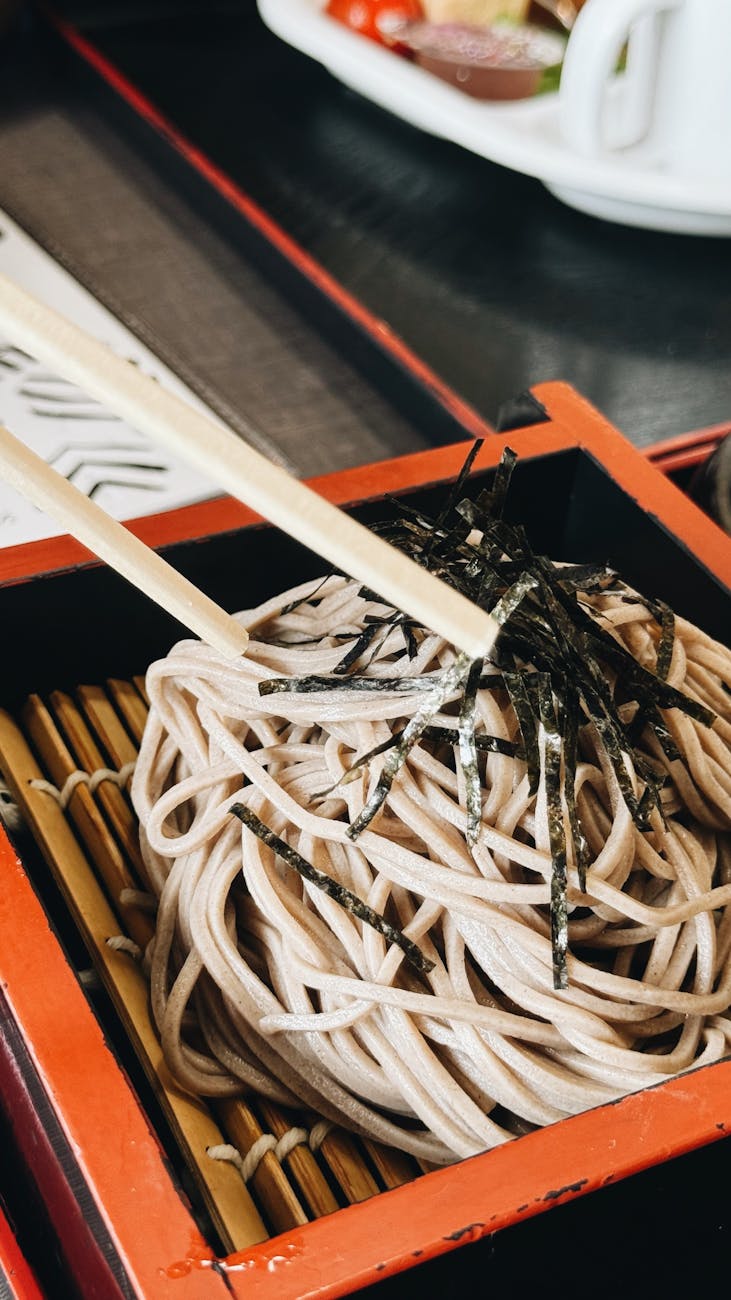
Slurping noodles feels transgressive if you grew up elsewhere. But in Japan, it's technique—and compliment.
When you eat soba or ramen, draw air along with the noodles. It cools them, releases aroma, improves flavor. It also signals enjoyment. Silence can read as dissatisfaction. A good slurp says: this is worth the noise.
Soup, on the other hand, stays quiet. The distinction isn't random. Noodles are theatrical, communal. Soup is contemplative. Know the difference, and you'll never feel out of place.
What happens before the first bite
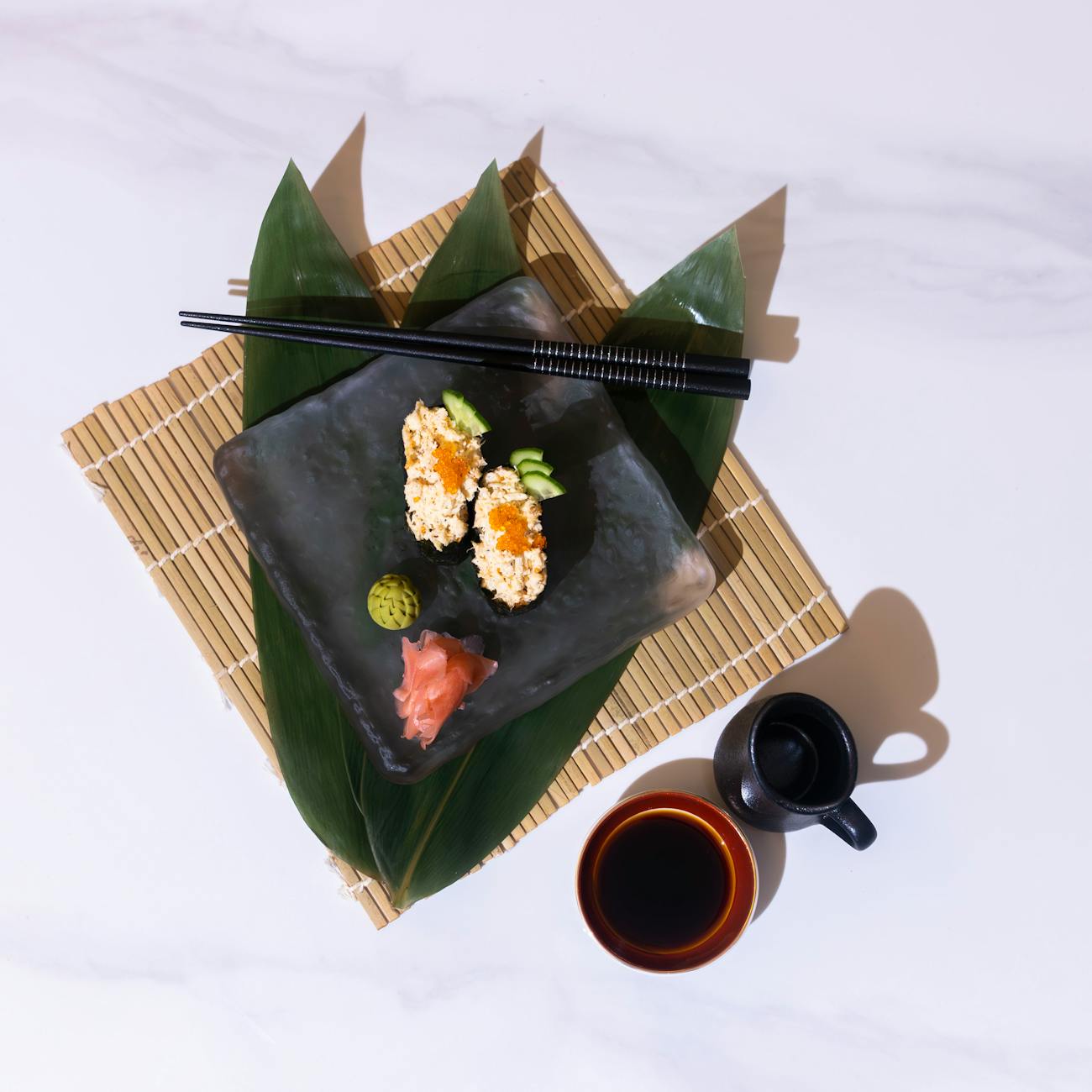
Before anyone eats, someone will say "itadakimasu"—often translated as "let's eat," but it means closer to "I humbly receive."
It's not directed at the chef (though they benefit). It's an acknowledgment of everything that brought the food to the table: the farmers, the fish, the rain, the hands. You don't need to be fluent. You don't need to be loud. Just a quiet "itadakimasu" with a small bow of the head.
At the end, say "gochisousama deshita" (thank you for the meal). Again, it's not just politeness. It's closure. A way of marking the end of a shared experience.
The unspoken center
Japanese dining manners aren't about perfectionism. They're about wa—harmony. If you fumble your chopsticks but stay aware, stay considerate, stay curious, you're already halfway there.
Watch the people around you. Match their pace. Don't drain your drink and sit with an empty glass while others are still sipping. Don't finish your rice before the main dishes arrive. Dining is a dance, and the best dancers make everyone else look good.
The rules matter less than the spirit behind them: eat as if the meal, and the people sharing it, deserve your full attention.
FAQ
Chaware curates authentic Japanese crafts — straight from the makers in Japan to your table.
Explore the Chaware collection →