How to Use Chopsticks: A Beginner's Guide to Proper Technique and Etiquette
On this page
You've probably watched someone wield chopsticks with the effortless grace of a calligrapher's brush and wondered: How? The secret isn't dexterity—it's structure.
Two sticks, one stays still
Here's what changes everything: only one chopstick moves.
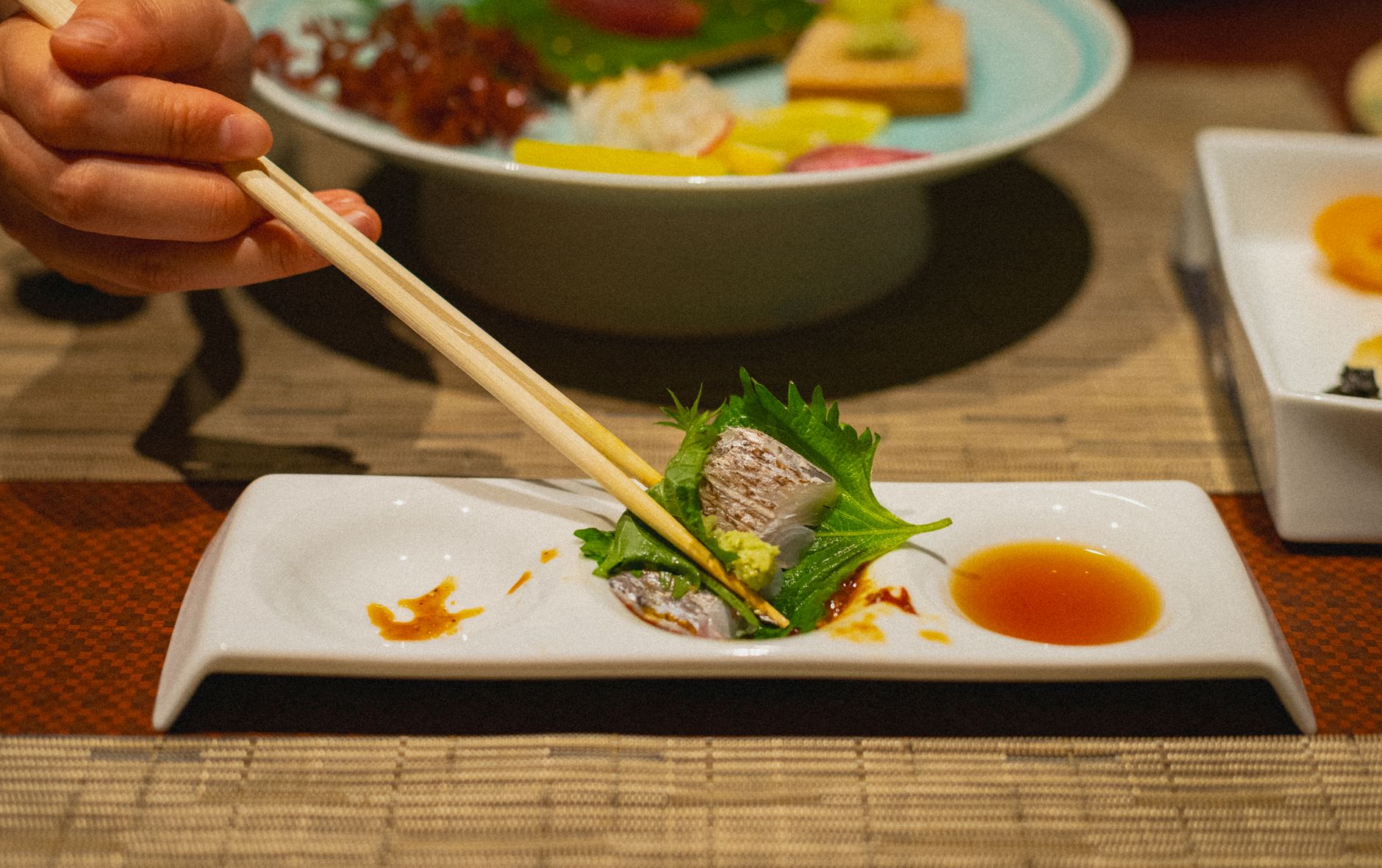
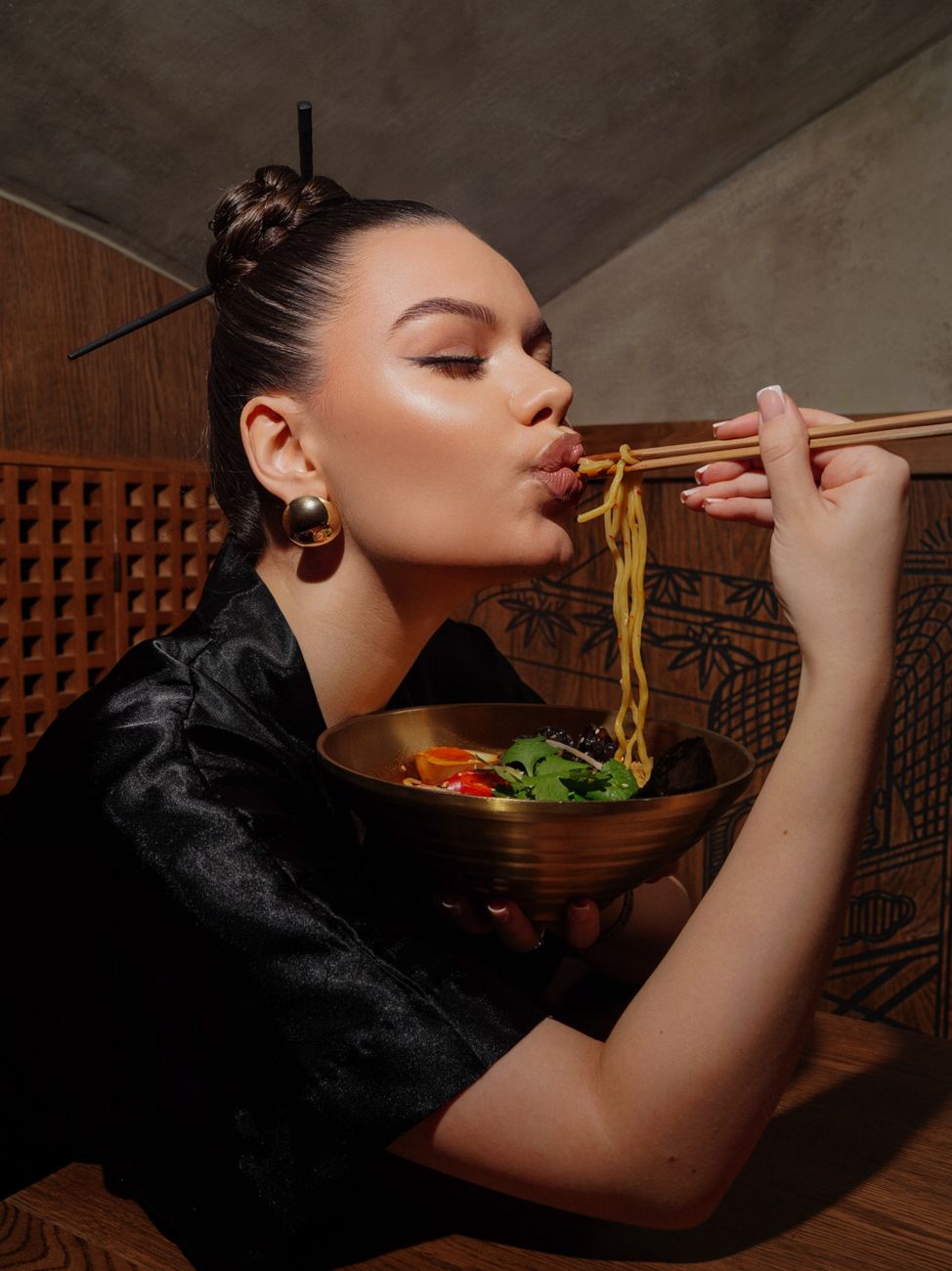
The bottom chopstick rests in the crook between your thumb and index finger, stabilized against your ring finger. It never budges. The top chopstick—held like a pencil between your thumb, index, and middle fingers—does all the work, pivoting down to meet its partner. Think of it as a hinge. Once you stop trying to control both sticks and let the lower one anchor, the mechanics click into place.
Most beginners grip too high, too low, or squeeze too hard. Hold the sticks about two-thirds up from the tapered ends. Your hand should feel relaxed, almost lazy. Tension is the enemy.
The things you must never do
In Japan, chopsticks aren't just tools—they carry centuries of meaning, especially around death and reverence.
Tsukitate-bashi: Never stand chopsticks upright in a bowl of rice. This mirrors a funeral rite where rice is offered to the deceased. It's not rude—it's jarring, like wearing a wedding dress to a funeral.
Watashi-bashi: Don't pass food directly from your chopsticks to someone else's. This echoes a Buddhist cremation ceremony where family members transfer bones of the deceased. Instead, place the food on their plate.
Mayoi-bashi (hovering chopsticks), sashi-bashi (spearing food), neburi-bashi (licking the tips)—these aren't about snobbery. They reveal a deeper philosophy: chopsticks extend your intention. Wavering over dishes suggests indecision. Stabbing suggests impatience. The way you handle them reflects how you meet the moment.
Chopsticks don't just pick up food—they carry the weight of how you show respect.
Practice with something that fights back
Forget the rice.
Start with roasted peanuts or edamame beans—firm, round, slippery. They'll punish a weak grip and reward precision. Once you can lift a single peanut without launching it across the table, you've mastered tension and control. Soft tofu comes later, after your confidence builds. It's the black belt test: lift a silken cube without crushing it, and you've arrived.
Children in Japan often begin with training chopsticks (renshu-bashi) that have finger loops or connected tips, but adults can skip straight to the real thing. Your brain learns faster when the stakes—and the embarrassment—are real.
The quiet choreography of the table
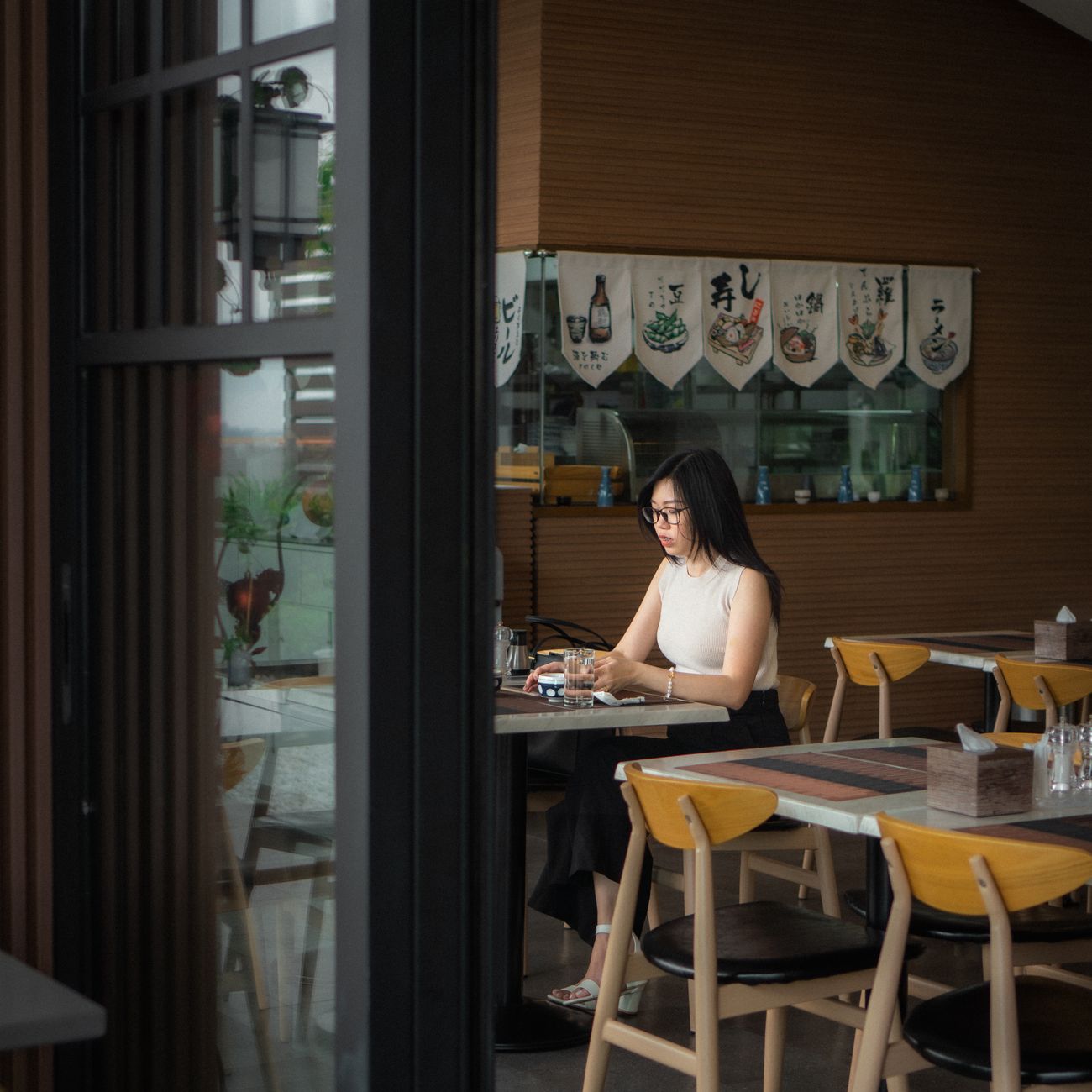
Watch a traditional Japanese meal and you'll notice: chopsticks rest on a small ceramic holder (hashi-oki) between bites, tips pointing left, never directly on the table or across the bowl. When you finish, return them to the paper sleeve if provided, folded to show they've been used—a small gesture of gratitude to the next person who clears your place.
There's no need to overthink it. These aren't arbitrary rules designed to trip you up. They're the distilled wisdom of people who've shared meals together for generations, who understand that how you eat shapes the space around you.
—
Your chopsticks don't need to dance. They just need to be still where it counts, and move with intention everywhere else.
FAQ
Chaware curates authentic Japanese crafts — straight from the makers in Japan to your table.
Explore the Chaware collection →