Chopstick Taboos You Should Never Commit: A Guide to Japanese Table Manners
On this page
You reach for your chopsticks at a Tokyo izakaya, and suddenly the table goes quiet. What just happened?
In Japan, chopsticks aren't just eating tools—they're vessels of meaning, shaped by centuries of Buddhist funeral rites, Shinto purity concepts, and the unspoken grammar of shared meals. Break certain rules, even innocently, and you've just mimed death at the dinner table.
The funeral gesture you must never make
Tate-bashi—standing chopsticks upright in a bowl of rice—is the single most serious taboo.
This isn't about manners. It's about mortality. At Japanese Buddhist funerals, a bowl of rice with vertical chopsticks is placed at the altar as an offering to the deceased. Replicate this at lunch, and you've essentially staged a miniature funeral rite. The room doesn't just find it rude—it finds it chilling. Even children learn this one early, whispered as the rule you never, ever break.
Passing between worlds
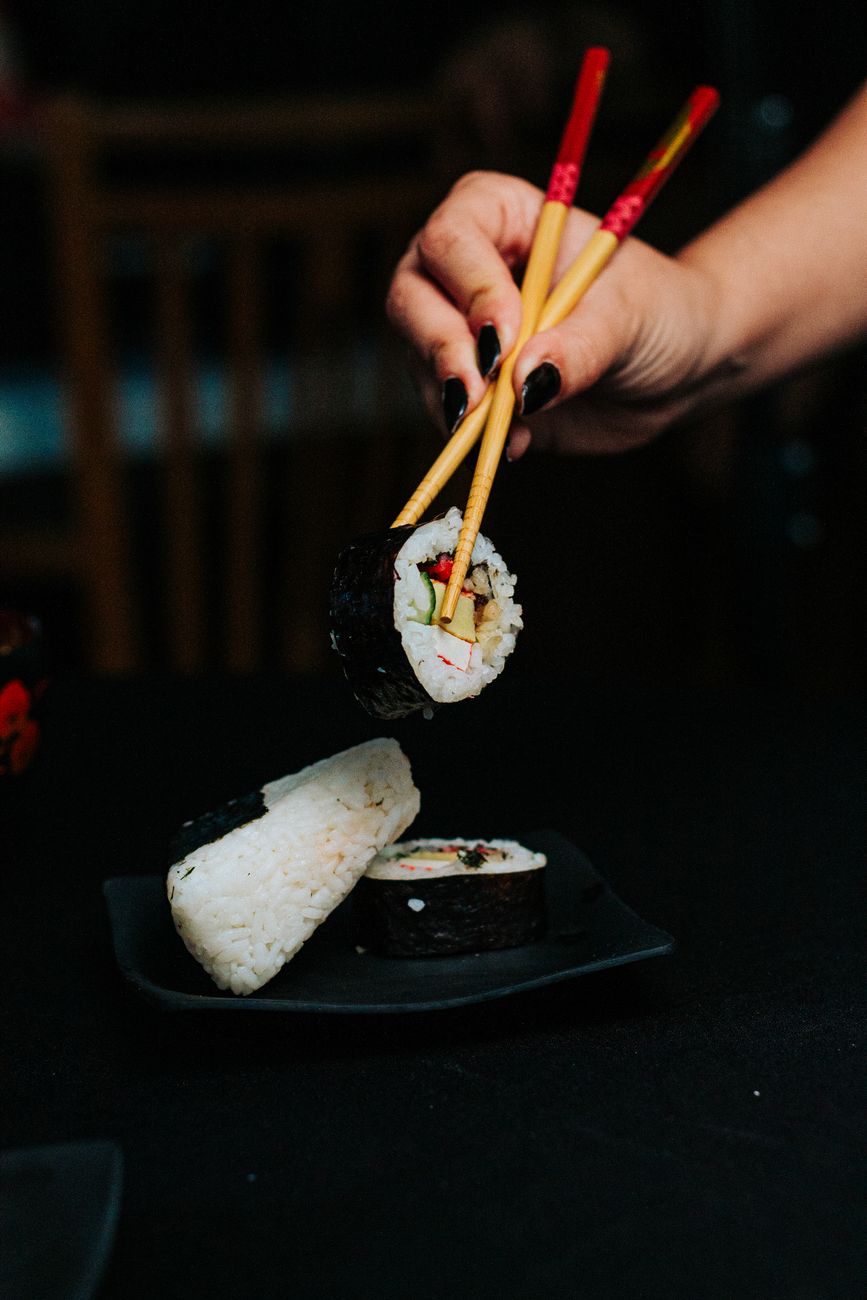
Handing food directly from your chopsticks to someone else's? That's hashi-watashi, and it echoes another funeral custom.
After cremation, family members use chopsticks to pass bone fragments to one another, transferring them to an urn. It's an intimate, sacred act reserved for death. At the table, passing a pickled plum or piece of fish chopstick-to-chopstick unconsciously mirrors this ritual. Instead, place the food on the person's plate, or on a small shared dish. The indirectness isn't coldness—it's care.
The silent language of the shared table
Japanese dining is fundamentally communal. Dishes sit in the center; everyone reaches in. This context makes certain chopstick behaviors more than impolite—they're contaminating.
Mayoi-bashi (hovering your chopsticks indecisively over dishes), sashi-bashi (spearing food instead of lifting it), and neburi-bashi (licking your chopsticks) all break the invisible contract of the shared space. You're either dithering over communal food, stabbing it aggressively, or introducing saliva into a collective experience.
In a culture where the boundary between self and group is carefully negotiated at every meal, your chopsticks are the mediator.
Then there's watashi-bashi—resting chopsticks across your bowl like a bridge. Practically, it's unstable. Symbolically, it suggests you're finished but haven't properly set them down, leaving your intentions unclear. Use the chopstick rest, or lay them neatly on the edge of a plate, tips to the left.
What to do instead
The alternative is simpler than the prohibitions suggest.
When taking food from a shared dish, reverse your chopsticks and use the clean ends—or use the serving utensils provided. Rest chopsticks on the hashi-oki (chopstick rest), parallel and pointing left. If there's no rest, fold your paper wrapper into a makeshift one, or rest them on the edge of a dish, tips elevated and clean.
Keep movements small, deliberate, quiet. Don't wave them around while talking, point with them, or use them to move plates.
The rules aren't about restriction. They're about rhythm—about dozens of people eating together in small spaces without friction, without reminders of death, without breaking the delicate membrane between individual appetite and collective harmony.
Your chopsticks know the difference. Now you do, too.
FAQ
Chaware curates authentic Japanese crafts — straight from the makers in Japan to your table.
Explore the Chaware collection →