Nebuta Festival History: How Aomori's Luminous Warriors Came to Life
On this page
The drums start at dusk, and the streets of Aomori explode with light.
Every August, northern Japan's largest summer festival transforms a quiet city into a river of fire and color. Enormous lantern floats — some towering six meters high — surge through the crowds, carried by teams of dancers whose chants echo off storefronts. The Nebuta Matsuri isn't just spectacle. It's a living bridge to beliefs about light, summer, and what the Japanese once feared most about the season's end.
When warriors rode on paper and bamboo
The floats themselves tell you everything about nebuta's roots. Warriors freeze mid-battle, their faces twisted in rage or triumph. Gods wrestle demons. Kabuki heroes strike impossible poses, all rendered in brilliant painted washi paper stretched over bamboo frames.
These aren't abstract designs. They're musha-e — warrior pictures — drawn from centuries of Japanese storytelling. The festival likely began during the Nara period (710-794) as a Tanabata observance, but Aomori's version evolved its own fierce character. Local legend credits the 9th-century general Sakanoue no Tamuramaro with using giant lanterns and flutes to confuse enemies during a northern campaign. Whether historically accurate or not, the story stuck. Nebuta became a festival of bold, defiant energy.
The floats don't just depict warriors — they are warriors, battling the encroaching dark.
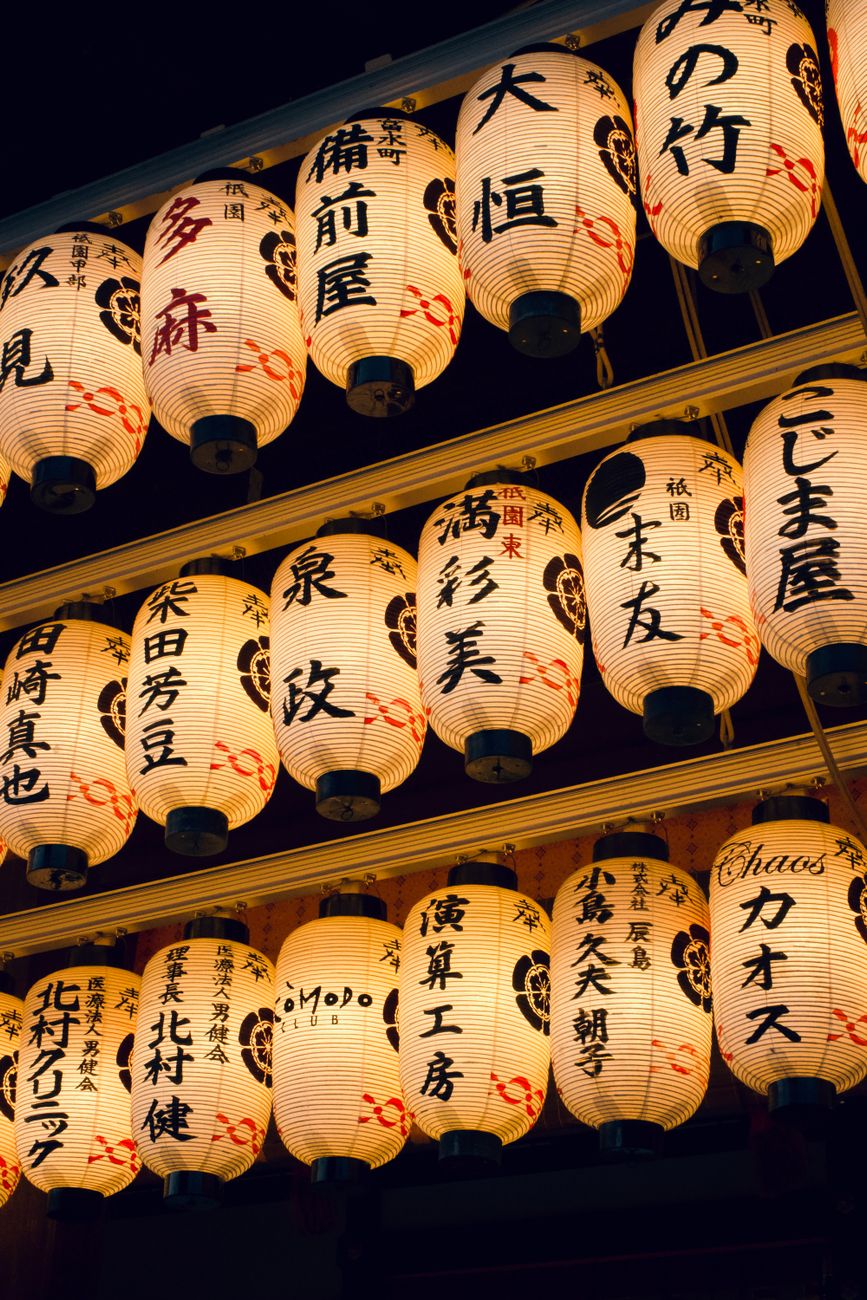
The sleepiness no farmer could afford
Scratch beneath the spectacle and you find something older: nemuri nagashi, the "sending away of sleep."
Northern summers are short and precious. Rice farmers couldn't afford drowsiness during the crucial growing season, so communities developed rituals to purge lethargy. They'd float paper dolls and lanterns down rivers, symbolically washing away the sluggishness that threatened the harvest. The word "nebuta" itself may derive from nemuta, an old northern dialect term for sleepiness.
What started as small talismans gradually grew larger, more elaborate, more competitive between neighborhoods. By the Edo period, the floats had become the giants we recognize today — no longer passively floated away but actively paraded through streets with drums, flutes, and the distinctive "Rassera, rassera!" chant that drives the haneto dancers forward in their colorful costumes.
How a festival nearly disappeared
Nebuta almost didn't survive the 20th century.
During World War II, the festival went dark — resources diverted, celebrations deemed frivolous. When it resumed in 1946, Aomori itself had been devastated by American firebombing. The city was ash and rubble. Yet that August, residents built new floats from scavenged materials and paraded them through ruins.
That postwar resilience transformed nebuta from local custom into cultural statement. The festival expanded, formalized, and in 1980 was designated an Important Intangible Folk Cultural Property. Today it draws millions, but the core remains unchanged: neighborhoods still compete to build the most striking float, teams still train for months to perfect their synchronized movements, and the same drums that once chased away sleep now mark the peak of northern summer.
The glow that marks the season's turn
Stand on a Aomori street corner in early August as a float rounds the corner, and you understand why this festival endures. The backlit paper seems to breathe. The painted warriors flicker between menace and beauty. Thousands of voices chant in unison.
It's a controlled explosion of light against the gathering dark — a reminder that summer, like the floats themselves, is temporary, vivid, and worth celebrating while it lasts.
FAQ
Chaware curates authentic Japanese crafts — straight from the makers in Japan to your table.
Explore the Chaware collection →