The Origin of Tanabata: How Japan's Star Festival Began
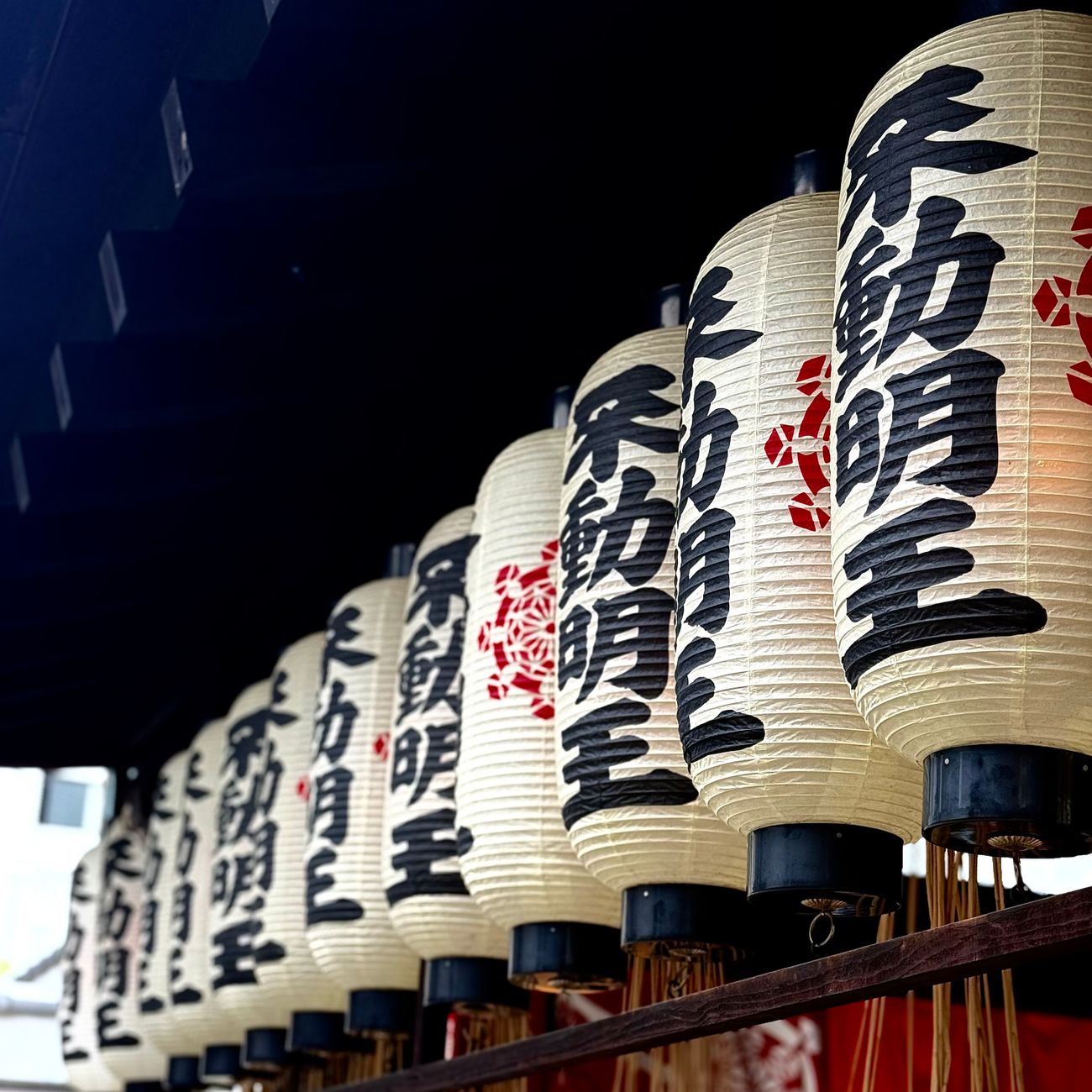
Every summer, millions of paper wishes flutter from bamboo branches across Japan, each one carrying a whispered dream toward the stars. It happens on the seventh day of the seventh month—a night when, according to ancient legend, two celestial lovers are finally allowed to meet.
When the Weaver crossed the Milky Way
The story at the heart of Tanabata didn't begin in Japan at all. It drifted eastward from China sometime during the Nara period, carried along the same routes that brought Buddhism, poetry, and court rituals. The Chinese knew it as Qixi, the tale of Orihime, a weaver princess, and Hikoboshi, a humble cowherd, separated by the heavenly river—what we call the Milky Way—and permitted to reunite just once a year.
In the original telling, their love was so consuming they neglected their duties. The gods, displeased, split them apart. Only on the seventh night of the seventh month would a bridge of magpies form across the stars, allowing them to cross.
The Japanese court absorbed this myth and wove it into their own summer observances, blending it with harvest prayers and rituals for improved craftsmanship.
Wishes written on leaves and silk
When Tanabata first took root in Japan, it was an aristocratic affair. Noble women displayed their finest needlework and calligraphy, hoping to channel Orihime's legendary weaving skill. They wrote poems on mulberry leaves and offered melons, rice wine, and bolts of silk to the stars.
The festival was never just about romance—it was about becoming better at what you made with your hands.
By the Edo period, the festival had slipped beyond palace walls. Commoners began writing wishes on strips of colored paper—tanzaku—and tying them to bamboo stalks. Bamboo, hollow yet strong, was believed to carry prayers upward. The rustling of the leaves was thought to attract the attention of the gods.
The wishes weren't frivolous. Farmers asked for good harvests. Merchants sought prosperity. Children hoped to improve their penmanship or master a musical instrument.
A festival shaped by the calendar
Here's where things get quietly complicated: Tanabata is celebrated on different days depending on where you are in Japan. Most cities observe it on July 7th, following the modern Gregorian calendar. But in some regions—Sendai most famously—the festival happens in early August, closer to the traditional lunar calendar date.
This split reflects a broader tension in modern Japan between old rhythms and new schedules. The lunar seventh day of the seventh month usually falls during the rainy season, when cloud cover makes stargazing nearly impossible. August offers clearer skies.
And yet, something about the timing matters less than the gesture itself: the act of writing a hope down, tying it to a branch, and letting it sway in the summer breeze.
Paper stars and city streets
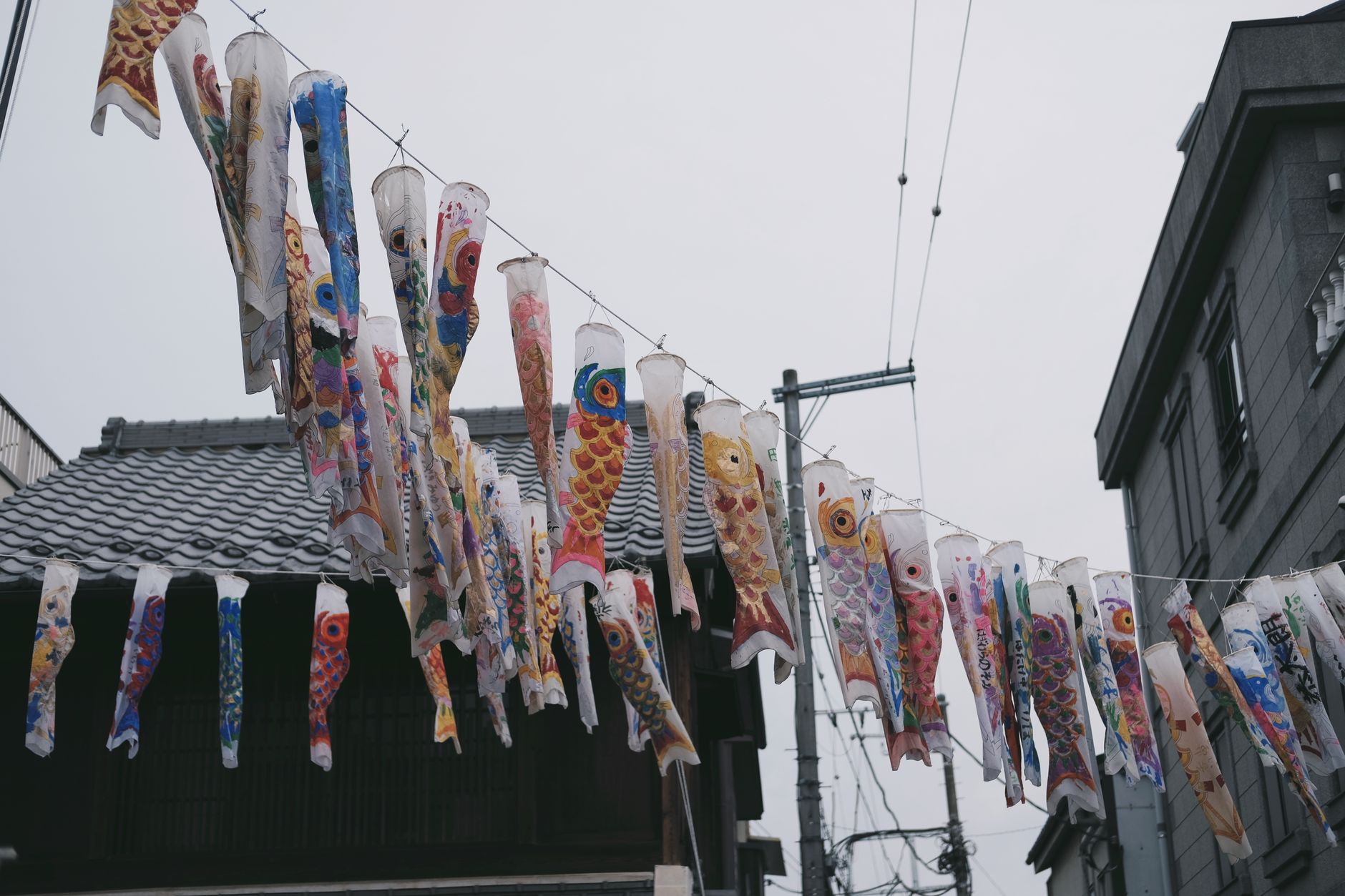
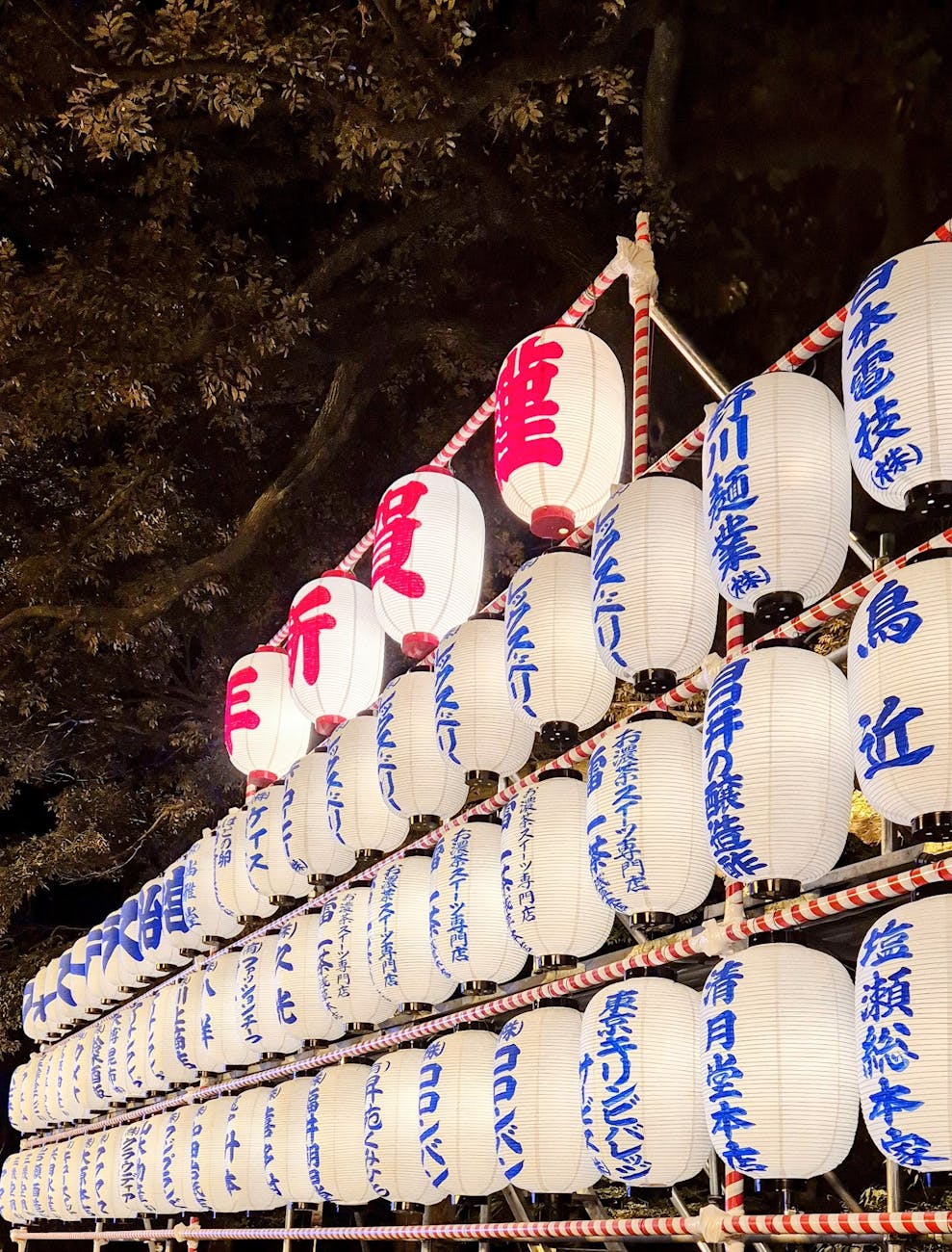
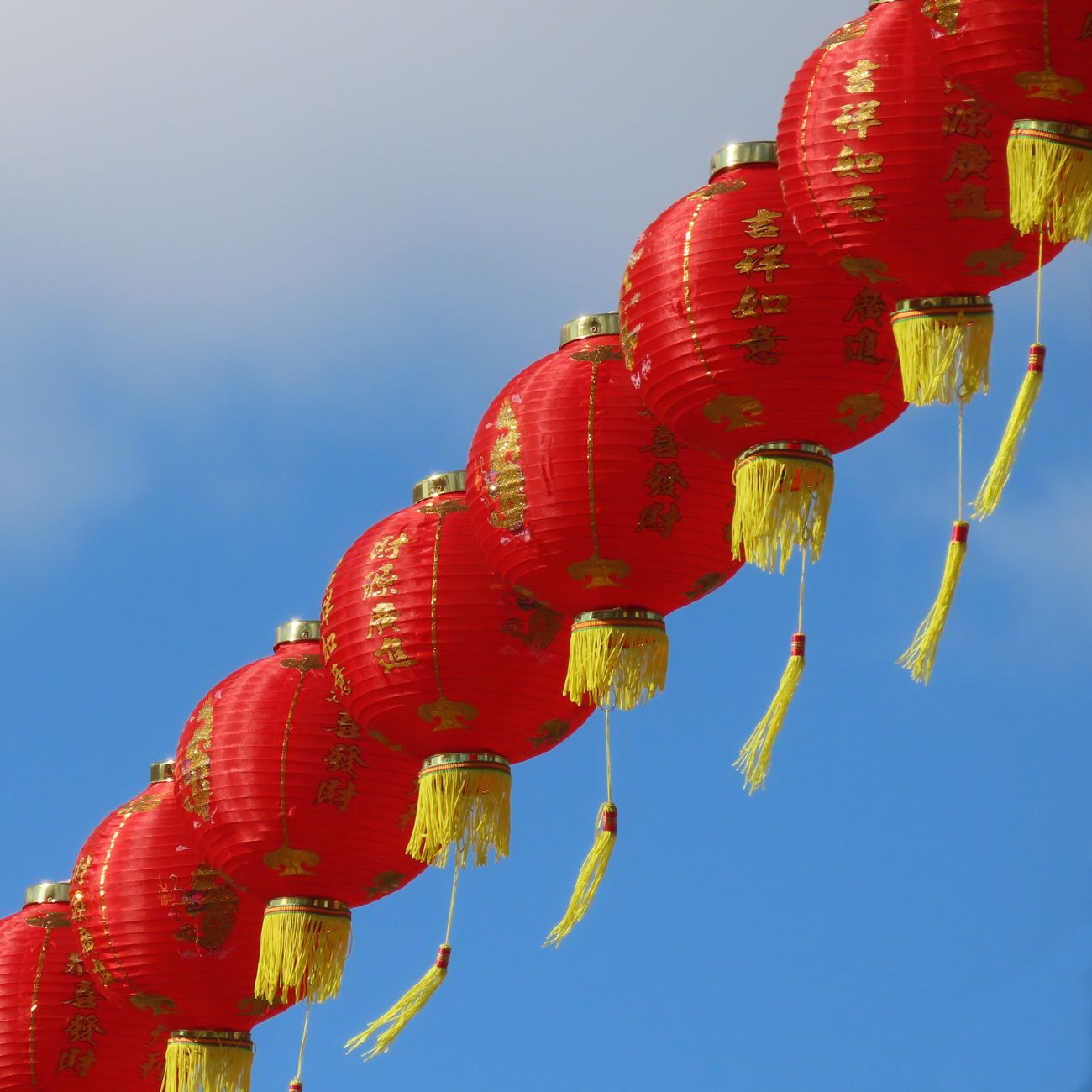
Today, Tanabata has become one of Japan's most visually spectacular festivals. Shopping arcades drape themselves in thousands of handmade decorations—paper cranes, streamers, lanterns, and kimono-shaped cutouts that cascade like waterfalls of color. In Sendai, entire streets become tunnels of washi paper and bamboo, swaying overhead like an indoor sky.
Children still learn the legend in school. Families still tie tanzaku. And somewhere, beneath the neon and the noise, the original wish persists: to be reunited with what you love, to become skilled at what you make, to reach across impossible distance.
The stars may not answer. But every year, we write anyway.
FAQ
Chaware curates authentic Japanese crafts — straight from the makers in Japan to your table.
Explore the Chaware collection →