Why Communities Carry Mikoshi Through the Streets: The Heart of Japanese Festival Tradition
On this page
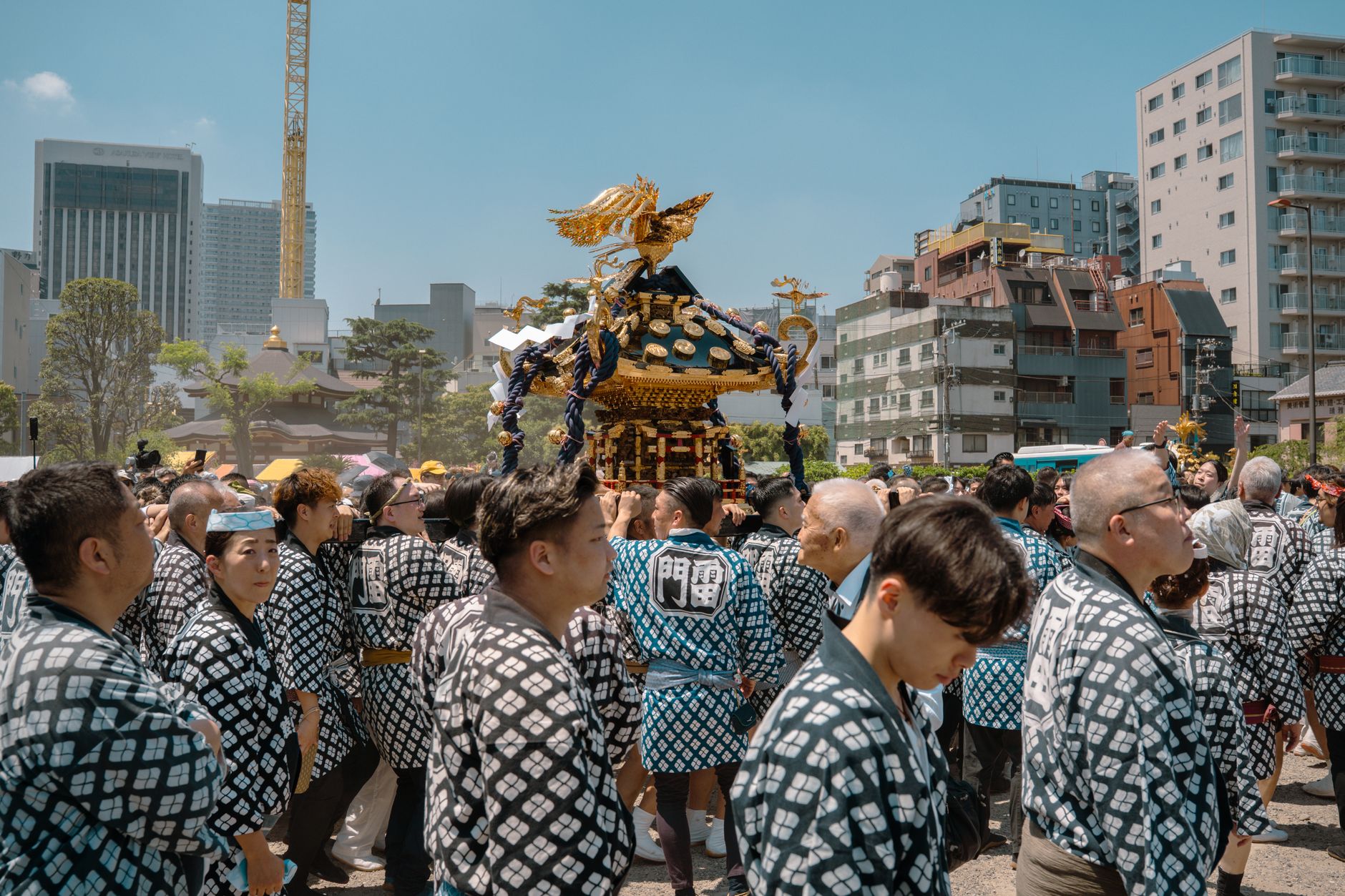
The streets erupt with chanting, sweat, and the rhythmic sway of a gilded shrine bouncing on the shoulders of dozens of people. If you've ever stumbled upon a mikoshi parade during a Japanese festival, you've witnessed something far older—and stranger—than it first appears.
The god is going for a ride
A mikoshi isn't just a decorative float. It's a portable shrine, a temporary vessel designed to carry a kami—a Shinto deity—out of its permanent home and into the neighborhood. During festivals, the kami leaves the main shrine building and is ceremonially transferred into the mikoshi so it can tour the community, bless the streets, and quite literally be among the people.
Think of it as a divine house call. The kami doesn't stay locked away in a distant sanctuary—it comes down to see you.
Why all the shaking and shouting?
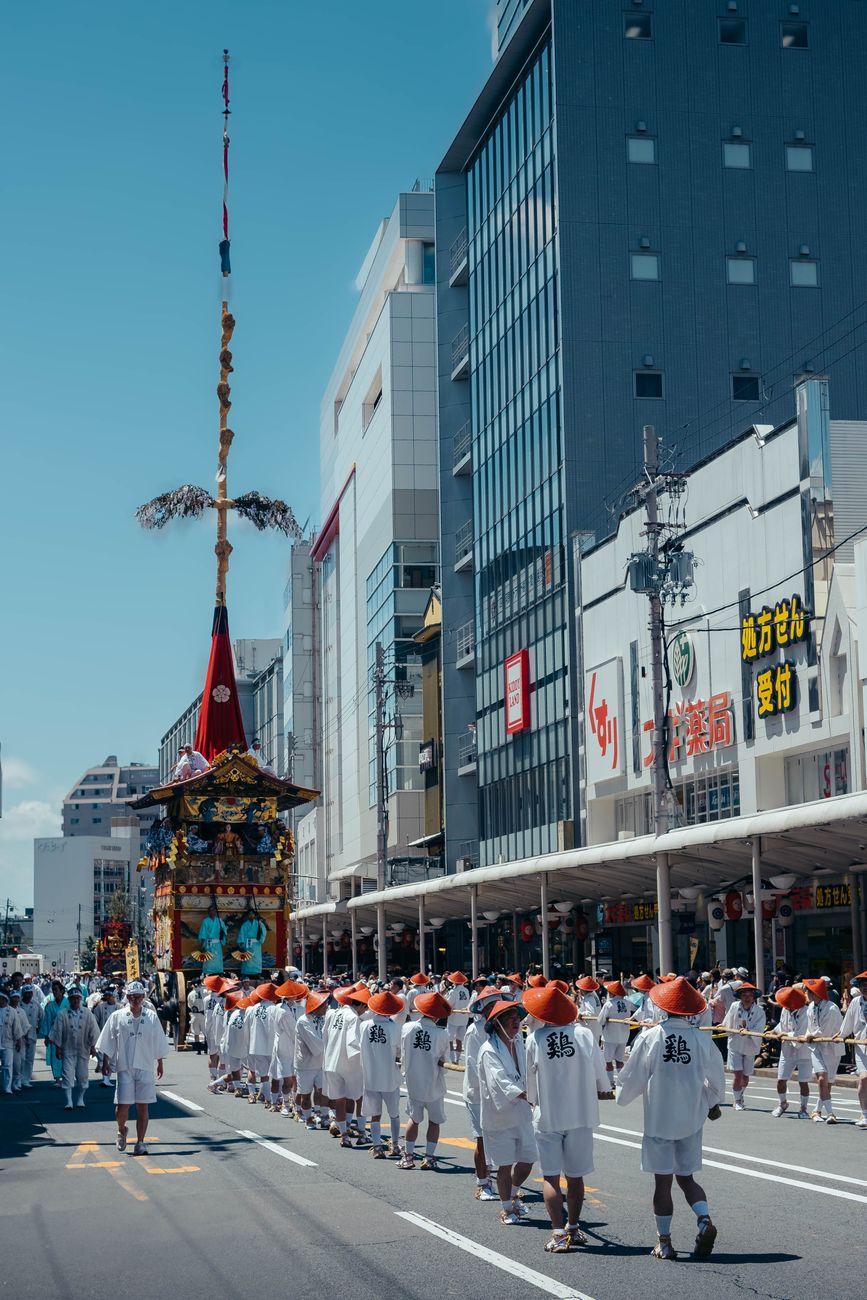
Watch closely and you'll notice the bearers aren't walking smoothly. They're bouncing, swaying, sometimes violently rocking the mikoshi from side to side while shouting rhythmic chants—"washoi! washoi!" or "soiya! soiya!" This isn't clumsiness. It's intentional.
The vigorous movement is believed to amplify the kami's spirit, to energize and please the deity riding inside. Some say the jostling helps the kami survey the streets from every angle. Others believe it stirs divine power, spreading blessings more effectively across the town. The physical effort—the sweat, the coordination, the sheer exertion—becomes an offering in itself.
Carrying a mikoshi isn't about grace; it's about devotion made visible through shared struggle.
Everyone carries the weight together
A single mikoshi can weigh anywhere from a few hundred pounds to well over a ton, depending on size and ornamentation. No one person can lift it. That's the point.
Mikoshi carrying is a communal act. Neighborhood associations, local businesses, even rival groups come together to shoulder the burden. Young and old, men and women (though traditions vary by region), all take turns under the heavy wooden beams. The festival becomes a living reminder that the community's relationship with the divine—and with each other—requires collective effort.
You'll often see teams rotating in and out, drenched in sweat, grinning with exhaustion. There's a palpable energy, part athletic, part spiritual, wholly social.
The route matters as much as the procession
The mikoshi doesn't wander randomly. Its path is deliberate, often tracing the boundaries of the shrine's parish or stopping at specific locations: crossroads, rivers, historically significant sites, homes of community elders. These stops allow the kami to purify spaces, acknowledge landmarks, and renew spiritual ties to the land.
Some festivals include multiple mikoshi from different shrines meeting in the streets—a divine encounter that mirrors human social bonds. Others feature nighttime processions lit by lanterns, transforming familiar streets into something otherworldly.
The route is both practical and symbolic: a map of belonging, drawn in footsteps and blessings.
##
When the festival ends, the kami is returned to its permanent shrine with ceremony and gratitude. The mikoshi is cleaned, stored, and the streets return to quiet.
But something lingers—the memory of shared weight, the echo of chanting, the knowledge that the divine once walked here with you.
FAQ
Chaware curates authentic Japanese crafts — straight from the makers in Japan to your table.
Explore the Chaware collection →