The History of Edo Kiriko Patterns: From Kagome to Nanako
On this page
Light hits the glass, and suddenly you're looking at a hundred tiny stars. Each one was carved by hand.
This is Edo kiriko—Tokyo's answer to cut crystal—and every geometric pattern you see has a name, a history, and a reason for being exactly where it is.
When England Met Edo
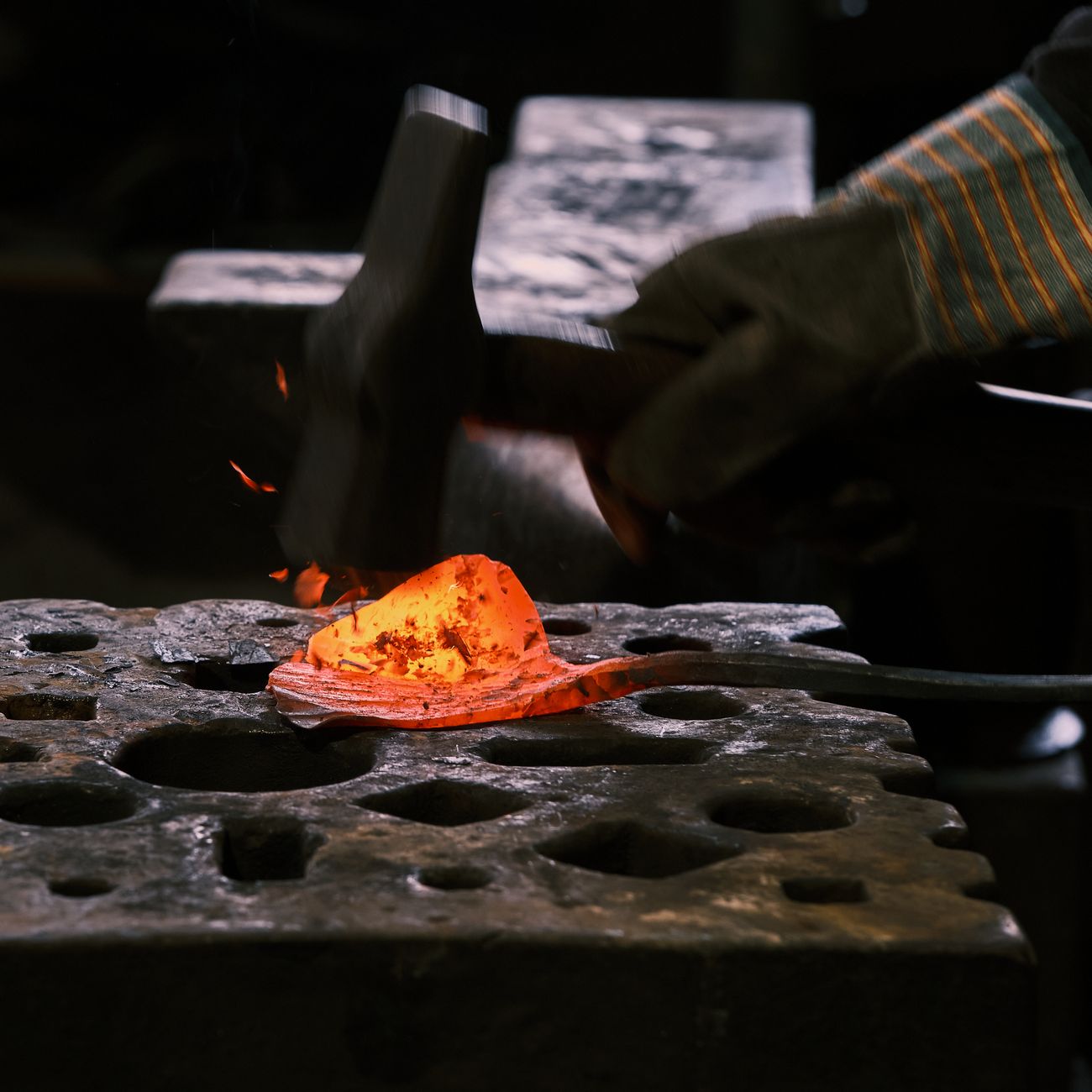
In the 1830s, a glassmaker named Kagaya Kyūbei got his hands on British cut glass. He studied it obsessively. Then he did what Japanese craftsmen have always done best: he took a foreign technique and made it unmistakably his own.
The difference? British crystal leaned toward floral abundance. Edo kiriko went geometric, restrained, precise. The patterns weren't just decoration—they were visual language drawn from nature, architecture, and centuries of Japanese design thinking.
The Eight Classics That Changed Everything
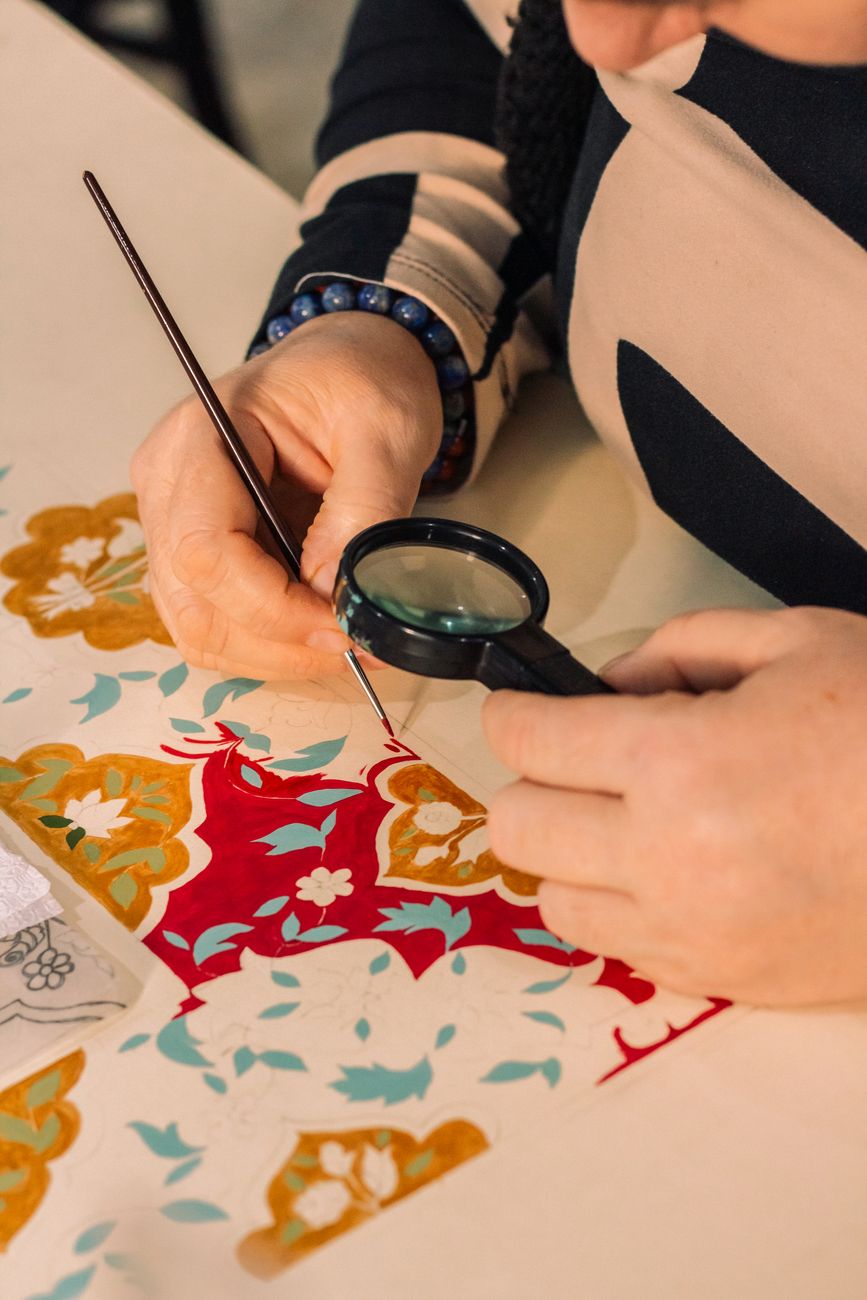
By the late 19th century, a core vocabulary of cutting patterns had crystallized. Nanako (fish roe)—tiny raised dots arranged in perfect grids, catching light like caviar on glass. Kikutsunagi (linked chrysanthemums)—radiating petals that honor Japan's imperial flower without ever spelling it out.
Each pattern began as a way to see something familiar—hemp leaves, tortoise shells, arrows in flight—translated into pure geometry and light.
Yarai resembles the bamboo fences around Edo's pleasure quarters, diagonal lattices sliced so thin they seem to float. Shippo takes the seven treasures of Buddhism and renders them as interlocking circles, endless and perfectly balanced. Then there's Hishi, the diamond net pattern fishermen knew by heart, and Asa-no-ha, the hemp leaf hexagon that appears on everything from samurai armor to baby kimonos—a symbol of straight, strong growth.
Glass That Remembers Color
Here's where Edo kiriko diverges from European cut glass entirely: the two-layer technique called irokise.
A thin shell of colored glass—cobalt blue, amber, crimson—is fused over clear crystal. When the artisan cuts through, the pattern emerges in reverse: colored surface, transparent depth. Light doesn't just bounce off these pieces. It travels through them, shifts, bends, tells a different story from every angle.
This wasn't possible with the glass formulas available in Kagaya's time. It came later, after Japanese glassmakers spent decades refining their chemistry, their furnaces, their understanding of thermal expansion. The patterns stayed traditional. The material itself evolved.
Cuts Measured in Fractions of Millimeters
Watch an Edo kiriko master at work and you'll notice something unnerving: there are no pencil marks. No tape. No guides.
The artisan holds the glass against a rotating grinding wheel—first coarse diamond grit, then finer and finer grades—and cuts freehand. The angle of approach, the pressure, the duration: all internalized through years of repetition. One degree off and the pattern breaks. One moment of hesitation and the depth is wrong.
Rokkaku kagome (hexagonal basket weave) requires the cutter to maintain six perfectly even facets while the glass spins. Get the rhythm wrong and the geometry collapses into chaos.
It takes most artisans a decade before their hands know what their eyes can barely measure.
What Patterns Carry Forward
Today's Edo kiriko studios still cut the traditional eight patterns. They also layer them, invert them, combine them in ways the Meiji-era masters never imagined. A sake glass might carry nanako at the base flowing into yarai mid-body, finished with a kikutsunagi rim—three centuries of design vocabulary in a single vessel.
The patterns haven't frozen in time. They've become a language still capable of new sentences, still finding ways to fracture light we haven't seen before.
FAQ
Chaware curates authentic Japanese crafts — straight from the makers in Japan to your table.
Explore the Chaware collection →