Onsen Inn Architecture: How Traditional Ryokan Blend Seamlessly With the Landscape
On this page
You walk through the sliding doors and the mountains walk in with you.
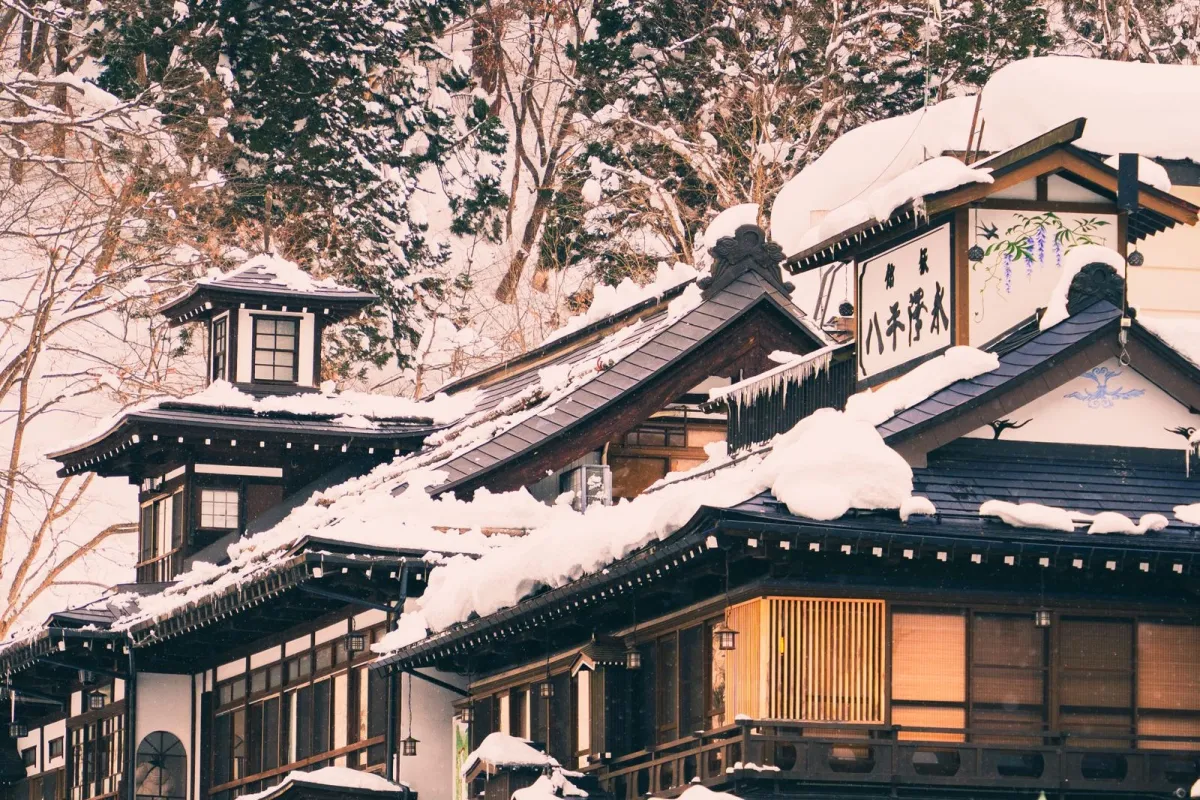
That's the quiet magic of onsen inn architecture—buildings that don't stand in nature but become part of its breathing rhythm. Traditional hot spring inns across Japan dissolve the boundary between inside and outside, between shelter and sky, so completely that you might forget where the room ends and the forest begins.
The grammar of disappearance
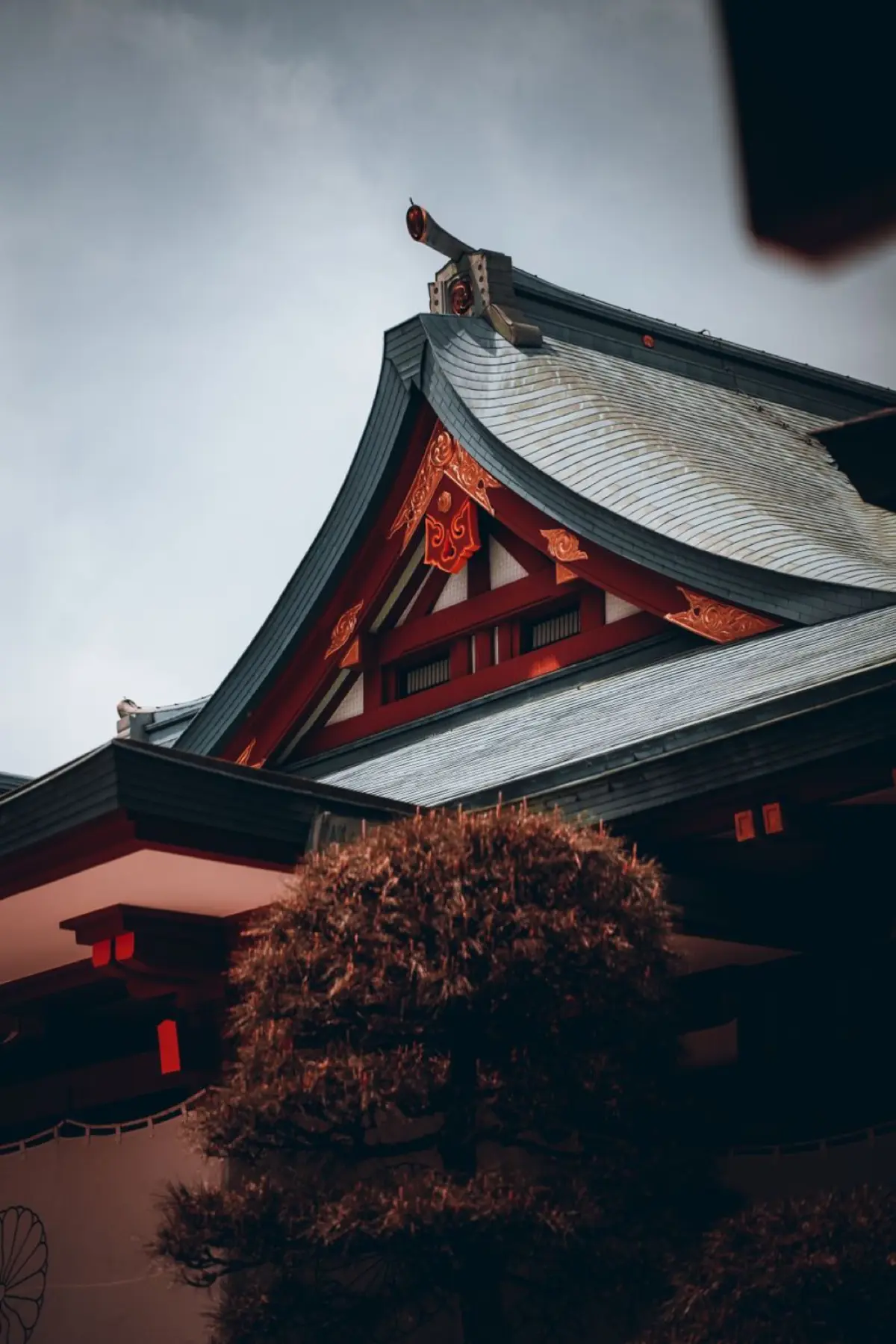
Japanese architects have spent centuries perfecting the art of the invisible building. At a mountain ryokan, you'll notice the roofline echoes the slope behind it. The colors—charred cedar, stone gray, earth brown—mirror the palette of autumn leaves and wet bark. This isn't coincidence.
Shakkei, or "borrowed scenery," guides every sightline. Architects frame distant peaks through carefully placed windows, turning Fuji or the Northern Alps into living scroll paintings that change with the light. The building becomes a viewing device, a lens that focuses your attention on what was already there.
Materials that remember the mountain
Walk barefoot across a ryokan's polished wood floor and you're touching the forest it came from. Traditional inns source timber, stone, and clay from their immediate surroundings—sometimes from the same mountain the building sits on.
Hinoki cypress from local groves. River stones for the bath's edge. Plaster mixed with volcanic ash. These aren't design choices—they're a form of belonging. The inn smells like the woods after rain because it is the woods, reassembled into shelter.
When a building ages in the same climate that grew its materials, it weathers gracefully. Silver-gray wood. Moss on north-facing stones. The structure doesn't fight time; it joins the mountain's slow transformation.
Thresholds that teach you to pause
In onsen inn design, every transition is a meditation.
You don't rush from street to bath. The architecture slows you deliberately. Genkan entrance. Dim corridor. Inner garden glimpsed through shoji screens. Another turn. The path unfolds like a scroll, revealing the landscape in chapters.
Engawa—those wooden verandas that hover between room and garden—are threshold spaces made solid. You can sit there at dawn, tea cooling in your hands, neither fully inside nor out. Your body in shelter, your eyes in the mist.
This gradual deepening into place is spatial courtesy. The building teaches you its landscape's tempo before you arrive at the water.

Windows that frame the seasons
At the finest ryokan, bathing becomes viewing. Outdoor rotenburo baths position you eye-level with a maple branch or a snow-laden pine. Indoor baths place massive windows precisely where your head rests against the tub's edge.
You're not looking at nature. You're floating in it, temperature-matched to stone and sky. The architecture arranges you—naked, warm, receptive—in direct conversation with weather, light, the particular blue of a winter dusk settling over cedars.
Some inns align their baths to face east, so sunrise ignites the water. Others frame a single stone lantern in darkness, teaching you to see one thing completely.
The architecture of steam and silence
The best onsen buildings know when to vanish. Low ceilings in corridors make the bath's open sky feel vast. Rough walls beside the water let smooth river stones sing. Darkness in the changing room makes the moonlit outdoor bath luminous.
This is ma—the meaningful void, the designed emptiness that gives everything else weight. The building holds space for steam to rise, for silence to settle, for you to notice the particular smell of sulfur and cypress and night.
The inn doesn't compete with the mountain. It listens, then responds in wood and stone and carefully composed absence, until you can't remember if you came here to see the landscape or if you've become part of what someone else might see.
FAQ
Chaware curates authentic Japanese crafts — straight from the makers in Japan to your table.
Explore the Chaware collection →
Keep exploring


