Where Japan Is Made
A map of the crafts, ceramics and teas that define Japan — and where each one is really made. Tap a place to learn its story, then bring the real thing home.

Arita Ware
Japan's first porcelain, born around the 1610s after the potter Yi Sam-pyeong found porcelain stone at Izumiyama — now a designated Historic Site. From here came early Imari blue-and-white, the milky-ground Kakiemon style and lavish gold Kinrande — the export ware that dazzled Europe.

Hasami Ware
For 400 years Hasami has made porcelain for everyday tables, not lords'. Its sturdy Edo-era 'kurawanka' bowls — thick, with a high wide foot to sit steady on riverboats — put porcelain in ordinary hands. Today it is Japan's second-largest ceramic producer.

Mino Ware
The powerhouse of Japanese ceramics: Gifu's kilns make roughly half of all the country's tableware. Mino is also the cradle of the tea-ceremony glazes — yellow Kiseto, jet-black Setoguro, white feldspathic Shino and green Oribe — born here in the age of Nobunaga and Hideyoshi.

Bizen Ware
The oldest of Japan's Six Ancient Kilns, fired without pause since the Heian era. Bizen uses no glaze at all: pieces bake for about two weeks at 1,200°C, and ash, charcoal and flame alone paint each 'yohen' surface — no two alike. Famously tough enough to throw without breaking.

Kutani Ware
Bold, painterly overglaze in the Kutani five colours — green, yellow, red, purple and deep blue. Begun around 1655 under the Daishoji domain, whose lord sent Goto Saijiro to learn porcelain at Arita. The first kilns mysteriously closed by the early 1700s — the prized Ko-Kutani — and revived a century on.

Mashiko Ware
A humble folk-pottery town transformed in 1924, when Shoji Hamada — later a Living National Treasure of the mingei movement — settled here. Mashiko's sandy clay resists thin walls, giving its wares their plump thickness. Designated a Traditional Craft in 1979; its spring and autumn markets draw crowds nationwide.

Shigaraki Ware
One of the Six Ancient Kilns, worked since the late Heian era with fire-resistant clay from the ancient Lake Biwa strata. Unglazed and wood-fired, it flushes with warm scorch-marks and glassy natural ash-glaze. The smiling tanuki became a national icon after a 1951 imperial visit lined the road with them.

Tsugaru Bidoro
Hand-blown colour glass born from a fishing-float factory. Aomori's Hokuyo Glass, once Japan's top maker of glass floats, turned its free-blowing skill to art glass around 1975. It now blends over 100 of its own colours, drawn from Aomori's seasons.

Edo Kiriko
Cut glass from old Edo, first engraved in 1834 by a Nihonbashi glass dealer using emery powder and refined after a British cutter was invited in 1881. Thin colour-overlaid glass is cut to reveal clear beneath, in patterns like the fish-roe 'nanako.'

Satsuma Kiriko
Coloured cut glass developed in the 1850s under the Satsuma lord Shimazu Nariakira. Lost in the upheavals of the Meiji Restoration — the 'phantom kiriko' — and revived from old records after 1985. Its signature is the soft 'bokashi' gradient, above all the Satsuma crimson.

Otaru Glass
A northern port that blew kerosene lamps and herring-fishery floats from 1901, then reinvented itself as a canal-side glass town. Otaru's hand-blown colour glass carries pale hues like colour flushing softly through snow.

Uji Matcha
The birthplace of Japan's finest matcha. Tea took hold here after 1191 via the monks Eisai and Myoe; shaded cultivation was developed in the 16th century for the tea ceremony, and in 1738 Nagatani Soen's 'Uji method' shaped modern Japanese tea — and gyokuro.

Shizuoka Tea
Japan's number-one tea region. The vast Makinohara plateau was pioneered from 1869 by former Tokugawa retainers, and Shizuoka now grows about 40% of the nation's tea — much of it deep-steamed 'fukamushi' sencha under the gaze of Mount Fuji.

Yame Gyokuro
Home of Japan's finest gyokuro. Tea began here in 1423, when a Zen monk back from Ming China founded a temple and shared his seeds — 600 years in 2023. Yame's straw-shaded traditional hon-gyokuro repeatedly tops the national tea competition.

Nishijin Weaving
Kyoto's yarn-dyed figured weaving, named for the 'west camp' of the 15th-century Onin War, where weavers regrouped once the fighting ended. Dyed threads become intricate patterns — from figured 'mon-ori' to fingernail-woven 'tsuzure' tapestry — many kinds in small runs.

Kaga Yūzen
Kanazawa's hand-painted kimono dyeing, advanced by the fan-painter Miyazaki Yuzensai from 1712. Realistic flowers and leaves in the 'Kaga five colours,' with soft shading and the signature 'mushikui' insect-eaten-leaf motif — and, unlike Kyoto yuzen, almost no embroidery or gold.

Awa Indigo
Tokushima's natural indigo — the 'sukumo' fermented from indigo leaves over nearly a year. Promoted by the Hachisuka lords from the Momoyama era, it dominated Japan's market and still supplies most of the country's natural indigo, the true Japan Blue.

Wajima Lacquer
Japan's most prestigious lacquerware, prized for toughness: a foundation of local diatomaceous 'jinoko,' cloth-reinforced wood and many coats mean roughly 75 to 124 hand steps per piece — then celebrated 'chinkin' incised gold and 'maki-e.' An Important Intangible Cultural Property since 1977.

Aizu Lacquer
Lacquerware from the samurai city, rooted in 1590 when the lord Gamo Ujisato brought woodturners and lacquerers from Shiga and made it an industry. Later exported to China and the Netherlands; known for lustrous 'hana-nuri' and fine dusted-gold 'keshifun' maki-e.

Nambu Ironware
Iwate cast ironware: Morioka's tea-kettle tradition from Kyoto masters and Mizusawa's older temple-casting, united as one brand in 1959. The pebbled 'arare' iron kettle, lacquer-finished against rust, is austere, sturdy and made to last generations.

Tsubame-Sanjō Metalwork
Japan's metalworking capital, which began with farmers forging nails as an Edo off-season trade, then hammered copperware and pipes, then Western cutlery. Today its twin towns pool forging, pressing and mirror-polishing behind knives and tableware known worldwide.

Sakai Blades
The blades professional chefs swear by. After tobacco arrived in the 1500s, Sakai smiths forged tobacco knives so sharp the shogunate stamped them 'Sakai kiwami.' Made by divided specialists and usually single-bevelled, Sakai knives dominate Japanese professional kitchens.

Echizen Washi
One of Japan's three great papers, with 1,500 years of history and its own paper goddess, Kawakami Gozen, at Japan's only shrine to the paper deity. Echizen washi is prized for its natural colour and strength — even chosen, later, for banknote paper.

Odate Magewappa
Bentwood boxes from Akita cedar, a 1,300-year-old craft that grew when low-ranking Odate samurai were encouraged to make them from the domain's abundant cedar. Straight-grained strips are softened in hot water, bent to a mould and stitched with cherry bark — Japan's only designated bentwood ware.

Tokoname Ware
The largest of the Six Ancient Kilns, making storage jars since the Heian period. Its iron-rich clay fires to a soft vermilion, perfected in the red 'shudei' teapots first made in the mid-1800s — still the benchmark for Japanese kyusu. Tokoname clay also formed the pipes that modernised Meiji cities.

Hagi Ware
The tea master's bowl. Opened around 1604 as the Mori clan's official kiln and worked by Korean potters carrying the Goryeo tea-bowl tradition. Ranked 'first Raku, second Hagi, third Karatsu.' Its soft, crackled glaze slowly stains with use — the celebrated 'seven changes of Hagi' that deepen a bowl over a lifetime.

Karatsu Ware
Rugged, understated tea ware fired since the 1580s, when Korean potters brought Japan its first climbing kilns and kick-wheels. Ranked just below the Korean Ido bowl as 'first Ido, second Raku, third Karatsu.' Its earthy surfaces — including painted e-Karatsu — made it a favourite of tea masters.

Kiryū Textiles
'Nishijin of the west, Kiryu of the east.' This Gunma weaving town presented silk to the court as early as 714, and is known for the lustre of its threads and seven weaving techniques — including the 'omeshi' cloth said to be favoured by a shogun.

Kurume Kasuri
Cotton ikat invented around 1800 by Inoue Den, a girl of twelve who saw white flecks in a faded indigo garment and worked out how to bind and dye threads to make patterns in the weave. An Important Intangible Cultural Property since 1957.
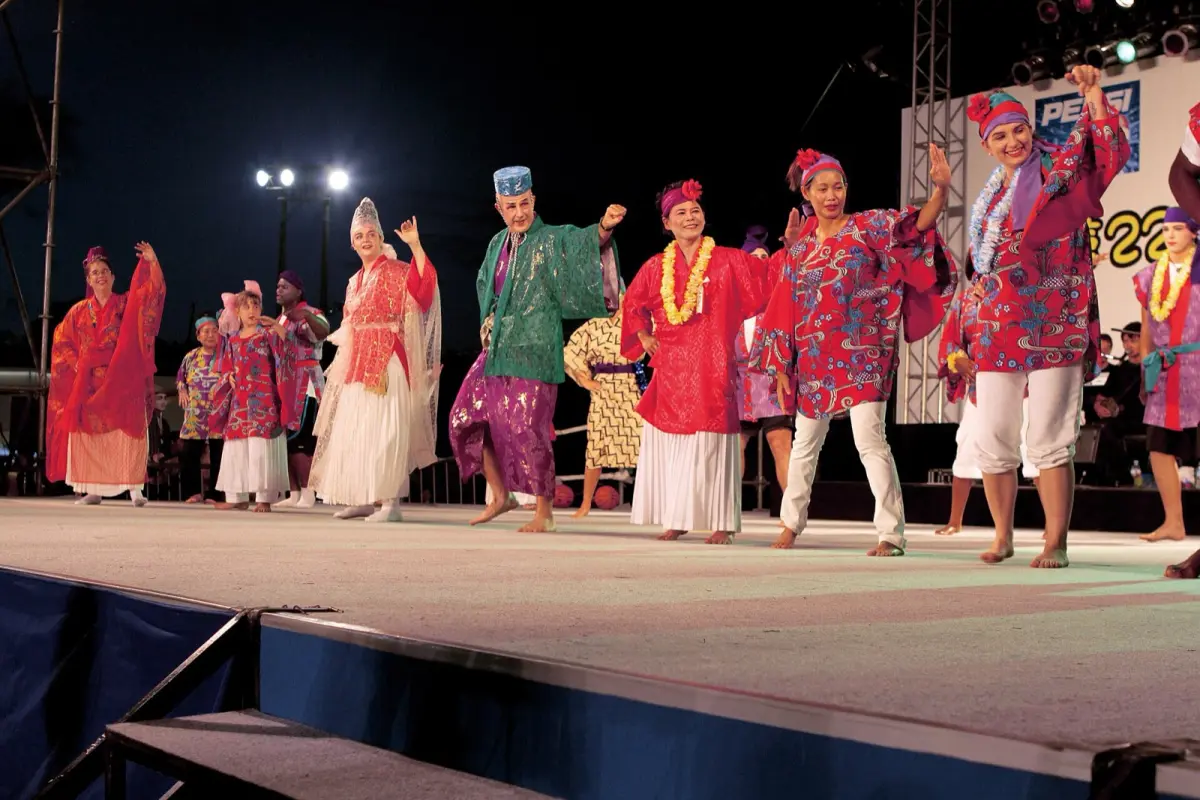
Ryūkyū Bingata
The Ryukyu Kingdom's brilliant stencil-dyeing, developed around Shuri as royal and warrior dress from the 14th century. It blends imported sarasa and stencil techniques with island methods, in bold colour and simple natural motifs, using both pigments and plant dyes.

Takaoka Copperware
Toyama's cast metalwork, founded in 1611 when the Kaga lord invited seven casters to build the town. From iron pots it turned to fine copper art — altar fittings, vases, temple bells — and now makes most of Japan's copperware, richly patinated and inlaid.

Yamanaka Lacquer
The finest turned woodwork in Japan — 'Yamanaka for woodturning, Wajima for coating, Kanazawa for maki-e.' Begun by 16th-century woodturners above Yamanaka Onsen, its lathe work cuts 'sensuji' ridges of a dozen fine lines within three millimetres.

Hakone Yosegi
Marquetry begun by Ishikawa Nihei of the Hatajuku post town in the late Edo era. Contrasting natural woods are combined into geometric patterns — planed into paper-thin veneers or worked solid — and made into travellers' souvenirs, including the famous puzzle 'secret boxes.'

Nishio Matcha
A leading matcha town on the Yahagi River, where a temple priest raised Uji seedlings in 1872. Grown under traditional shelf-shading on the Inariyama hills, Nishio makes deep-green, full-bodied matcha — about a fifth of Japan's output.

Seto Ware
So central to Japanese ceramics that 'setomono' simply means crockery. Seto was the first place in Japan to glaze its wares, with ash and iron glazes from the Heian period. One of the Six Ancient Kilns, its rich, iron-free white clay carries the whole palette, from yellow Kiseto to green Oribe.

Tobe Ware
Sturdy everyday porcelain from the hills of Ehime. White porcelain succeeded here in 1777 under the Ozu domain, and Tobe's thick, chip-resistant bowls became prized as honest daily ware. Its indigo arabesques are drawn in a single confident stroke; designated a Traditional Craft in 1976.

Onta Ware
Called 'the finest folk pottery in the world' by mingei founder Soetsu Yanagi. Fired in a remote Hita valley since about 1705 by just three families, who still pass the craft strictly parent to child. Its rhythmic 'tobikanna' chatter-marks and 'hakeme' brushwork became world-famous after Bernard Leach studied here in 1954.

Mino Washi
One of the three great washi, over 1,300 years old — Nara's Shosoin holds Mino paper from the year 702. Its 'Hon-Minoshi' is thin, even and luminous yet strong: an Important Intangible Cultural Property, and UNESCO Intangible Cultural Heritage since 2014.

Tosa Washi
Kochi's paper, made with the pure Niyodo River and recorded since 927. Famous for being thin yet strong: 'Tosa Tengujoshi,' made only in Ino, is among the world's thinnest handmade papers at 0.03–0.05mm, used to restore artworks and documents worldwide.

Yūki Tsumugi
Silk pongee spun by hand from silk floss, its kasuri tied by hand and woven on a waist-tensioned back-strap loom. Light, warm and untwisted-thread-soft, its ground-loom weave is an Important Intangible Cultural Property and, since 2010, UNESCO Intangible Cultural Heritage.

Ōshima Tsumugi
Amami's silk pongee, ranked among the world's three great textiles. Its deep, subdued black comes from mud-dyeing: thread steeped in 'teechi-gi' bark, then worked into the island's iron-rich mud. Precise kasuri is set on a binding loom perfected around 1902.

Tsugaru Nuri
Aomori's 'stubborn lacquer' — dozens of coats built up, then ground back to reveal marbled, speckled colour, no two alike. Its signature 'kara-nuri' is so laborious it is nicknamed 'the fool's lacquer.' Tough for daily chopsticks, refined enough to treasure.

Kishū Lacquer
One of Japan's three great lacquerwares, made in Kuroe since about 1400. Shaped by nearby Negoroji temple's 'Negoro' style — red lacquer over black that wears to reveal the black beneath — Kishu made honest, affordable everyday lacquer for ordinary tables.

Seki Blades
The sword capital of medieval Japan, whose 'Mino-den' was one of the five great sword traditions and whose blades were 'unbreakable, unbendable, sharp.' Seki turned 700 years of blade-craft into the world's finest kitchen and pocket knives.
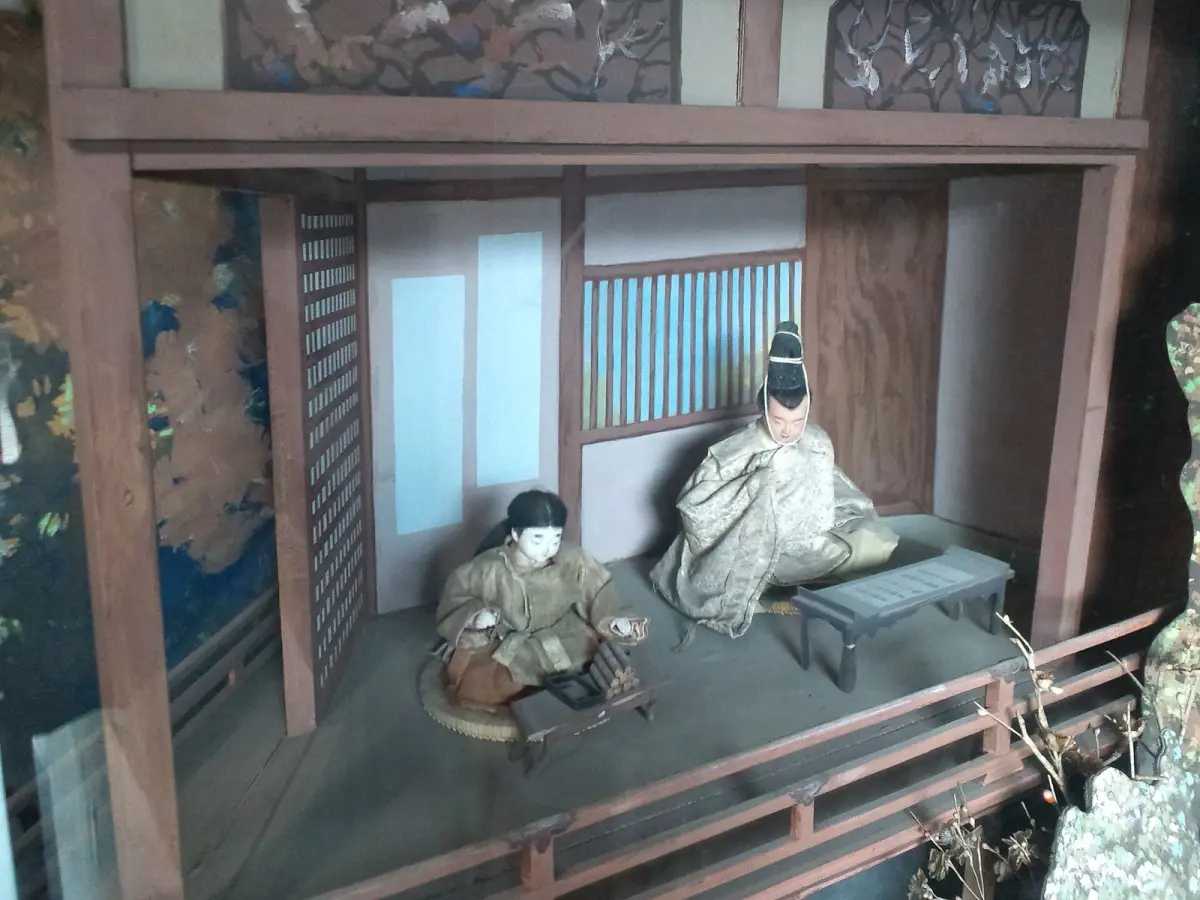
Hakata Dolls
Unglazed painted clay dolls, over 400 years old, from a tradition set when Kuroda Nagamasa entered Fukuoka in 1600. Fired once, then coloured entirely by hand; the softly modelled 'beauties' are especially prized. Meiji-era expositions made 'Hakata dolls' known abroad.

Naruko Kokeshi
Limbless wooden dolls turned in the Naruko hot springs as toys and souvenirs since the late Edo era. Large-headed, waisted and painted with chrysanthemums, the Naruko type squeaks when you turn its friction-fitted head. About fifty makers still work in the town.

Kyoto Folding Fans
The folding fan was invented in Kyoto — first the cypress-slat 'hiougi,' a Heian court memo pad, then the bat-winged paper 'kawahori-ougi.' Elegant and refined, a Kyoto fan passes through some 87 specialist steps, its modern form set by the Momoyama era.

Marugame Round Fans
Rigid round fans said to date from 1633, spread nationwide as souvenirs by pilgrims landing at Marugame port for Konpira Shrine. Handle and ribs are cut from a single bamboo; Marugame now makes over 100 million fans a year — about 90% of Japan's output.

Kumano Brushes
This Hiroshima town made brushes after farmers, short of land, peddled brushes and ink home from seasonal work — a trade that boomed as Meiji schooling spread calligraphy. Kumano now leads Japan in writing, painting and prized makeup brushes, almost all shaped by hand.

Ogatsu Inkstones
Inkstones carved from fine black Ogatsu slate, quarried on the Miyagi coast since about 1396. So prized that the lord Date Masamune closed the quarry mountain to outsiders. Pure, hard and water-tight, the stone grinds ink beautifully — and once made 90% of Japan's school inkstones.

Nara Ink Sticks
Nearly all of Japan's solid ink is made in Nara, where oil-soot 'yuen-boku' ink was born from the lamp-soot of a Kofuku-ji hall. The house Kobaien, founded 1577, still gathers soot from some 400 flames; ink is kneaded in the cold winter months.
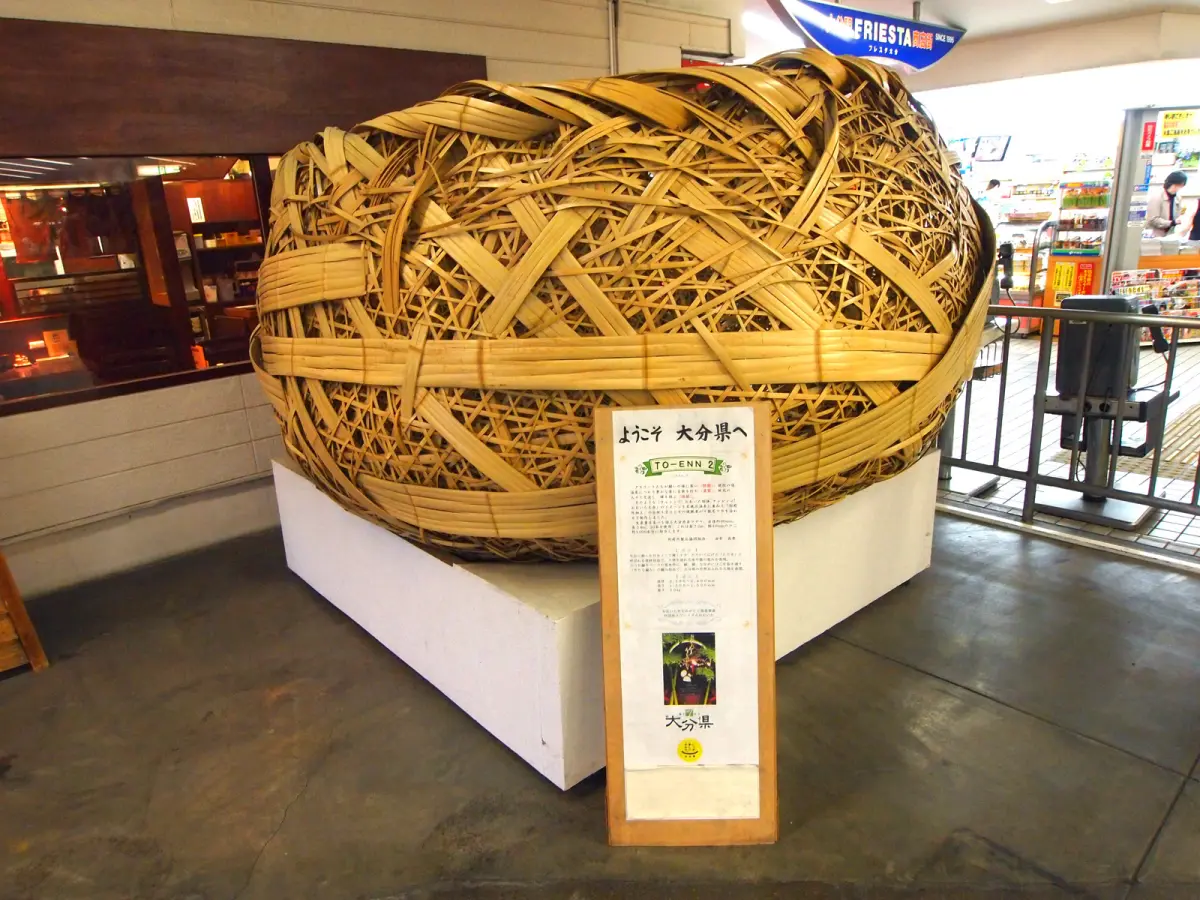
Beppu Bamboo Craft
Japan's only nationally designated bamboo craft, woven in the hot-spring city of Beppu from elastic madake. Eight designated base weaves multiply into over 200 patterns; the local master Shono Shounsai became, in 1967, the first bamboo artist named a Living National Treasure.

Suruga Bambooware
Unlike flat-splint weaving, Shizuoka's craft slots round bamboo rods into curved frames — delicate 'sensuji' lattices joined by a distinctive 'tsugite.' Taught by a passing samurai in 1840, it once made Tokaido insect cages, and now lanterns, vases and lampshades that seem to float.
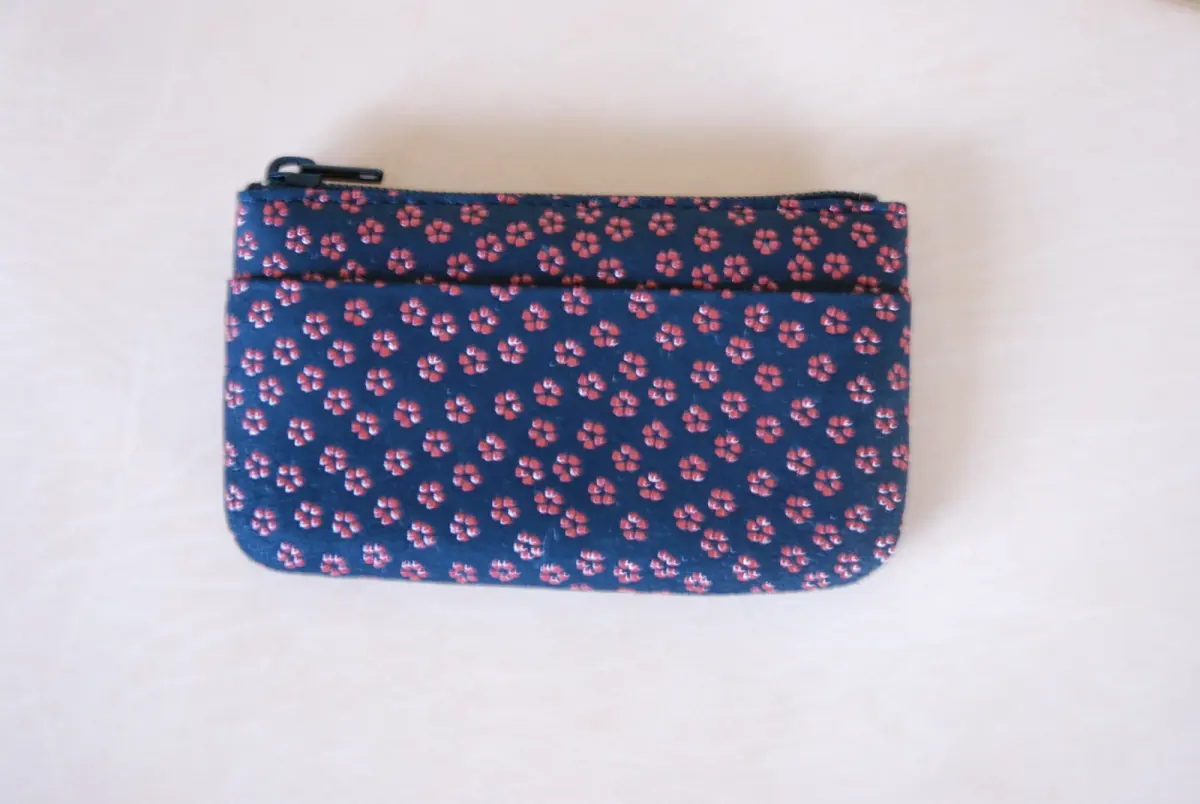
Kōshū Inden
Lacquered deerskin from Kofu, over 400 years old. Soft, strong deerskin — once armour trim — is smoked to amber and patterned with lacquer through stencils, then sewn into supple purses and bags. A national Traditional Craft since 1987.

Echizen Ware
One of the Six Ancient Kilns, fired in Fukui since the late Heian period — about 850 years. Echizen made honest, sturdy everyday ware: jars, pots and grinding bowls, unglazed and high-fired, their surfaces washed with natural ash glaze. Over 200 old kiln sites have been found around the town.

Tamba Ware
One of the Six Ancient Kilns, worked in Hyogo since the late Heian period. For 400 years Tamba fired in tunnel kilns, then took up the Korean-style climbing kiln in the early Edo; its wares glow with bright natural ash glaze and are turned on a rare left-spinning kick-wheel. Some 60 kilns still work at Tachikui.
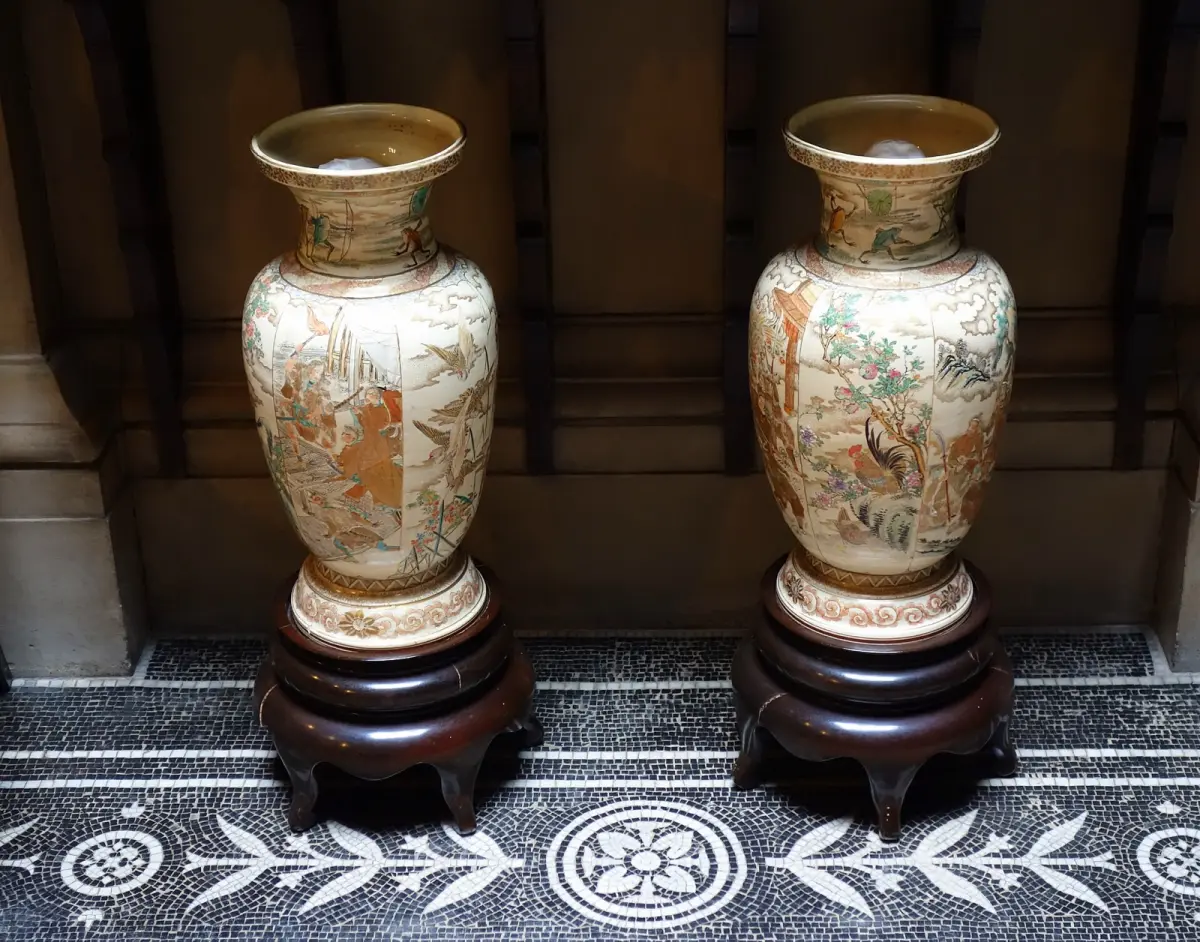
Satsuma Ware
Born when the Satsuma lord Shimazu Yoshihiro brought Korean potters home in 1598. It split in two: gorgeous crackled 'shiro-Satsuma', painted in gold and colour for the lords, and rugged black 'kuro-Satsuma' for the people. White Satsuma dazzled Europe at the 1873 Vienna Exposition.
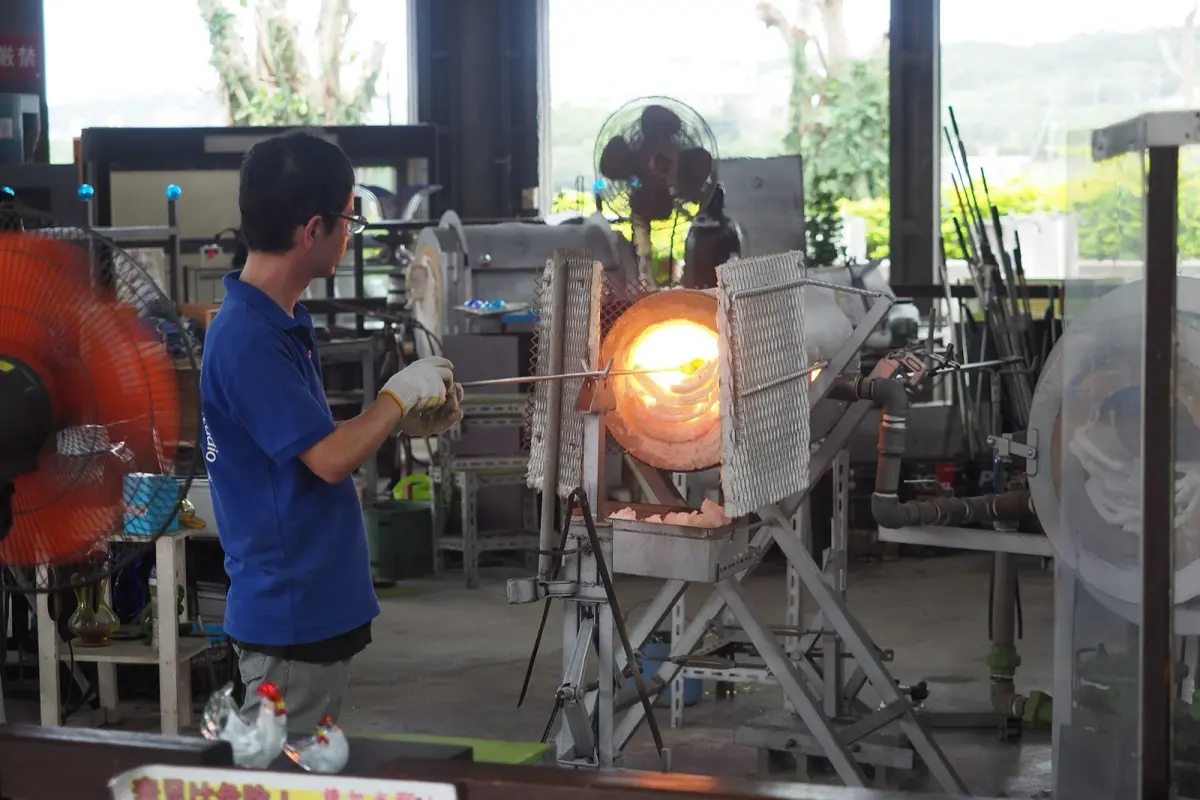
Ryukyu Glass
Okinawa's thick, bubble-flecked glass, born of postwar scarcity: with materials short, blowers melted down discarded American beer and cola bottles, and the trapped air bubbles — once a flaw — became its signature. Made an Okinawan traditional craft in 1998, its colours glow like the island sea.
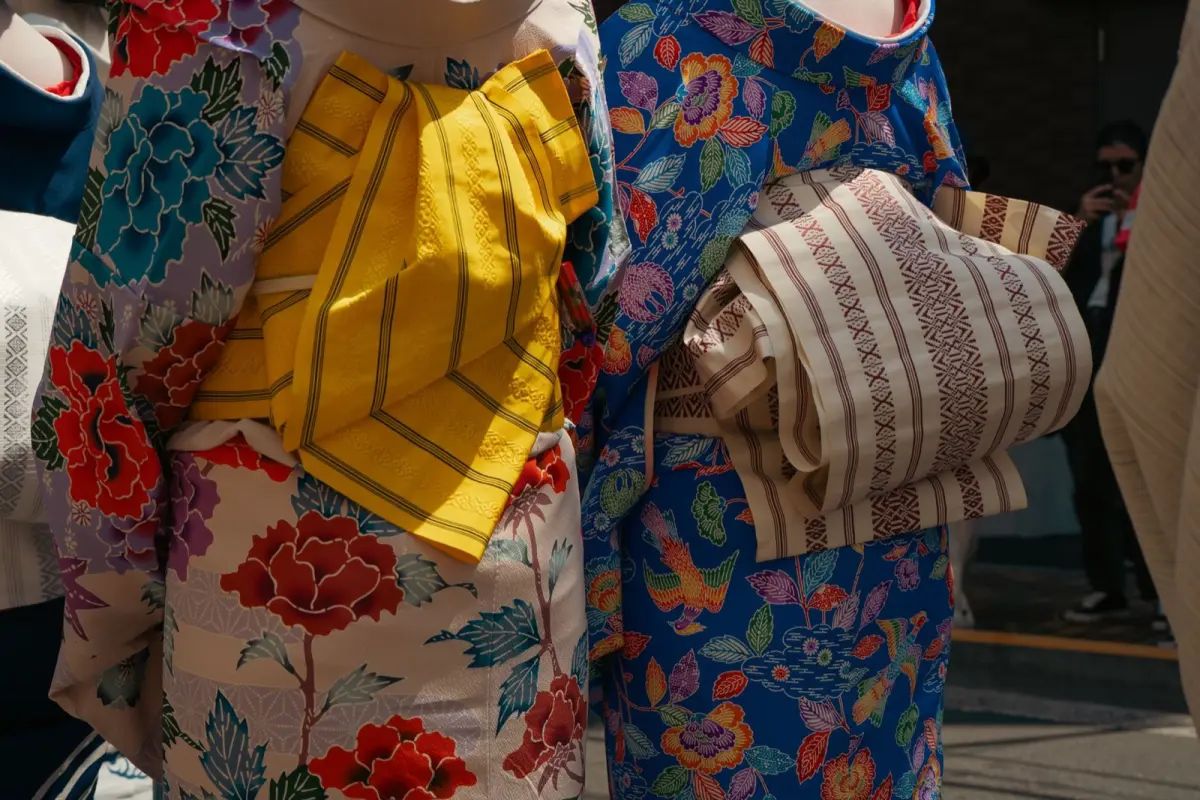
Hakata Ori
A dense, firm silk weave from Fukuoka, at its finest in the obi sash. From the Edo period the Kuroda lords sent it to the shogun, giving 'kenjo Hakata' its name; its stripes stylise Buddhist ritual tools. The weave packs thousands of warp threads — sometimes over 15,000 — beaten tight into a crisp, ridged cloth.
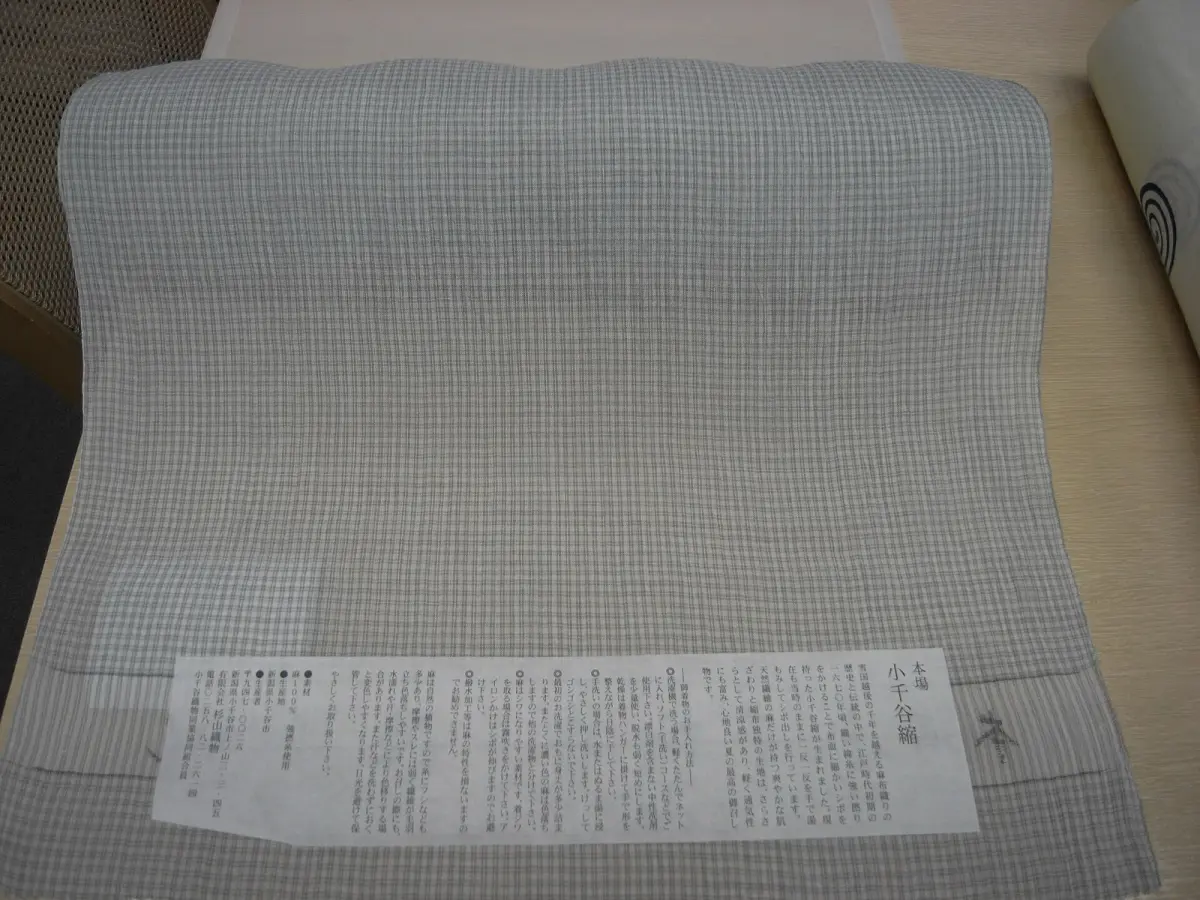
Ojiya Chijimi
A crinkled ramie summer cloth from snowy Niigata, perfected in the early Edo when a samurai refined the old Echigo linen. Hard-twisted weft gives it a cool, non-clinging 'shibo' pucker, and it is finished by 'yuki-zarashi', bleaching the cloth out on the spring snow. A UNESCO Intangible Cultural Heritage since 2009.
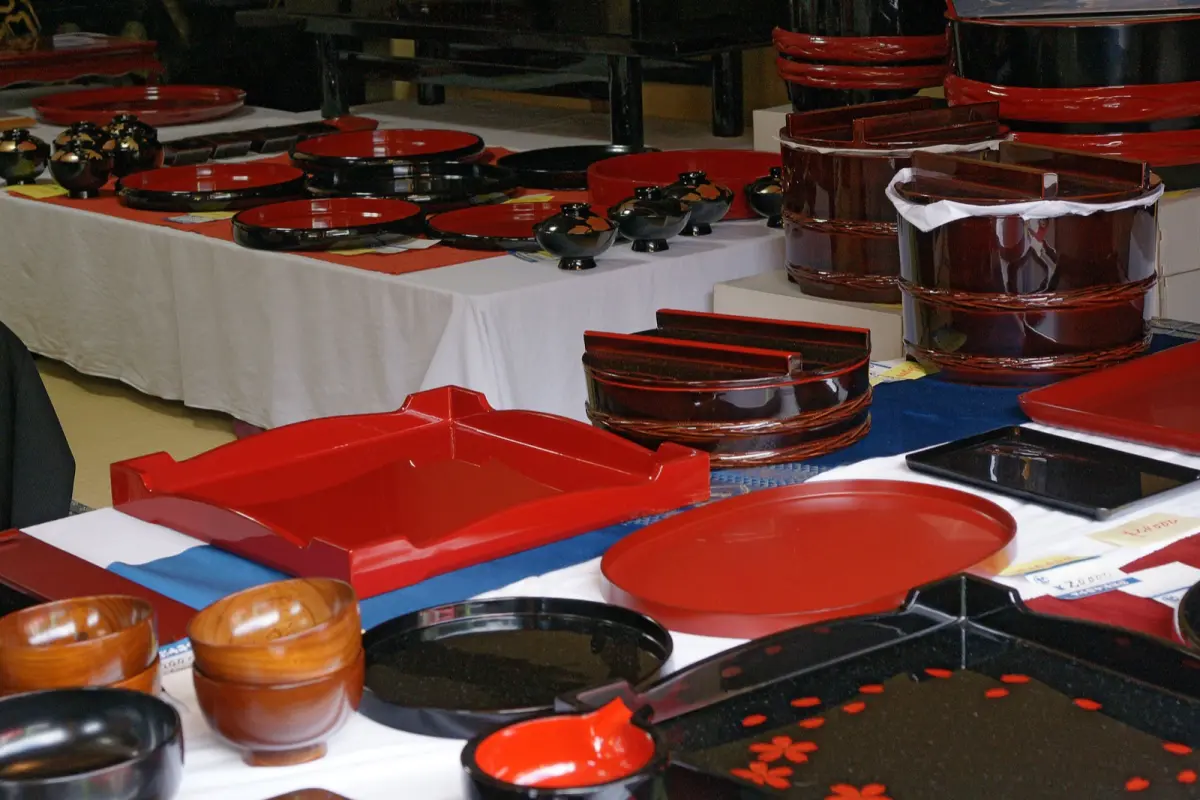
Kiso Lacquer
Sturdy lacquerware from the Kiso valley on the old Nakasendo highway, its trade grown with the road. A local iron-rich earth called 'sabitsuchi', found in the Meiji era and mixed into the undercoat, makes it exceptionally tough. Known for Kiso-tsuishu and Kiso-shunkei; the maker town Kiso-Hirasawa is a preservation district.

Tokyo Silver
Edo silverware, refined from the mid-Edo period when 'shirogane-shi' silversmiths served the city's merchants and samurai. Raised and chased entirely by hand into cups, vessels and tableware, its restrained brilliance won admiration at the 1867 Paris Exposition. A national Traditional Craft since 1979.

Sekishu Washi
Paper from the Iwami coast of Shimane, said to reach back some 1,300 years to the poet Kakinomoto no Hitomaro. Sekishu-banshi is famed as Japan's toughest washi: it keeps the kozo bark's inner 'ama-kawa' layer for extra strength and a faint green sheen. An Important Intangible Cultural Property and UNESCO heritage.
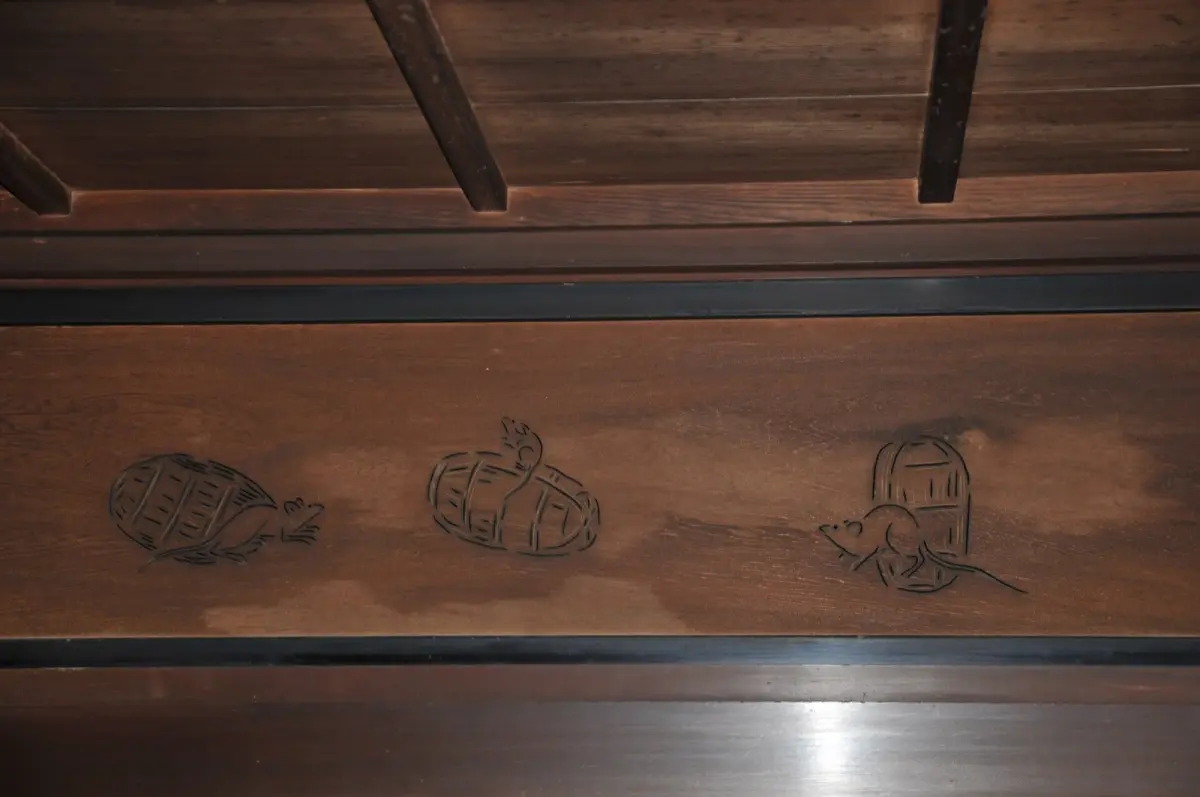
Inami Woodcarving
The woodcarving town of Toyama, its craft born rebuilding the great Zuisen-ji temple. In the 1760s-70s a carver sent from Kyoto's Hongan-ji taught the local temple carpenters, and their deep, three-dimensional dragons, lions and flowers spread from temple beams to the ranma transoms prized in fine homes. A national Traditional Craft since 1975.

Hosokawa Paper
Handmade paper from Saitama's Ogawa area, whose papermaking reaches back some 1,300 years. Made from mulberry alone by the Japanese 'nagashi-zuki' method, unbleached Hosokawa-shi is strong, smooth and lightly lustrous. It completes the UNESCO-listed trio of traditional Japanese papers with Mino and Sekishu.

Sayama Tea
One of Japan's three great teas, grown in Saitama at the cool northern edge of the tea belt. Frost and snow thicken the leaf, and the local 'Sayama hi-ire' final firing deepens its rich, mellow taste. As the old picking song says: colour from Shizuoka, aroma from Uji, but taste from Sayama.
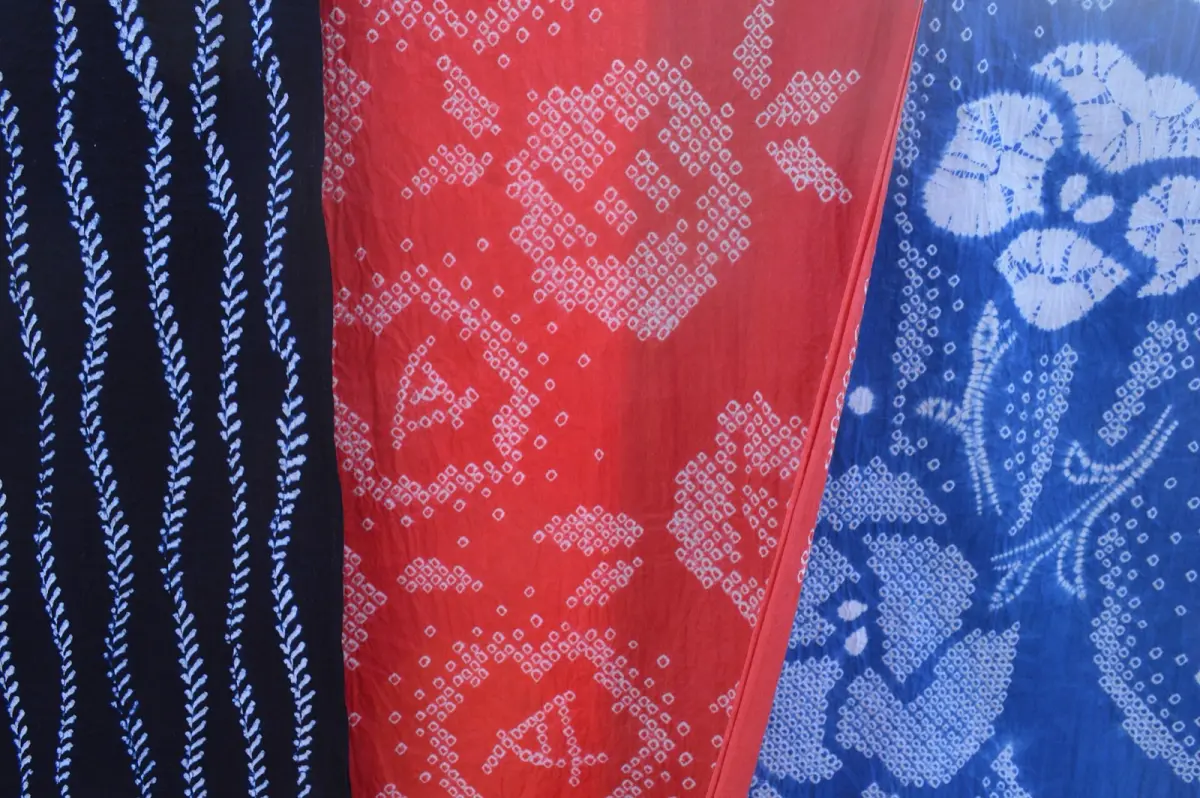
Arimatsu Shibori
Cotton tie-dye from a village founded on the Tokaido highway in 1608. Its pioneer Takeda Shokuro began selling shibori-dyed towels to travellers, and Arimatsu grew into Japan's foremost shibori town. Cloth is bound thread by thread by many specialist hands, then dyed, giving airy, textured patterns prized for summer yukata.
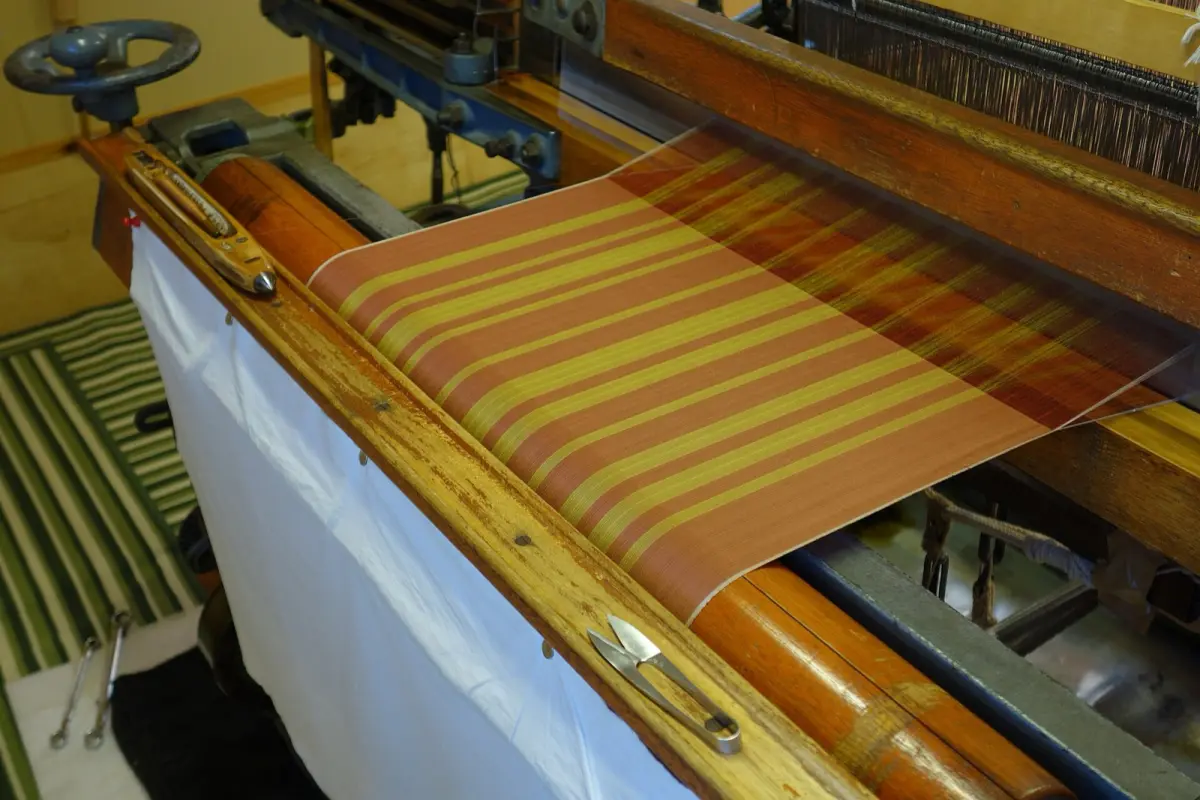
Kihachijo
Silk woven on the remote island of Hachijojima, once paid as tribute in place of tax. Its warm palette — yellow, kaba brown and black — comes entirely from island plants: yellow from kariyasu grass, brown from tabu bark, black from chinquapin bark set with island mud. Handwoven into striking stripes and checks.
Kamakura-bori
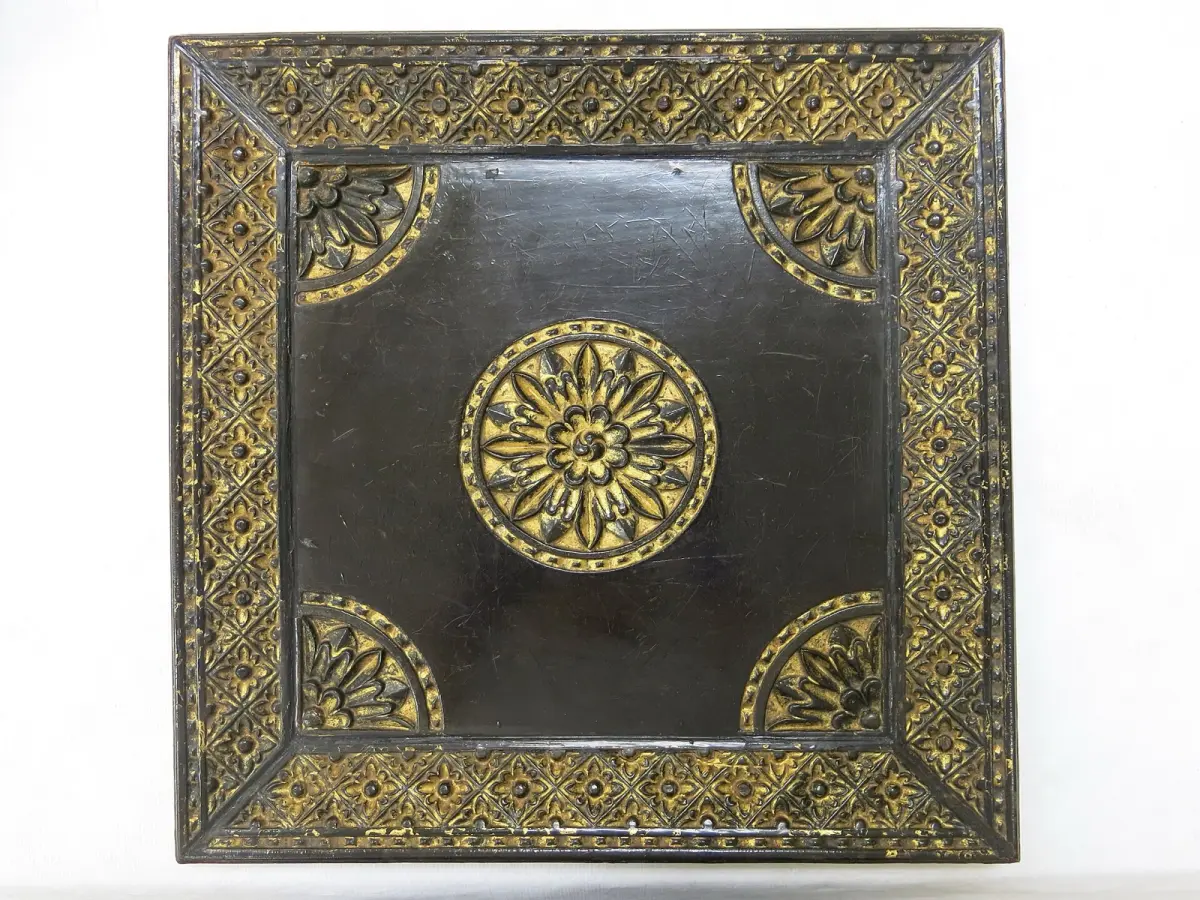
Carved lacquerware born in medieval Kamakura, where Zen temples like Kenchoji (1253) prized Chinese carved lacquer. Buddhist sculptors devised a simpler way: carve the wood first, then build up black and coloured lacquer over it and polish. The result is a deep, shadowed relief — 800 years on, still a Kamakura signature.

Yamagata Ironware
Cast metalwork from Yamagata, begun about 900 years ago when casters travelling with the warrior Minamoto no Yoriyoshi found the Mamigasaki River sand ideal for moulds. The lord Mogami Yoshiaki gathered them into a 'Do-machi', a copper town. Yamagata iron kettles are prized for an unusually thin, fine, precise cast surface.

Tosa Blades
Forged blades from Kochi, Japan's most forested prefecture, where farm and forestry tools have been made for centuries — a 1590 land survey already counted 399 smithies. Made by 'free forging' without fixed patterns, each sickle, hatchet or knife is shaped to its user and task: thick at the spine, thin at the edge, balanced to work all day.
Koishiwara Ware
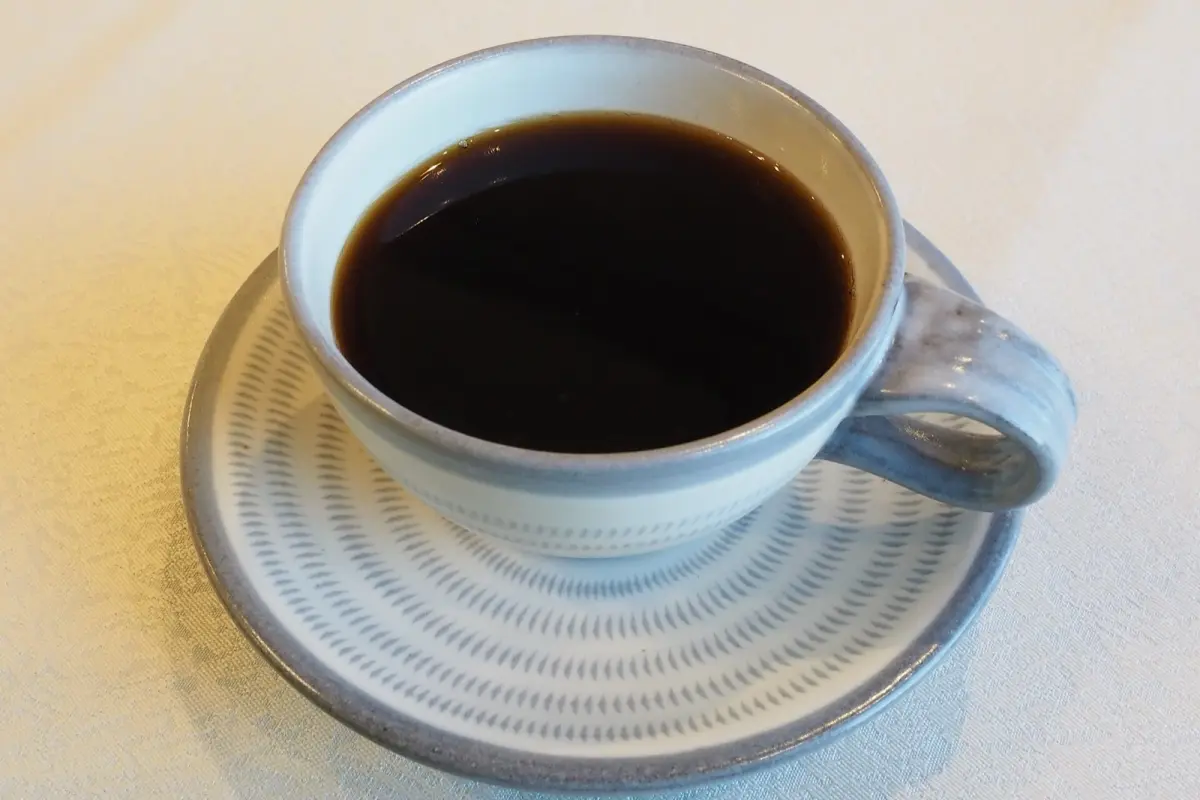
Folk pottery from a Fukuoka mountain village, begun in 1662 when the Kuroda lord invited Imari potters and it grew alongside neighbouring Takatori ware. Turned on the wheel and marked with rhythmic 'tobikanna' chatter and 'hakeme' brushwork, it was praised by Yanagi Soetsu as the height of beauty in use — kin to nearby Onta ware.
Owari Cloisonné
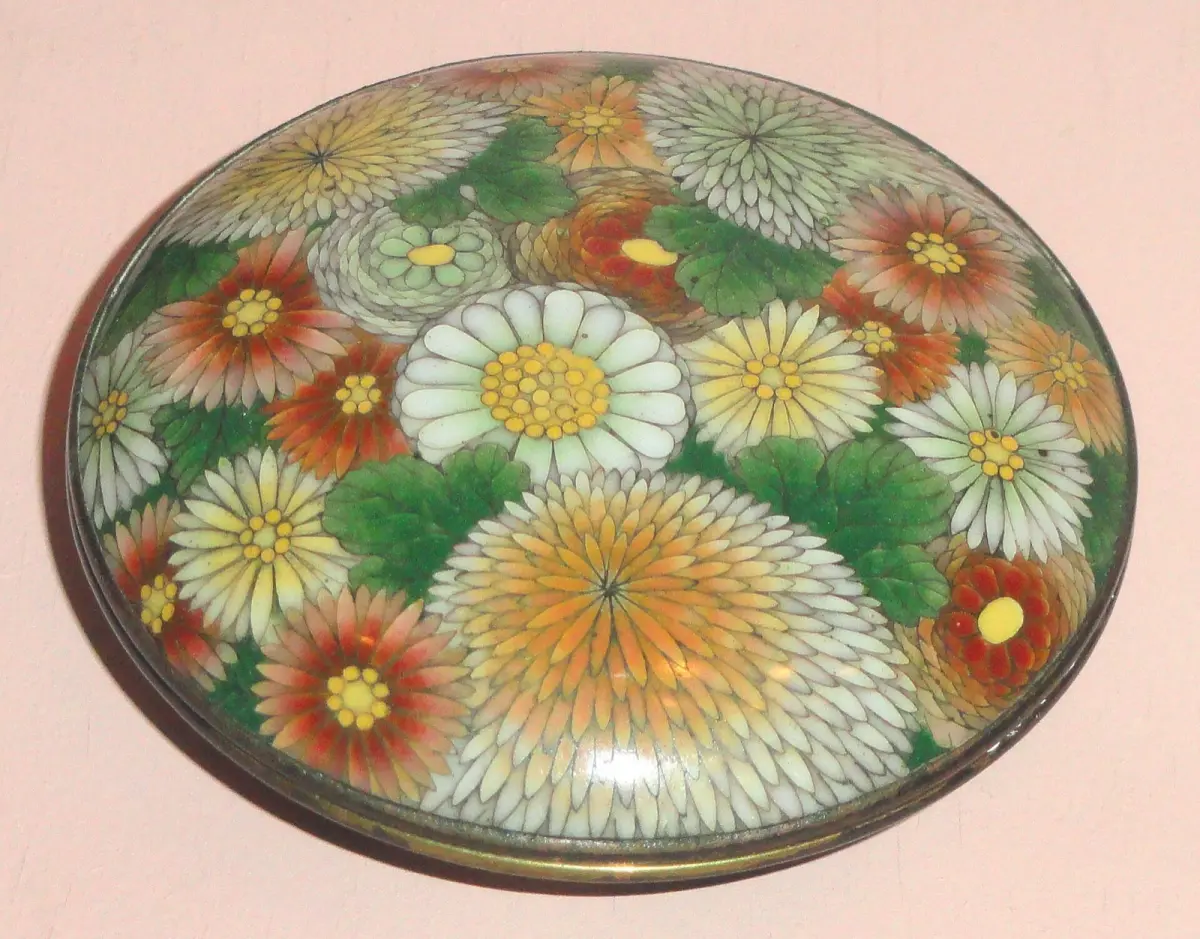
Japanese cloisonné from Aichi, begun in the 1830s when Kaji Tsunekichi worked out the method from an imported Dutch enamelled plate. Glassy enamel is fired onto a copper or silver body in flowers, birds and landscapes; its signature is 'yusen-shippo', where fine silver wires outline every shape before the colours are laid in.
Echizen Lacquer
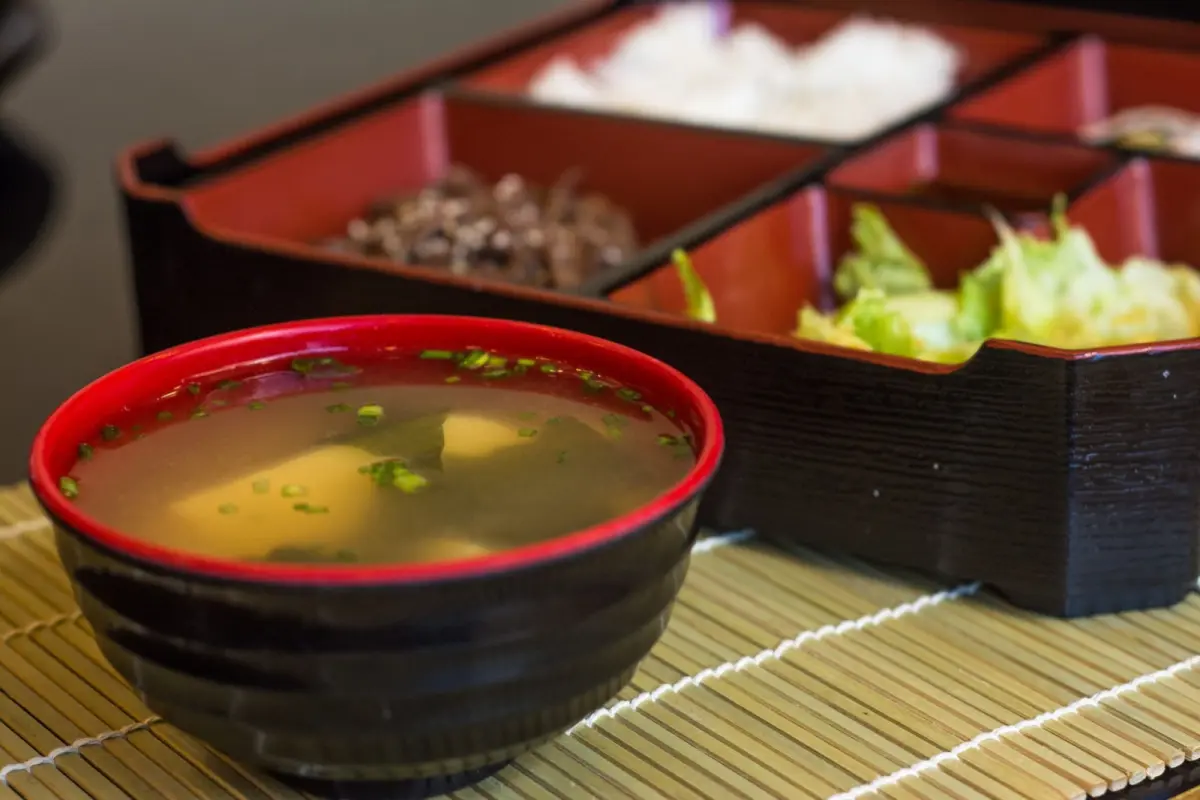
Lacquerware from Fukui with a 1,500-year legend: an ancient emperor, pleased by a black bowl offered when a local lacquerer mended his crown, encouraged the craft. Long known as plain 'Katayama bowls', it later took in Kyoto maki-e and Wajima chinkin. Today Echizen makes about 80% of Japan's commercial lacquerware for hotels and restaurants.