Koshu Inden: The Art of Lacquered Deerskin from Yamanashi
On this page
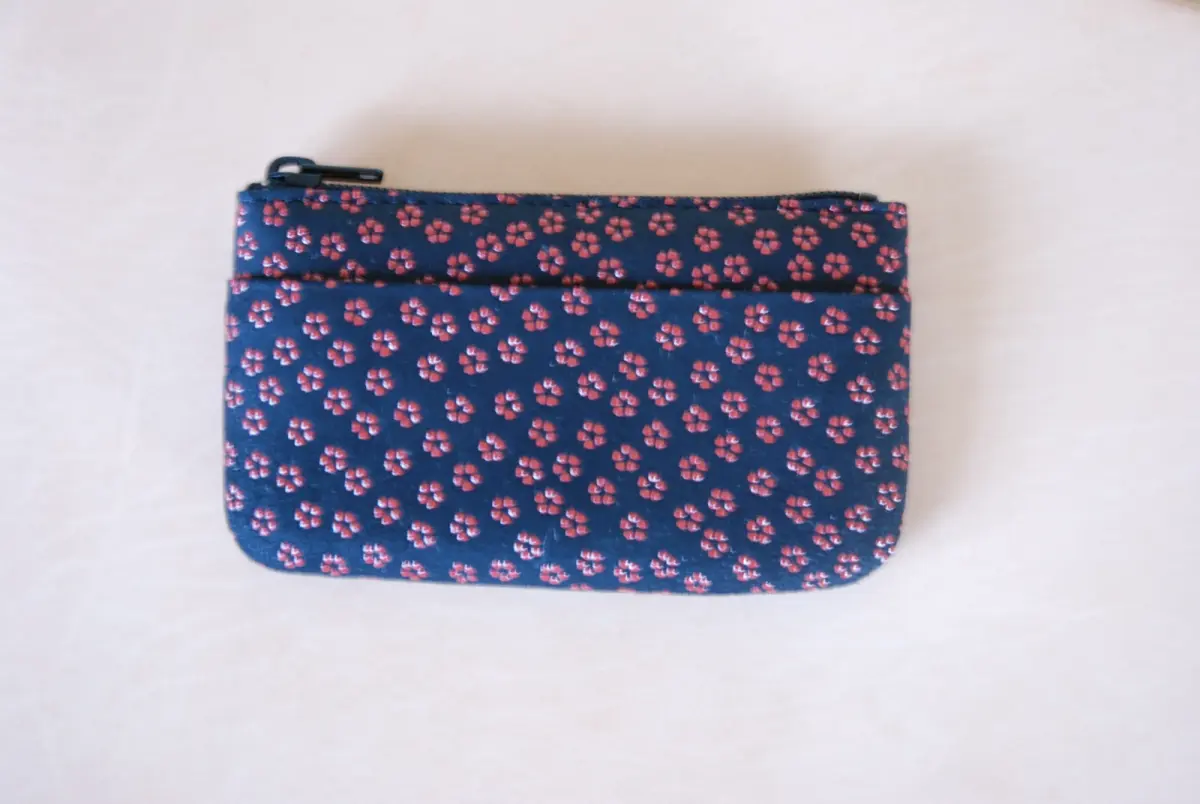
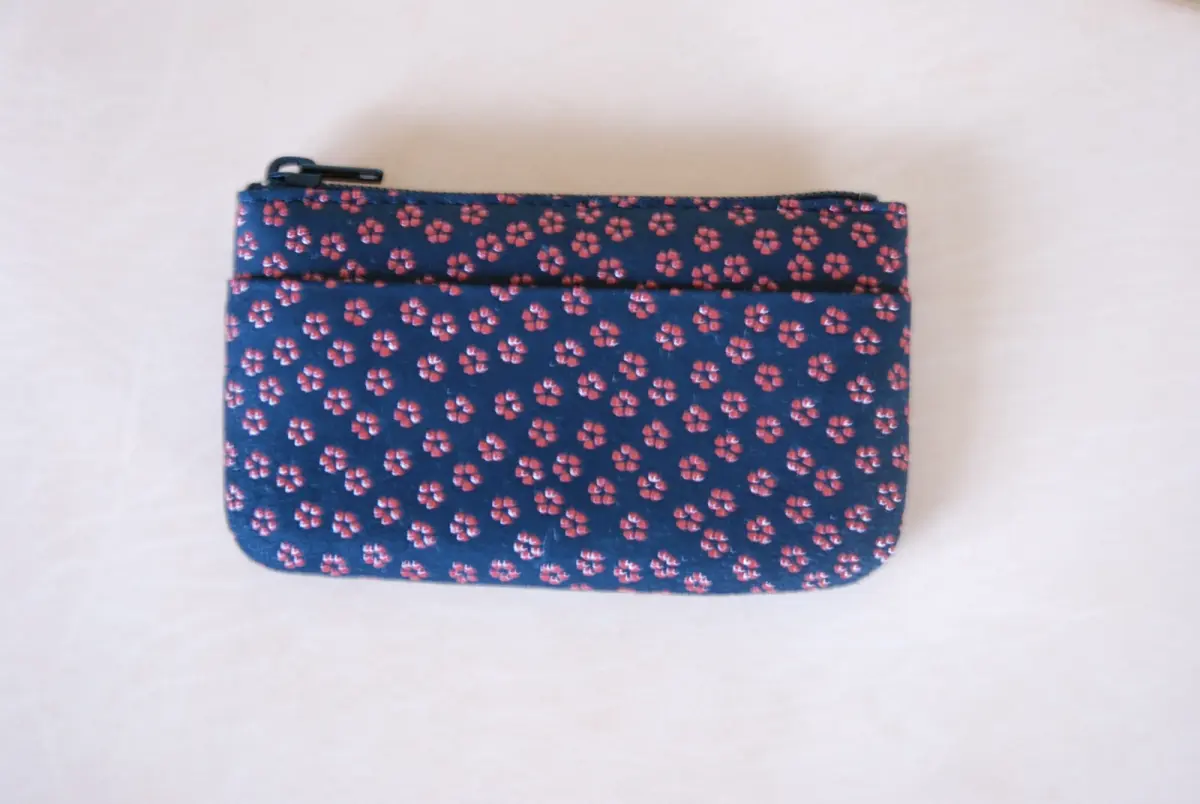
The mountain town of Kofu sits cradled in Yamanashi's basin, where warlords once armoured themselves in lacquered hide. Today that same deerskin—supple, smoke-cured, patterned with centuries-old stencils—emerges as coin purses and handbags that slip into pockets across the world.
Armour to Accessory
Koshu inden (甲州印伝) traces its lineage to Japan's age of warfare. During the Sengoku period, samurai valued deerskin for its combination of strength and flexibility, using it to reinforce armour and craft protective trim. The material could withstand the rigours of battle while moving with the body—a quality that would later prove equally useful for everyday goods.
By 1854, a Kofu shopping guide recorded the presence of inden workshops in the city, evidence that the craft had already transitioned from military necessity to commercial production. The technique survived the collapse of the samurai class, adapting its warrior heritage to peacetime needs.
Three Techniques, One Surface
The creation of inden rests on three distinct processes, each contributing to the material's final character. Fusube (燻) involves smoking the deerskin until it takes on a warm amber hue, a colour that deepens with age. This preparatory step also tightens the hide's fibres, improving durability.
Urushi-oki (漆置き) follows: artisans lay paper stencils over the prepared leather and apply lacquer through the cut patterns. The lacquer adheres in precise shapes—chrysanthemums, geometric lattices, dragonflies—creating a slight relief against the skin's surface. Finally, sarasa (更紗) introduces pigmented patterns, borrowing motifs from Indian textiles that reached Japan through centuries-old trade routes.
The interplay between matte deerskin and glossy lacquer creates a tactile contrast—one surface yielding under the thumb, the other hard and cool.
A National Designation
In 1987, Koshu inden received designation as a Traditional Craft by Japan's Ministry of Economy, Trade and Industry. This recognition affirmed both the technique's historical continuity and its ongoing production in Kofu, where the craft remains concentrated. The designation requires that goods meet specific criteria: natural deerskin, hand-applied lacquer, and manufacture within the traditional production area.
Inden-ya, the craft's best-known maker, has become synonymous with the technique itself. The house maintains workshops in Kofu and operates retail locations that introduce inden to domestic and international customers alike, translating four-hundred-year-old methods into contemporary forms.

From Coin Purse to Carry-All
Modern inden production focuses on small leather goods: coin purses, card cases, handbags, tobacco pouches. The deerskin's natural give makes it ideal for items handled daily—it softens with use rather than cracking, and the lacquer patterns wear gracefully, their edges smoothing without flaking.
Stitching remains a critical step. Artisans sew the patterned panels by hand or machine, joining pieces so that motifs align across seams. A well-made inden purse closes with a satisfying snap, the leather retaining enough body to hold its shape while conforming to the contents within.
Holding History in Hand
To carry an inden piece is to pocket a fragment of Kofu's layered past—Sengoku pragmatism, Edo-period commerce, contemporary craft designation. The deerskin warms to body heat; the lacquer catches light at shifting angles. What once protected a warrior's flank now protects loose change, the same material performing a quieter service across four centuries.
FAQ
Chaware curates authentic Japanese crafts — straight from the makers in Japan to your table.
Explore the Chaware collection →
Keep exploring


