Takayama & Hida, Go Deeper
Takayama sits high in the Japan Alps, a former shogunate outpost where Edo-period streets still hum with sake breweries and morning markets. Beyond the latticed merchant houses, the Hida region unfolds in open-air museums, mountain temples, and the thatched silhouettes of Shirakawa-gō. This is a place to slow down, taste marbled Hida beef, and trace the craft of centuries-old carpentry through quiet lanes and forested temple walks.
- Tap Open in Google Maps on any place for live directions, transit, hours & reviews.
- Get an ICOCA / Suica IC card — tap on/off trains, subways & buses, no ticket needed.
- Carry some cash (¥) — many small shops, shrines & old streets are cash-only.
- Go early: the famous spots are calm and beautiful before ~9am.

Sanmachi Old Town
The Sanmachi district preserves Takayama's Edo-period merchant quarter, where latticed wooden facades line narrow streets once governed directly by the Tokugawa shogunate. Cedar balls hang outside sake breweries, and water channels run along the eaves, a living snapshot of old Japan.

Miyagawa Morning Market
Every morning from around seven until noon, tented stalls unfold along the Miyagawa river, offering local pickles, mountain vegetables, and handmade crafts. It is one of Takayama's two morning markets, a ritual of seasonal produce and unhurried browsing.

Takayama Jinya
This Edo-era government complex served as the shogunate's local magistrate office and is the only such building of its kind still standing in Japan. Walk through tatami offices, residential quarters, and rice storehouses that once anchored Tokugawa rule in the mountains.

Hida Folk Village
Hida no Sato gathers relocated farmhouses and gassho-zukuri structures from across the region into a hillside open-air museum. Wander through thatched roofs and wooden interiors that show how mountain families lived and worked for generations.
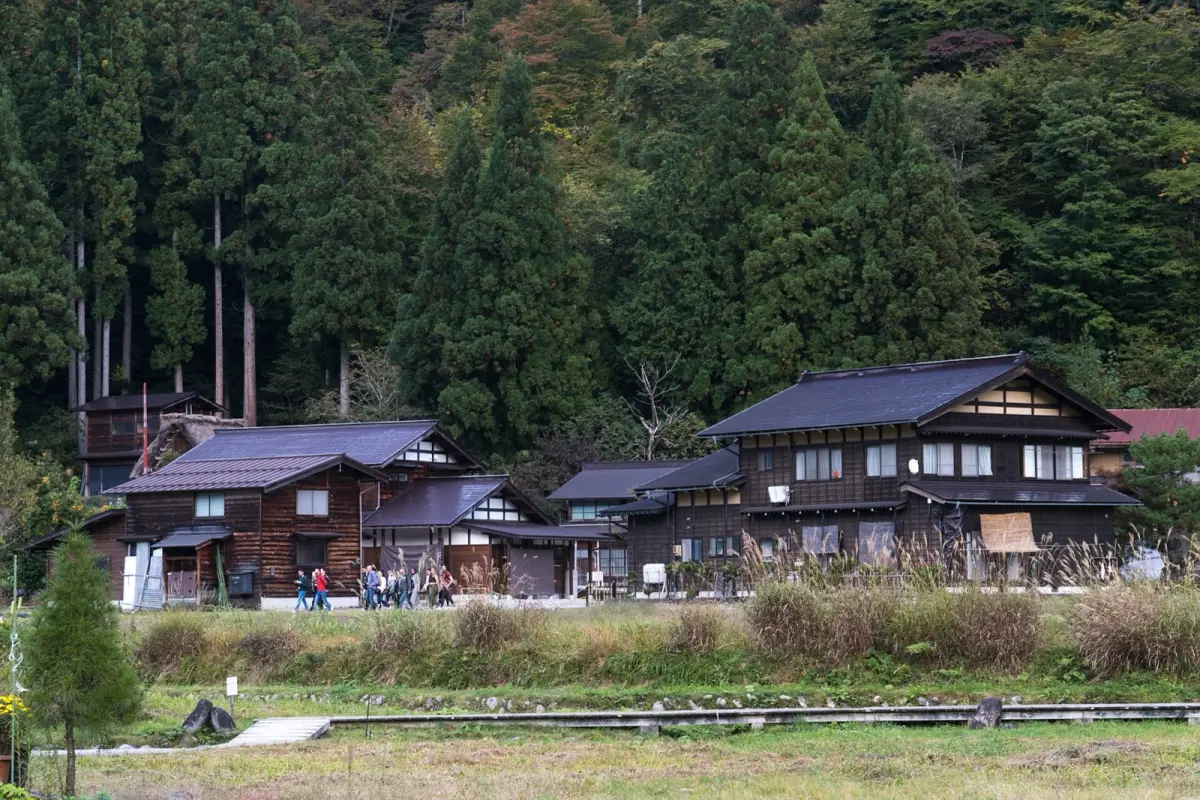
Shirakawa-gō
An hour's drive into the mountains, Shirakawa-gō's steep-thatched gassho-zukuri farmhouses earned UNESCO World Heritage status in 1995. The village sits in a river valley, its architecture shaped by heavy snowfall and centuries of communal farming.
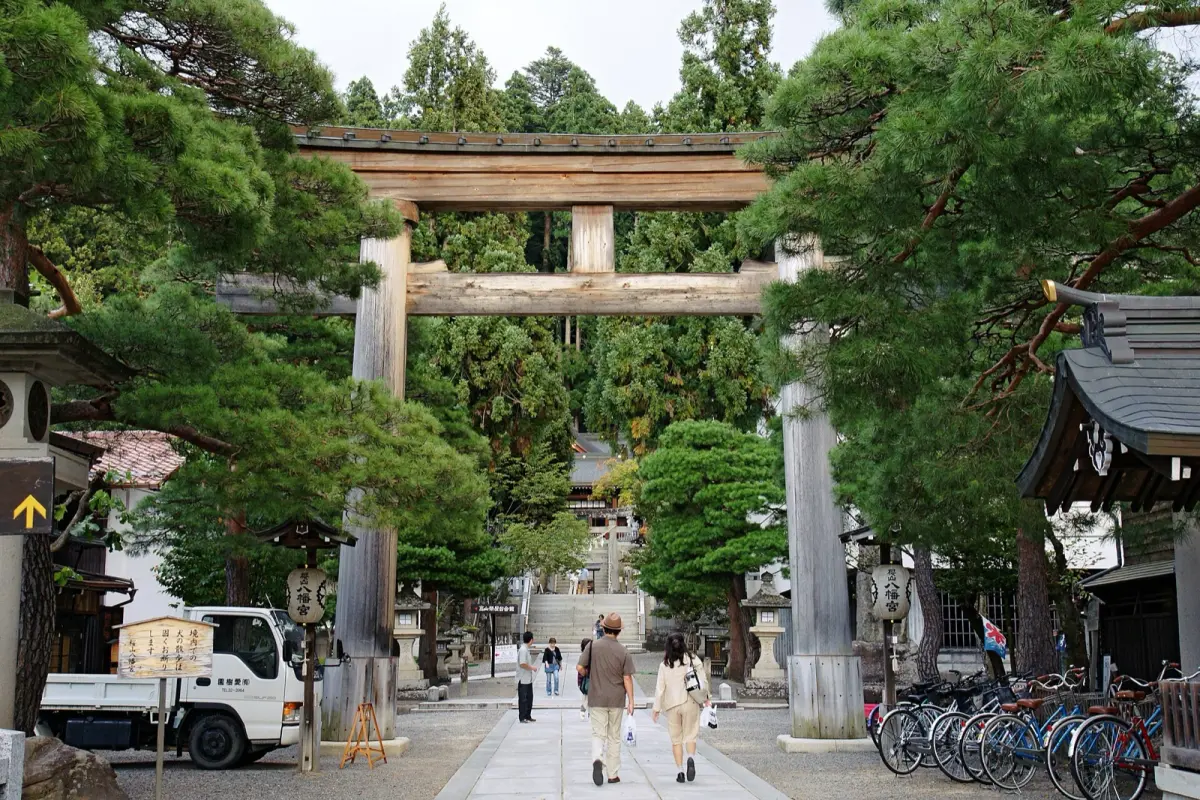
Sakurayama Hachimangū
Sakurayama Hachimangū is the shrine at the heart of Takayama's famous spring and autumn festivals. A dedicated hall on the grounds displays the ornate 'yatai' floats that parade through the city twice a year, their lacquer and carvings preserved between celebrations.
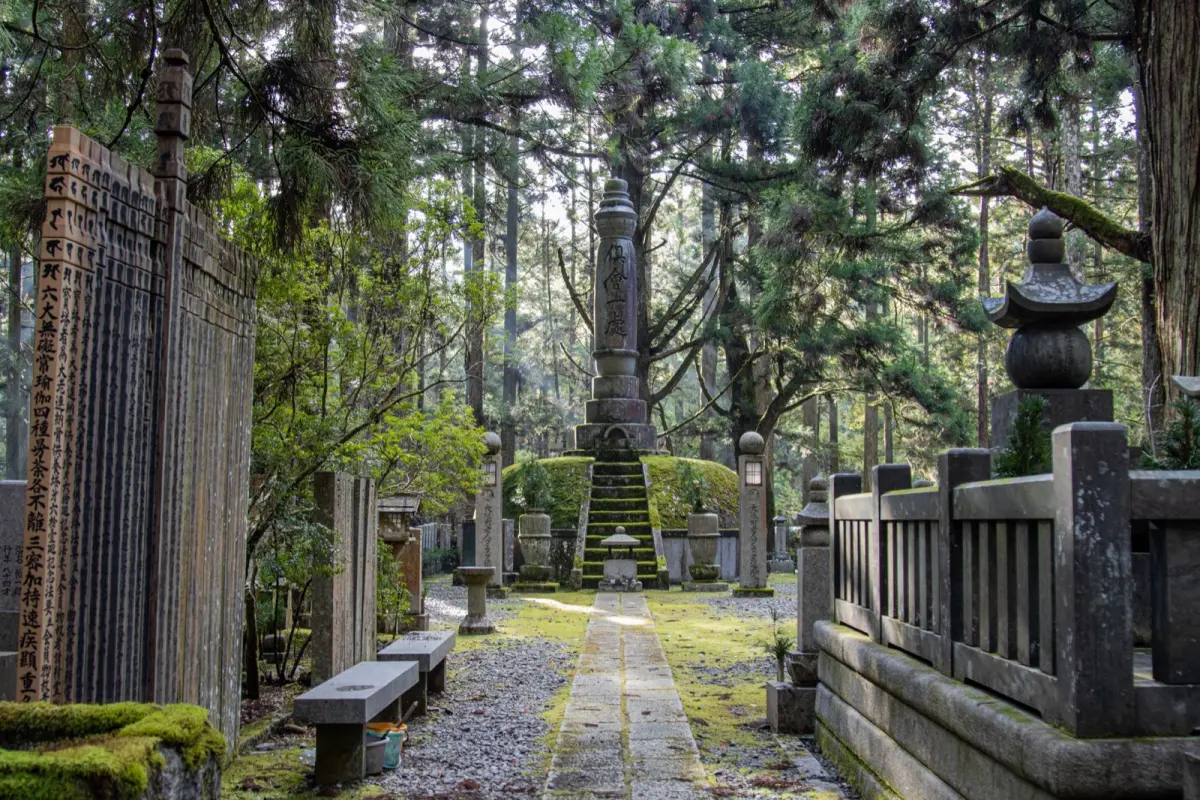
Higashiyama Temple Walk
This quiet walking trail winds through Takayama's eastern hills, linking shrines, temples, and old cemeteries shaded by forest. The route offers a contemplative counterpoint to the busier streets below, with moss-covered stones and mountain air.
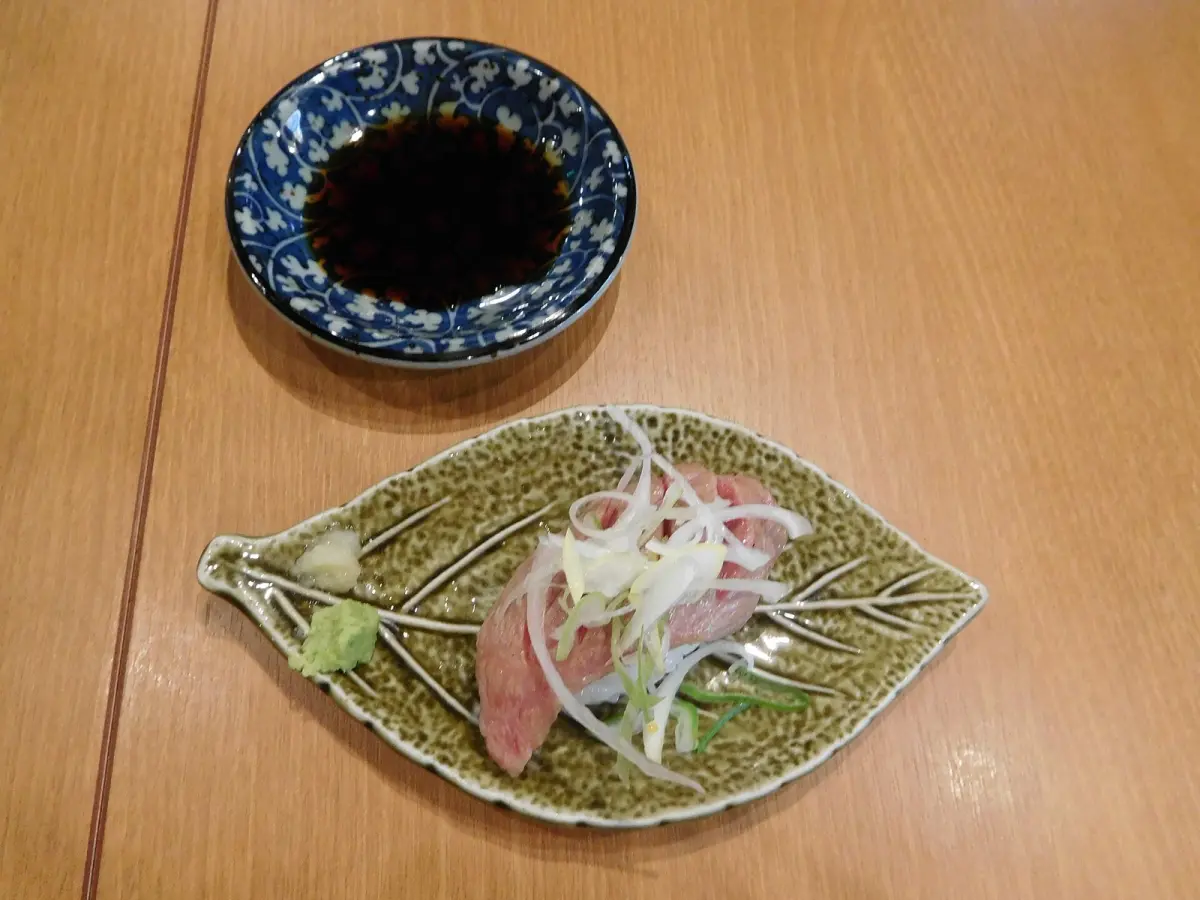
Hida Beef
Hida beef is the region's prized wagyu, raised in the alpine climate and known for its fine marbling. You will find it served as nigiri sushi, charcoal-grilled, or on skewers from street-side stalls throughout central Takayama.
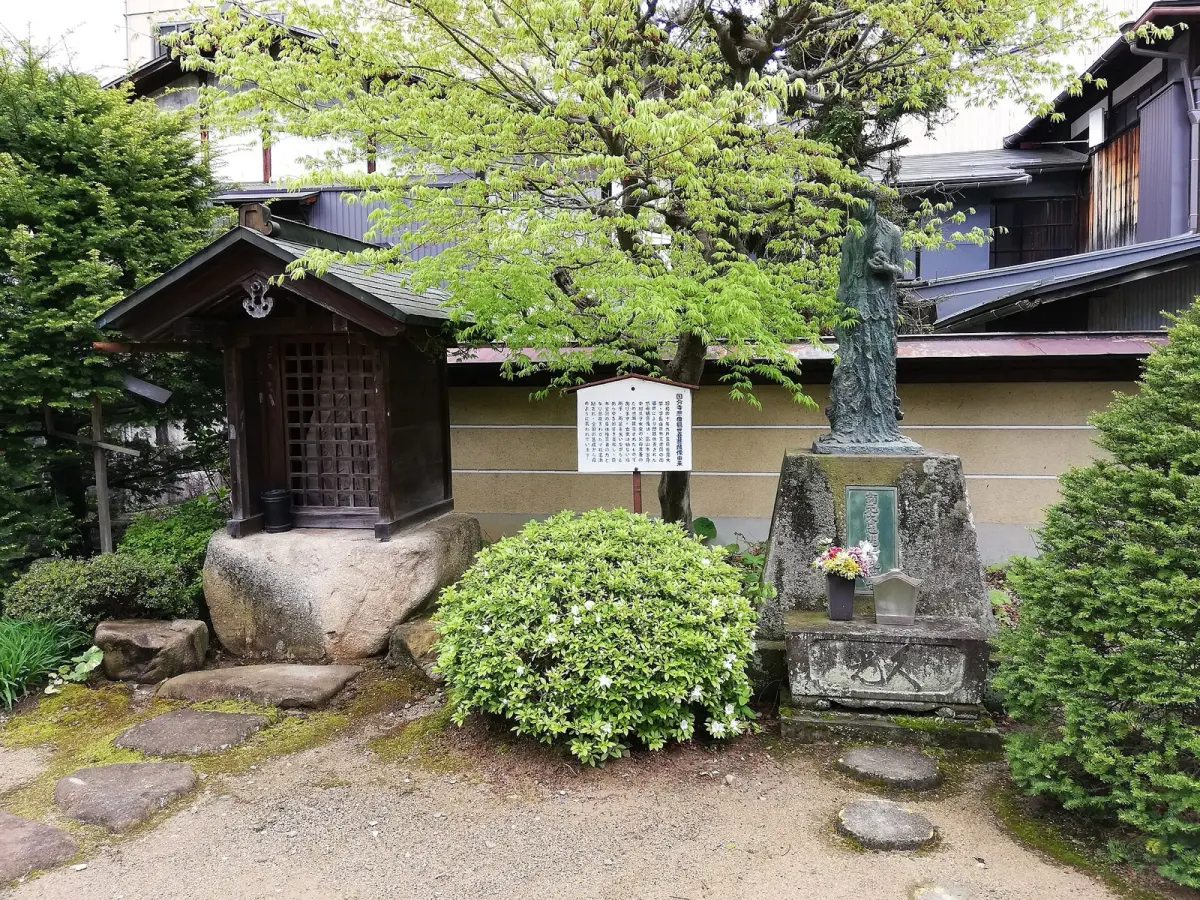
Hida Kokubun-ji
Founded in the Nara period, Hida Kokubun-ji is Takayama's oldest temple, marked by a three-storey pagoda and an ancient ginkgo tree that blazes yellow each autumn. The grounds are small but carry centuries of quiet devotion.
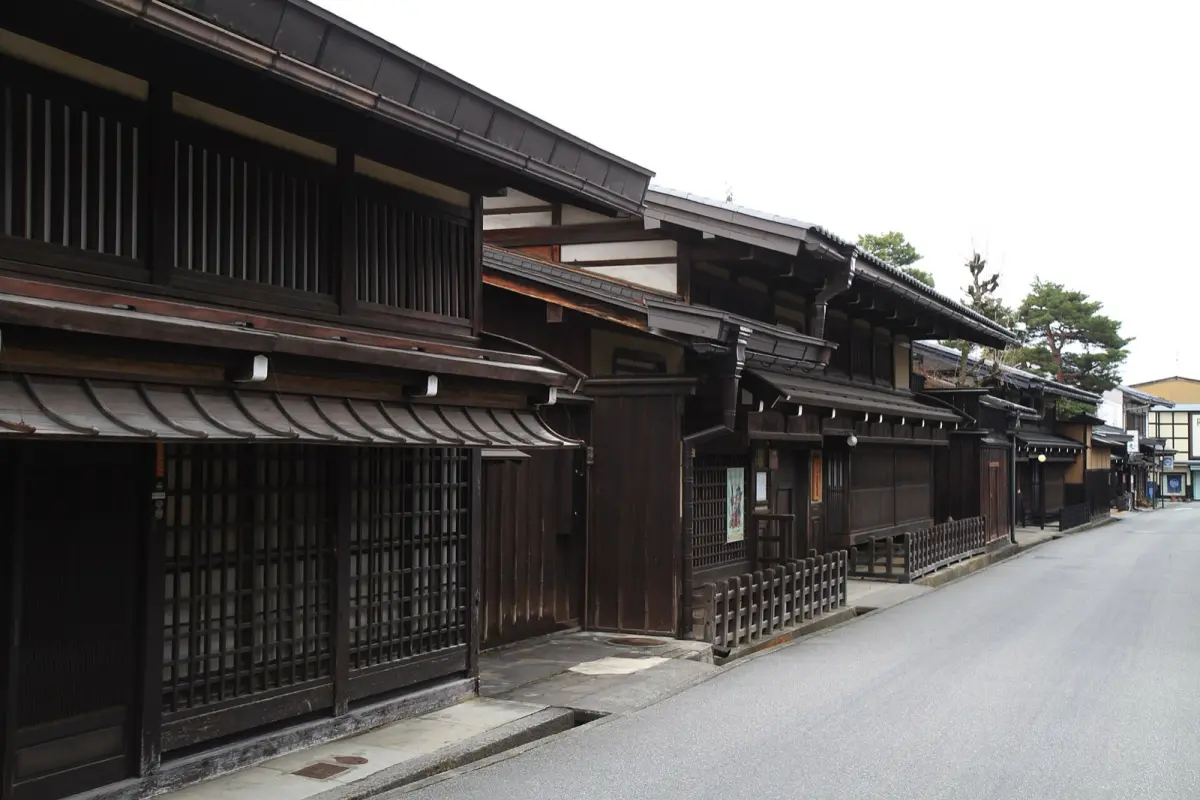
Kusakabe Heritage House
The Kusakabe Folk Museum occupies a Meiji-era merchant house, its high ceilings and exposed beams a showcase of Hida carpentry. The building itself is the exhibit, demonstrating the region's woodworking tradition through joinery and scale.
Crafts of this region
Authentic pieces made near here — learn the story, then bring one home.
 Mino Ware
美濃焼 · Toki, Gifu
Mino Ware
美濃焼 · Toki, Gifu
 Shizuoka Tea
静岡茶 · Shizuoka
Shizuoka Tea
静岡茶 · Shizuoka
 Tokoname Ware
常滑焼 · Tokoname, Aichi
Tokoname Ware
常滑焼 · Tokoname, Aichi
 Nishio Matcha
西尾抹茶 · Nishio, Aichi
Nishio Matcha
西尾抹茶 · Nishio, Aichi
 Seto Ware
瀬戸焼 · Seto, Aichi
Seto Ware
瀬戸焼 · Seto, Aichi
 Mino Washi
美濃和紙 · Mino, Gifu
Mino Washi
美濃和紙 · Mino, Gifu
 Seki Blades
関の刃物 · Seki, Gifu
Seki Blades
関の刃物 · Seki, Gifu
 Suruga Bambooware
駿河竹千筋細工 · Shizuoka
Suruga Bambooware
駿河竹千筋細工 · Shizuoka