Toki and Mino: The Valley That Shapes Half of Japan's Tables
On this page
Article Body
The potter's hands pause over the wheel in Toki, Gifu, where a single region quietly shapes half of Japan's ceramic tableware. Here, in kilns that first fired during the chaos of the Sengoku era, clay and ash became the vessels that defined the Japanese tea ceremony — and continue to fill tables across the nation.
The Clay That Changed Everything
In the sixteenth century, a potter from the Kato Kagemitsu lineage arrived in Kujiri, a small area within present-day Toki. What he found there transformed Japanese ceramics: mogusa clay, a local earth perfectly suited to the wheel and the flame. This wasn't mere chance — the clay's properties allowed for techniques that would soon revolutionize tea-ceremony wares, giving birth to styles still revered today.
The region's kilns multiplied as word spread. What began as one potter's discovery became Mino ware (美濃焼, Mino-yaki), a tradition that would cradle some of Japan's most iconic ceramic forms.
Four Pillars of Tea
Between the Eiroku era (1558-1570) and the early 1600s, Mino potters developed four distinct styles that became inseparable from the tea ceremony:
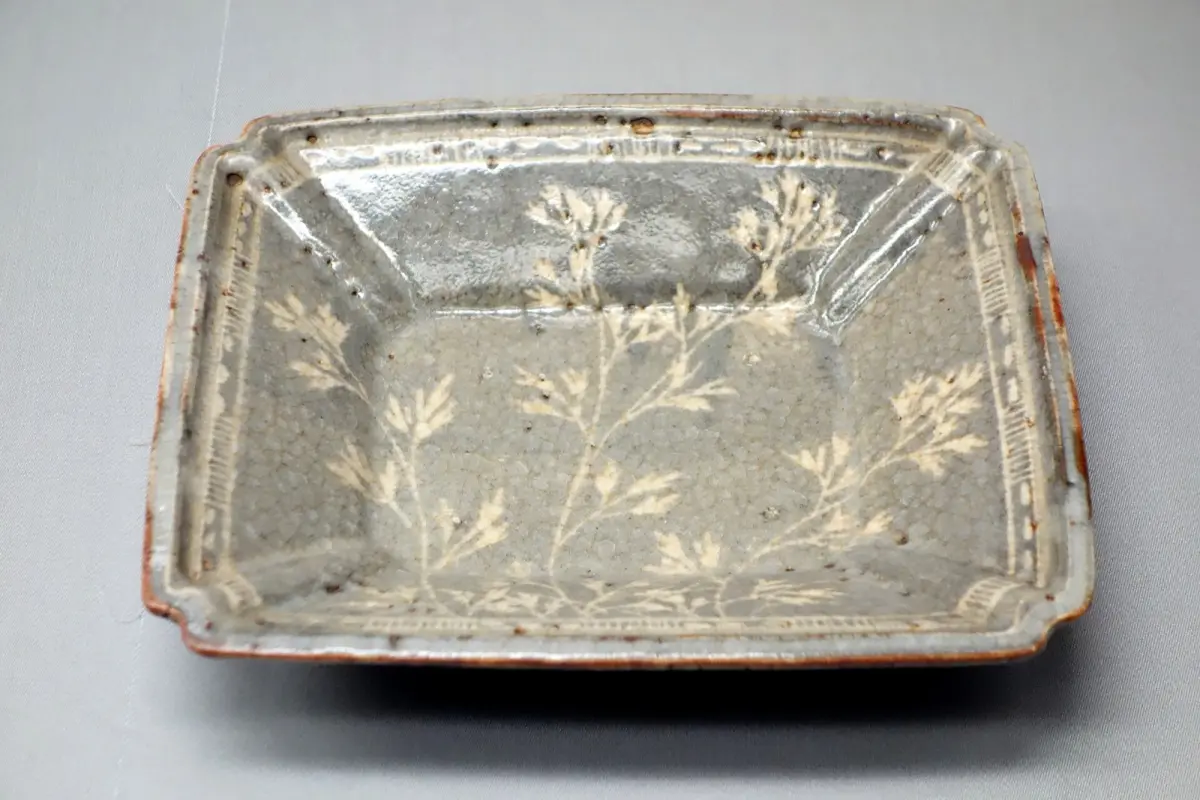
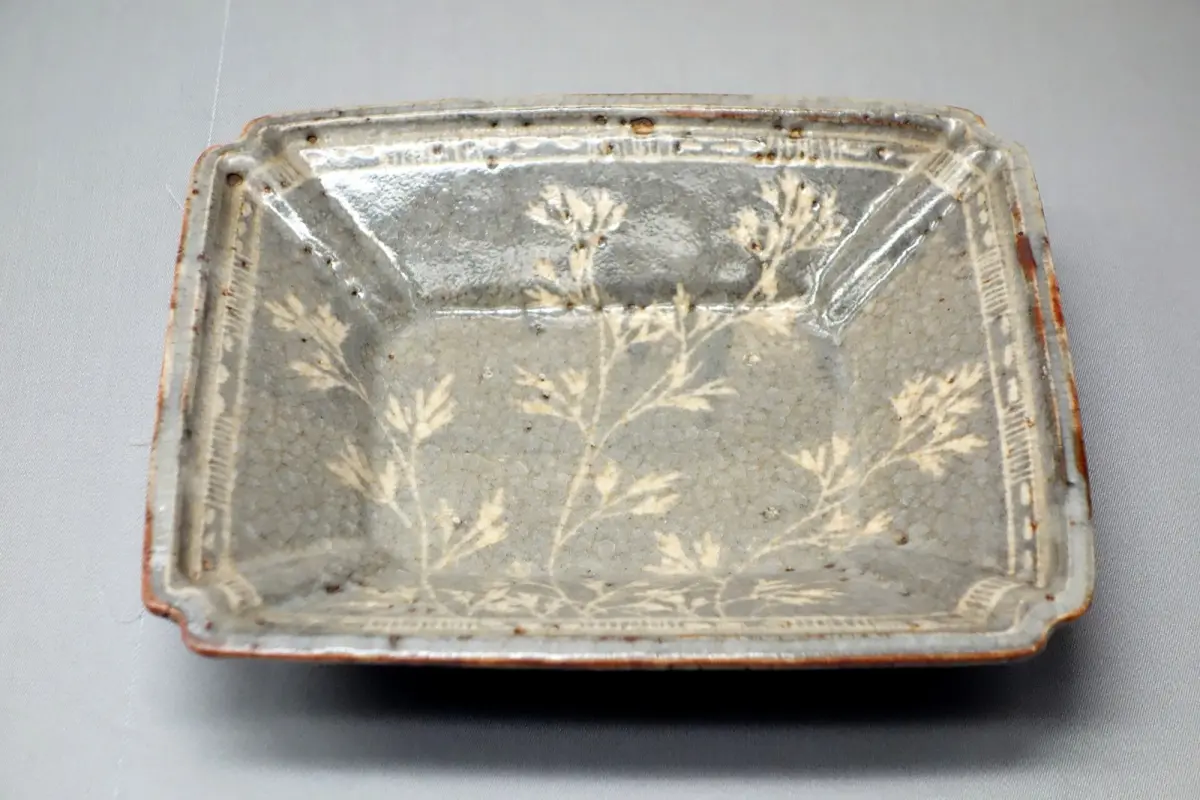
- Kiseto (黄瀬戸): Yellow wares with ash glaze, often shaped into kaiseki dishes
- Setoguro (瀬戸黒): Jet-black iron-glazed bowls fired at high heat, then pulled from the kiln and rapidly cooled to achieve their deep colour — produced roughly from Eiroku through Tensho (1573-1592)
- Shino (志野): Thick white feldspar glaze that pools and breaks across the surface
- Oribe (織部): Bold green copper glaze, developed after the Battle of Sekigahara in 1600
Each style emerged from specific technical innovations. Setoguro, for instance, required precise timing — the moment of removal from the kiln determined whether the iron glaze would achieve that coveted black depth or fall short.
The Oribe Revolution
The Oribe style takes its name from Furuta Oribe, a tea master whose aesthetic sensibilities pushed against convention. Created after Sekigahara's decisive battle reshaped Japan's political landscape, Oribe ware embraced asymmetry and that distinctive green — a copper glaze that could range from deep forest to bright moss depending on firing conditions.
"Oribe didn't whisper; it announced itself on the tea-room shelf."
This boldness marked a shift. Where earlier tea wares often pursued rustic understatement, Oribe celebrated controlled wildness — geometric patterns, deliberate distortions, colours that demanded attention.

Half a Nation's Table
Today, Gifu Prefecture produces roughly half of all domestic ceramic tableware in Japan, making it the country's largest ceramic-producing region. The kilns of Toki and neighbouring Tajimi hum with both tradition and innovation, turning out everything from tea bowls that echo Sengoku-era forms to everyday dishes for contemporary homes.
This isn't romantic exaggeration — the sheer volume reflects centuries of accumulated knowledge, reliable clay sources, and infrastructure built around the craft. The mogusa clay that drew that first Kato potter still comes from these hills, though modern Mino encompasses far more than its historical four styles.
Living Tradition, Working Kilns
Walk through Toki or Tajimi and you'll find workshops where potters still pull Setoguro bowls from the kiln at precisely the right moment, workshops experimenting with new glazes on old forms, and factories producing the rice bowls and teacups that fill Japanese cupboards. The same region, the same clay, serving both ceremony and daily life.
Some kilns have fired continuously for generations; others opened last year. What unites them is place — this particular earth, these particular techniques refined over centuries of making.
The mogusa clay still turns on the wheel, still enters the flame, still emerges transformed.
FAQ
Chaware curates authentic Japanese crafts — straight from the makers in Japan to your table.
Explore the Chaware collection →
Keep exploring


