Mashiko Ware: Discovering Japan's Folk-Pottery Town in Tochigi
On this page
The clay of Mashiko refuses to be rushed. Thick-walled and honest, each bowl and cup carries the weight of earth that doesn't pretend to be porcelain. In the hills of Tochigi, potters have learned to work with this stubbornness rather than against it.
From Kasama's Shadow to Mingei's Heart
Mashiko-yaki (益子焼) began quietly in the late Edo period, borrowing techniques from nearby Kasama ware. For decades it remained a modest regional pottery, producing everyday vessels for local use. Everything changed in 1924 when Shōji Hamada (浜田庄司, 1894–1978) chose Mashiko as his home. Hamada arrived not as a lone artisan but as a key figure in the mingei (folk craft) movement, working alongside philosopher Yanagi Sōetsu and potter Kawai Kanjirō. Their vision celebrated the beauty of ordinary, functional objects made by hand. Hamada's presence transformed Mashiko from a backwater into a pilgrimage site for those seeking authenticity in an industrializing Japan.
Clay That Demands Thickness
The local clay tells Mashiko potters what they can and cannot do. Sandy and low in plasticity, it resists the wheel's invitation to spin thin and delicate. Try to throw a fine-walled teacup and the clay simply won't cooperate. This geological fact became Mashiko's aesthetic signature: plump, sturdy forms with walls thick enough to cradle warmth in your palms. What might have been a limitation became a defining characteristic, a reminder that the best crafts emerge from honest conversation between maker and material.
Glazes Born from the Landscape
Two glazes anchor Mashiko's visual language. Kaki-yu (柿釉), the persimmon glaze, pools in warm red-brown tones that shift from amber to rust depending on the kiln's mood. Nuka-yu (糠釉), made from rice husks, settles into a soft, milky white that feels both ancient and immediate. These aren't decorative choices imposed on the clay but responses to local materials:
The glazes of Mashiko emerge from what the land provides — ash, iron, rice husks — transformed by fire into surfaces that record each firing's unique conditions.
Potters layer and combine these glazes, creating surfaces that reward close attention, where no two pieces emerge identical.

A Living National Treasure and Beyond
In 1955, Hamada was designated a Living National Treasure (人間国宝), official recognition that his work embodied irreplaceable cultural knowledge. The honor elevated not just Hamada but Mashiko itself. By 1979, Mashiko-yaki received designation as a national Traditional Craft (伝統的工芸品), cementing its place in Japan's cultural heritage. Yet the town never became a museum. New generations of potters continue to arrive, drawn by Hamada's legacy but not imprisoned by it, finding their own voices within Mashiko's clay and kilns.
Markets Where the Town Becomes a Gallery
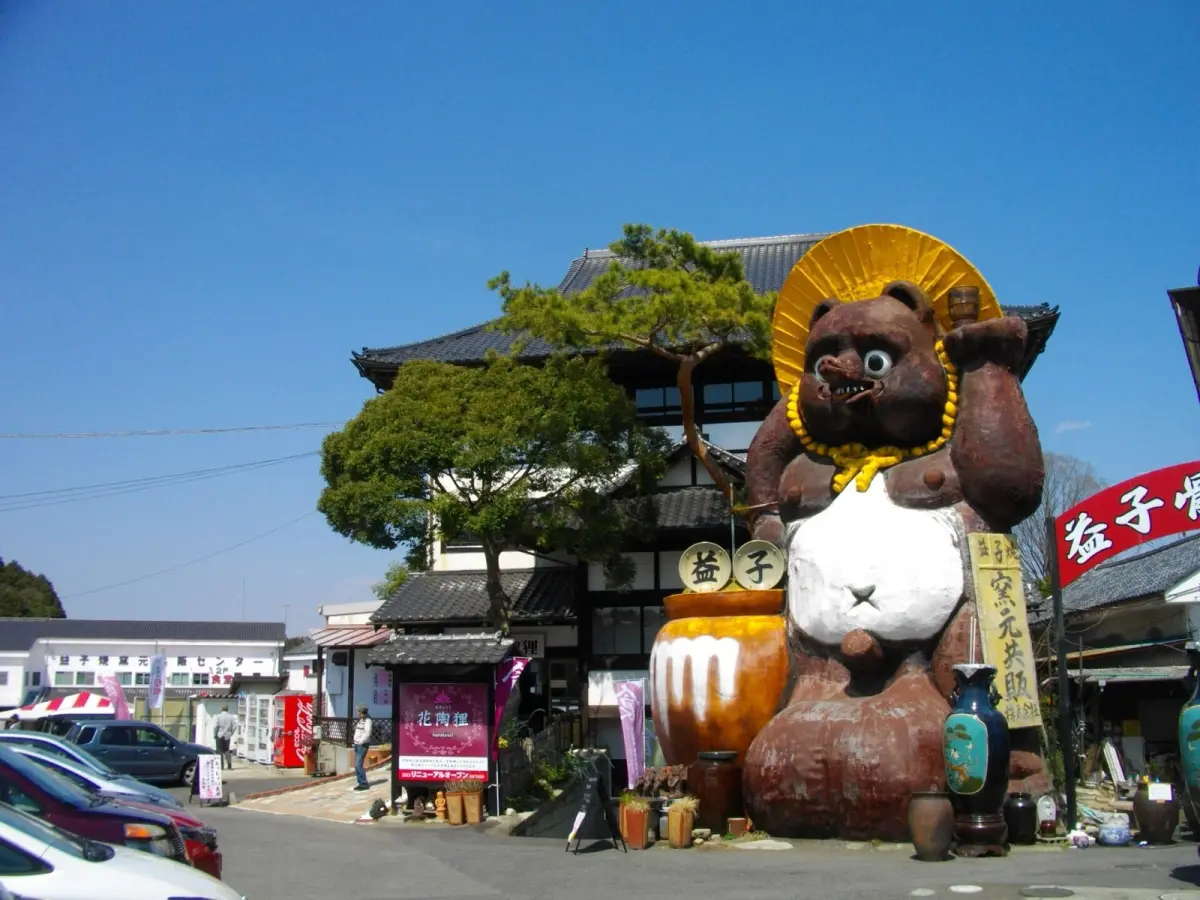
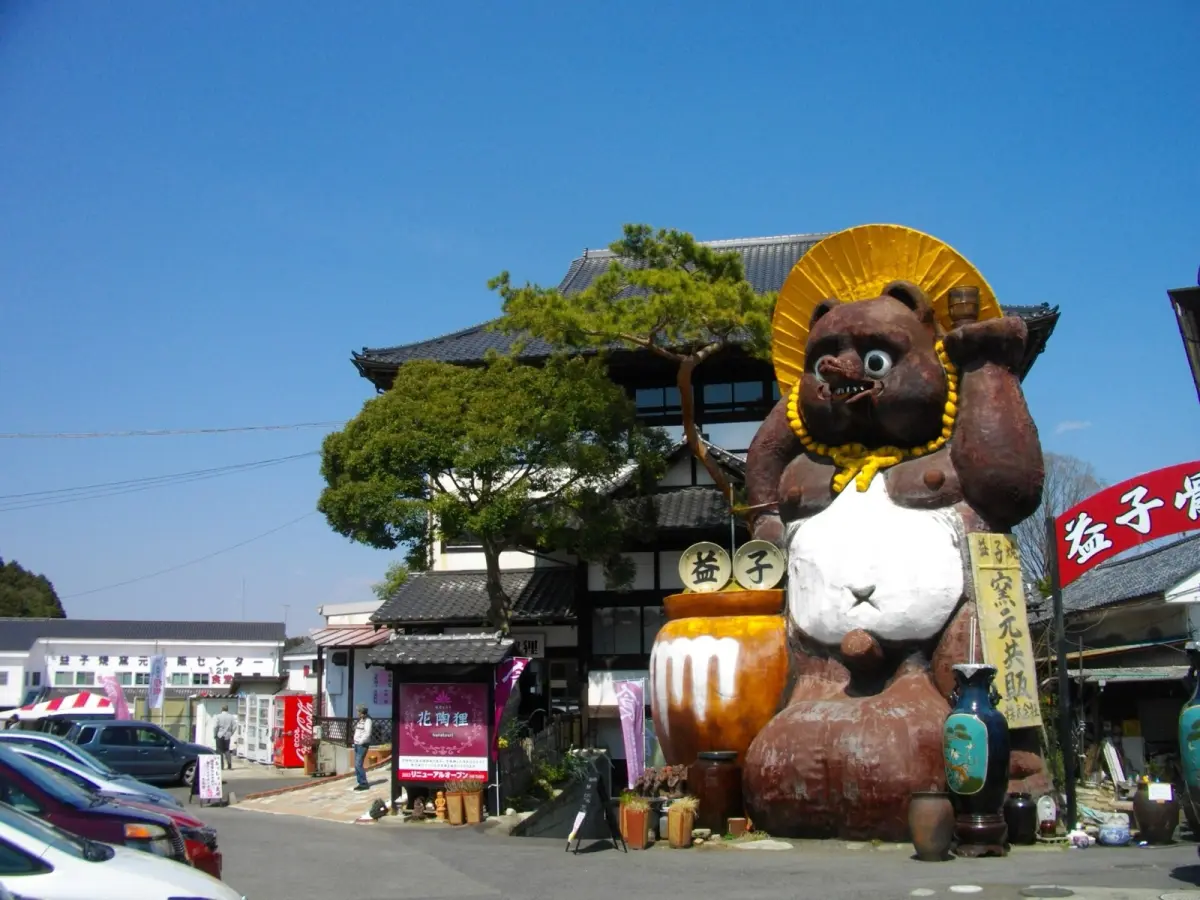
Twice yearly, during the spring and autumn Mashiko Pottery Markets, the town transforms. Hundreds of potters open their studios and kilns, lining streets with tables of fresh work. Crowds arrive from across Japan, some hunting for a particular maker's signature style, others simply wandering until a bowl speaks to them. The markets aren't tourist spectacles but genuine exchanges — potters selling directly, explaining their process, wrapping purchases in newspaper. You might find a cup thrown that morning, still carrying the memory of the wheel.
The clay of Mashiko still refuses to be rushed, and the potters still listen.
FAQ
Chaware curates authentic Japanese crafts — straight from the makers in Japan to your table.
Explore the Chaware collection →
Keep exploring


