Seto Ware: The Town That Named All Japanese Ceramics
On this page
Article Body
In the hills east of Nagoya, potters have been turning clay for over a thousand years. The town that gave its name to all Japanese pottery — setomono (瀬戸物), literally 'things from Seto' — still shapes bowls, cups, and vessels that carry the weight of that history in their glazes.
The Place That Named All Pottery
Seto (瀬戸) sits in Aichi Prefecture, where the Sanage kilns had already been firing unglazed stoneware since ancient times. But Seto became something different: the first place in Japan to master glazed ceramics. From the mid-Heian period onward, potters here applied ash and iron glazes to their work, transforming everyday vessels into something that caught and held the light. The innovation was so complete, so widespread, that the town's name became synonymous with pottery itself. Even today, when Japanese speakers say setomono, they mean ceramics in general — a linguistic fossil of Seto's dominance.
The town is counted among the Rokkoyō (六古窯), the Six Ancient Kilns of Japan, a lineage that stretches back to medieval times and continues unbroken into the present.
The Clay Beneath
What set Seto apart was what lay beneath its feet. The local clay fires white — a rarity in Japan, where iron-rich earth typically yields warm browns and russets. This iron-free quality became Seto's canvas, allowing the full spectrum of glazes to show their true colours without the clay's undertone muddying the result.
Legend credits Kato Shirozaemon Kagemasa (加藤四郎左衛門景正) with discovering this exceptional clay in 1242 (Ninji 3), though archaeological evidence shows glazed stoneware was already being produced here centuries earlier. Like many origin stories, the tale compresses a longer, more complex evolution into a single founding moment.
A Palette of Glazes
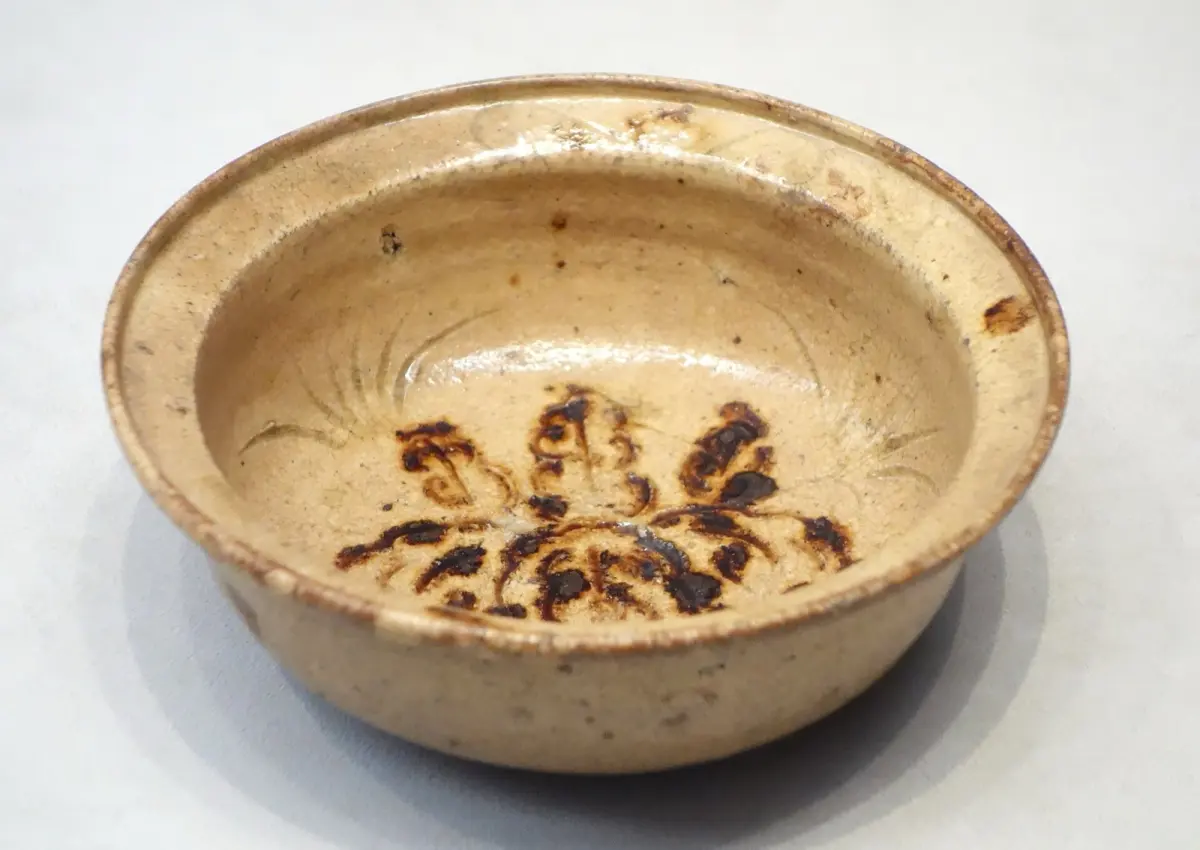
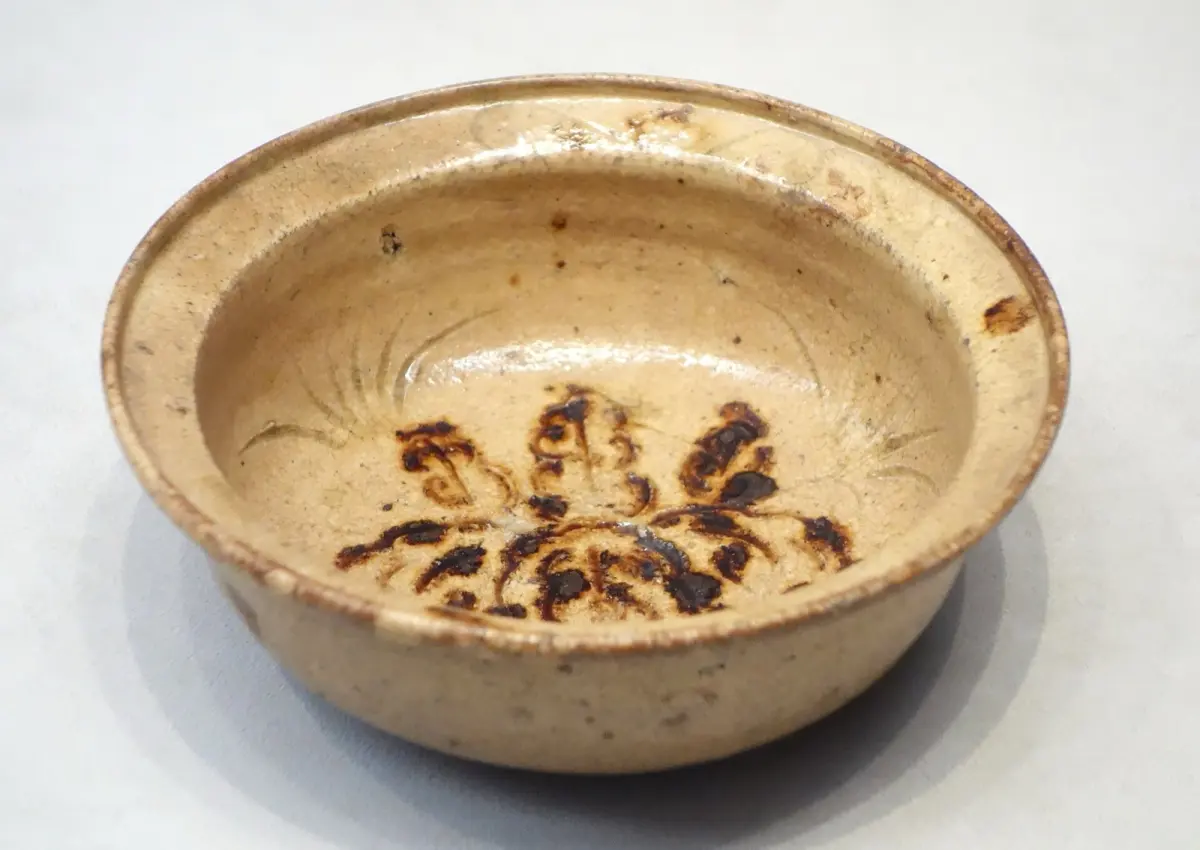
That white-firing clay became the foundation for Seto's signature achievement: a mastery of glaze work unmatched in medieval Japan. Kiseto (黄瀬戸), the soft yellow glaze, pools in carved lines and breaks over edges. Oribe (織部), with its bold green and graphic patterns, transformed tea ceremony aesthetics in the late sixteenth century. These weren't just decorative choices — they were technical accomplishments, each glaze requiring precise control of kiln atmosphere, temperature, and chemistry.
The range of Seto's glazes reflects centuries of experimentation, each colour a solution to the puzzle of fire, ash, and mineral.
Within this broader tradition, two distinct styles have earned official recognition as traditional crafts. Akazu ware (赤津焼) employs seven different glazes and twelve decorative techniques, a technical vocabulary built over generations. Seto-sometsuke (瀬戸染付) brought blue-and-white porcelain decoration to Seto's repertoire, adapting techniques that had travelled from China and Korea.

Kilns That Shaped a Region
The kilns themselves shaped the landscape. Built into hillsides, these anagama (穴窯) and later noborigama (登り窯) climbing kilns used gravity and geology to create the intense, sustained heat needed for high-fired glazes. The kiln sites around Seto — particularly in the Akazu district — became centres of concentrated knowledge, where apprentices learned not just to throw pots but to read fire, to know when a glaze would break just so, to understand the thousand small variables that separate a successful firing from a kiln full of expensive failures.
Living Tradition
Seto continues to make pottery. Not as a museum exercise or heritage performance, but as working craft. The same white clay, the same glazes — though now fired in gas and electric kilns as often as wood-burning ones. Contemporary Seto potters inherit techniques refined over centuries while adapting them to present needs and aesthetics. The word setomono still means pottery, and in Seto, that's not metaphor but daily fact.
The kilns are still firing. The clay still turns white in the flame.
FAQ
Chaware curates authentic Japanese crafts — straight from the makers in Japan to your table.
Explore the Chaware collection →
Keep exploring


