Pottery & Porcelain
From porcelain painted like a jewel to clay so rough it looks fresh from the mountain, Japan's pottery towns each fire a distinct character. Here is where the country's most famous ceramics are made — and the story behind every kiln.

Arita Ware
Japan's first porcelain, born around the 1610s after the potter Yi Sam-pyeong found porcelain stone at Izumiyama — now a designated Historic Site. From here came early Imari blue-and-white, the milky-ground Kakiemon style and lavish gold Kinrande — the export ware that dazzled Europe.

Hasami Ware
For 400 years Hasami has made porcelain for everyday tables, not lords'. Its sturdy Edo-era 'kurawanka' bowls — thick, with a high wide foot to sit steady on riverboats — put porcelain in ordinary hands. Today it is Japan's second-largest ceramic producer.

Mino Ware
The powerhouse of Japanese ceramics: Gifu's kilns make roughly half of all the country's tableware. Mino is also the cradle of the tea-ceremony glazes — yellow Kiseto, jet-black Setoguro, white feldspathic Shino and green Oribe — born here in the age of Nobunaga and Hideyoshi.

Bizen Ware
The oldest of Japan's Six Ancient Kilns, fired without pause since the Heian era. Bizen uses no glaze at all: pieces bake for about two weeks at 1,200°C, and ash, charcoal and flame alone paint each 'yohen' surface — no two alike. Famously tough enough to throw without breaking.

Kutani Ware
Bold, painterly overglaze in the Kutani five colours — green, yellow, red, purple and deep blue. Begun around 1655 under the Daishoji domain, whose lord sent Goto Saijiro to learn porcelain at Arita. The first kilns mysteriously closed by the early 1700s — the prized Ko-Kutani — and revived a century on.

Mashiko Ware
A humble folk-pottery town transformed in 1924, when Shoji Hamada — later a Living National Treasure of the mingei movement — settled here. Mashiko's sandy clay resists thin walls, giving its wares their plump thickness. Designated a Traditional Craft in 1979; its spring and autumn markets draw crowds nationwide.

Shigaraki Ware
One of the Six Ancient Kilns, worked since the late Heian era with fire-resistant clay from the ancient Lake Biwa strata. Unglazed and wood-fired, it flushes with warm scorch-marks and glassy natural ash-glaze. The smiling tanuki became a national icon after a 1951 imperial visit lined the road with them.

Tokoname Ware
The largest of the Six Ancient Kilns, making storage jars since the Heian period. Its iron-rich clay fires to a soft vermilion, perfected in the red 'shudei' teapots first made in the mid-1800s — still the benchmark for Japanese kyusu. Tokoname clay also formed the pipes that modernised Meiji cities.

Hagi Ware
The tea master's bowl. Opened around 1604 as the Mori clan's official kiln and worked by Korean potters carrying the Goryeo tea-bowl tradition. Ranked 'first Raku, second Hagi, third Karatsu.' Its soft, crackled glaze slowly stains with use — the celebrated 'seven changes of Hagi' that deepen a bowl over a lifetime.

Karatsu Ware
Rugged, understated tea ware fired since the 1580s, when Korean potters brought Japan its first climbing kilns and kick-wheels. Ranked just below the Korean Ido bowl as 'first Ido, second Raku, third Karatsu.' Its earthy surfaces — including painted e-Karatsu — made it a favourite of tea masters.

Seto Ware
So central to Japanese ceramics that 'setomono' simply means crockery. Seto was the first place in Japan to glaze its wares, with ash and iron glazes from the Heian period. One of the Six Ancient Kilns, its rich, iron-free white clay carries the whole palette, from yellow Kiseto to green Oribe.

Tobe Ware
Sturdy everyday porcelain from the hills of Ehime. White porcelain succeeded here in 1777 under the Ozu domain, and Tobe's thick, chip-resistant bowls became prized as honest daily ware. Its indigo arabesques are drawn in a single confident stroke; designated a Traditional Craft in 1976.

Onta Ware
Called 'the finest folk pottery in the world' by mingei founder Soetsu Yanagi. Fired in a remote Hita valley since about 1705 by just three families, who still pass the craft strictly parent to child. Its rhythmic 'tobikanna' chatter-marks and 'hakeme' brushwork became world-famous after Bernard Leach studied here in 1954.

Echizen Ware
One of the Six Ancient Kilns, fired in Fukui since the late Heian period — about 850 years. Echizen made honest, sturdy everyday ware: jars, pots and grinding bowls, unglazed and high-fired, their surfaces washed with natural ash glaze. Over 200 old kiln sites have been found around the town.

Tamba Ware
One of the Six Ancient Kilns, worked in Hyogo since the late Heian period. For 400 years Tamba fired in tunnel kilns, then took up the Korean-style climbing kiln in the early Edo; its wares glow with bright natural ash glaze and are turned on a rare left-spinning kick-wheel. Some 60 kilns still work at Tachikui.
Satsuma Ware
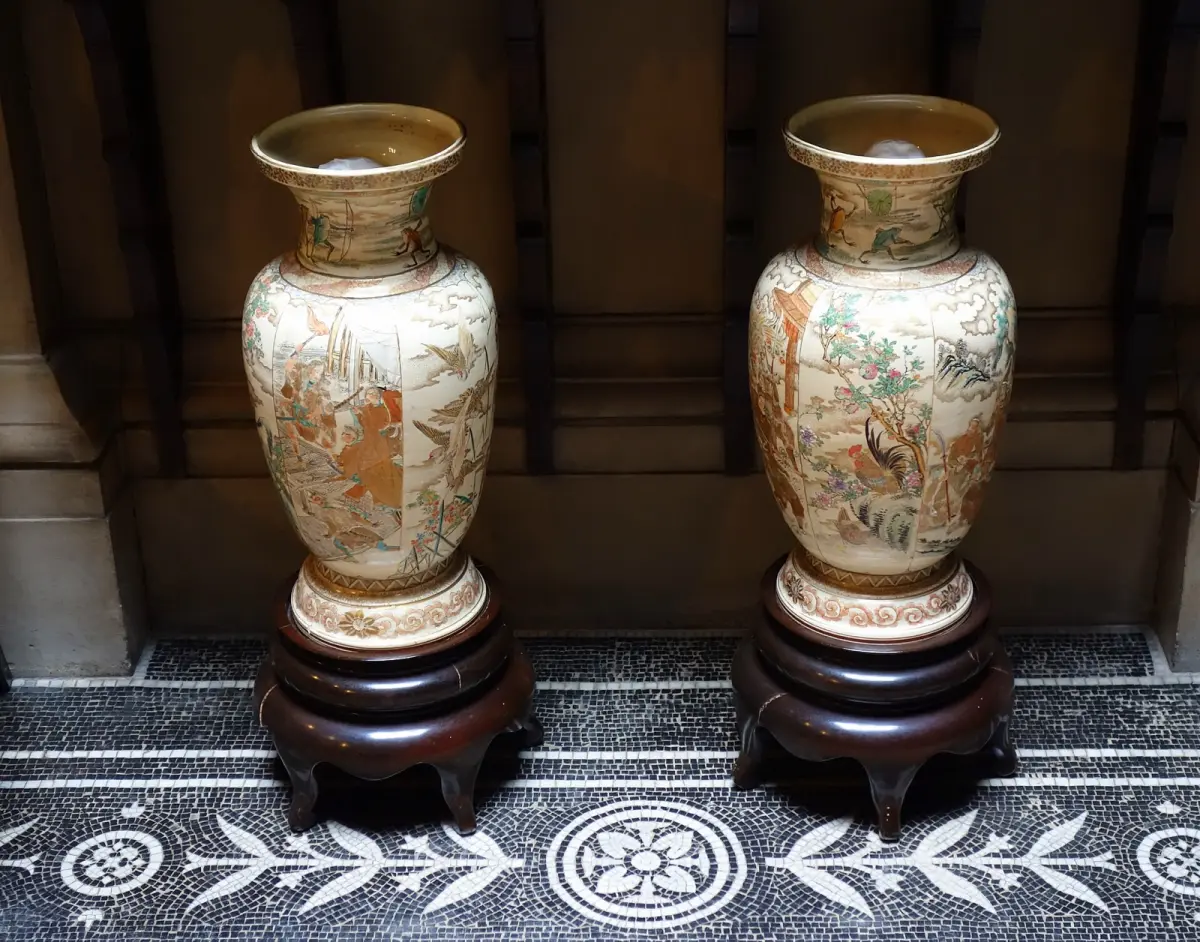
Born when the Satsuma lord Shimazu Yoshihiro brought Korean potters home in 1598. It split in two: gorgeous crackled 'shiro-Satsuma', painted in gold and colour for the lords, and rugged black 'kuro-Satsuma' for the people. White Satsuma dazzled Europe at the 1873 Vienna Exposition.
Koishiwara Ware
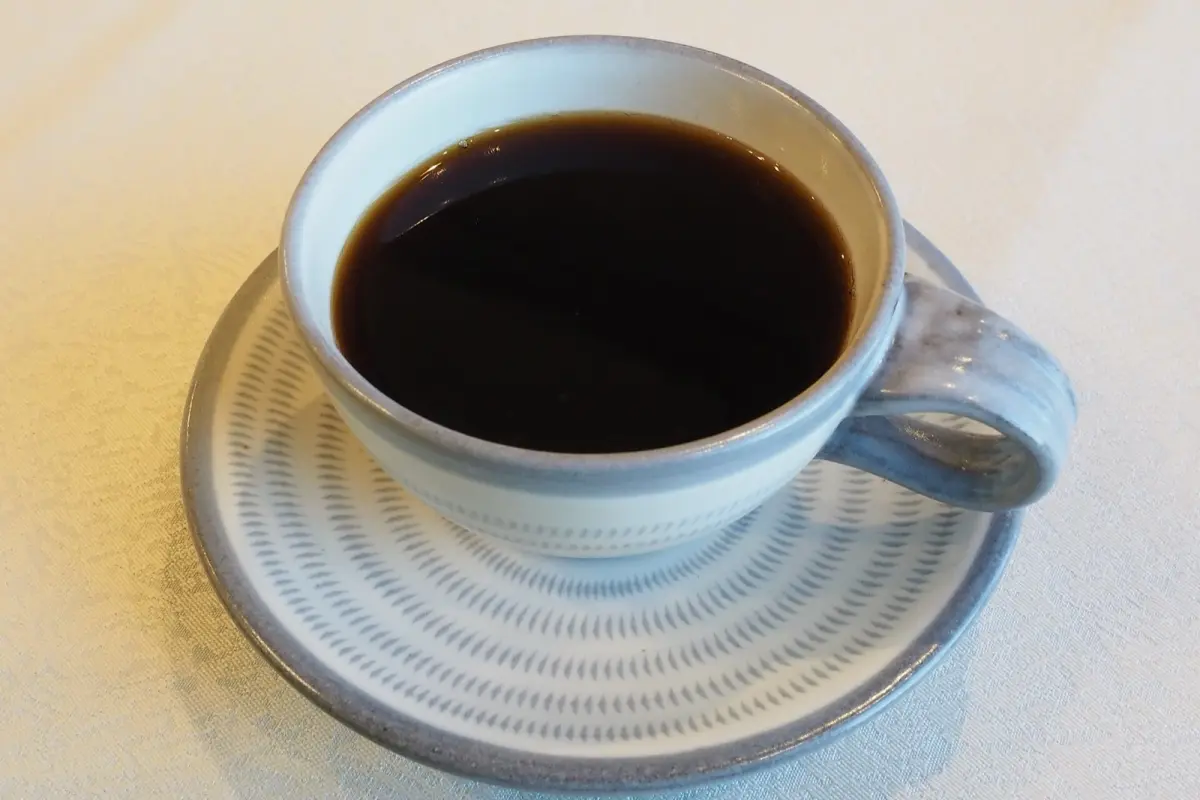
Folk pottery from a Fukuoka mountain village, begun in 1662 when the Kuroda lord invited Imari potters and it grew alongside neighbouring Takatori ware. Turned on the wheel and marked with rhythmic 'tobikanna' chatter and 'hakeme' brushwork, it was praised by Yanagi Soetsu as the height of beauty in use — kin to nearby Onta ware.