Hiroshima, Go Deeper
Hiroshima holds two faces in tender balance: the island shrine of Miyajima, where a vermilion torii rises from the tide, and the Peace Memorial Park, where the world pauses to remember August 1945. Between them lies a city rebuilt with quiet determination—castle gardens, mountain temples, okonomiyaki griddles sizzling in stacked stalls. To go deeper here is to witness how beauty and memory, resilience and reverence, walk side by side.
- Tap Open in Google Maps on any place for live directions, transit, hours & reviews.
- Get an ICOCA / Suica IC card — tap on/off trains, subways & buses, no ticket needed.
- Carry some cash (¥) — many small shops, shrines & old streets are cash-only.
- Go early: the famous spots are calm and beautiful before ~9am.

Itsukushima Shrine (Miyajima)
Itsukushima Shrine floats over the Seto Inland Sea, its vermilion corridors and great torii standing in the shallows as they have since the Heian era, when Taira no Kiyomori shaped this sacred stage. A UNESCO World Heritage site and one of Japan's 'three great views,' it transforms with every tide. Come at dawn or dusk to see the torii silhouetted against the water.

Peace Memorial Park & A-Bomb Dome
The Peace Memorial Park marks the hypocenter of the atomic bomb that fell on 6 August 1945 at 8:15am. The skeletal A-Bomb Dome, a UNESCO site, stands preserved beside the Cenotaph and the museum's unflinching exhibits. It is a place of pilgrimage and quiet reckoning, where the weight of history asks each visitor to carry its lessons forward.

Mount Misen
Mount Misen rises to about 535 metres above Miyajima, its summit cloaked in primeval forest where wild deer wander and stone shrines cling to the rock. Reach the top by ropeway or on foot through moss and cedar, and you'll be rewarded with sweeping views over the Seto Inland Sea's scattered islands.

Shukkei-en Garden
Shukkei-en, laid out in 1620, is a 'shrunken-scenery' garden where valleys, peaks, and coastlines are distilled into ponds, bridges, and sculpted stone. Stroll the looping path beside the prefectural art museum, pausing at teahouses that frame the view like a scroll painting.
Hiroshima Castle
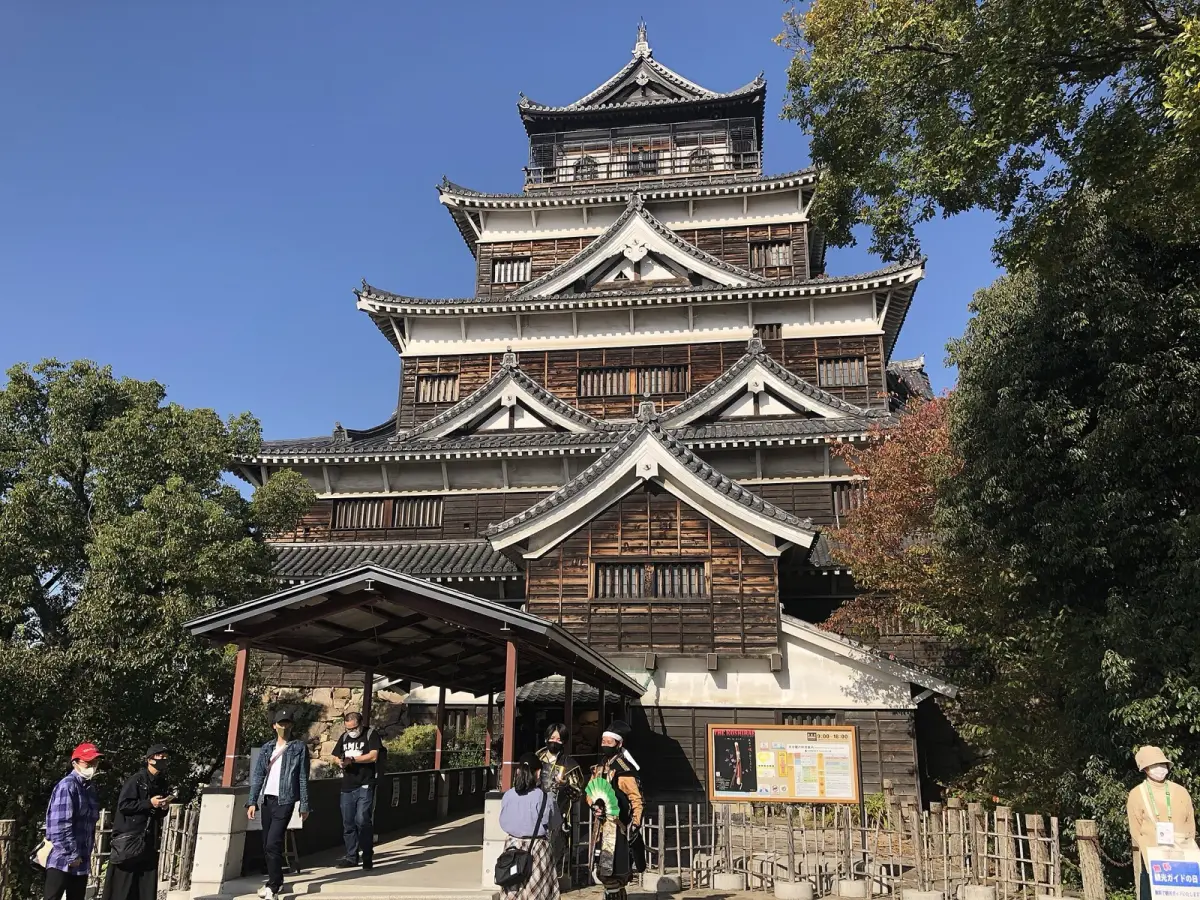
Hiroshima Castle, the 'Carp Castle,' was first raised by Mori Terumoto in the 1590s and obliterated by the atomic bomb. The keep you see today, rebuilt in 1958, houses exhibits on samurai life and offers a vantage over the moats and stone walls that still encircle its grounds.
Okonomi-mura
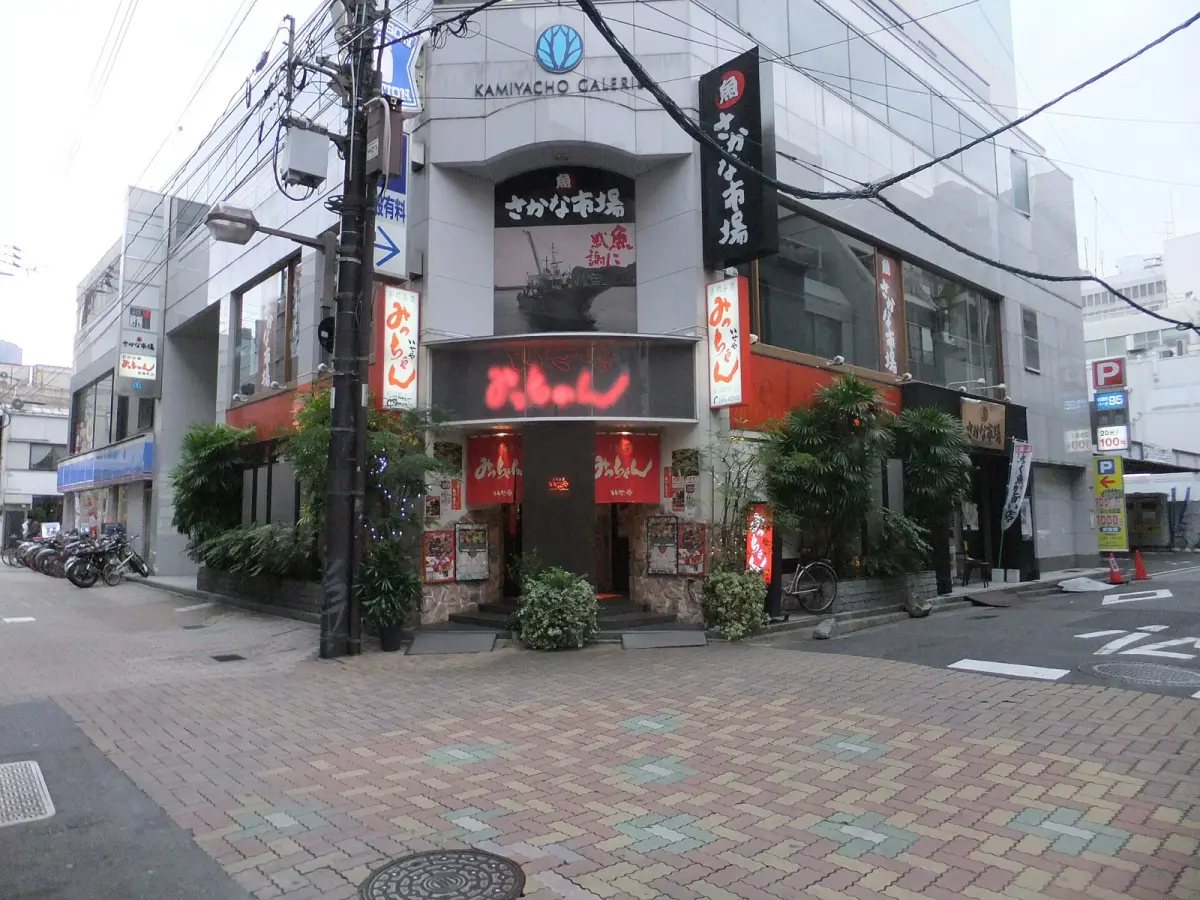
Okonomi-mura is a tower of okonomiyaki devotion, its floors stacked with tiny stalls where cooks layer cabbage, noodles, pork, and egg on sizzling griddles. This is Hiroshima-style: the noodles go in, not mixed but piled. Climb the stairs, pick a counter, and watch the spatula ballet unfold.
Daishō-in Temple
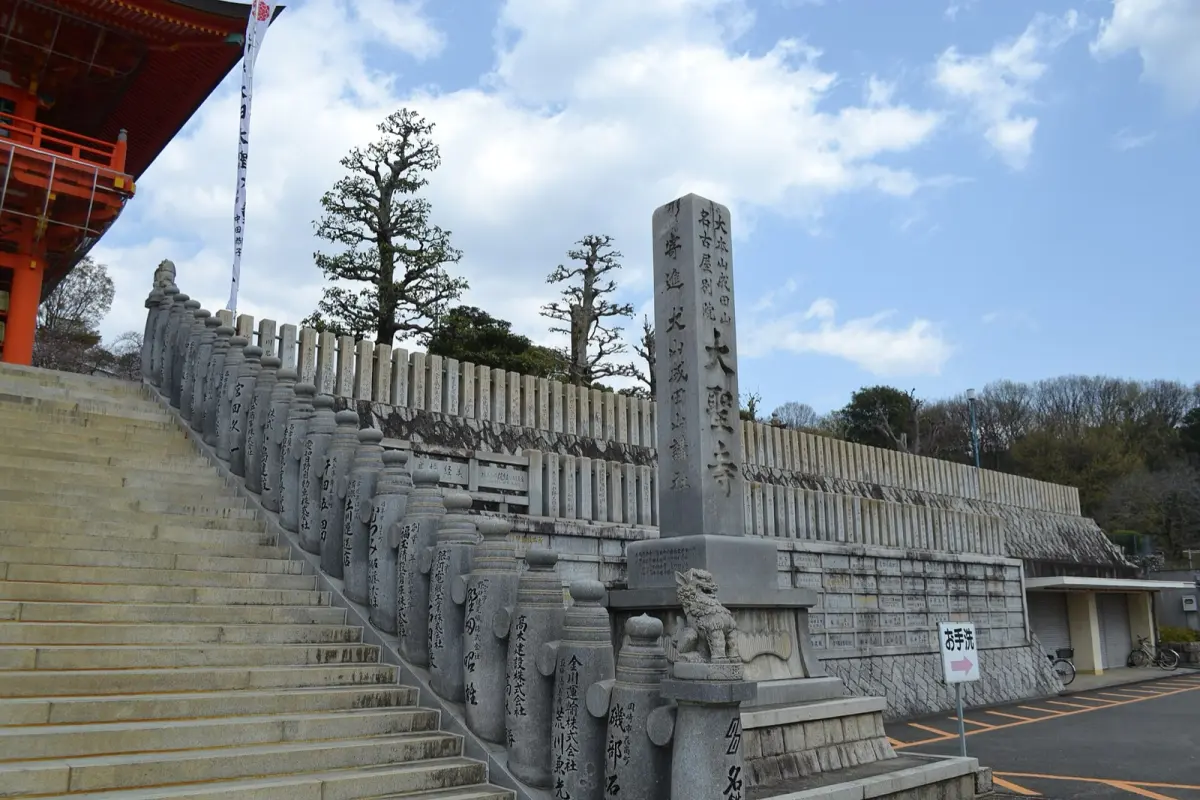
Daishō-in, a major Shingon temple at the foot of Mount Misen, invites you to spin wooden sutra wheels as you climb past rows of small stone statues dressed in knitted caps. The atmosphere is both playful and devotional, with incense curling through courtyards shaded by ancient trees.
Mitaki-dera
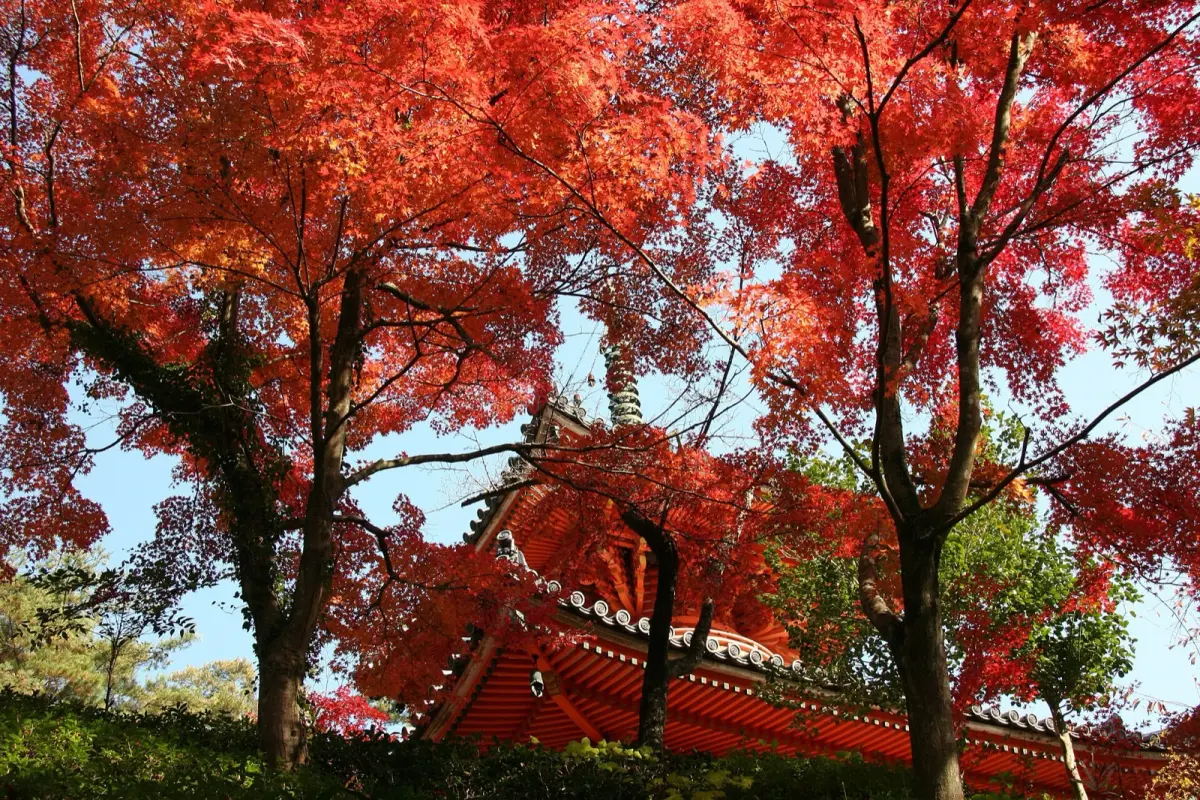
Mitaki-dera hides in the forested hills above the city, named for the three waterfalls that tumble through its grounds. The temple is especially enchanting in autumn, when maple leaves drift onto moss-covered stone and the sound of water mingles with temple bells.
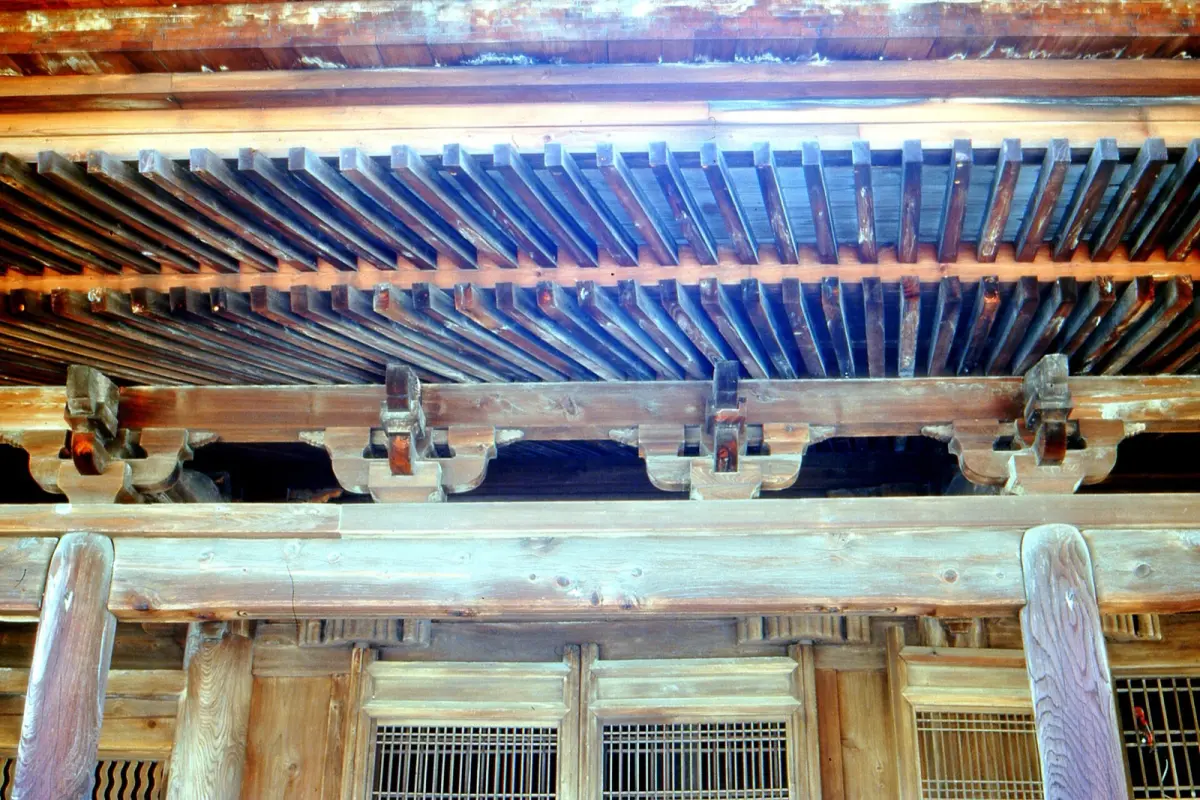
Fudō-in
Fudō-in's golden hall, a National Treasure, is one of the few structures to survive the atomic bomb intact. The hall's graceful Muromachi-era lines stand as quiet testimony to what endured, a place where history and stillness meet under the eaves.
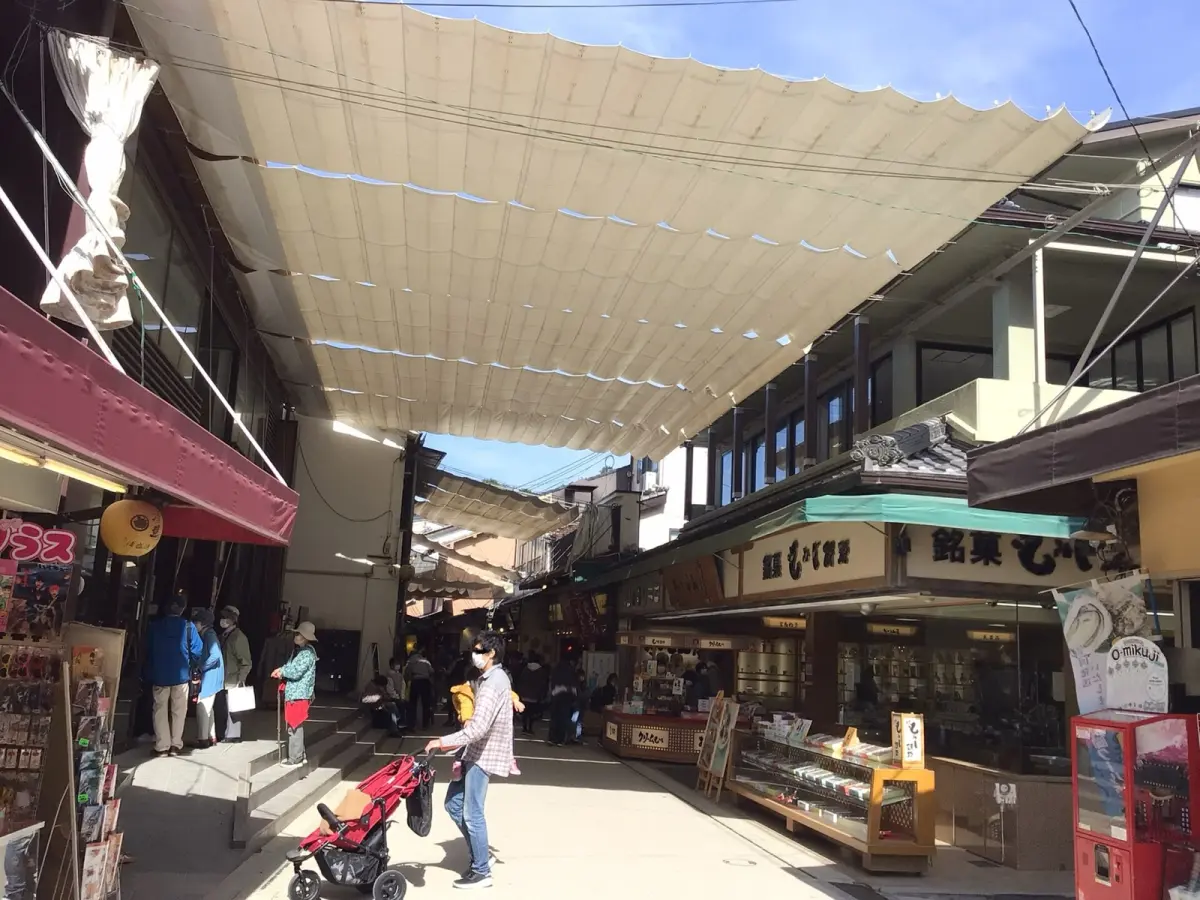
Miyajima Omotesandō
Miyajima's Omotesandō is a bustling arcade leading to Itsukushima Shrine, lined with stalls grilling fat oysters over charcoal and vendors hawking momiji-manjū, the island's maple-leaf cakes. Look for the giant wooden rice scoop, a symbol of Miyajima craft, hanging above the crowd.
Crafts of this region
Authentic pieces made near here — learn the story, then bring one home.
 Bizen Ware
備前焼 · Bizen, Okayama
Bizen Ware
備前焼 · Bizen, Okayama
 Hagi Ware
萩焼 · Hagi, Yamaguchi
Hagi Ware
萩焼 · Hagi, Yamaguchi
 Kumano Brushes
熊野筆 · Kumano, Hiroshima
Kumano Brushes
熊野筆 · Kumano, Hiroshima
 Sekishu Washi
石州和紙 · Hamada, Shimane
Sekishu Washi
石州和紙 · Hamada, Shimane