Bizen: The Town Where Fire and Clay Become Timeless Pottery
On this page
Article Body
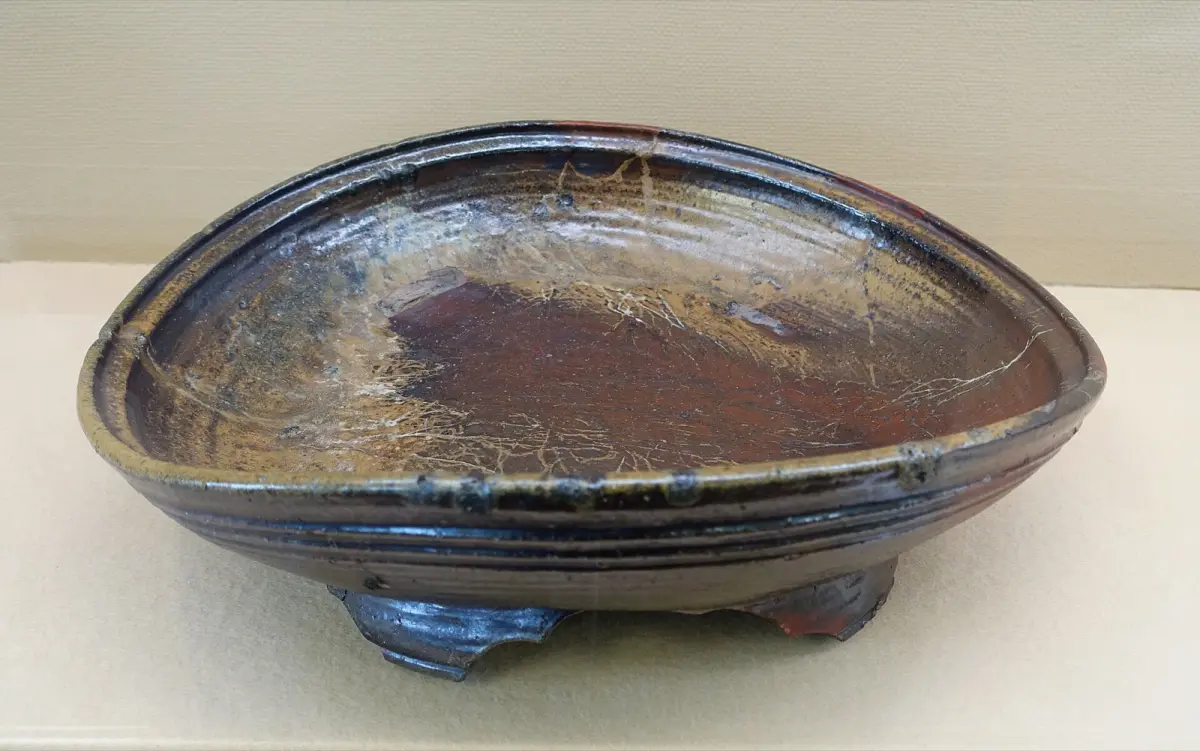
The kiln breathes for two weeks. No glaze touches the clay. What emerges — rust-red scorch marks, ash freckles, storm-cloud grays — is the unplanned conversation between flame, straw, and earth that makes Bizen ware (備前焼, Bizen-yaki) unlike any other pottery in Japan.
The Oldest Fire Still Burning
Bizen holds a quiet distinction: it is the oldest of Japan's Six Ancient Kilns (六古窯, Rokkoyo) — a lineage that includes Seto, Tokoname, Echizen, Shigaraki, and Tamba. The potters of Inbe, a small town in present-day Okayama Prefecture, trace their craft back to the Sue ware tradition of the Kofun period. By the late Heian and early Kamakura periods, they had shifted to making durable everyday stoneware: jars, mortars, seed pots. The clay was local. The kilns were long and sloping. And crucially, there was no glaze.
Naked Clay, Dressed by Flame
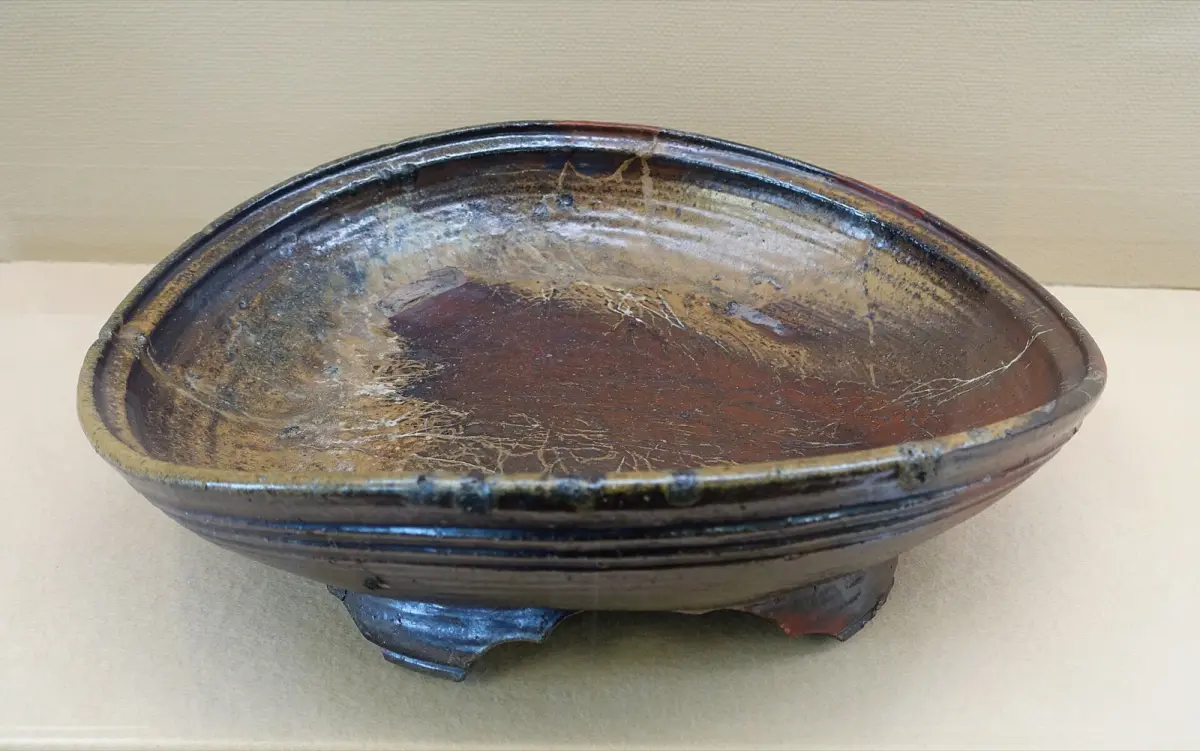
What sets Bizen apart is its refusal to coat the surface. The clay goes into the kiln bare and comes out transformed entirely by fire. Pieces are stacked inside climbing kilns and fired for about two weeks — ten to fourteen days — at temperatures exceeding 1,200°C. During that time, wood ash settles on shoulders and rims, charcoal dust swirls through the chamber, and oxygen flows unevenly around the tightly packed wares.
The Japanese call the results yohen (窯変) — "kiln-change" — because no one, not even the potter, can fully predict them.
Three Faces of Fire
The most celebrated yohen patterns have names as evocative as their appearance:
- Hidasuki (緋襷, "fire-cord"): Reddish scorch marks appear where rice straw was wrapped around the clay to prevent pieces from fusing together in the kiln.
- Goma (胡麻, "sesame"): Fine ash from burning pine settles on the surface and melts into golden or brown speckles.
- Sangiri (桟切り): Blue-gray zones form where pieces were starved of oxygen, pressed close together or buried under others in the kiln's interior.
Each piece becomes a record of its particular position in the fire — a map of heat, ash, and accident.

Iron in the Clay, Steel in the Ware
Bizen clay is iron-rich and fine-grained, dug from rice paddies around Inbe. After the long, intense firing, the stoneware emerges extraordinarily hard and dense. There is a saying among potters: Bizen is tough enough to throw without breaking. That durability made it indispensable for medieval storage jars and grinding bowls, objects meant to endure daily use across generations.
Today, that same toughness carries a different appeal. Collectors prize the weight in the hand, the subtle texture against the lip of a tea bowl, the sense of holding something both ancient and utterly specific.
A Festival of Earth and Flame
Every year on the third weekend of October, the streets around Inbe Station fill with stalls, demonstrations, and the earthy smell of fresh-turned clay. The Bizen Pottery Festival (Bizen-yaki matsuri) draws potters, collectors, and the simply curious to celebrate a craft that has outlasted emperors and wars. Kilns open their doors. Apprentices sell seconds at generous prices. And for two days, the oldest continuously practicing pottery tradition in Japan becomes a living, breathing town square.
Bizen ware asks for patience — from the potter who waits two weeks by the kiln, and from the user who learns to read flame's handwriting on clay.
FAQ
Chaware curates authentic Japanese crafts — straight from the makers in Japan to your table.
Explore the Chaware collection →
Keep exploring


