Kagoshima, Go Deeper
A southern city that lives in the shadow of a volcano. Sakurajima smokes across the bay while the streets below carry the memory of the Shimazu lords and of Saigo Takamori, hero of the last samurai war. Beyond the city lie sand baths on the shore, samurai gardens, a shrine deep in cedar forest, and an ancient island of moss and thousand-year trees.
- Tap Open in Google Maps on any place for live directions, transit, hours & reviews.
- Get an ICOCA / Suica IC card — tap on/off trains, subways & buses, no ticket needed.
- Carry some cash (¥) — many small shops, shrines & old streets are cash-only.
- Go early: the famous spots are calm and beautiful before ~9am.

Sakurajima
One of the world's most active volcanoes, smoking across Kinko Bay just 15 minutes by ferry from the city. Once an island, an eruption in 1914 joined it to the mainland; today you can circle its lava fields, foot baths and viewpoints beneath the ash-dusted cone.

Sengan-en Garden
The Shimazu lords' villa garden, laid out from 1658, which 'borrows' Sakurajima as its hill and Kinko Bay as its pond. The Iso district around it was inscribed as part of the UNESCO 'Sites of Japan's Meiji Industrial Revolution' in 2015.

Shiroyama Observatory
A 107-metre hill over the heart of the city, giving the classic view of the streets, the bay and smoking Sakurajima beyond. It was the site of Saigo Takamori's last stand in the Satsuma Rebellion of 1877, and the slopes are dotted with his memorials.
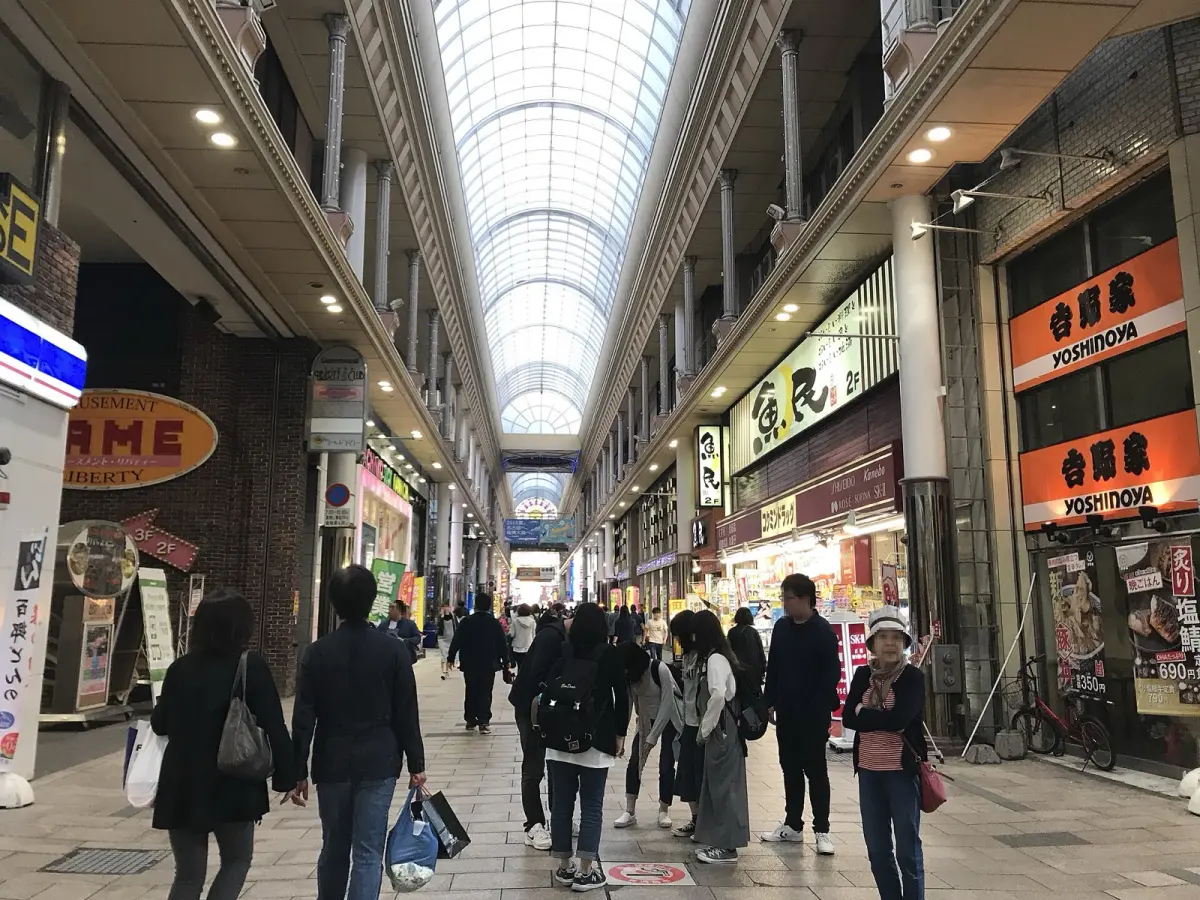
Tenmonkan
Kagoshima's downtown arcade quarter, named for an Edo-era astronomy hall built by the Shimazu. It is the place to try the city's fluffy 'shirokuma' shaved ice and its prized black-pork kurobuta, among lively shops and izakaya.

Ibusuki Sand Baths
On the shore at Ibusuki, attendants bury you to the neck in naturally hot volcanic sand, the heat drawn from a coastal hot spring. It is a bathing ritual found almost nowhere else, sweated out to the sound of the waves.
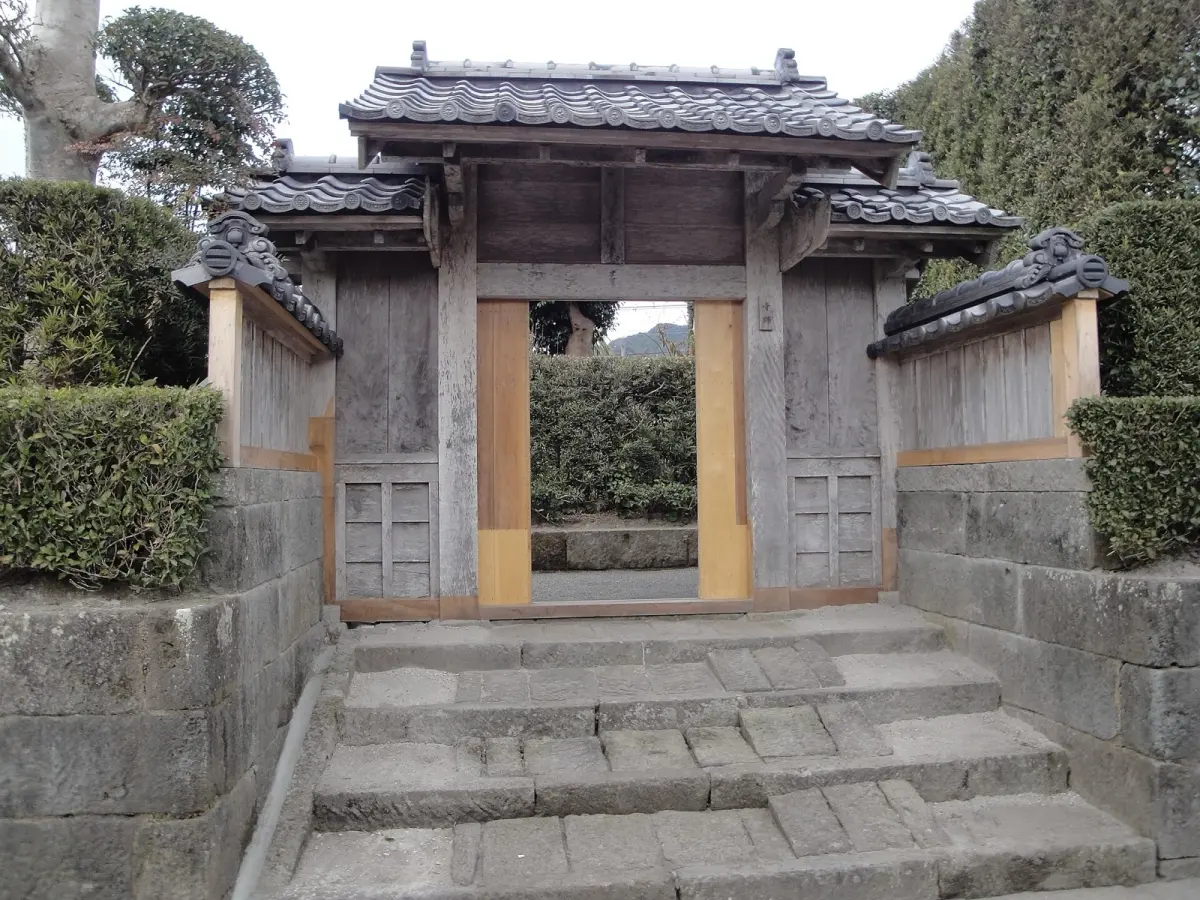
Chiran Samurai Residences
A preserved street of samurai houses and clipped hedges at Chiran, once a Satsuma sub-domain outpost. Seven of its stone-walled gardens are open, and the small town also keeps a sombre museum to the wartime kamikaze pilots who flew from here.

Kirishima Shrine
A vermilion shrine set among towering cedars in the Kirishima mountains, tied to the myth of Ninigi, grandson of the sun goddess, descending to earth. Its ornate halls are a National Treasure, wrapped in mist and forest.
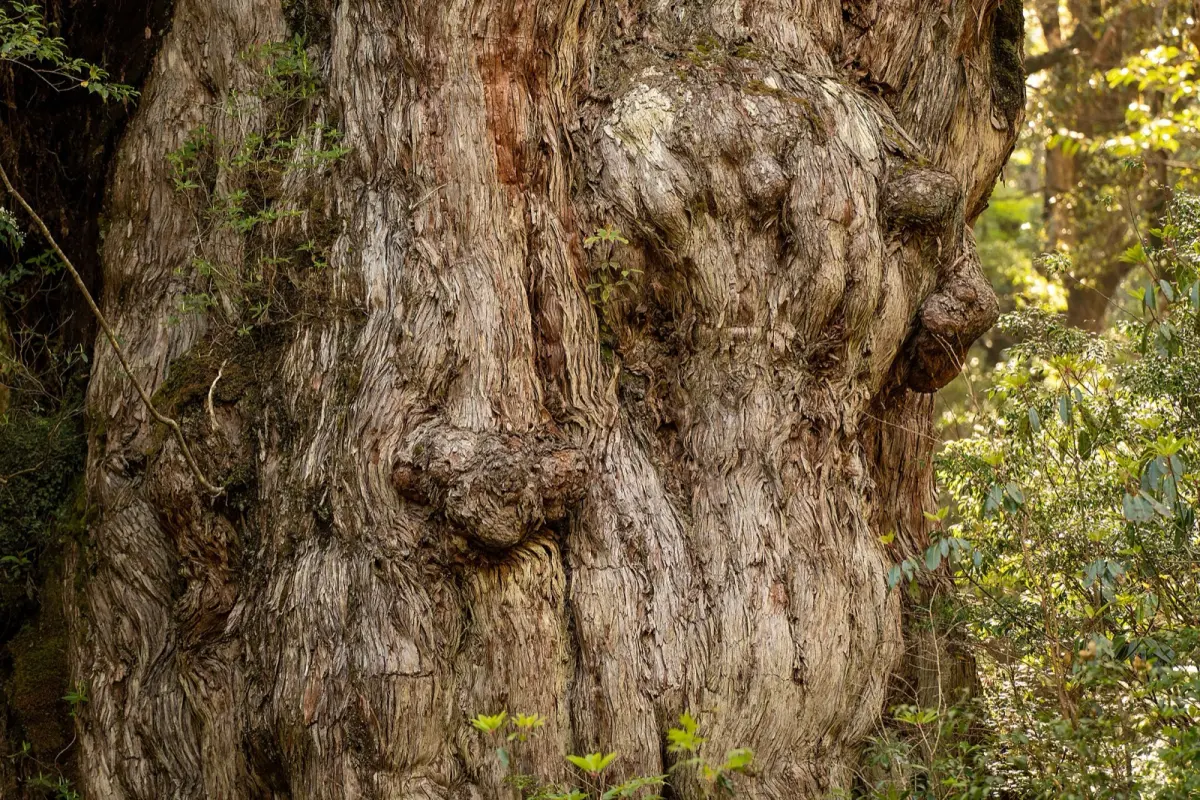
Yakushima
A round island of rainforest south of Kagoshima, where ancient 'yakusugi' cedars grow — the oldest, Jomon-sugi, thought to be thousands of years old. Its dripping green mountains, a UNESCO Natural World Heritage site, are said to have inspired the forests of Princess Mononoke.
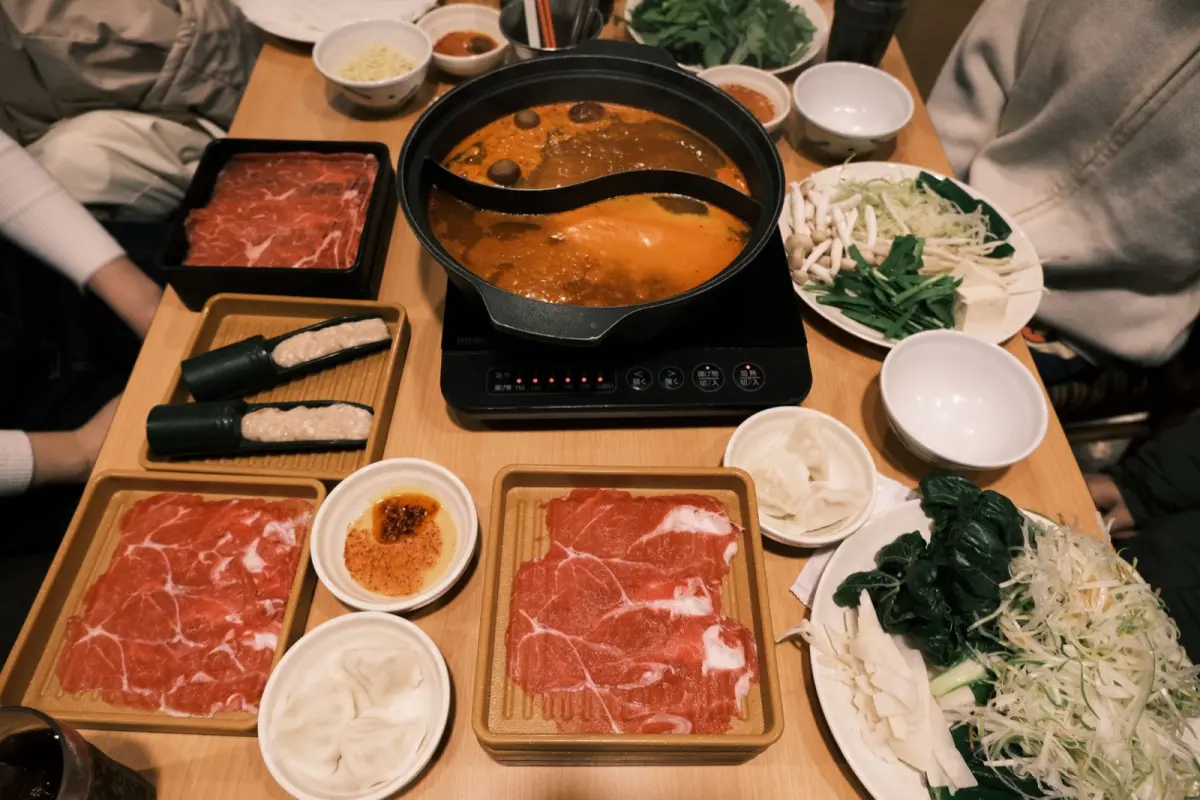
Kurobuta Black Pork
Kagoshima's famous Berkshire black pork, tender and faintly sweet, eaten as shabu-shabu hotpot or a thick tonkatsu cutlet. Pair it with the local 'shirokuma' — a mountain of shaved ice, condensed milk and fruit born in Tenmonkan.
Crafts of this region
Authentic pieces made near here — learn the story, then bring one home.
 Arita Ware
有田焼 · Arita, Saga
Arita Ware
有田焼 · Arita, Saga
 Hasami Ware
波佐見焼 · Hasami, Nagasaki
Hasami Ware
波佐見焼 · Hasami, Nagasaki
 Satsuma Kiriko
薩摩切子 · Kagoshima
Satsuma Kiriko
薩摩切子 · Kagoshima
 Yame Gyokuro
八女茶 · Yame, Fukuoka
Yame Gyokuro
八女茶 · Yame, Fukuoka
 Karatsu Ware
唐津焼 · Karatsu, Saga
Karatsu Ware
唐津焼 · Karatsu, Saga
 Kurume Kasuri
久留米絣 · Kurume, Fukuoka
Kurume Kasuri
久留米絣 · Kurume, Fukuoka
 Onta Ware
小鹿田焼 · Hita, Ōita
Onta Ware
小鹿田焼 · Hita, Ōita
 Ōshima Tsumugi
大島紬 · Amami, Kagoshima
Ōshima Tsumugi
大島紬 · Amami, Kagoshima